

 Pregledaj u prostoru
 Pošalji
 Podeli
 Detalji o delu

 Преузми
 Slični predmeti
 Rendgenski snimak
 Slajdovi
 Statistika
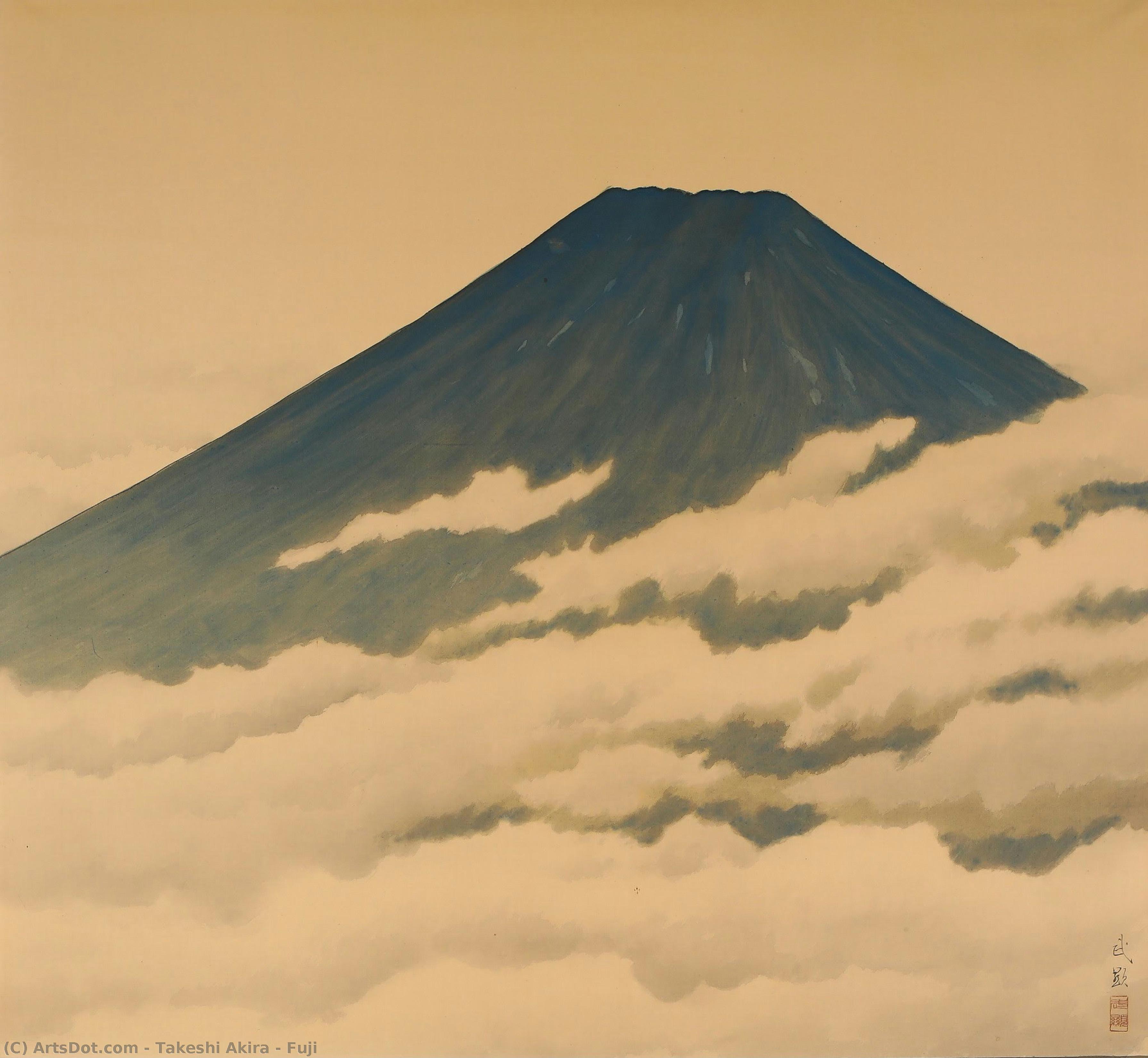
Fuji
 122.0 x 131.0 cm
 Pročitaj više
Kupite digitalnu sliku visoke rezolucije i poboljšanog kvaliteta, koja je znatno superiornija od onoga što vidite u online prikazu.
Svaka datoteka je pedantno pripremljena od strane naših stručnjaka koristeći napredne alate i profesionalnu ručnu retušu. Osiguravamo da svaka slika ima izuzetnu oštrinu, preciznu reprodukciju boja i fine detalje.
Konačna datoteka se dostavlja putem e-pošte u roku od 72 sata, optimizovana za neposrednu upotrebu u profesionalnim, izdavačkim i štamparskim okruženjima. To je isti kvalitet kojem veruju vrhunski studiji dizajna, izdavači i galerije.
Digitalna slika
Preuzmite datoteku visoke rezolucije za ličnu upotrebu, štampanje i kreativne projekte. ( Pređi na štampu Kupi ručno naslikanu sliku)
Uključeno uz svaku porudžbinu digitalne slike
Profesionalna digitalna isporuka, zagarantovana
Kada odaberete ArtsDot.com, ne dobijate samo sliku – vi primate profesionalno unapređeno digitalno umetničko delo, izrađeno sa najvećom preciznošću i uz garanciju zadovoljstva. Evo svega što automatski dolazi uz vašu porudžbinu:

Brza dostava putem e-pošte
Vaša digitalna slika visoke rezolucije biće vam poslata putem e-pošte u roku od 72 sata od poručivanja – spremna za trenutnu upotrebu.

Digitalna datoteka unapređena veštačkom inteligencijom
Vaše umetničko delo je profesionalno optimizovano korišćenjem naprednih AI alata i ručne obrade, čime se osiguravaju maksimalni detalji, oštrina i preciznost boja.

Besplatna ponovna isporuka doživotno
Slučajno ste obrisali ili izgubili svoju datoteku? Ne brinite – poslaćemo vam je ponovo u bilo kom trenutku, potpuno besplatno.

Bez troškova uvoza – zauvek
Uživajte u svojim umetničkim delima trenutno, bez carine, dažbina ili troškova dostave – digitalni download je uvek bez poreza.

Garancija vernosti boja
Uz pomoć profesionalnih alata i upravljanja bojama, osiguravamo da vaša digitalna slika što vernije odražava originalne boje.

Garancija zadovoljstva od 100 dana
Ako niste zadovoljni svojom digitalnom slikom, izvršićemo reviziju ili ćemo vam vratiti 100% novca u roku od 100 dana – bez ikakvih pitanja.

100% garancija povrata novca
Niste zadovoljni? Dobijte puni povraćaj novca u roku od 100 dana od prijema digitalne datoteke – bez suvišnih pitanja.

Popusti na velike porudžbine
Kupite 3 slike, uštedite 10% - Kupite 5 slika, uštedite 15% - Kupite 10+ slika, uštedite 20%. Odlično za kreativne projekte, galerije i agencije.
Srodna umetnička dela









Biografija umetnika
The Enigmatic Visionary: Takeshi Akira and the Cyberpunk Aesthetic
Takeshi Akira, born in Japan in 1980, is a name that resonates powerfully within the realms of manga and anime, though his existence is uniquely intertwined with the fictional universe he helped to define. While not a traditional biographical subject in the conventional sense, Akira’s impact as a character – specifically, his role within Katsuhiro Otomo's seminal work *Akira* – has cemented him as a significant figure in contemporary art and visual culture. He embodies the anxieties and aspirations of a generation grappling with technological advancement, societal decay, and the burgeoning potential of human consciousness. To understand Takeshi Akira is to delve into the heart of cyberpunk, exploring themes of psychic awakening, governmental control, and the very nature of reality itself. His story isn’t one of personal evolution documented through years of artistic practice, but rather a potent narrative woven into the fabric of Otomo's masterpiece, influencing countless artists and thinkers in its wake.A Child of Neo-Tokyo: Origins and Early Development
Within the sprawling metropolis of Neo-Tokyo, Takeshi Akira emerges as one of three espers – children possessing extraordinary psychic abilities, subjects of intense governmental scrutiny and experimentation. His early life is shrouded in secrecy, a consequence of his power and the government’s desire to weaponize it. This formative period, depicted with haunting imagery in *Akira*, establishes a core tension within the character: the struggle between individual agency and institutional control. He isn't simply a powerful being; he is a product of circumstance, molded by forces beyond his comprehension. The visual representation of these espers – often pale, ethereal figures radiating an otherworldly energy – immediately sets them apart from the gritty realism of Neo-Tokyo, hinting at their potential for both salvation and destruction. This duality becomes central to Akira’s arc, as he navigates a world teetering on the brink of collapse. The initial development of his powers is presented not as a triumphant blossoming but as a terrifying burden, isolating him from normalcy and placing him under constant observation.The Catalyst for Chaos: *Akira* and Tetsuo Shima
Takeshi Akira’s most significant contribution to the narrative lies in his connection with Tetsuo Shima, another esper whose psychic abilities spiral out of control. While Kaneda is often considered the protagonist, it is Akira's presence – both physical and metaphysical – that drives the central conflict. He serves as a focal point for Tetsuo’s escalating power, inadvertently triggering the catastrophic events that threaten to consume Neo-Tokyo. The relationship between the two espers isn’t one of mentorship or rivalry, but rather a complex interplay of fear, envy, and ultimately, destruction. Akira represents a controlled potential, while Tetsuo embodies unchecked chaos. This dynamic is visually stunningly portrayed in Otomo's work, with increasingly surreal and grotesque imagery reflecting Tetsuo’s psychic disintegration. Akira’s own passive role in the unfolding disaster highlights the dangers of unchecked power and the ethical implications of scientific experimentation. He becomes a symbol of both hope and warning, a testament to the fragility of human control in the face of overwhelming forces.Influences and Artistic Legacy
While Takeshi Akira himself isn’t an artist creating independent works, his design and narrative function are deeply rooted in a confluence of artistic influences. Otomo drew heavily from classic science fiction literature – particularly authors like Philip K. Dick – as well as Japanese folklore and mythology. The visual aesthetic of *Akira* blends the hyper-detailed realism of manga with elements of surrealism and body horror, creating a uniquely unsettling atmosphere. The character’s design reflects this blend, incorporating both futuristic elements and subtle nods to traditional Japanese iconography. Beyond *Akira*, Akira's influence can be seen in numerous subsequent works within the cyberpunk genre, including *Ghost in the Shell* and *Serial Experiments Lain*. His portrayal of psychic abilities has also resonated with artists exploring themes of consciousness, altered states, and the potential for human evolution.Historical Significance: A Cyberpunk Icon
Takeshi Akira’s enduring legacy lies not in a body of work but in his embodiment of the cyberpunk aesthetic. He represents a generation grappling with rapid technological change, societal alienation, and the anxieties surrounding unchecked power.- His character serves as a cautionary tale about the dangers of governmental control and scientific hubris.
- Akira’s psychic abilities symbolize the untapped potential – and inherent risks – of human consciousness.
- The visual representation of Akira, with its blend of futuristic elements and surreal imagery, has become iconic within the manga and anime community.
takeshi akira
1980 - , Japan
Kratke činjenice
- Artistic Movement Or Style: Cyberpunk Art
- Artists Or Movements Influenced By This Artist: ['Ghost in the Shell']
- Artists Who Influenced This Artist: ['Katsuhiro Otomo']
- Full Name: Takeshi Akira
- Nationality: Japanese
- Notable Artworks: ['Akira']
- Place Of Birth: Japan