

 Pregledaj u prostoru
 Pošalji
 Podeli
 Detalji o delu

 Преузми
 Slični predmeti
 Rendgenski snimak
 Slajdovi
 Statistika
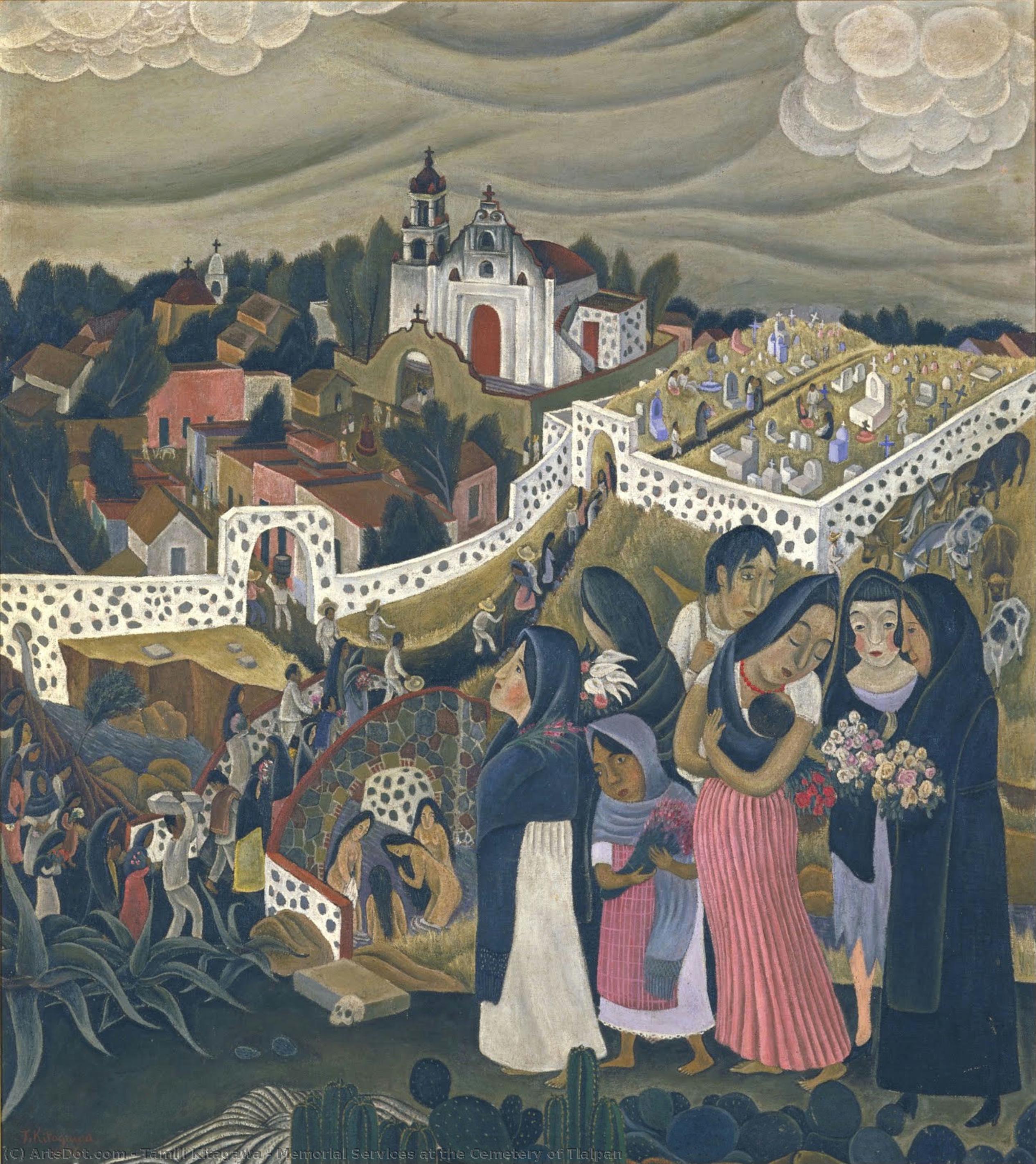
Memorial Services at the Cemetery of Tlalpan
 1930
1930 99.0 x 89.0 cm
 Nagoya City Art Museum
 Pročitaj više
Ručno rađena uljana reprodukcija
Ručno oslikano uljanim bojama na platnu u dimenzijama i okviru po vašem izboru, izrađeno po porudžbini od strane naših umetnika. ( Pređi na štampu Pređi na digitalnu sliku)




































Izaberite jednu od naših unapred definisanih veličina koje odgovaraju originalnim proporcijama umetničkog dela.

Можете унети сопствене димензије како бисте прилагодили дело одређеном оквиру или простору. Ако одабрана величина не одговара пропорцијама оригинала, слика ће бити исечена или проширена додатним елементима који се ручно насликавају. Дигитални prikaz ће вам бити послат на одобрење пре почетка производње.
Имајте на уму да преглед на екрану не одражава стварно исецање или проширење. Само приказ (mockup) ће тачно приказати коначну композицију.
Иако су доступне прилагођене величине, препоручујемо да одаберете димензију из дефинисане листе како бисте сачували оригиналне пропорције.
Nakon narudžbine, tim ArtsDot.com će klijentu putem e-pošte poslati uputstva i dostaviti prikaz predloženog rešenja
Isporuka širom sveta () za 3/4 nedelje umesto uobičajenih 5 nedelja. (10 септембар). Bez kompromisa po pitanju kvaliteta.

Besplatna ekspresna dostava širom sveta

Visokokvalitetno laneno platno

Kompletno osiguranje transporta

Garancija povraćaja carine i uvoznih dažbina

Garancija vernosti boja

Politika povraćaja u roku od 100 dana (isključivo u slučaju nedostataka)

Garancija povrata novca od 100%

Popust pri grupnoj kupovini
 Opcija sa staklom dostupna je samo za dimenzije manje od 110 cm

Memorial Services at the Cemetery of Tlalpan
Tehnika reprodukcije
Dimenzije reprodukcije
-


Konačna cena
$ 263
Srodna umetnička dela





Biografija umetnika
The Transcultural Vision of Tamiji Kitagawa
Tamiji Kitagawa (1894–1989) stands as a monumental bridge between the delicate traditions of Japanese aesthetics and the bold, revolutionary currents of Western modernism. Born in Ushio, Shizuoka prefecture, his early life was steeped in the cultural richness of Japan, yet his spirit was inherently global. After honing his intellect at Waseda University, Kitagawa embarked on a transformative journey that would forever alter the trajectory of his brushwork. His odyssey through New York City and later Mexico allowed him to weave together disparate threads of human experience—from the geometric rigor of Cubism to the social fervor of Mexican muralism—into a singular, vibrant visual language.
The artist's formative years in the United States provided the crucible for his stylistic evolution. Immersed in the bustling artistic milieu of New York, he studied at the Art Students League under masters such as John Sloan and George B. Bridgman. It was here that Kitagawa began to move beyond the boundaries of traditional Japanese ink wash painting, embracing the gritty realism of urban life and the structural innovations of Cézanne. This period instilled in him a profound understanding of how light, form, and social reality could be synthesized to create art that was both aesthetically striking and socially resonant.
A Synthesis of Muralism and Modernity
Perhaps the most defining chapter of Kitagawa’s life began in 1921, when he arrived in Mexico during a period of intense revolutionary upheaval. This encounter with Mexican muralism would become the heartbeat of his mature style. Influenced by the humanist approach of Alfredo Ramos Martínez and the social mission of the Open Air Art Schools, Kitagawa learned to use art as a tool for communal connection and political expression. His work began to pulse with the energy of the masses, blending the monumental scale and social themes of the Mexican masters with a uniquely Japanese sensitivity toward nature and space.
His ability to navigate these diverse artistic landscapes allowed him to create works that are simultaneously unsettling and serene. In pieces such as Locust and ego-portrait, one can witness the haunting intersection of Surrealism and Cubism, where bold lines and vibrant blues evoke a sense of psychological depth. Conversely, his landscapes, such as Tea garden in the woods, reveal a quieter side of his genius, capturing the tranquil essence of the Japanese countryside through a lens that has been permanently transformed by his international travels.
Legacy and Historical Significance
The historical significance of Tamiji Kitagawa lies in his refusal to be confined by national or stylistic borders. He was a true cosmopolitan of the canvas, an artist who saw no conflict between the ancient traditions of Nihonga and the avant-garde provocations of the twentieth century. His life's work serves as a testament to the power of cultural exchange, demonstrating how the fusion of different worlds can produce a new, more profound way of seeing.
Throughout his long career, Kitagawa’s achievements left an indelible mark on both Japanese and Mexican art history. He remains a pivotal figure for those studying the global spread of modernism, representing a rare moment in history where the East and West did not merely meet, but actively merged to create something entirely new. His legacy continues to inspire, inviting viewers to explore the complex beauty found at the intersection of tradition and revolution.

tamiji kitagawa
1894 - 1989 , Japan
Osnovne informacije
- Artistic Movement Or Style: Post-impressionism, Expressionism, Cubist art, Mexican muralism
- Artists Or Movements Influenced By This Artist: ['Mexican muralism']
- Artists Who Influenced This Artist:
- John Sloan
- Alfredo Ramos Martínez
- Date Of Birth: None, Japan
- Date Of Death: April 26, 1989
- Full Name: Tamiji Kitagawa
- Nationality: Japanese
- Notable Artworks:
- Tea garden in the woods
- Locust and ego-portrait
- Place Of Birth: Ushio (Shimada), Shizuoka prefecture