

 Pregledaj u prostoru
 Pošalji
 Podeli
 Detalji o delu

 Преузми
 Slični predmeti
 Rendgenski snimak
 Slajdovi
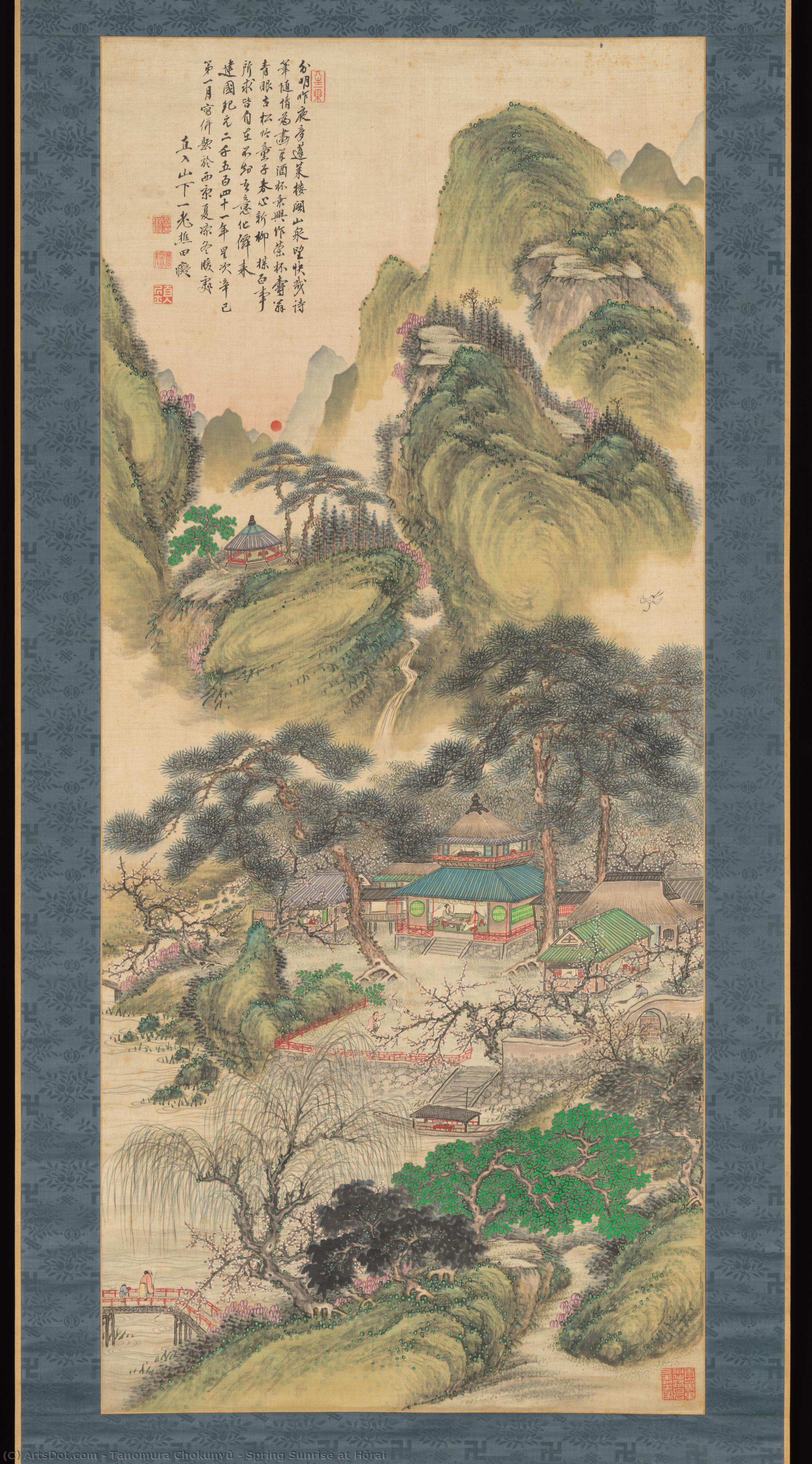
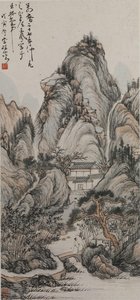
Spring Sunrise at Hōrai


 Pročitaj više
Kupite digitalnu sliku visoke rezolucije i poboljšanog kvaliteta, koja je znatno superiornija od onoga što vidite u online prikazu.
Svaka datoteka je pedantno pripremljena od strane naših stručnjaka koristeći napredne alate i profesionalnu ručnu retušu. Osiguravamo da svaka slika ima izuzetnu oštrinu, preciznu reprodukciju boja i fine detalje.
Konačna datoteka se dostavlja putem e-pošte u roku od 72 sata, optimizovana za neposrednu upotrebu u profesionalnim, izdavačkim i štamparskim okruženjima. To je isti kvalitet kojem veruju vrhunski studiji dizajna, izdavači i galerije.
Digitalna slika
Preuzmite datoteku visoke rezolucije za ličnu upotrebu, štampanje i kreativne projekte. ( Kupi print Kupi ručno naslikanu sliku)
Uključeno uz svaku porudžbinu digitalne slike
Profesionalna digitalna isporuka, zagarantovana
Kada odaberete ArtsDot.com, ne dobijate samo sliku – vi primate profesionalno unapređeno digitalno umetničko delo, izrađeno sa najvećom preciznošću i uz garanciju zadovoljstva. Evo svega što automatski dolazi uz vašu porudžbinu:

Brza dostava putem e-pošte
Vaša digitalna slika visoke rezolucije biće vam poslata putem e-pošte u roku od 72 sata od poručivanja – spremna za trenutnu upotrebu.

Digitalna datoteka unapređena veštačkom inteligencijom
Vaše umetničko delo je profesionalno optimizovano korišćenjem naprednih AI alata i ručne obrade, čime se osiguravaju maksimalni detalji, oštrina i preciznost boja.

Besplatna ponovna isporuka doživotno
Slučajno ste obrisali ili izgubili svoju datoteku? Ne brinite – poslaćemo vam je ponovo u bilo kom trenutku, potpuno besplatno.

Bez troškova uvoza – zauvek
Uživajte u svojim umetničkim delima trenutno, bez carine, dažbina ili troškova dostave – digitalni download je uvek bez poreza.

Garancija vernosti boja
Uz pomoć profesionalnih alata i upravljanja bojama, osiguravamo da vaša digitalna slika što vernije odražava originalne boje.

Garancija zadovoljstva u roku od 60 dana
Ako niste zadovoljni svojom digitalnom slikom, revidirat ćemo je ili vratiti 100% novca u roku od 60 dana – bez ikakvih pitanja.

100% garancija povrata novca
Niste zadovoljni? Obezbedite pun povrat novca u roku od 60 dana od trenutka kada ste primili svoju digitalnu datoteku – bez suvišnih pitanja.

Popusti na velike porudžbine
Kupite 3 slike, uštedite 10% - Kupite 5 slika, uštedite 15% - Kupite 10+ slika, uštedite 20%. Odlično za kreativne projekte, galerije i agencije.
Srodna umetnička dela

Biografija umetnika
Tanomura Chokunyū: Bridging Tradition and Modernity in Meiji Japan
Tanomura Chokunyū (1814-1907), a pivotal figure in late 19th-century Japanese art, stands as a testament to the dynamic interplay between tradition and innovation during the Meiji period. Born in Tokyo – though his family roots lay deeper in Bungo Province – Chokunyū’s life was inextricably linked to the legacy of his uncle, Watanabe Hoto, a prominent artist serving the influential Oka clan. This lineage provided him with an early foundation in artistic principles, ultimately shaping his distinctive style and contributing to his role as a key figure in bridging the gap between Nanga (literati painting) and burgeoning Western influences. His adopted father, Tanomura Chikuden, a master of the Nanga school, further solidified this connection, providing Chokunyū with invaluable instruction and setting him on a path that would ultimately define his artistic career.Early Life and Artistic Training
Chokunyū’s early years were marked by rigorous training under both Chikuden and Sumiyoshi Keiemon, absorbing the core tenets of Nanga painting – an aesthetic deeply rooted in Chinese literati traditions. This involved meticulous brushwork, a focus on capturing atmospheric perspective, and a preference for landscapes imbued with philosophical and poetic resonance. However, Chokunyū’s artistic journey took an unexpected turn when he encountered Kawakami Tōgai, a pioneering yōga (Western-style painting) artist. This exposure proved transformative, introducing him to Western techniques of observation, composition, and color theory. He diligently studied under Tōgai, skillfully integrating these new approaches into his existing skillset, demonstrating an exceptional ability to synthesize seemingly disparate artistic worlds. This dual training – steeped in the traditions of Nanga while embracing the innovations of yōga – is central to understanding Chokunyū’s unique and compelling style.Artistic Style and Techniques
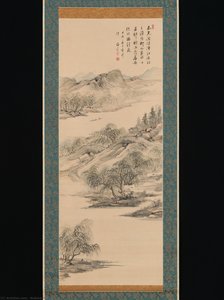
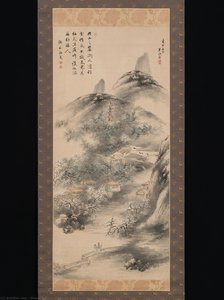
Chokunyū's artistic voice was characterized by a remarkable synthesis of traditional Japanese techniques with Western influences. He primarily worked in oil on silk or wood, mediums that allowed him to achieve both the luminous effects favored in Nanga and the richer colors associated with Western painting. His landscapes, often depicting serene mountain vistas and evocative scenes of rural life, are immediately recognizable for their atmospheric depth and subtle color palettes. He skillfully employed techniques borrowed from Chinese literati painters like Mi Wanzhong, particularly in his use of layered washes and loose brushstrokes to convey a sense of distance and atmosphere. Yet, unlike many of his contemporaries, Chokunyū didn’t simply mimic these styles; he adapted them to his own sensibility, imbuing them with a distinctly Japanese aesthetic. His compositions often feature a carefully considered balance between the monumental scale of Chinese landscape painting and the more intimate perspective favored in Western art.Membership in the Meiji Bijutsukai and Contributions to Nanga
A significant milestone in Chokunyū’s career was his membership in the Meiji Bijutsukai (the Imperial Art Association), established in 1871 as Japan's first domestic art association dedicated to promoting Western-style painting. This association, a key driver of modernization and cultural exchange during the Meiji era, provided Chokunyū with a platform to showcase his work alongside other leading artists experimenting with yōga techniques. Despite embracing Western influences, he remained firmly committed to Nanga traditions, contributing significantly to its evolution. He played a crucial role in preserving and revitalizing this venerable style, ensuring its continued relevance within the broader Japanese art landscape. His work on the kanō school style art movement page highlights his mastery of traditional japanese painting techniques.Legacy and Historical Significance
Tanomura Chokunyū’s legacy extends far beyond his individual artistic achievements. He embodies the spirit of adaptation and innovation that defined Japan's transformation during the Meiji period. His ability to seamlessly blend traditional Nanga aesthetics with Western techniques represents a pivotal moment in Japanese art history, demonstrating a willingness to embrace change while remaining deeply rooted in cultural heritage. His contributions to the Meiji Bijutsukai helped shape the trajectory of modern Japanese painting, and his work continues to be studied and admired for its beauty, technical skill, and profound reflection of a nation undergoing rapid modernization. His influence can also be seen in the rise of Nihonga (Japanese-style painting) as a distinct movement responding to the increasing prominence of yōga. Chokunyū’s life and work serve as a powerful reminder of the dynamic interplay between tradition and innovation, and his place within Japanese art history is secure as a bridge between two worlds.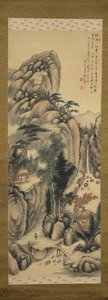
tanomura chokunyū 田能村直入
1814 - 1907 , Japan
Kratke činjenice
- Artistic Movement Or Style: Nanga & Nihonga blend
- Artists Or Movements Influenced By This Artist:
- Kanō School
- Nihonga movement
- Artists Who Influenced This Artist:
- Tanomura Chokuryō
- Sumiyoshi Keiemon
- Kawakami Tōgai
- Date Of Birth: March 31, 1814
- Date Of Death: 1907
- Full Name: Tanomura Chokunyū 田能村直入
- Nationality: Japanese
- Notable Artworks:
- White Clouds and Crimson Trees
- Mountain View and Blue Water
- Place Of Birth: Tokyo, Japan

