 Pregledaj u prostoru
 Pošalji
 Podeli
 Detalji o delu

 Преузми
 Slični predmeti
 Rendgenski snimak
 Slajdovi
 Statistika
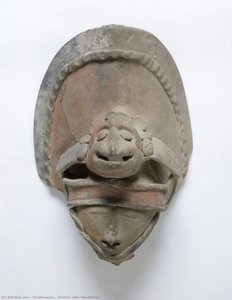
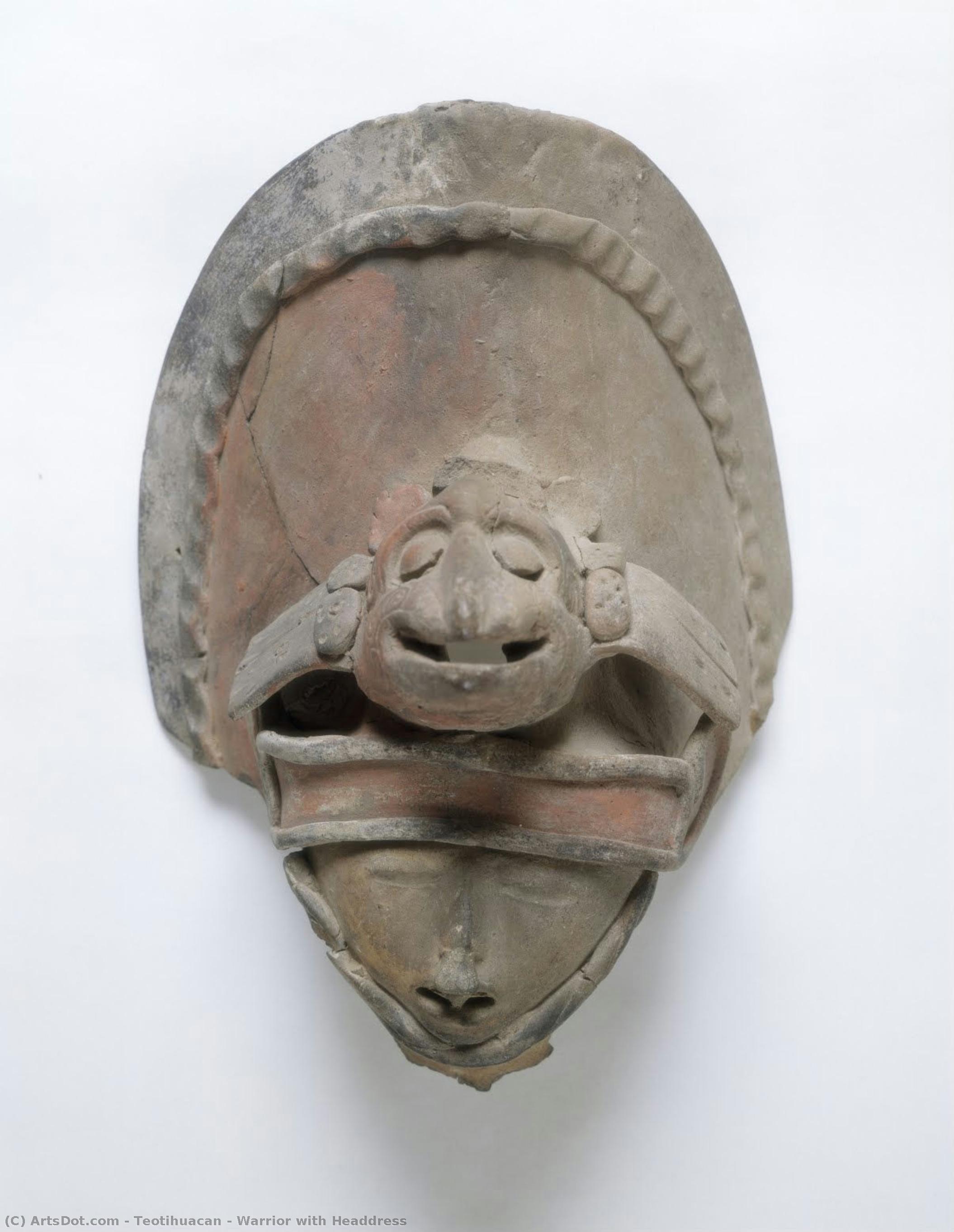
Велика Богиња Теотихуакана


 Pročitaj više
Ručno rađena uljana reprodukcija
Ručno oslikano uljanim bojama na platnu u dimenzijama i okviru po vašem izboru, izrađeno po porudžbini od strane naših umetnika. ( Pređi na štampu Pređi na digitalnu sliku)




P118B $10

P118H $10

P118W $10

P438Z $10

P508JH $12

P508YH $12

P805H $10

P805Z $10

P919BZ $10

P919G $10

P919XJ $10

P959ZH $10

P968JZ $12

W106C $8

W218G $10

W218JH $8

W218Y $10

W307PJ $10

W316G $10

W316PJ $8

W316Y $10

W398PJ $8

W4111J $10

W500HY $15

W500JH $15

W692G $12

W849H $8

W940BG $15

W953PJ $8




Izaberite jednu od naših unapred definisanih veličina koje odgovaraju originalnim proporcijama umetničkog dela.

Можете унети сопствене димензије како бисте прилагодили дело одређеном оквиру или простору. Ако одабрана величина не одговара пропорцијама оригинала, слика ће бити исечена или проширена додатним елементима који се ручно насликавају. Дигитални prikaz ће вам бити послат на одобрење пре почетка производње.
Имајте на уму да преглед на екрану не одражава стварно исецање или проширење. Само приказ (mockup) ће тачно приказати коначну композицију.
Иако су доступне прилагођене величине, препоручујемо да одаберете димензију из дефинисане листе како бисте сачували оригиналне пропорције.
Nakon narudžbine, tim ArtsDot.com će klijentu putem e-pošte poslati uputstva i dostaviti prikaz predloženog rešenja
Isporuka širom sveta () za 3/4 nedelje umesto uobičajenih 5 nedelja. (9 септембар). Bez kompromisa po pitanju kvaliteta.

Besplatna ekspresna dostava širom sveta

Visokokvalitetno laneno platno

Kompletno osiguranje transporta

Garancija povraćaja carine i uvoznih dažbina

Garancija vernosti boja

Politika povraćaja u roku od 100 dana (isključivo u slučaju nedostataka)

Garancija povrata novca od 100%

Popust pri grupnoj kupovini
 Opcija sa staklom dostupna je samo za dimenzije manje od 110 cm

Велика Богиња Теотихуакана
Tehnika reprodukcije
Dimenzije reprodukcije
-


Konačna cena
$ 263
The Enigmatic Great Goddess of Teotihuacan
Teotihuacan’s artistic legacy is profoundly shaped by its enigmatic Great Goddess—a figure whose precise identity and significance continue to fascinate scholars and inspire artists alike. Unlike many deities worshipped in Mesoamerica, the Great Goddess doesn't possess a readily identifiable counterpart in later Aztec mythology; instead, she embodies a complex tapestry of vegetal fertility, maternal protection, and subtle warfare—themes that resonate powerfully across cultures and epochs. Her presence is felt throughout Teotihuacan’s monumental architecture and vibrant murals, cementing her place as one of the city’s most enduring symbols.- Discovery and Initial Interpretation: The Great Goddess emerged from the Tepantitla compound murals—a revelation that challenged prevailing understandings of Teotihuacan religion. Initially championed by Alfonso Caso, who equated her with Tlaloc, the rain god, subsequent research spearheaded by Esther Pasztory argued for a feminine deity representing vegetation and fertility, predating Xochiquetzal, the Aztec goddess of flowers and beauty.
- Symbolism and Iconography: The iconography surrounding the Great Goddess is remarkably consistent across Teotihuacan sites—a bird headress adorned with descending fangs, symbolizing both vigilance and fecundity; jewelry featuring jade treasures representing prosperity and divine favor; and flowing water signifying nourishment and renewal. These elements collectively convey a message of harmonious balance between life-giving forces and protective guardianship.
- Technique and Material Culture: Teotihuacan artisans employed sophisticated ceramic techniques, utilizing slip casting to achieve remarkable detail and luminosity—particularly evident in the monumental statues discovered near the Pyramid of Moon. The meticulous application of pigment—primarily shades of green and yellow—further enhanced the visual impact of these artworks, reflecting a deep understanding of color theory and artistic expression.
A Legacy Beyond Teotihuacan’s Walls
Despite Teotihuacan's eventual decline around 550 CE, its influence extended far beyond the city limits—evident in the veneration of the Virgin Mary centuries later. Janet Catherine Berlo posits that the Great Goddess’ warlike aspect was adopted by Huītzilōpōchtli, the Aztec protector god—a striking parallel demonstrating the enduring power of archetypal imagery and mythic narratives. Furthermore, Berlo suggests that the Great Goddess's symbolism continues to inspire artistic interpretations today, reflecting a timeless fascination with themes of motherhood, resilience, and transformation.- Connections to Later Cultures: The Great Goddess’s image appears on Stela 1 from Xochicalco—a Toltec city contemporaneous with Teotihuacan—suggesting that her symbolism transcended regional boundaries and persisted throughout Mesoamerican history.
- Contemporary Interpretations: Artists today draw inspiration from the Great Goddess's iconography, exploring themes of feminine strength, ecological harmony, and spiritual contemplation. Her enduring presence serves as a reminder of the profound artistic achievements of ancient civilizations and their capacity to communicate universal truths across time and space.
The Great Goddess: A Reflection of Teotihuacan’s Soul
Ultimately, the Great Goddess embodies the essence of Teotihuacan—a city that fostered a complex worldview rooted in reverence for nature and divine protection. Her multifaceted symbolism speaks to fundamental human concerns about fertility, sustenance, and safeguarding one's heritage. The meticulous craftsmanship evident in her monumental statues—particularly those unearthed near the Pyramid of Moon—testifies to Teotihuacan’s artistic prowess and its unwavering commitment to creating artworks that resonate with beauty, power, and enduring significance. Studying this enigmatic deity offers a window into understanding not only Teotihuacan's past but also its timeless contribution to human creativity and spiritual contemplation.Srodna umetnička dela


Biografija umetnika
Teotihuacan: A Legacy in Stone
Teotihuacan represents not an individual artist, but a powerful ancient Mesoamerican city and civilization that flourished in what is now Mexico. This biography explores its rise, achievements, and enduring legacy.
Origins and Historical Context
Located in the Valley of Mexico, approximately 40 kilometers (25 miles) northeast of modern-day Mexico City, Teotihuacan began as a religious center around 100 BCE. Its major monuments were continuously constructed until roughly 250 CE. The city reached its zenith between 150 and 450 CE, becoming the largest in the Americas with an estimated population exceeding 125,000.
Urban Planning and Architecture
Teotihuacan was meticulously planned, showcasing advanced urban design. Key features included:
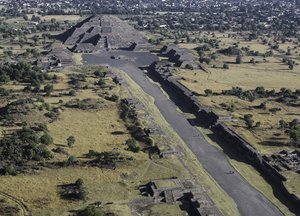
- The Avenue of the Dead: A central thoroughfare stretching over a mile long, flanked by monumental structures.
- Pyramid of the Sun: One of the largest buildings in Mesoamerica, likely dedicated to a deity associated with solar power.
- Pyramid of the Moon: Situated at the northern end of the Avenue of the Dead, possibly dedicated to a lunar or fertility goddess.
- Residential Compounds: Complex multi-family dwellings accommodating a significant portion of the population.
Artistic Style and Themes
Teotihuacan art is characterized by:
- Monumental Murals: Vibrant, well-preserved murals depicting religious iconography, deities, and cosmological beliefs. These murals provide invaluable insights into Teotihuacan worldview.
- Sculptural Representations: Stone sculptures of gods, animals, and human figures, often adorned with elaborate headdresses and ornamentation.
- Obsidian Craftsmanship: The city was a major producer of finely crafted obsidian tools and artifacts, traded throughout Mesoamerica.
Influences and Cultural Impact
Teotihuacan exerted considerable influence over much of Mesoamerica:
- Religious Beliefs: Its pantheon of deities and cosmological concepts spread to other cultures, including the Maya.
- Architectural Styles: Teotihuacan’s architectural innovations influenced building designs in various regions.
- Trade Networks: The city controlled extensive trade routes, distributing obsidian, pottery, and other goods across a wide area.
Decline and Collapse
The reasons for Teotihuacan's decline remain debated. Around 550 CE, the city experienced widespread destruction, with its major monuments sacked and burned. Possible contributing factors include:
- Internal Strife: Social unrest or political instability may have weakened the city’s foundations.
- Environmental Factors: Prolonged drought or other environmental changes could have disrupted agricultural production.
- External Invasion: Although evidence is limited, some scholars suggest an external invasion played a role.
Legacy and Historical Significance
Despite its eventual collapse, Teotihuacan left an indelible mark on Mesoamerican history:
- Inspiration for Later Cultures: The Aztecs revered Teotihuacan as a sacred city, claiming ancestry with its inhabitants.
- Archaeological Insights: Ongoing archaeological research continues to reveal new information about this fascinating civilization.
- A Testament to Human Ingenuity: Teotihuacan stands as a remarkable example of urban planning, artistic achievement, and cultural complexity in the pre-Columbian Americas. Its ruins continue to captivate and inspire awe today.
teotihuacan
Mexico
Osnovne informacije
- Birth_Place: Mexico
- Influenced:
- Aztec civilization
- Maya civilization
- Movement: Pre-Columbian Mesoamerican
- Name: Teotihuacan
- Nationality: Mexican
- Notable Works:
- Pyramid of the Sun
- Pyramid of the Moon
- Avenue of the Dead
- Mural fragments (Feathered Serpent)
Povezani članci

25 Remek-dela Joana Miróa: Inspiracija za Umetnost i Dekor Vašeg Doma
Uronite u svet Joana Miróa! Otkrijte 25 remek-dela katalonskog nadrealiste i inspiraciju za moderan enterijer. Reprodukcije slika vrhunskog kvaliteta dostupne na ArtsDot.com. Eksplorišite celu kolekciju online!
Diego Rivera: A Revolutionary Vision of Mexican Identity Through Muralism
Explore the revolutionary murals of Diego Rivera and his profound impact on Mexican art & identity. Discover his techniques, iconic works like 'Man at the Crossroads,' and lasting legacy with ArtsDot.

Grahame Sydney: Evoking Otago's Soul Through Light & Landscape
Explore the captivating landscapes of Sir Grahame Sydney, a leading New Zealand artist renowned for his magic realism & evocative depictions of Otago's beauty. Discover key works and delve into his artistic legacy.
Golden Hour on the Nile: Symbolism & Artistic Legacy of Egyptian Sunsets
Explore the rich symbolism of Egyptian sunset paintings & their artistic legacy. Discover how color, ritual, and landscape shaped ancient beliefs – a guide for discerning collectors.
Embodying the Polis: Civic Virtue as Subject & Symbol in Western Art
Explore the fascinating history of civic virtue in Western art! From ancient Greece to the French Revolution, discover how artists depicted ideals of citizenship, duty & republicanism. Expert analysis at ArtsDot.