

 Pregledaj u prostoru
 Pošalji
 Podeli
 Detalji o delu

 Преузми
 Slični predmeti
 Rendgenski snimak
 Slajdovi
 Statistika
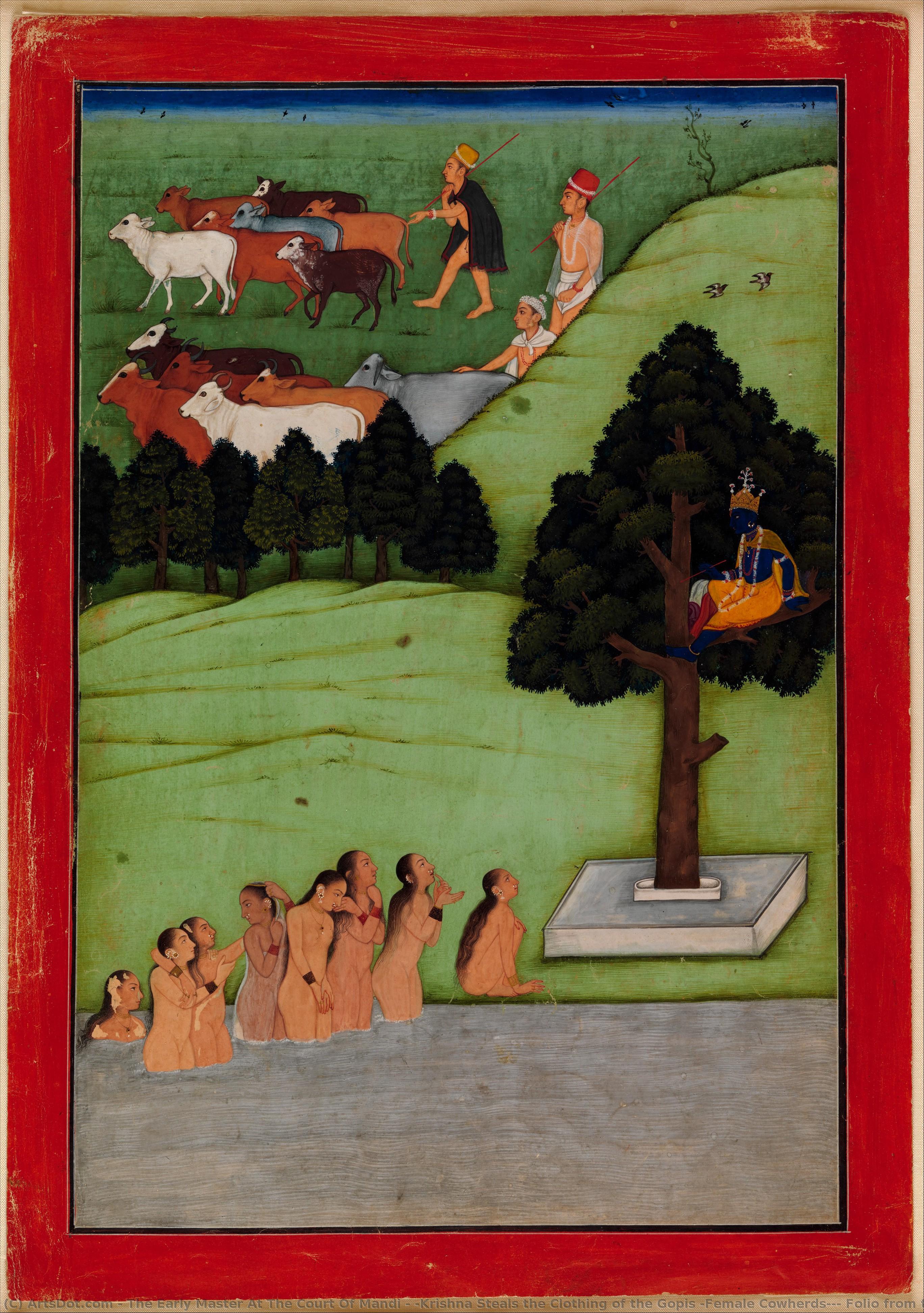
"Krishna Steals the Clothing of the Gopis (Female Cowherds)", Folio from the Devotional Text of the Bhagavata Purana


 Pročitaj više
Giclee štampa / Umetnički otisak
Giclée štampa ili print na platnu muzejskog kvaliteta uz brzu proizvodnju i fleksibilne opcije završne obrade. ( Kupi ručno naslikanu sliku Pređi na digitalnu sliku)




P118B $10

P118H $10

P118W $10

P438Z $10

P508JH $12

P508YH $12

P805H $10

P805Z $10

P919BZ $10

P919G $10

P919XJ $10

P959ZH $10

P968JZ $12

W106C $8

W218G $10

W218JH $8

W218Y $10

W307PJ $10

W316G $10

W316PJ $8

W316Y $10

W398PJ $8

W4111J $10

W500HY $15

W500JH $15

W692G $12

W849H $8

W940BG $15

W953PJ $8




Izaberite jednu od naših unapred definisanih veličina koje odgovaraju originalnim proporcijama umetničkog dela.

Možete uneti sopstvene dimenzije kako biste umetničko delo prilagodili specifičnom okviru ili prostoru. Ako odabrani format ne odgovara proporcijama originalne slike, mi ćemo ili iscrtati deo dela ili proširiti sliku pomoću ogledane ivice ili jednobojnog popunjavanja. Digitalni prikaz će vam biti poslat na odobrenje pre početka proizvodnje.
Imajte na umu da pregled na ekranu ne odražava stvarno iscrtavanje ili proširivanje. Samo će prikaz (mockup) precizno pokazati finalnu kompoziciju.
Iako su prilagođene dimenzije dostupne, preporučujemo da odaberete dimenziju sa unapred definisane liste kako biste očuvali originalne proporcije.
Dostava širom sveta () za 2 nedelje umesto uobičajenih 4/5 nedelja. (10 септембар)

Besplatna ekspresna dostava širom sveta

Visokokvalitetno laneno platno

Kompletno osiguranje transporta

Garancija povraćaja carine i uvoznih dažbina

Garancija vernosti boja

Politika povraćaja u roku od 100 dana (isključivo u slučaju nedostataka)

Garancija povrata novca od 100%

Popust pri grupnoj kupovini
 Opcija sa staklom dostupna je samo za dimenzije manje od 110 cm

"Krishna Steals the Clothing of the Gopis (Female Cowherds)", Folio from the Devotional Text of the Bhagavata Purana
Giclee štampa / Umetnički otisak
Dimenzije reprodukcije
-


Konačna cena
$ 62
A Divine Encounter in the Verdant Hills of Mandi
In the delicate, luminous strokes of this 1640 masterpiece, we are transported to a sacred moment of profound spiritual intimacy. The painting, titled "Krishna Steals the Clothing of the Gopis (Female Cowherds)," serves as a breathtaking folio from the devotional text of the Bhagavata Purana. At its heart lies a scene of divine mischief and transcendent devotion: Krishna, the enchanting Divine Cowherd, has playfully spirited away the garments of the bathing gopis. This is not merely an act of theft, but a powerful allegory for the soul's surrender to the Divine. As the gopis shiver in the cool air, their vulnerability is met with a complex tapestry of emotions—a mixture of earthly modesty and a burgeoning, ecstatic delight in their connection to their Lord.
The artistry of the Early Master at the Court of Mandi breathes life into this mythological episode through an exquisite use of color and composition. The landscape is defined by a lush, verdant green background that rises toward a high horizon line, creating a sense of an enclosed, sacred grove. This emerald expanse is populated with small, delicate figures and trees characterized by their slender, exposed trunks and intricate branches, which frame the central drama. The master’s hand is unmistakable in the refined facial features of the female figures, whose expressions capture the subtle nuances of devotion and bashfulness, making the scene feel both deeply personal and cosmically significant.
Mastery of Detail and Symbolic Harmony
Beyond the human drama, the painting celebrates the interconnectedness of all living beings within the divine play. Scattered throughout the composition are cows, some grazing peacefully on the lush grass while others rest in quiet contemplation. These animals are not mere background elements; they are integral to the pastoral sanctity of the scene, grounding the spiritual allegory in a tangible, naturalistic world. The interplay between the figures, the livestock, and the landscape creates a rhythmic movement that guides the viewer's eye across the watercolor surface, discovering new layers of detail with every glance.
For the discerning collector or interior designer, this artwork offers more than just visual beauty; it provides a focal point of profound narrative depth. The technique—a masterful application of watercolor—allows for a transparency and light that mimics the very essence of the divine presence. Whether placed in a curated gallery setting or as a centerpiece in a sophisticated living space, this reproduction brings with it an aura of serenity and historical grandeur. It is a piece that invites contemplation, offering a window into the 17th-century Pahari tradition where every brushstroke serves to illuminate the eternal dance between the human spirit and the divine.
Srodna umetnička dela
Biografija umetnika
Rembrandt Harmenszoon van Rijn: A Life Illuminated
Rembrandt, a name synonymous with profound emotion and masterful technique, stands as one of the towering figures in Western art history. Born on July 15, 1606, in Leiden, Netherlands, Rembrandt’s journey was marked by both extraordinary success and periods of intense personal struggle – experiences that profoundly shaped his artistic vision. His early training began with a local glass painter, a surprisingly formative influence that instilled within him an appreciation for light, shadow, and the delicate intricacies of detail. This foundation would prove crucial as he navigated the vibrant, competitive world of 17th-century Dutch painting. Rembrandt’s career unfolded against the backdrop of the Dutch Golden Age, a period of unprecedented prosperity and artistic flourishing, yet one also characterized by religious upheaval and social change. He quickly established himself as a portrait painter, capturing the likenesses of wealthy merchants, civic officials, and members of the gentry – works that initially brought him considerable acclaim and financial stability. However, Rembrandt’s ambition extended far beyond mere portraiture; he sought to explore the full spectrum of human experience, delving into biblical narratives, mythological scenes, and intimate glimpses into everyday life.Early Works and Influences
Rembrandt's early artistic development was profoundly influenced by the Italian Old Masters – artists like Michelangelo, Raphael, and Caravaggio – whose works he encountered during his travels to Italy in 1631-32. This exposure ignited a passion for dramatic lighting, dynamic compositions, and a deep understanding of human anatomy. He also drew inspiration from the work of his Dutch contemporaries, particularly Jan van der Heyden, known for his innovative use of etching techniques and detailed depictions of urban scenes. The influence of Nicolas Poussin is evident in Rembrandt’s later works, particularly his landscapes which demonstrate a careful study of perspective and an ability to evoke atmosphere through subtle color variations. Rembrandt's early portraits, such as *The Storm on the Sea of Galilee* (1635-38), showcase his burgeoning talent for capturing psychological depth and conveying intense emotion – qualities that would become hallmarks of his mature style. The dramatic use of light and shadow, a technique known as chiaroscuro, creates a sense of movement and drama, drawing the viewer into the scene.The Mature Master: Biblical Narratives and Psychological Depth
As Rembrandt matured as an artist, he increasingly turned to biblical subjects, transforming them into deeply personal and emotionally resonant works. *The Return of the Prodigal Son* (1669), for example, is not merely a depiction of a religious parable but a poignant meditation on forgiveness, redemption, and familial love. Similarly, *Belshazzar’s Feast* (1642) transcends its historical context to become a powerful allegory about vanity, greed, and the inevitability of fate. Rembrandt's genius lay in his ability to infuse these narratives with universal human emotions – joy, sorrow, fear, hope – making them accessible and relatable to viewers across centuries. He employed a technique of “impaio,” or “shadowing,” to create a sense of depth and volume, particularly in the faces of his subjects, further enhancing their psychological complexity. His self-portraits, beginning around 1640, are perhaps the most revealing testament to this ability – offering an unflinching glimpse into the artist’s own aging face, reflecting both his physical decline and his enduring artistic spirit.Technique and Innovation
Rembrandt was a master of multiple mediums, excelling in painting, etching, and drawing. His etchings, particularly *The Night Watch* (1642) and *The Hundred Guilder Print* (1654), are renowned for their remarkable detail, dramatic lighting, and innovative use of texture. He experimented with various techniques – drypoint, aquatint, and etching direct – to achieve a wide range of tonal effects and visual textures. His mastery of oil painting is equally impressive, evident in works such as *The Anatomy Lesson* (1632) and *Night Watch*, which demonstrate his ability to capture the nuances of human anatomy, the play of light on surfaces, and the subtle expressions of emotion. Rembrandt’s innovative approach to composition – often employing asymmetrical arrangements and unconventional perspectives – further distinguished his work from that of his contemporaries.Legacy and Historical Significance
Rembrandt's influence on subsequent generations of artists is immeasurable. His emphasis on psychological realism, dramatic lighting, and emotional intensity paved the way for developments in Romanticism and beyond. His works continue to be studied and admired by art historians, critics, and viewers alike, serving as a powerful reminder of the enduring power of art to illuminate the human condition. Despite facing financial difficulties and personal tragedies later in life, Rembrandt remained dedicated to his craft until his death on October 4, 1669, leaving behind a vast and profoundly moving body of work that secures his place as one of the greatest artists in history. His legacy is not just one of technical brilliance but also of profound empathy and an unwavering commitment to capturing the complexities of human experience.
the early master at the court of mandi
1637 - 1664 , India
Osnovne informacije
- Artistic Movement Or Style: Baroque, Dutch Golden Age
- Artists Or Movements Influenced By This Artist:
- Nicolas Poussin
- Jacques-Louis David
- Artists Who Influenced This Artist:
- Titian
- Peter Paul Rubens
- Date Of Birth: July 15, 1606
- Date Of Death: October 4, 1669
- Full Name: Rembrandt Harmenszoon van Rijn
- Nationality: Dutch
- Notable Artworks:
- The Night Watch
- Belshazzar’s Feast
- The Return of the Prodigal Son
- Place Of Birth: Leiden, Netherlands
Povezani članci

Watercolor Wonders: 10 Masterpieces That Redefined Art History | ArtsDot
Journey through 10 legendary watercolor masterpieces by Sargent, Turner & Homer! Explore iconic landscapes, portraits & floral art that redefined history. Find museum-quality reproductions and curated decor ideas at ArtsDot.com.

Ephemeral Visions: Exploring the History & Emotional Resonance of Watercolor Painting
Explore the captivating history of watercolor painting, from ancient techniques to modern masters like Kandinsky & Blake. Discover essential artists, collecting tips & the emotional power of this luminous medium. Expert insights for art enthusiasts.
Акварел кроз векове: Историјски развој, технике и савремена пракса
Истражите историју акварела, технике и савремене трендове уз стручне увиде ArtsDot-а. Сазнајте више о познатим уметницима и материјалима за сликање акварелом. Купите квалитетне репродукције или наручите персонализовани портрет!
Ephemeral Visions: Exploring the Artistic Legacy & Nuances of Watercolor Painting
Explore the captivating world of watercolor painting! Discover its rich history, essential techniques, influential artists & collecting tips from art experts. A comprehensive guide for enthusiasts.

Ephemeral Visions: Exploring the Artistic Legacy & Contemporary Practice of Watercolor Painting
Explore the captivating world of watercolor painting! Discover its rich history, essential techniques, influential artists & collecting tips. A comprehensive guide for art enthusiasts from ArtsDot.