

 Pregledaj u prostoru
 Pošalji
 Podeli
 Detalji o delu

 Преузми
 Slični predmeti
 Rendgenski snimak
 Slajdovi
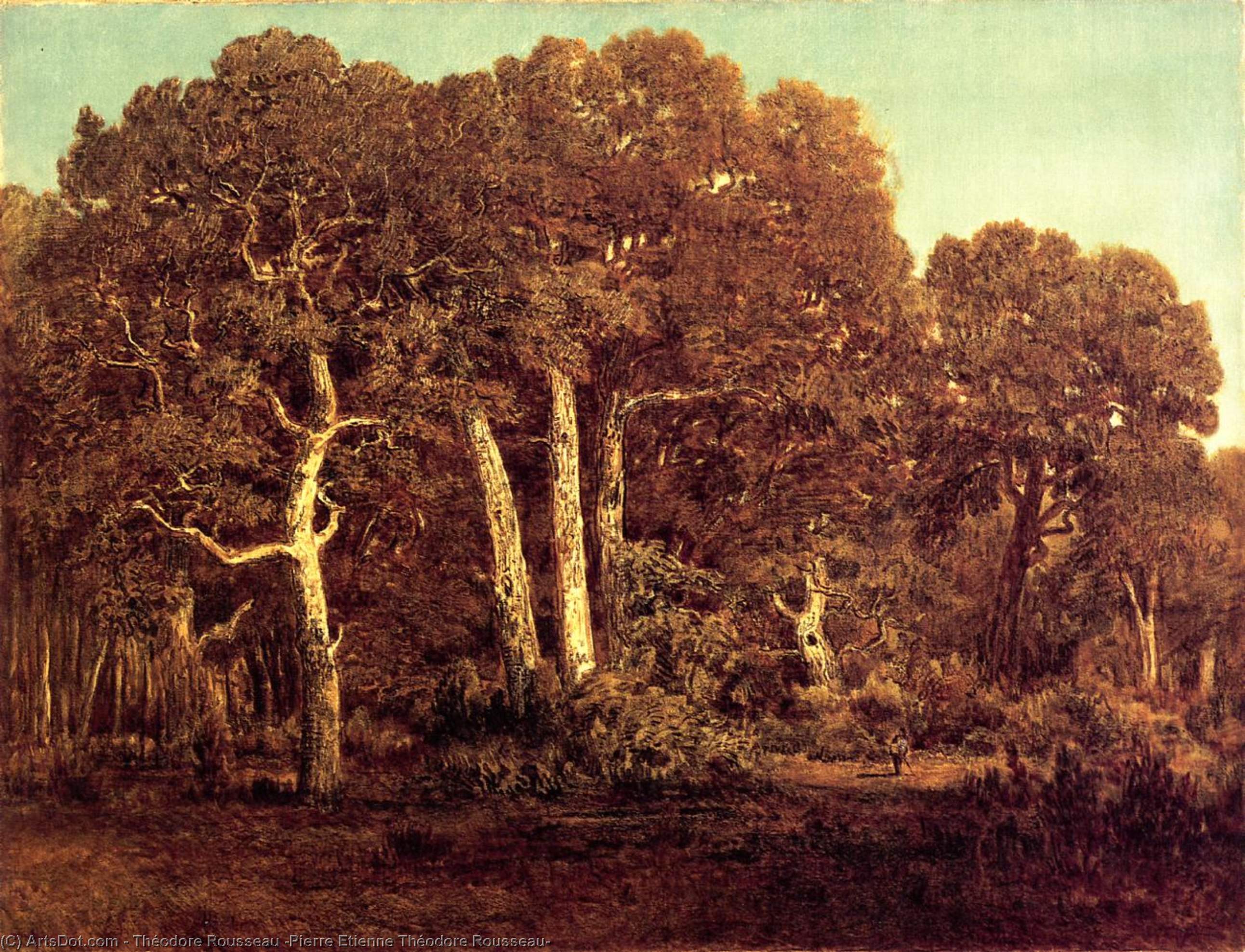
The Great Oaks of the Vieux Bas-Breau


 Pročitaj više
Giclee štampa / Umetnički otisak
Giclée štampa ili print na platnu muzejskog kvaliteta uz brzu proizvodnju i fleksibilne opcije završne obrade. ( Kupi ručno naslikanu sliku Kupi digitalnu sliku)




P118B $10

P118H $10

P118W $10

P438Z $10

P508JH $12

P508YH $12

P805H $10

P805Z $10

P919BZ $10

P919G $10

P919XJ $10

P959ZH $10

P968JZ $12

W106C $8

W218G $10

W218JH $8

W218Y $10

W307PJ $10

W316G $10

W316PJ $8

W316Y $10

W398PJ $8

W4111J $10

W500HY $15

W500JH $15

W692G $12

W849H $8

W940BG $15

W953PJ $8




Izaberite jednu od naših unapred definisanih veličina koje odgovaraju originalnim proporcijama umetničkog dela.

Možete uneti sopstvene dimenzije kako biste umetničko delo prilagodili specifičnom okviru ili prostoru. Ako odabrani format ne odgovara proporcijama originalne slike, mi ćemo ili iscrtati deo dela ili proširiti sliku pomoću ogledane ivice ili jednobojnog popunjavanja. Digitalni prikaz će vam biti poslat na odobrenje pre početka proizvodnje.
Imajte na umu da pregled na ekranu ne odražava stvarno iscrtavanje ili proširivanje. Samo će prikaz (mockup) precizno pokazati finalnu kompoziciju.
Iako su prilagođene dimenzije dostupne, preporučujemo da odaberete dimenziju sa unapred definisane liste kako biste očuvali originalne proporcije.
Dostava širom sveta () za 2 nedelje umesto uobičajenih 4/5 nedelja. (6 септембар)

Besplatna ekspresna dostava širom sveta

Visokokvalitetno laneno platno

Kompletno osiguranje transporta

Garancija povraćaja carine i uvoznih dažbina

Garancija vernosti boja

Politika povrata u roku od 100 dana (samo u slučaju nedostataka)

Garancija povrata novca od 100%

Popust pri grupnoj kupovini
 Opcija sa staklom dostupna je samo za dimenzije manje od 110 cm

The Great Oaks of the Vieux Bas-Breau
Giclee štampa / Umetnički otisak
Dimenzije reprodukcije
-


Konačna cena
$ 62
A Window into a Verdant Soul: Exploring Théodore Rousseau’s “The Great Oaks of the Vieux Bas-Breau”
Théodore Rousseau's "The Great Oaks of the Vieux Bas-Breau," painted in 1864, isn’t merely a landscape; it’s an immersion. This monumental oil on canvas transports us to a secluded grove within the French countryside, a place where light and shadow dance amongst towering trees and a subtle human presence hints at the enduring connection between humanity and nature. The painting immediately evokes a sense of profound tranquility, a feeling intensified by Rousseau's masterful manipulation of color, texture, and atmospheric perspective – hallmarks of the Barbizon School’s dedication to capturing the essence of rural life.
Rousseau, a key figure in this influential artistic movement, rejected the polished surfaces and idealized forms favored by earlier academic painters. Instead, he embraced a more direct approach, working *en plein air* (outdoors) to intimately observe and record the nuances of light and texture on canvas. This commitment is strikingly evident here; the brushstrokes are loose and expressive, building up layers of color with a palpable physicality. The trees themselves aren’t rendered as static forms but rather as dynamic entities, their rough bark and intricate foliage brought to life through careful observation and skillful application of paint. The artist's deliberate use of impasto – thick applications of paint – adds an incredible tactile quality, inviting the viewer to almost reach out and touch the weathered surface of the ancient oaks.
Decoding the Composition: Depth, Scale, and a Hint of Humanity
The composition is deliberately layered, creating a powerful sense of depth. The foreground explodes with a dense array of trees, each varying in size and form, drawing the eye into the heart of the forest. These towering giants dominate the scene, their verticality reinforcing a feeling of grandeur and timelessness. A small figure, positioned near the lower right corner, provides a crucial element of scale – a solitary observer lost within this vast natural expanse. This subtle inclusion isn’t about depicting a specific individual; rather, it serves to remind us of our own place within the larger tapestry of nature, prompting contemplation on human insignificance and the enduring power of the wilderness.
The use of color is equally significant. Rousseau employs a muted palette – predominantly greens, browns, and grays – creating an atmosphere of subdued light and shadow. The dappled sunlight filtering through the canopy casts long, dramatic shadows across the forest floor, adding to the painting’s sense of mystery and depth. Notice how he subtly shifts tones to suggest distance; the background trees appear paler and less defined, further enhancing the illusion of space.
A Barbizon Masterpiece: Context and Symbolism
“The Great Oaks of the Vieux Bas-Breau” is firmly rooted in the Barbizon School’s philosophy – a reaction against the rigid conventions of academic art. The Barbizon painters sought to capture the spirit of rural life, emphasizing the beauty and dignity of nature. Rousseau's work reflects this ethos, celebrating the raw power and inherent spirituality of the landscape. The title itself, “The Great Oaks of the Vieux Bas-Breau,” hints at a specific location – an area in France known for its ancient trees – adding a layer of historical context and grounding the painting within a tangible place.
Beyond its aesthetic qualities, the painting carries symbolic weight. Forests have long been associated with mystery, wisdom, and the subconscious mind. Here, Rousseau invites us to contemplate our relationship with nature, prompting questions about our role in the natural world and the importance of preserving these precious landscapes for future generations. The solitary figure serves as a reminder of humanity’s connection to this ancient realm.
Bringing “The Great Oaks” Home: Reproductions and Artistic Legacy
Reproductions of "The Great Oaks of the Vieux Bas-Breau" offer a remarkable opportunity to bring this iconic artwork into your home or office. ArtsDot.com offers meticulously crafted, hand-painted oil reproductions that faithfully capture the painting’s original beauty and atmosphere. These high-quality reproductions are not merely copies; they are works of art in their own right, celebrating Rousseau's legacy and ensuring that this timeless masterpiece continues to inspire for generations to come. For those seeking a deeper understanding of Rousseau and the Barbizon School, resources like Wikipedia and the links provided offer valuable insights into his life, work, and artistic influences.
Srodna umetnička dela
Biografija umetnika
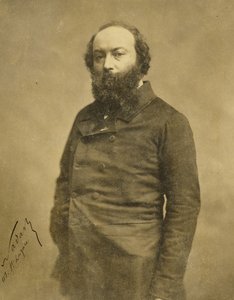
Teodor Ruso: Duša šume
Etjen Pjer Teodor Ruso (1812–1867) predstavlja temelj francuske škole Barbizon, umetničkog pokreta koji je zastupao realizam i slavio veličinu ruralnih pejzaža. Rođen u Parizu u građanskoj porodici, Rusoov rani život obeležio je otac koji se u početku protivio sinovoj strasti prema umetnosti – osećanje koje se na kraju ublažilo kada je ugledao Rusoovu nepokolebljivu posvećenost svom zanatu. Ova porodična podrška ispostavila se ključnom dok je Ruso plovio turbulentnim vodama pariskih umetničkih krugova i suočavao se sa čestim odbijanjima od strane autoriteta Salona, institucija koje su bile poznate po otporu ka avantgardnim idejama.- Rano obrazovanje i uticaji: Rusoovo početno umetničko obrazovanje bilo je skromno, ali je ubrzo pokazao izuzetan talenat. Prepoznajući njegovu sposobnost, otac ga je ohrabrio da se ozbiljno posveti slikarstvu, dajući mu prednost nad poslovnim poduhvatima. On je upijao uticaje umetnika poput Žan-Fransoa Milea i Ogusta Delakroa, čiji su prikazi seljačkog života i dramatičnih pejzaže, respektivno, u njemu usadili duboko poštovanje prema hvatanju same suštine prirode.
- Škola Barbizon i umetnička filozofija: Rusoova umetnička vizija bila je usredsređena na prikazivanje prirodnog sveta sa nepokolebljivom preciznošću. Odbacujući idealizovane prikaze koje je favorizovao romantizam, on je prihvatio estetiku Barbizona – karakterisane prigušenim bojama, skiciranim potezima četkice i fokusom na atmosfersku perspektivu – kako bi preneo emocionalni uticaj pejzaža. Verovao je da umetnost treba da služi kao posrednik u posmatranju i razumevanju prirode, odražavajući njenu uzvišenu lepotu.
- Značajna dela: Ruso je stekao značajnu slavu tokom svog veka, obezbeđujući narudžbine od istaknutih pokrovitelja i redovno izlažući na Salonu. Među njegovim najslavnijim slikama nalaze se „Veliki hrastovi starog Bas-Breoa“, monumentalni prikaz drevnog drveća okupanog zlatnom svetlošću; „Pogled na Pui de Dom i Rojat“, koji prikazuje zadivljujući zalazak sunca iznad vulkanskih vrhova Francuske; i „La Grenouillère“ – dirljiv prikaz piknika na reci Loari, prožet melanhololičnom lepotom.
- Uticaj na impresionizam: Rusoova nepokolebljiva posvećenost realizmu duboko je uticala na naredne umetničke pokrete. Iako je prethodio impresionizmu, njegov pionirski pristup slikarstvu pejzaža otvorio je put umetnicima poput Kloda Monea i Pjera-Ogusta Renoara koji su nastojali da uhvate prolazne trenutke svetlosti i boje — što je predstavljao odmak od Rusoovog pedantnog posmatranja prirodnih fenomena.
Teodor Ruso
1812 - 1867 , Francuska
Osnovne informacije
- Artistic Movement Or Style: Barbizon škola
- Artists Or Movements Influenced By This Artist: ['Impresionizam']
- Artists Who Influenced This Artist: ['Žan-Fransom Mile']
- Date Of Birth: 15. april 1812.
- Date Of Death: 22. decembar 1867.
- Full Name: Étienne Pierre Théodore Rousseau
- Nationality: Francusko
- Notable Artworks:
- Les Chênes d'Apremont
- Veliki hrastovi Vieux Bas-Breau
- Place Of Birth: Pariz, Francuska
Povezani članci
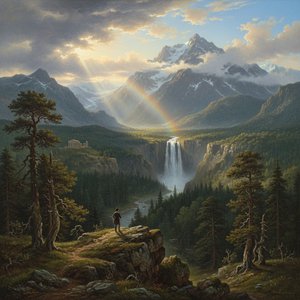
Evoking Nature's Sublime: A Comprehensive Exploration of 19th-Century Landscape Painting
Explore the captivating world of 19th-century landscape painting! Discover renowned artists like Friedrich & Monet, key movements, and find the perfect artwork to bring nature's serenity into your home. Expert insights at ArtsDot.
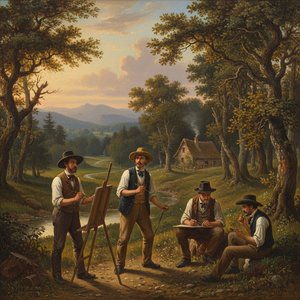
The Barbizon School: Pioneering Realism & the Pastoral Vision in 19th-Century French Painting
Explore the Barbizon School's pivotal role in 19th-century French painting. Discover how these artists revolutionized landscape art with their commitment to Realism and a profound connection to nature. Learn about key figures like Rousseau, Millet & Corot.

Glavna dela koja su definisala Romantični pejzaž: 10 remek-dela za vaš dom
Otkrijte 10 remek-dela romantičnog pejzažnog slikarstva! Uronite u svet Claude Lorraina, Caspara David Friedricha i Turnera. Ispričane priče umetnosti, inspiracija za dekoraciju doma. Kvalitetne reprodukcije na ArtsDot.com – istražite celu kolekciju online!
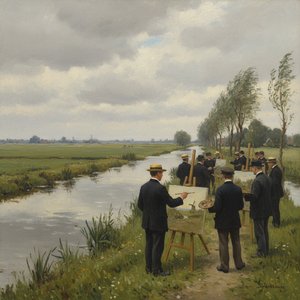
The Hague School: Realism, Atmosphere & the Dawn of Dutch Impressionism
Explore the Hague School's pivotal role in Dutch art history. Discover realism, atmospheric landscapes & its influence on Impressionism. Learn about key artists like Mauve & Maris with ArtsDot.
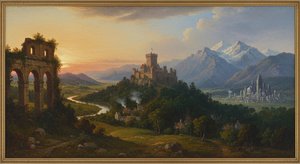
Evocations of Place: A Historical Journey Through Landscape Art
Explore the rich history of landscape art with ArtsDot. Discover renowned artists, movements like Impressionism & tonalism, and expert guidance for collecting timeless pieces. Find your perfect serene escape today!