

 Pošalji
 Podeli
 Detalji o delu

 Преузми
 Slični predmeti
 Slajdovi
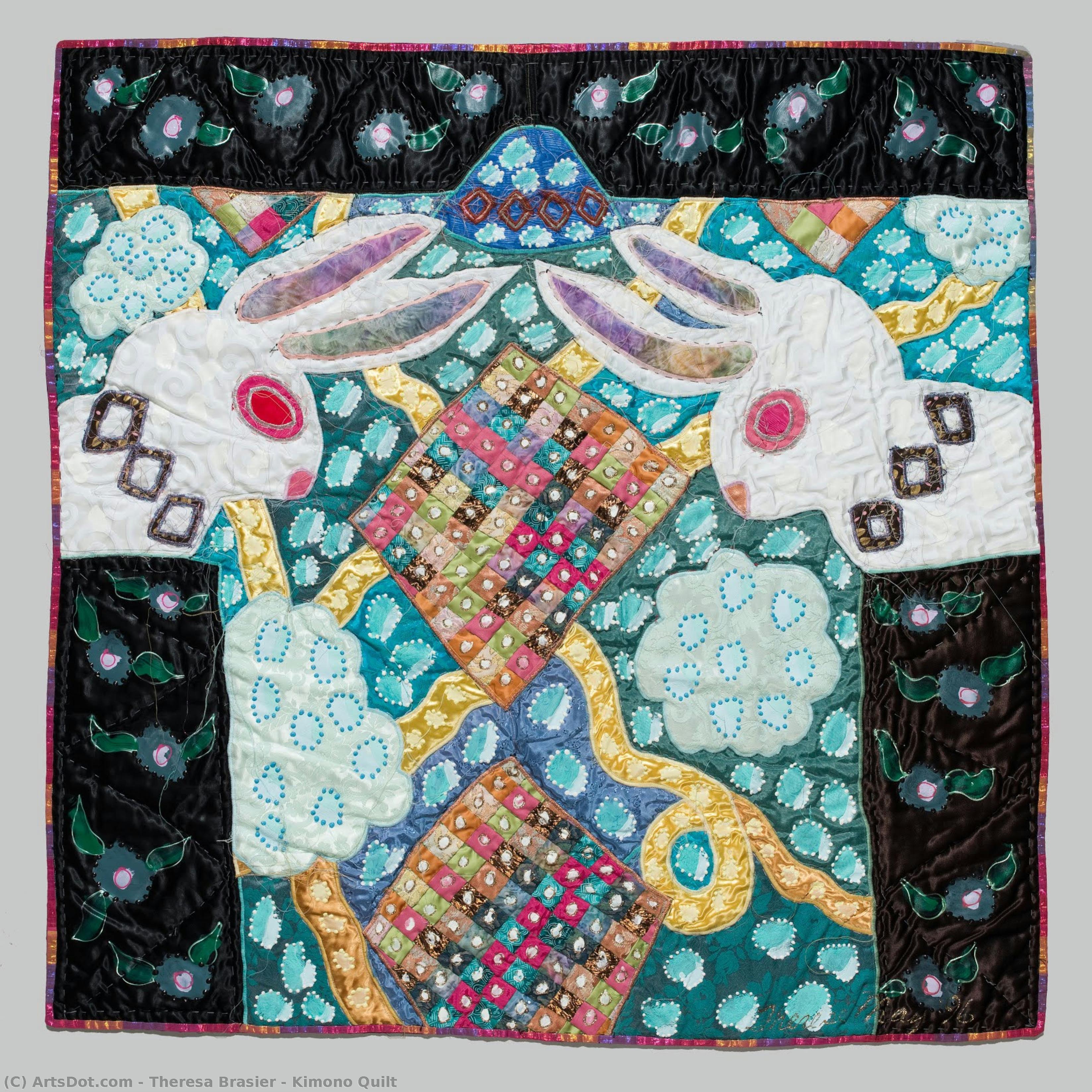
Kimono Quilt


 Pročitaj više
Kupite digitalnu sliku visoke rezolucije i poboljšanog kvaliteta, koja je znatno superiornija od onoga što vidite u online prikazu.
Svaka datoteka je pedantno pripremljena od strane naših stručnjaka koristeći napredne alate i profesionalnu ručnu retušu. Osiguravamo da svaka slika ima izuzetnu oštrinu, preciznu reprodukciju boja i fine detalje.
Konačna datoteka se dostavlja putem e-pošte u roku od 72 sata, optimizovana za neposrednu upotrebu u profesionalnim, izdavačkim i štamparskim okruženjima. To je isti kvalitet kojem veruju vrhunski studiji dizajna, izdavači i galerije.
Digitalna slika
Preuzmite datoteku visoke rezolucije za ličnu upotrebu, štampanje i kreativne projekte. ( Kupi print Kupi ručno naslikanu sliku)
Uključeno uz svaku porudžbinu digitalne slike
Profesionalna digitalna isporuka, zagarantovana
Kada odaberete ArtsDot.com, ne dobijate samo sliku – vi primate profesionalno unapređeno digitalno umetničko delo, izrađeno sa najvećom preciznošću i uz garanciju zadovoljstva. Evo svega što automatski dolazi uz vašu porudžbinu:

Brza dostava putem e-pošte
Vaša digitalna slika visoke rezolucije biće vam poslata putem e-pošte u roku od 72 sata od poručivanja – spremna za trenutnu upotrebu.

Digitalna datoteka unapređena veštačkom inteligencijom
Vaše umetničko delo je profesionalno optimizovano korišćenjem naprednih AI alata i ručne obrade, čime se osiguravaju maksimalni detalji, oštrina i preciznost boja.

Besplatna ponovna isporuka doživotno
Slučajno ste obrisali ili izgubili svoju datoteku? Ne brinite – poslaćemo vam je ponovo u bilo kom trenutku, potpuno besplatno.

Bez troškova uvoza – zauvek
Uživajte u svojim umetničkim delima trenutno, bez carine, dažbina ili troškova dostave – digitalni download je uvek bez poreza.

Garancija vernosti boja
Uz pomoć profesionalnih alata i upravljanja bojama, osiguravamo da vaša digitalna slika što vernije odražava originalne boje.

Garancija zadovoljstva od 100 dana
Ako niste zadovoljni svojom digitalnom slikom, izvršićemo reviziju ili ćemo vam vratiti 100% novca u roku od 100 dana – bez ikakvih pitanja.

100% garancija povrata novca
Niste zadovoljni? Dobijte puni povraćaj novca u roku od 100 dana od prijema digitalne datoteke – bez suvišnih pitanja.

Popusti na velike porudžbine
Kupite 3 slike, uštedite 10% - Kupite 5 slika, uštedite 15% - Kupite 10+ slika, uštedite 20%. Odlično za kreativne projekte, galerije i agencije.
Srodna umetnička dela
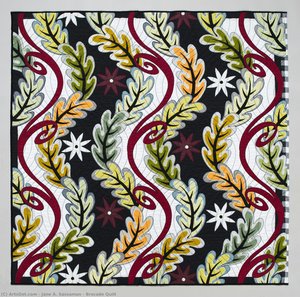
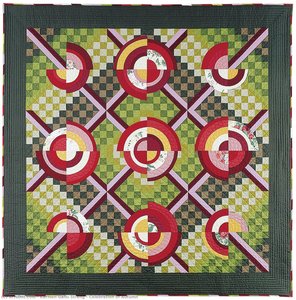
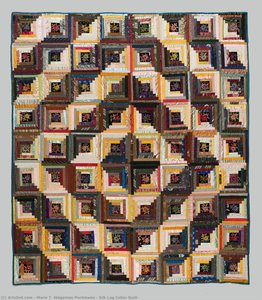
Biografija umetnika
Paul Jackson Pollock: A Revolutionary in Paint
Jackson Pollock, born January 28, 1912, in Cody, Wyoming, and tragically dying August 11, 1956, near Springs, Long Island, remains one of the most iconic and debated figures in 20th-century art. More than just a painter, he was a revolutionary who fundamentally altered our understanding of what painting could be – shifting from representation to an exploration of process, gesture, and pure visual experience. His legacy continues to resonate today, influencing countless artists and shaping the trajectory of modern and contemporary art.
Pollock’s early life was marked by constant movement. Born into a family of Scots-Irish farmers, he spent his childhood traversing the American West and Southwest with his father, a government surveyor. This itinerant upbringing instilled in him a sense of restlessness and an appreciation for diverse cultures – particularly Native American traditions, which subtly informed his artistic sensibilities. He enrolled at Los Angeles’ Manual Arts High School but was expelled, a formative experience that fueled his rebellious spirit. He later studied at the Art Students League in New York City under Thomas Hart Benton, absorbing elements of the Regionalist style before ultimately forging his own distinct path.
The Emergence of Drip Painting and Action Painting
Pollock’s artistic breakthrough occurred in 1947, a pivotal year that saw him abandon traditional painting methods. He began experimenting with pouring and dripping thinned enamel paint onto large canvases laid flat on the floor of his studio – a radical departure from the easel-based approach prevalent at the time. This technique, dubbed “drip painting” or “action painting,” wasn’t about meticulously applying color to create an image; it was about embracing chance, spontaneity, and the physical act of creation itself. As he famously stated, "When I am in my painting, I'm not aware of what I’m doing."
His process involved using sticks, brushes, and even syringes to manipulate the paint, allowing it to flow and spread across the canvas with minimal intervention. The resulting works – pieces like *Number 1, 1950* (1950), *Convergence* (1952), and *Autumn Rhythm (Number 30)* (1952) – are characterized by their all-over composition, dense layers of color, and a sense of dynamic energy. Critics initially reacted with skepticism, dismissing his work as chaotic and random, but this perspective gradually shifted as Pollock’s influence grew.
Influences and Artistic Context
Pollock's artistic development was shaped by a confluence of influences. The Surrealist movement, particularly the emphasis on the subconscious and automatic drawing techniques, provided a conceptual framework for his exploration of spontaneity. His exposure to Mexican muralism, with its bold colors and social commentary, instilled in him a sense of scale and ambition. Furthermore, his engagement with Jungian psychology, facilitated by Dr. Joseph Henderson, encouraged him to delve into the emotional depths of his work.
He was also deeply influenced by the burgeoning Abstract Expressionist movement, which emerged in New York during the late 1940s. Artists like Mark Rothko and Willem de Kooning were pushing the boundaries of painting, exploring themes of emotion, spirituality, and existential angst. Pollock’s work aligned with this broader trend, contributing to a new era of American art that prioritized individual expression and formal experimentation.
Legacy and Historical Significance
Despite his tragically short life – cut short by a car accident at age 44 – Jackson Pollock left an indelible mark on the art world. His innovative techniques, radical approach to painting, and unwavering commitment to artistic freedom challenged conventional notions of representation and paved the way for subsequent generations of artists. His work continues to be celebrated for its dynamism, energy, and profound exploration of the creative process.
MoMA’s acquisition of *Number 1, 1950* in 1948 marked a turning point in Pollock's career, establishing him as a major figure in American art. His retrospective exhibitions at MoMA in 1967 and 1998-1999 cemented his legacy as one of the most important artists of the 20th century. Today, his paintings command staggering prices at auction, and his influence can be seen across a wide range of artistic disciplines – from painting and sculpture to performance art and installation.

theresa brasier
1956 - , United Kingdom
Kratke činjenice
- Artistic Movement Or Style: Abstract Expressionism”
- Artists Or Movements Influenced By This Artist:
- Lee Krasner
- Gutai Group
- Minimalism
- Date Of Birth: January 28, 1912
- Date Of Death: August 11, 1956
- Drip Painting: Action painting
- Full Name: Paul Jackson Pollock
- Nationality: American
- Number 17a",
"No. 5, 1948",
"Mural On Indian Red Ground",
"Autumn Rhythm (Number 30)",
"Convergence",
"Blue Poles"
],
"Artists Who Influenced This Artist:
- Thomas Hart Benton
- David Alfaro Siqueiros
- José Clemente Orozco
- Pablo Picasso
- Place Of Birth: Cody, Wyoming, USA
- All-Over Painting: Notable artworks