

 Pregledaj u prostoru
 Pošalji
 Podeli
 Detalji o delu

 Преузми
 Slični predmeti
 Rendgenski snimak
 Slajdovi
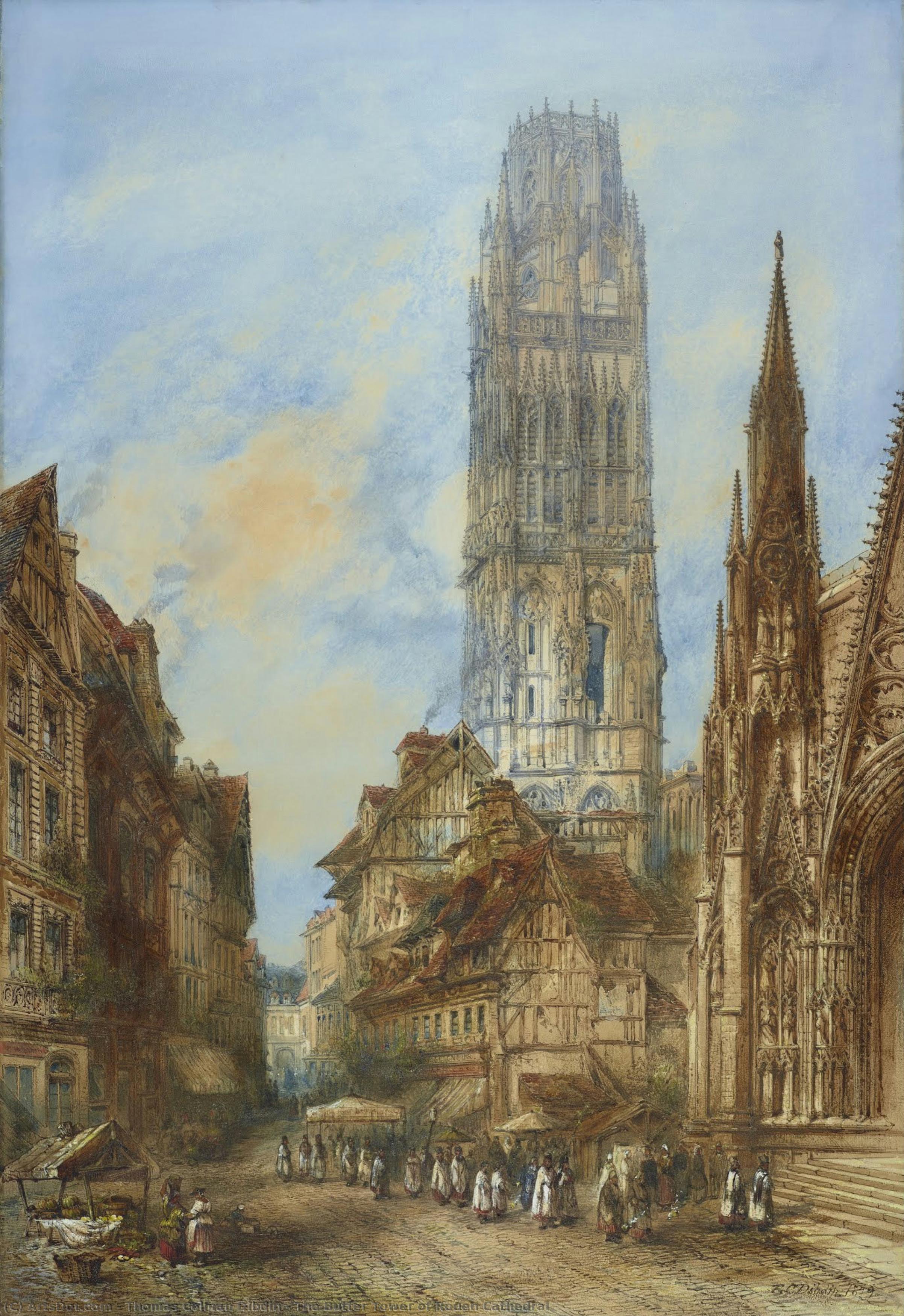
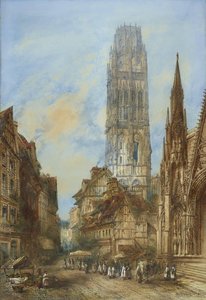
The Butter Tower of Rouen Cathedral
 Watercolor
- WallArt
- Romanticism
 1879
1879- 19th Century
 151.0 x 114.0 cm
 Art Gallery of New South Wales
 Pročitaj više
Ručno rađena uljana reprodukcija
Ručno oslikano uljanim bojama na platnu u dimenzijama i okviru po vašem izboru, izrađeno po porudžbini od strane naših umetnika. ( Kupi print Kupi digitalnu sliku)




P118B $10

P118H $10

P118W $10

P438Z $10

P508JH $12

P508YH $12

P805H $10

P805Z $10

P919BZ $10

P919G $10

P919XJ $10

P959ZH $10

P968JZ $12

W106C $8

W218G $10

W218JH $8

W218Y $10

W307PJ $10

W316G $10

W316PJ $8

W316Y $10

W398PJ $8

W4111J $10

W500HY $15

W500JH $15

W692G $12

W849H $8

W940BG $15

W953PJ $8




Izaberite jednu od naših unapred definisanih veličina koje odgovaraju originalnim proporcijama umetničkog dela.

Можете унети сопствене димензије како бисте прилагодили дело одређеном оквиру или простору. Ако одабрана величина не одговара пропорцијама оригинала, слика ће бити исечена или проширена додатним елементима који се ручно насликавају. Дигитални prikaz ће вам бити послат на одобрење пре почетка производње.
Имајте на уму да преглед на екрану не одражава стварно исецање или проширење. Само приказ (mockup) ће тачно приказати коначну композицију.
Иако су доступне прилагођене величине, препоручујемо да одаберете димензију из дефинисане листе како бисте сачували оригиналне пропорције.
Nakon narudžbine, tim ArtsDot.com će klijentu putem e-pošte poslati uputstva i dostaviti prikaz predloženog rešenja
Isporuka širom sveta () za 3/4 nedelje umesto uobičajenih 5 nedelja. (28 август). Bez kompromisa po pitanju kvaliteta.

Besplatna ekspresna dostava širom sveta

Visokokvalitetno laneno platno

Kompletno osiguranje transporta

Garancija povraćaja carine i uvoznih dažbina

Garancija vernosti boja

Politika povrata u roku od 60 dana (samo u slučaju nedostataka)

Garancija povrata novca od 100%

Popust pri grupnoj kupovini
 Opcija sa staklom dostupna je samo za dimenzije manje od 110 cm

The Butter Tower of Rouen Cathedral
Tehnika reprodukcije
Dimenzije reprodukcije
-


Konačna cena
$ 263
A Window into Nineteenth-Century Normandy
In his evocative watercolor, The Butter Tower of Rouen Cathedral, Thomas Colman Dibdin invites the viewer to step through a portal of time, transporting them to the bustling, cobblestone heart of Normandy. The scene is far more than a mere architectural study; it is a living, breathing tapestry of 19th-century European life. At the center of this composition stands the magnificent Tour de Beurre, a structure whose very name whispers tales of medieval piety and indulgence. Dibdin masterfully captures the way the sunlight dances across the intricate Gothic details of the tower, contrasting its soaring, stone permanence against the transient, rhythmic movement of the street below. Through his delicate brushwork, we witness a religious procession winding its way toward the south transept, a moment of spiritual gravity set against the mundane vitality of horses, carriages, and townspeople navigating the narrow lanes.
The atmosphere of the piece is defined by a sense of nostalgic grandeur. Dibdin, a master of topographical realism, utilizes the fluid medium of watercolor to achieve a luminous quality that mimics the soft, diffused light characteristic of Northern France. There is a profound sense of movement in the way he renders the figures and animals; they are not static portraits but part of a continuous, swirling energy that defines the town's character. For the collector or interior designer, this painting offers a sophisticated focal point that brings a sense of historical depth and European charm to any space. It evokes the romanticism of an era long passed, making it an ideal selection for those looking to infuse a room with a feeling of cultured wanderlust and timeless elegance.
The Artistry of Observation and Detail
Technically, Dibdin’s work is a testament to his profound dedication to careful observation. As the author of A Guide to Watercolor Painting, he possessed an unparalleled understanding of how to manipulate pigment to create depth, texture, and atmosphere. In this particular work, his ability to balance the heavy, imposing presence of the cathedral with the light, airy details of the surrounding half-timbered houses is nothing short of extraordinary. He employs subtle washes of color to suggest the weathered textures of stone and wood, while sharper, more precise strokes define the silhouettes of the crowd and the rhythmic motion of the carriages.
The emotional impact of the painting lies in its ability to evoke a sense of "place." It does not merely show us Rouen; it makes us feel the weight of its history and the pulse of its streets. The juxtaposition of the sacred—represented by the towering cathedral and the solemn procession—with the secular—the daily commerce and movement of the town—creates a compelling narrative tension. This duality makes the artwork particularly resonant for modern interiors, where it can serve as a meditative piece that encourages contemplation of history, architecture, and the enduring beauty of the human spirit within the landscape.
Srodna umetnička dela
Biografija umetnika
The Meticulous Vision of Thomas Colman Dibdin
In the golden age of nineteenth-century topographical realism, few artists possessed the quiet, observant eye of Thomas Colman Dibdin. Born in the serene landscape of Betchworth, Surrey, in 1810, Dibdin’s path to artistic mastery was far from conventional. Before he ever held a brush with professional intent, he navigated the structured world of bureaucracy as a postal clerk. Yet, beneath this mundane exterior lay an innate fascination with the nuances of light and the intricate textures of the natural world—a passion that would eventually lead him to become one of the most respected watercolorists of his era.
Dibdin’s true artistic awakening occurred in his late twenties, sparking a period of profound exploration. He did not merely paint what he saw; he sought to understand the very soul of his subjects through rigorous study. His travels through France, Germany, and Belgium allowed him to absorb the burgeoning influences of Romanticism and the early whispers of Impressionism. This exposure refined his ability to capture atmosphere, transforming simple landscapes into living, breathing chronicles of European life. Whether rendering the Gothic grandeur of Normandy or the bustling streets of a continental town, Dibdin’s work remained anchored in a deep, respectful commitment to detail.
A Legacy of Instruction and Exploration
Beyond his personal canvases, Dibdin left an indelible mark on the art community through his dedication to teaching and literature. In 1845, he published “A Guide to Watercolor Painting,” a seminal work that served as both a technical manual and a manifesto for the medium. Through this text, he championed the idea that successful artistry is rooted in careful, disciplined observation. His influence extended into the very fabric of art education when he collaborated with his father-in-law, the famed polymath William Henry Fox Talbot, to establish Sydenham College. Here, Dibdin acted as a mentor, imparting his sophisticated techniques to a new generation of painters and fostering a culture of precision.
His geographical reach was equally impressive, stretching from the rugged fortifications of Gibraltar to the exotic landscapes of India. While much of his Indian oeuvre was composed in England, these works were born from meticulous sketches taken during his expeditions, capturing the breathtaking beauty of Mughal architecture with an almost archaeological accuracy. In Gibraltar, his paintings such as “Commercial Square” and “South Barracks From Rosia Bay” stand as vital historical records. In these pieces, he masterfully balanced the monumental scale of military architecture with the delicate, transient movement of daily life, using muted tones to evoke a sense of timelessness.
The Enduring Spirit of Topographical Realism
The significance of Thomas Colman Dibdin lies in his ability to marry the scientific precision of topography with the emotional resonance of fine art. He did not merely document locations; he captured the atmosphere of an era. His mastery of the watercolor medium allowed him to manipulate light and moisture, creating luminous effects that mimicked the soft, diffused sunlight of Northern Europe or the harsh, brilliant clarity of a Mediterranean afternoon.
As we look back upon his life and contributions, several key elements define his enduring importance:
- Technical Mastery: His profound understanding of watercolor as an expressive tool for capturing light and texture.
- Educational Impact: His role as a published authority and teacher who helped shape the standards of nineteenth-century painting.
- Historical Documentation: His ability to preserve the architectural and social landscapes of Gibraltar, India, and Europe through a realistic lens.
- Philosophical Depth: A lifelong commitment to the belief that true art is born from the marriage of disciplined observation and creative sensitivity.
Though he passed away in Sydenham in 1893, Dibdin’s work continues to invite viewers into a vanished world. His paintings remain more than mere images; they are portals through time, offering a sophisticated glimpse into the beauty, complexity, and grandeur of the nineteenth-century landscape.
Thomas Colman Dibdin
1810 - 1893 , United Kingdom
Osnovne informacije
- Artistic Movement Or Style: Watercolor Painting
- Artists Or Movements Influenced By This Artist: ['Florence Nightingale']
- Date Of Birth: 1810
- Full Name: Thomas Robert Colman Dibdin
- Nationality: English
- Notable Artworks:
- Commercial Square
- South Barracks From Rosia Bay
- Place Of Birth: Betchworth, United Kingdom
Povezani članci

Watercolor Wonders: 10 Masterpieces That Redefined Art History | ArtsDot
Journey through 10 legendary watercolor masterpieces by Sargent, Turner & Homer! Explore iconic landscapes, portraits & floral art that redefined history. Find museum-quality reproductions and curated decor ideas at ArtsDot.com.

Ephemeral Visions: Exploring the Artistic Legacy & Contemporary Practice of Watercolor Painting
Explore the captivating world of watercolor painting! Discover its rich history, essential techniques, influential artists & collecting tips. A comprehensive guide for art enthusiasts from ArtsDot.

Ephemeral Visions: Exploring the History & Emotional Resonance of Watercolor Painting
Explore the captivating history of watercolor painting, from ancient techniques to modern masters like Kandinsky & Blake. Discover essential artists, collecting tips & the emotional power of this luminous medium. Expert insights for art enthusiasts.

Ephemeral Visions: Exploring the Artistic Legacy & Nuances of Watercolor Painting
Explore the captivating world of watercolor painting! Discover its rich history, essential techniques, influential artists & collecting tips from art experts. A comprehensive guide for enthusiasts.
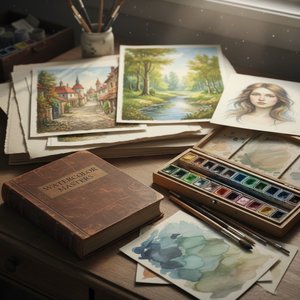
Акварел кроз векове: Историјски развој, технике и савремена пракса
Истражите историју акварела, технике и савремене трендове уз стручне увиде ArtsDot-а. Сазнајте више о познатим уметницима и материјалима за сликање акварелом. Купите квалитетне репродукције или наручите персонализовани портрет!

