The Legacy of Sir Robin Darwin: A Tapestry of Tradition and Modernity
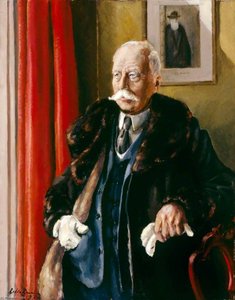
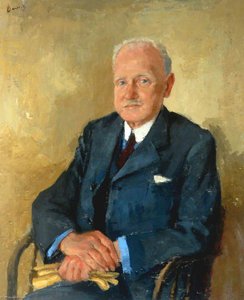
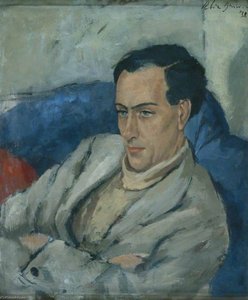
In the grand lineage of British art, few figures possess a heritage as intellectually profound as Sir Robin Darwin. Born in 1910, Darwin carried within him the weight of scientific curiosity and artistic rigor, being the great-grandson of the legendary naturalist Charles Darwin. This ancestral connection to observation and the meticulous study of the natural world became the cornerstone of his creative identity. His early life was shaped by a unique duality; while he was grounded in the classical drawing techniques instilled by his father, the celebrated golf writer Bernard Darwin, he was simultaneously drawn toward the burgeoning avant-garde movements that were reshaping the European landscape during the interwar period.
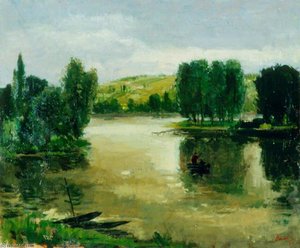
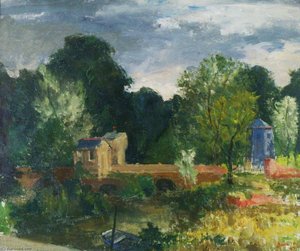
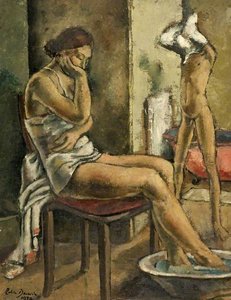
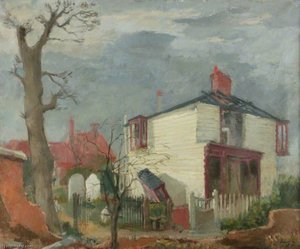
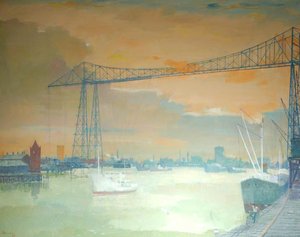
Darwin’s artistic journey was far from a linear progression through academic realism. Instead, it was an evocative exploration of light, texture, and emotion. His education at the Slade School of Fine Art provided him with a formidable technical foundation, yet his spirit sought something more expressive. This search led him to find profound inspiration in the Group of Seven Canadian artists, whose emphasis on the raw intensity of landscape painting left an indelible mark on his style. Through this influence, Darwin began to move away from rigid representation, embracing instead a more fluid, impressionistic approach characterized by bold brushwork and a daring, unconventional color palette that breathed life into his subjects.
A Life Defined by Service and Artistic Leadership
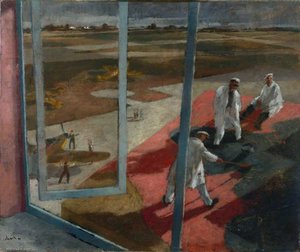
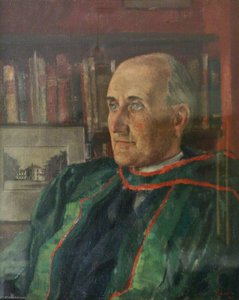
The trajectory of Darwin’s career was marked by periods of intense creativity and significant institutional leadership. During the Second World War, his talents were utilized in a strikingly different medium when he worked designing camouflage for the Ministry of Home Security—a role that required a surrealist's eye for deception and a strategist's precision. This period of service added a layer of complexity to his work, blending the boundaries between reality and illusion. Following his wartime contributions, Darwin transitioned into academia, serving as a Professor of Fine Art at the University of Durham before ascending to one of the most prestigious roles in the British art world.
<- Rector of the Royal College of Art: From 1952 until 1968, Darwin presided over the RCA, where he became a transformative figure. He was not merely an administrator but a champion of innovation, fostering an environment where experimentation was encouraged and the next generation of British artists could flourish.
- Presidential Roles: His leadership extended to the Royal Society of Painters in Watercolours, where his dedication to the medium helped maintain its vitality within the contemporary art scene.
- Academic Influence: By bridging the gap between traditional craftsmanship and modern vision, he ensured that the institutions he led remained relevant in a rapidly changing cultural landscape.
The Essence of His Work: From Landscapes to Cityscapes
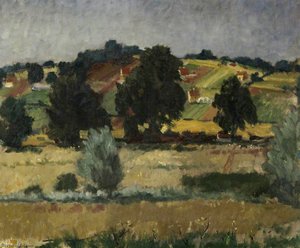
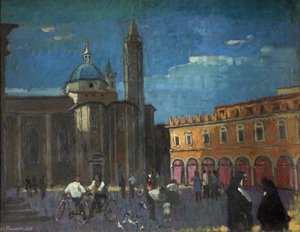
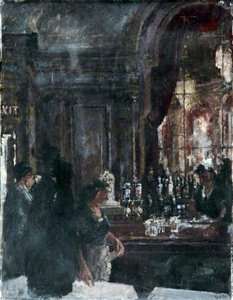
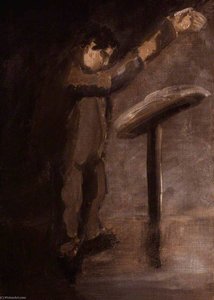
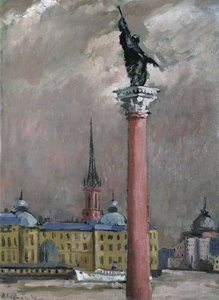
To look upon a Darwin original is to witness a dialogue between the seen and the felt. Whether working in the delicate transparency of watercolor or the rich, tactile depths of oil on canvas, his work captures the ephemeral beauty of the world. His landscapes often reflect a deep emotional resonance, much like the Canadian masters who inspired him, while his cityscapes—such as the vibrant Ascoli—demonstrate an incredible ability to capture the pulse of urban life through impressionistic light and movement.
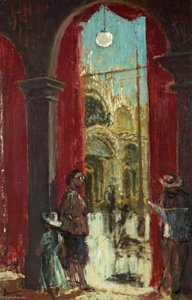
His mastery was particularly evident in his ability to manipulate atmosphere. In works like San Marco, Venice, one can almost feel the warmth of the Italian sun reflecting off ancient architecture, rendered with a dynamic composition that invites the viewer into the scene. Even in his more somber or surrealist-leaning pieces, such as Camouflaging a New Flight Shed, there is an unmistakable dedication to the essence of the subject. Ultimately, Robin Darwin’s significance lies in this very ability: he was a bridge between eras, a man who respected the traditions of the past while fearlessly navigating the modern frontiers of the future.