 Pregledaj u prostoru
 Pošalji
 Podeli
 Detalji o delu

 Преузми
 Slični predmeti
 Rendgenski snimak
 Slajdovi
 Statistika
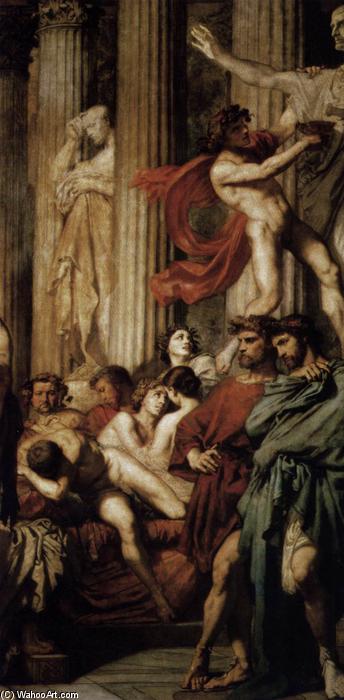
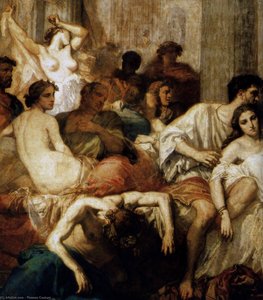
Romans of the Decadence (detail)


 Pročitaj više
Ručno rađena uljana reprodukcija
Ručno oslikano uljanim bojama na platnu u dimenzijama i okviru po vašem izboru, izrađeno po porudžbini od strane naših umetnika. ( Pređi na štampu Pređi na digitalnu sliku)




P118B $10

P118H $10

P118W $10

P438Z $10

P508JH $12

P508YH $12

P805H $10

P805Z $10

P919BZ $10

P919G $10

P919XJ $10

P959ZH $10

P968JZ $12

W106C $8

W218G $10

W218JH $8

W218Y $10

W307PJ $10

W316G $10

W316PJ $8

W316Y $10

W398PJ $8

W4111J $10

W500HY $15

W500JH $15

W692G $12

W849H $8

W940BG $15

W953PJ $8




Izaberite jednu od naših unapred definisanih veličina koje odgovaraju originalnim proporcijama umetničkog dela.

Можете унети сопствене димензије како бисте прилагодили дело одређеном оквиру или простору. Ако одабрана величина не одговара пропорцијама оригинала, слика ће бити исечена или проширена додатним елементима који се ручно насликавају. Дигитални prikaz ће вам бити послат на одобрење пре почетка производње.
Имајте на уму да преглед на екрану не одражава стварно исецање или проширење. Само приказ (mockup) ће тачно приказати коначну композицију.
Иако су доступне прилагођене величине, препоручујемо да одаберете димензију из дефинисане листе како бисте сачували оригиналне пропорције.
Nakon narudžbine, tim ArtsDot.com će klijentu putem e-pošte poslati uputstva i dostaviti prikaz predloženog rešenja
Isporuka širom sveta () za 3/4 nedelje umesto uobičajenih 5 nedelja. (8 септембар). Bez kompromisa po pitanju kvaliteta.

Besplatna ekspresna dostava širom sveta

Visokokvalitetno laneno platno

Kompletno osiguranje transporta

Garancija povraćaja carine i uvoznih dažbina

Garancija vernosti boja

Politika povraćaja u roku od 100 dana (isključivo u slučaju nedostataka)

Garancija povrata novca od 100%

Popust pri grupnoj kupovini
 Opcija sa staklom dostupna je samo za dimenzije manje od 110 cm

Romans of the Decadence (detail)
Tehnika reprodukcije
Dimenzije reprodukcije
-


Konačna cena
$ 263
A Symphony of Classical Grandeur and Romantic Decay
In the hallowed halls of the Musée d'Orsay, there exists a window into a world of fading glory, captured through the masterful lens of Thomas Couture. His 1847 masterpiece, Romans of the Decadence, is far more than a mere historical tableau; it is a visceral exploration of an empire in its twilight. This particular detail invites the viewer to step closer to the heart of the drama, where the opulence of Roman life meets the inevitable shadow of moral and societal erosion. Couture does not merely paint a scene; he orchestrates a tableau vivant that breathes with the tension of a civilization teetering on the edge of collapse.
The subject matter delves into the profound anxieties of the mid-nineteenth century, reflecting a period when the intellectual elite grappled with the shifting tides of European stability. While the broader composition alludes to the monumental tragedy of Caesar’s assassination, this intimate glimpse focuses on the figures caught in the periphery of chaos. We see individuals ensnared in moments of leisure and quietude—some reclining upon luxurious couches, others engaged in hushed interactions—yet there is an underlying sense of unease. The classical attire and grand setting suggest a lost era of nobility, but the atmosphere is heavy with the scent of impending doom, making it a captivating piece for those who appreciate art that tells a complex, multi-layered story.
Mastery of Technique and the Academic Spirit
To behold this work is to witness the pinnacle of the French Academic movement. Couture, a brilliant bridge between the emotional fervor of Romanticism and the grounded precision of Realism, employs a technique that demands reverence. His brushwork is nothing short of extraordinary, achieving a textural depth that makes the heavy folds of Roman drapery feel almost tangible to the touch. Through the sophisticated use of chiaroscuro, Couture manipulates light and shadow to sculpt the human form, creating dramatic contrasts that heighten the emotional stakes of every gesture.
The color palette is a deliberate study in symbolic restraint. Earthy, grounded tones provide a foundation of stability, which are then pierced by sudden, evocative splashes of crimson and sapphire. These are not merely aesthetic choices; the scarlet hues evoke the blood of fallen leaders and the passion of a dying era, while the deep blues lend an air of imperial majesty. For the discerning collector or interior designer, these colors offer a sophisticated way to introduce depth and historical weight into a space, providing a focal point that is both intellectually stimulating and visually arresting.
An Eternal Legacy for the Modern Collector
Owning a high-quality reproduction of such a monumental work allows one to bring the gravitas of history into the contemporary home. The emotional impact of Romans of the Decadence lies in its ability to evoke contemplation; it asks us to reflect on the cyclical nature of power, beauty, and decline. It is a piece that does not merely decorate a wall but commands the room, serving as a conversation starter for those who value the intersection of fine art and philosophical depth.
Whether you are an art enthusiast seeking to connect with the legacy of the École des Beaux-Arts or a designer looking to infuse a curated space with classical elegance, this detail from Couture’s magnum opus offers unparalleled inspiration. It stands as a testament to the enduring power of the human narrative, captured in a moment where the splendor of the past meets the uncertainty of the future.
Srodna umetnička dela
Biografija umetnika
Устанак у Атељеу: Живот и наслеђе Тома Кутура
Рођен 1815. године у Санлију, Француска, Томас Ктур је постао кључна фигура која је повезивала романтизам и реализам – сликар који се усудио да изазове академску конвенцију, истовремено савладавајући њене технике. Његов рани живот обележило је пресељење у Париз са породицом, где је прво студирао на École des Arts et Métiers, а затим се окренуо престижној École des Beaux-Arts. Међутим, Кутуров пут није био лак; наилазио је на понављана одбијања у такмичењу за Prix de Rome, признање које би му обезбедило жељено боравком у Академији Француске у Риму. Уместо да прихвати пораз, ови неуспеси су подстакли њедово уверење да је сам систем установан неисправан, што га је натерало да крене својим уметничким путем и на крају успостави независан атеље – уточиште за оне који траже алтернативу традиционалној настави.Пад Царстава и Нова Уметничка Визија
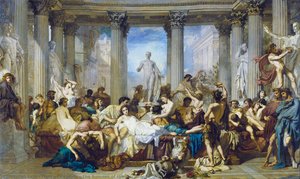
Кутуров пробој дошао је са *Римом током Декаденције* (1847), монументалним делом које је изазвало и похвале и контроверзе на Париском салону. Ова слика није била само историјска репрезентација; то је био оштар друштвени коментар, инспирисан сатиричним списима Јувенала, који је приказивао морални распад и раскошни вишак у римском друштву. Сцена пулсира осећањем неограничене развратности, фигуре обучене у луксузну тканину усред класичних руина – намерна контрастност која је требала да одрази перципирану декаденцију савременог француског друштва под Другом Републиком. Кутурова мајсторска употреба тоналних контраста, запошљавајући богате тамне нијансе упркос изузетно светлим акцентима, додатно је интензивирала драматичан ефекат и симболички значај композиције. Успех слике учврстио је његов углед као водећег уметника и успоставио га као снажну силу у уметничком свету. Било је то више од техничке вештине; била је то смела изјава о стању саме цивилизације.Учитељ Титана: Формирање Будућих Генерација
Поред сопствених уметничких достигнућа, Кутуров је значајно утицао на своју улогу едукатора. Отворио је свој атеље за различиту групу амбициозних уметника, одбацујући ригидне оквире École des Beaux-Arts и неговајући атмосферу експериментисања и критичког размишљања. Међу његовим најпознатијим ученицима били су имена која ће постати синоним за модерну уметност: Едуар Мане, чији је револуционарни приступ сликању дуговао Кутуровом нагласку на тоналним вредностима и експресивном раду четком; Анри Фантен-Латур, познат по својим мртвим природама и портретима колега уметника; Пјер Пувис де Шаван, пионир симболизма; и Џон Ла Фарж, иноватор у витражима. Кутурове методе наставе биле су неконвенционалне, подстицајући ученике да развијају своје индивидуалне гласове док их заснивају на основама цртања и композиције. Заступао је „брзо сликање”, предвиђајући технике које су касније прихватили импресионисти, и истицао важност директног посматрања из живота.Каснији Години и Трајни Утицај
Године 1860., разочаран париском уметничком сценом, Ктур се повукао у свој родни град Санлис, где је наставио да предаје и слика. Кодификовао је своју уметничку филозофију у *Méthode et entretiens d'atelier* (Метод и интервјуи из радионице), објављену 1867. године – трактат који је нудио радикални критички приступ академској догми и заговарао интуитивнији и експресивнији приступ стварању уметности. Ово дело, касније преведено на енглески као *Разговори о методама уметности*, пружило је непроцењиве увиде у његове педагошке принципе и уметничке уверења. Иако је током своје каријере наилазио на критику због изазивања утврђених норми, Кутуров утицај на развој модерне уметности је неоспоран. Неговао је генерацију уметника који су се усудили да прекину са конвенцијама, отварајући пут радикалној иновацији која ће дефинисати касни 19. и рани 20. век. Његово наслеђе траје не само кроз његове задивљујуће слике, већ и кроз трајан утицај који је имао на неке од најважнијих фигура у историји уметности.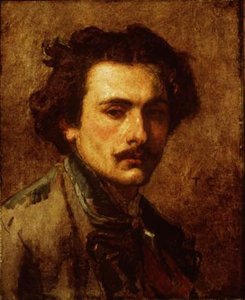
Тома Кутур
1815 - 1879 , Француска
Osnovne informacije
- Artistic Movement Or Style: Romantizam i Realizam
- Artists Or Movements Influenced By This Artist:
- Édouard Manet
- Henri Fantin-Latour
- Artists Who Influenced This Artist:
- Antoine-Jean Gros
- Paul Delaroche
- Date Of Birth: 21. decembar 1815.
- Date Of Death: 30. mart 1879.
- Full Name: Thomas Couture
- Nationality: Francuski
- Notable Artworks:
- Rimljani u dekadenciji
- Duelo nakon maskenbala
- Place Of Birth: Senlis, Francuska
Povezani članci

The Enduring Legacy of Fine Art Prints: Technique, History & Aesthetic Impact
Explore the rich history & techniques of fine art prints. Discover investment potential, assess authenticity, and learn how to preserve your collection with expert guidance. Trusted insights for discerning collectors.

Giclée Prints: Archival Quality & Aesthetic Nuances for the Discerning Collector
Explore the world of giclée prints with ArtsDot. Learn about archival quality, aesthetic nuances & investment potential. Expert guidance for discerning art collectors seeking museum-quality reproductions and lasting value.
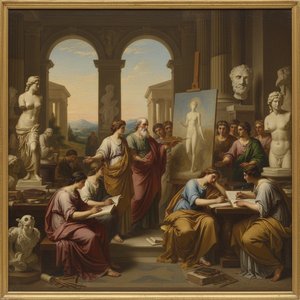
Academic Art: Tradition, Technique & the Pursuit of Ideal Form in the 19th Century
Explore the world of Academic Art! Discover its history, key artists like Ingres & Bouguereau, defining techniques, and lasting influence on 19th-century painting. Learn about the Salon system and its legacy.

Echoes of Time: Exploring the Enduring Appeal & Historical Context of Vintage Art Prints
Explore the captivating world of vintage art prints! Discover their history, collecting tips & enduring appeal. Expert insights on chromolithography and building a legacy collection with ArtsDot.
19th Century Masterpieces: 10 Paintings That Defined an Era | ArtsDot
Journey through 19th century art with ArtsDot! Explore 10 iconic paintings – from Monet & Renoir to Courbet – and discover the stories behind Romanticism, Realism & Impressionism. Find museum-quality reproductions for your home decor. Explore the full collection online!