

 Pregledaj u prostoru
 Pošalji
 Podeli
 Detalji o delu

 Преузми
 Slični predmeti
 Rendgenski snimak
 Slajdovi
 Statistika
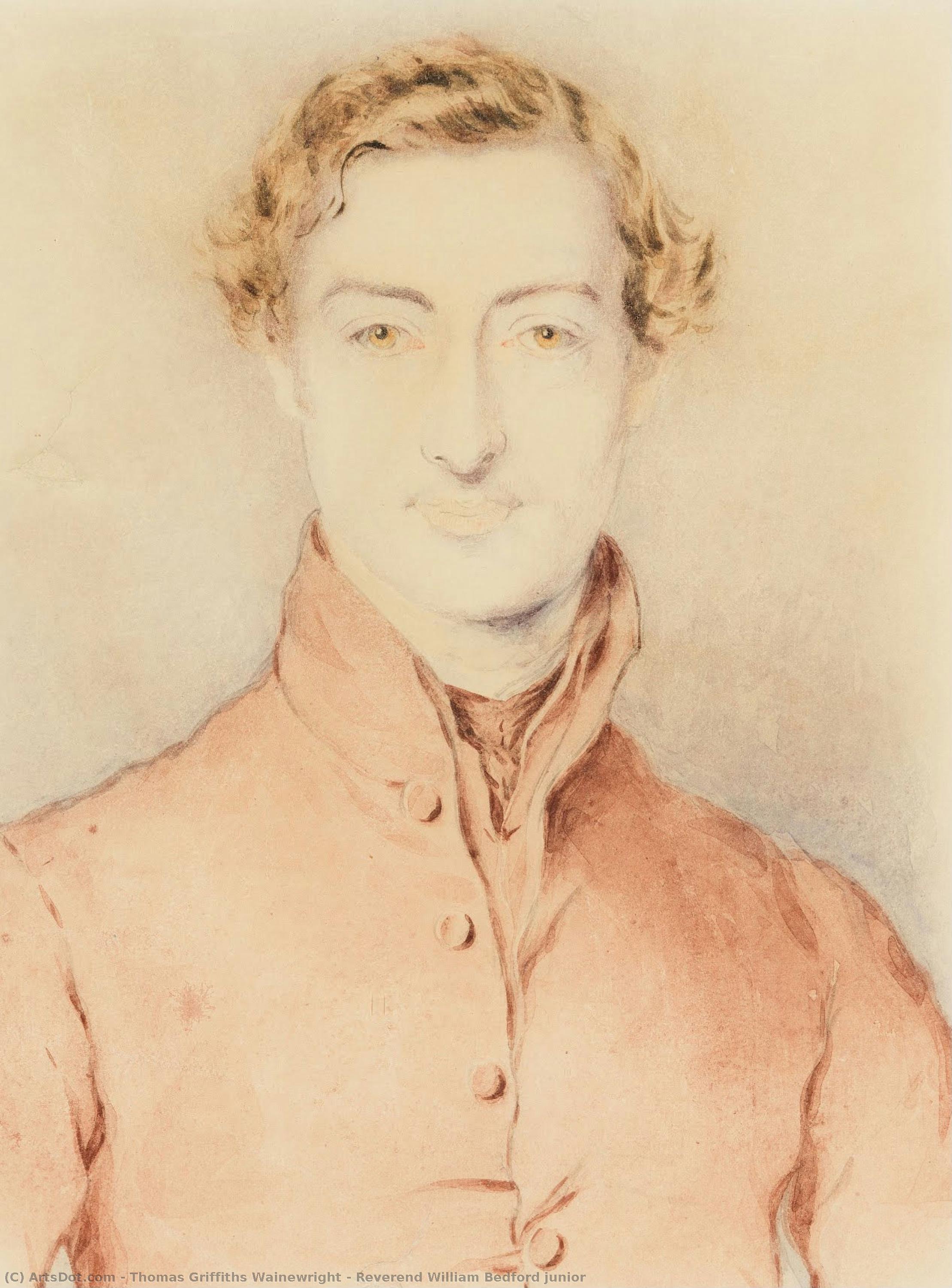
Reverend William Bedford junior
 Watercolor
- WallArt
- Academic/Neoclassical
 1846
1846- 19th Century
 53.0 x 46.0 cm
 National Portrait Gallery
 Pročitaj više
Kupite digitalnu sliku visoke rezolucije i poboljšanog kvaliteta, koja je znatno superiornija od onoga što vidite u online prikazu.
Svaka datoteka je pedantno pripremljena od strane naših stručnjaka koristeći napredne alate i profesionalnu ručnu retušu. Osiguravamo da svaka slika ima izuzetnu oštrinu, preciznu reprodukciju boja i fine detalje.
Konačna datoteka se dostavlja putem e-pošte u roku od 72 sata, optimizovana za neposrednu upotrebu u profesionalnim, izdavačkim i štamparskim okruženjima. To je isti kvalitet kojem veruju vrhunski studiji dizajna, izdavači i galerije.
Digitalna slika
Preuzmite datoteku visoke rezolucije za ličnu upotrebu, štampanje i kreativne projekte. ( Pređi na štampu Kupi ručno naslikanu sliku)
Uključeno uz svaku porudžbinu digitalne slike
Profesionalna digitalna isporuka, zagarantovana
Kada odaberete ArtsDot.com, ne dobijate samo sliku – vi primate profesionalno unapređeno digitalno umetničko delo, izrađeno sa najvećom preciznošću i uz garanciju zadovoljstva. Evo svega što automatski dolazi uz vašu porudžbinu:

Brza dostava putem e-pošte
Vaša digitalna slika visoke rezolucije biće vam poslata putem e-pošte u roku od 72 sata od poručivanja – spremna za trenutnu upotrebu.

Digitalna datoteka unapređena veštačkom inteligencijom
Vaše umetničko delo je profesionalno optimizovano korišćenjem naprednih AI alata i ručne obrade, čime se osiguravaju maksimalni detalji, oštrina i preciznost boja.

Besplatna ponovna isporuka doživotno
Slučajno ste obrisali ili izgubili svoju datoteku? Ne brinite – poslaćemo vam je ponovo u bilo kom trenutku, potpuno besplatno.

Bez troškova uvoza – zauvek
Uživajte u svojim umetničkim delima trenutno, bez carine, dažbina ili troškova dostave – digitalni download je uvek bez poreza.

Garancija vernosti boja
Uz pomoć profesionalnih alata i upravljanja bojama, osiguravamo da vaša digitalna slika što vernije odražava originalne boje.

Garancija zadovoljstva od 100 dana
Ako niste zadovoljni svojom digitalnom slikom, izvršićemo reviziju ili ćemo vam vratiti 100% novca u roku od 100 dana – bez ikakvih pitanja.

100% garancija povrata novca
Niste zadovoljni? Dobijte puni povraćaj novca u roku od 100 dana od prijema digitalne datoteke – bez suvišnih pitanja.

Popusti na velike porudžbine
Kupite 3 slike, uštedite 10% - Kupite 5 slika, uštedite 15% - Kupite 10+ slika, uštedite 20%. Odlično za kreativne projekte, galerije i agencije.
A Glimpse into Victorian Dignity
In the delicate, translucent layers of Thomas Griffiths Wainewright’s 1846 watercolor, Reverend William Bedford junior emerges from a pale, ethereal background with a presence that commands both respect and quiet contemplation. This portrait is far more than a mere likeness; it is a window into the mid-19th century, capturing the essence of an era defined by formal grace and social order. The subject, a man of clerical standing, is rendered with a meticulous attention to detail that speaks to his character—a sense of composed dignity and intellectual depth. As one gazes upon the soft, warm tones of reddish-orange and tan that bathe the composition, there is an immediate sense of historical intimacy, as if the viewer has been granted a private audience with a figure from a bygone age.
The artistry of Wainewright shines through in his masterful command of the watercolor medium. Eschewing harsh lines for a more fluid and organic approach, the artist utilizes wet-on-wet washes to build a subtle, atmospheric depth. The texture of the Reverend’s attire—the heavy folds of his formal coat and the fine details of his collar—is achieved through a sophisticated layering of pigment that creates a lifelike tactile quality. Every stroke is purposeful, from the precise definition of the facial features to the soft, diffused lighting that illuminates the subject's face without casting aggressive shadows. This technique lends the portrait a luminous, almost glowing quality, making it an exquisite centerpiece for any collection focused on classical portraiture.
The Intersection of Art and History
To understand this piece is to understand the turbulent life of its creator, Thomas Griffiths Wainewright. A man whose talent was matched only by his notoriety, Wainewright’s journey from the high society of London to the penal colonies of Van Diemen’s Land adds a layer of poignant irony to this depiction of a respected clergyman. While the Reverend Bedford represented the stability and spiritual foundation of his community, his portraitist was a figure of scandal and transformation. This tension between the subject's established social standing and the artist's complex biography imbues the work with an underlying emotional resonance that transcends simple representation.
For the discerning collector or interior designer, this reproduction offers more than just aesthetic beauty; it provides a narrative anchor for a room. The warm, muted palette and classical composition make it a versatile choice for sophisticated spaces, whether placed in a traditional study lined with leather-bound books or used as a refined accent in a contemporary gallery-style living area. It serves as a testament to the enduring power of the portrait—a medium capable of preserving the spirit of an individual long after their physical presence has faded into history. Owning such a piece is an invitation to engage with the elegance, the mystery, and the profound humanity of the Victorian era.
Srodna umetnička dela
Biografija umetnika
The Enigmatic Brush of a Fallen Dandy
Thomas Griffiths Wainewright remains one of the most captivating and contradictory figures in the annals of nineteenth-century British art. To study his life is to navigate a labyrinth of high society, literary brilliance, and profound criminal scandal. Born in 1794 into a world of privilege in Richmond upon Thames, Wainewright was raised under the guardianship of his grandfather, a man deeply embedded in the intellectual currents of the age. His early years were steeped in the presence of giants; he grew up amidst the shadows of figures such as William Blake and Thomas Paine, an upbringing that undoubtedly fostered the sharp, observant eye that would later define his artistic output. As a young man, he moved through London’s most elite circles, presenting himself as the quintessential dandy—a silver-tongued critic and a refined gentleman whose aesthetic sensibilities were as polished as his reputation was precarious.
His artistic training was nothing short of prestigious. Studying under masters such as Thomas Phillips and John Linnell, Wainewright developed a meticulous command over watercolor and pencil. His early works, often exhibited at the Royal Academy, displayed a delicate sensitivity to light and a precision in portraiture that drew comparisons to the great Romantic painters. During this period, his talent was matched by his social reach; he was a frequent contributor to the London Magazine, where his art criticism helped shape the aesthetic discourse of his era. He moved in the same orbit as literary luminaries like Charles Lamb and Thomas de Quincey, weaving himself into the very fabric of the Romantic revolution. Yet, beneath this veneer of cultural sophistication, the seeds of his eventual downfall were being sown through a lifestyle of reckless extravagance and financial deception.
From London Splendor to Tasmanian Exile
The trajectory of Wainewright’s life took a devastating turn when his penchant for forgery was brought to light. Driven by the need to maintain his flamboyant social standing, he had manipulated trust funds and forged signatures, leading to a conviction for fraud against the Bank of England. The sentence was absolute: transportation to the penal colony of Van Diemen's Land. This transition from the salons of London to the harsh, unforgiving landscape of Tasmania forced an extraordinary artistic metamorphosis. Stripped of his social status and subjected to the rigors of convict life, Wainewright did not abandon his craft; instead, he redirected it. The man who once painted for the London elite began to find profound subject matter in the stark realities of his exile.
In the colonial setting of Hobart, his work took on a new, visceral depth. While he continued to produce portraits—often as tokens of gratitude from those who showed him kindness in the hospital wards where he worked—his focus expanded to include the flora and fauna of the Australian wilderness. These watercolors are characterized by an unflinching realism and an emotional weight that reflects his psychological state. The delicate, decorative style of his London years gave way to a more rugged, observant technique, capturing the bleakness of prison life alongside the vibrant, alien beauty of the Tasmanian landscape. This period of his life represents a poignant intersection of tragedy and triumph, where the artist found a new voice amidst the ruins of his former identity.
A Legacy Shrouded in Shadow
The historical significance of Thomas Griffiths Wainewright cannot be separated from the dark rumors that haunt his biography. For decades, whispers have persisted that he was far more than a mere forger—that he was a calculated poisoner who orchestrated the deaths of several relatives to secure inheritances. While modern historians note that no formal charges of murder were ever proven during his lifetime, the sheer coincidence of these deaths has ensured that his name remains forever linked to the macabre. This duality—the refined artist and the suspected criminal—is what makes his oeuvre so hauntingly unique. To look upon a Wainewright portrait is to engage with a man who understood both the exquisite beauty of the human form and the darkest recesses of human nature.
Ultimately, Wainewright’s legacy is one of profound complexity. He stands as a bridge between the high Romanticism of the early nineteenth century and the gritty realism necessitated by his exile. His contributions to art criticism and his ability to capture the essence of both the colonial elite and the convict class provide a rare, dual perspective on the British Empire at its height. Whether viewed through the lens of his literary connections or his transformative watercolors, his life remains a powerful testament to the capacity for artistic rebirth, even when faced with the most profound social and personal disgrace.
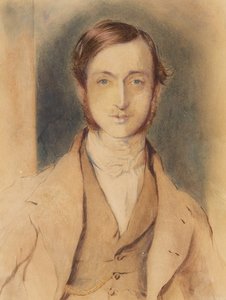
thomas griffiths wainewright
1794 - 1847 , United Kingdom
Kratke činjenice
- Artistic Movement Or Style: Watercolor Portraiture
- Artists Or Movements Influenced By This Artist: ['Victorian Literature']
- Artists Who Influenced This Artist: ['None Known']
- Date Of Birth: October 1794
- Date Of Death: August 17, 1847
- Full Name: Thomas Griffiths Wainewright
- Nationality: British
- Notable Artworks: ['Hobart Portraits']
- Place Of Birth: Richmond upon Thames, United Kingdom