

 Pregledaj u prostoru
 Pošalji
 Podeli
 Detalji o delu

 Преузми
 Slični predmeti
 Rendgenski snimak
 Slajdovi
 Statistika
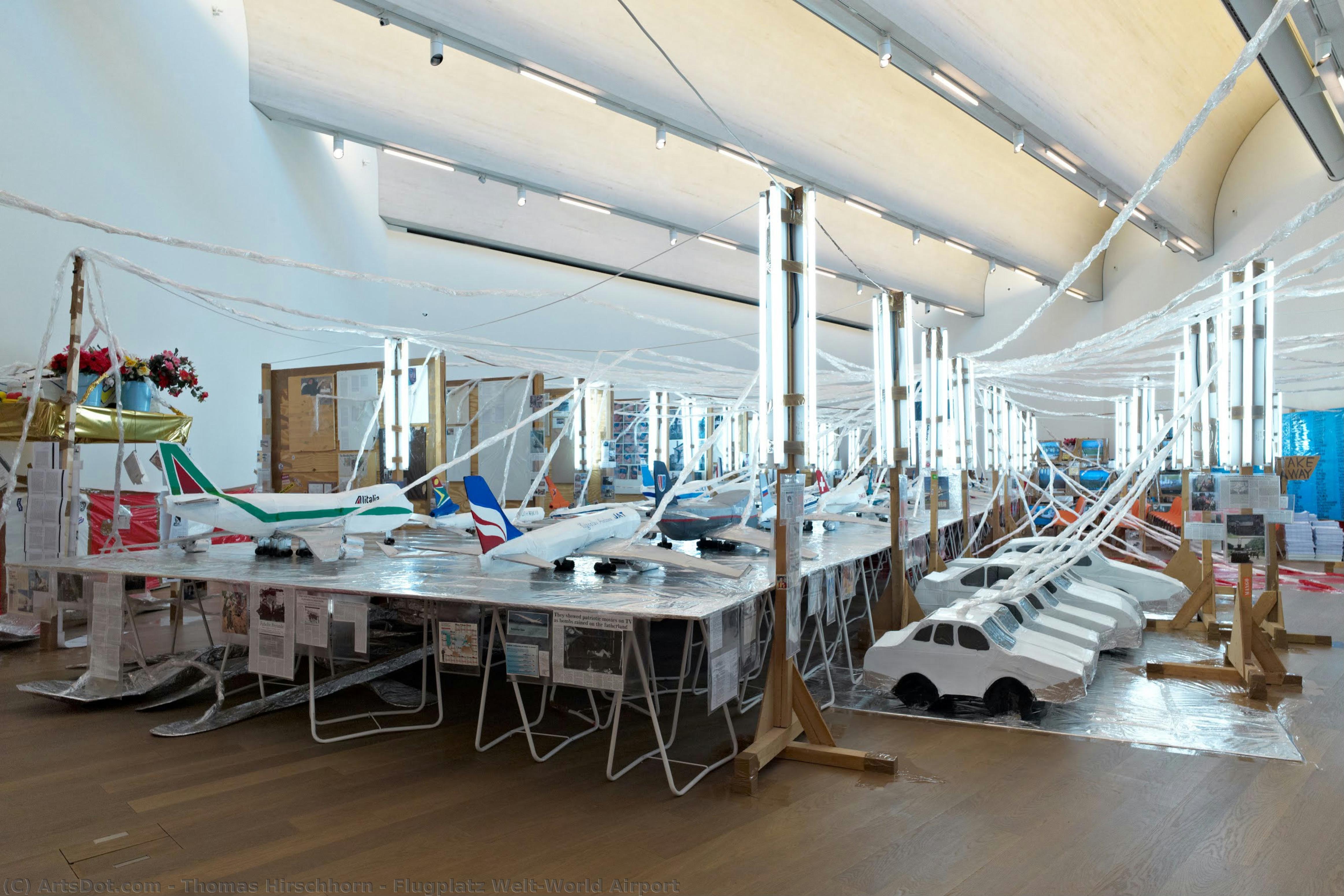
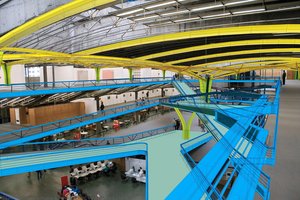
Flugplatz Welt/World Airport
 Pročitaj više
Kupite digitalnu sliku visoke rezolucije i poboljšanog kvaliteta, koja je znatno superiornija od onoga što vidite u online prikazu.
Svaka datoteka je pedantno pripremljena od strane naših stručnjaka koristeći napredne alate i profesionalnu ručnu retušu. Osiguravamo da svaka slika ima izuzetnu oštrinu, preciznu reprodukciju boja i fine detalje.
Konačna datoteka se dostavlja putem e-pošte u roku od 72 sata, optimizovana za neposrednu upotrebu u profesionalnim, izdavačkim i štamparskim okruženjima. To je isti kvalitet kojem veruju vrhunski studiji dizajna, izdavači i galerije.
Digitalna slika
Preuzmite datoteku visoke rezolucije za ličnu upotrebu, štampanje i kreativne projekte. ( Pređi na štampu Kupi ručno naslikanu sliku)
Uključeno uz svaku porudžbinu digitalne slike
Profesionalna digitalna isporuka, zagarantovana
Kada odaberete ArtsDot.com, ne dobijate samo sliku – vi primate profesionalno unapređeno digitalno umetničko delo, izrađeno sa najvećom preciznošću i uz garanciju zadovoljstva. Evo svega što automatski dolazi uz vašu porudžbinu:

Brza dostava putem e-pošte
Vaša digitalna slika visoke rezolucije biće vam poslata putem e-pošte u roku od 72 sata od poručivanja – spremna za trenutnu upotrebu.

Digitalna datoteka unapređena veštačkom inteligencijom
Vaše umetničko delo je profesionalno optimizovano korišćenjem naprednih AI alata i ručne obrade, čime se osiguravaju maksimalni detalji, oštrina i preciznost boja.

Besplatna ponovna isporuka doživotno
Slučajno ste obrisali ili izgubili svoju datoteku? Ne brinite – poslaćemo vam je ponovo u bilo kom trenutku, potpuno besplatno.

Bez troškova uvoza – zauvek
Uživajte u svojim umetničkim delima trenutno, bez carine, dažbina ili troškova dostave – digitalni download je uvek bez poreza.

Garancija vernosti boja
Uz pomoć profesionalnih alata i upravljanja bojama, osiguravamo da vaša digitalna slika što vernije odražava originalne boje.

Garancija zadovoljstva od 100 dana
Ako niste zadovoljni svojom digitalnom slikom, izvršićemo reviziju ili ćemo vam vratiti 100% novca u roku od 100 dana – bez ikakvih pitanja.

100% garancija povrata novca
Niste zadovoljni? Dobijte puni povraćaj novca u roku od 100 dana od prijema digitalne datoteke – bez suvišnih pitanja.

Popusti na velike porudžbine
Kupite 3 slike, uštedite 10% - Kupite 5 slika, uštedite 15% - Kupite 10+ slika, uštedite 20%. Odlično za kreativne projekte, galerije i agencije.
Srodna umetnička dela






Biografija umetnika
Thomas Hirschhorn: Sculpting Public Discourse
Born in Bern, Switzerland, in 1957, Thomas Hirschhorn’s artistic journey is a compelling narrative of transformation – from graphic design to a profoundly engaged practice deeply rooted in public space. Initially trained in Zurich’s School of Applied Arts, his early work as a designer laid the groundwork for an approach that would later challenge conventional notions of art and its relationship with society. However, it was a pivotal shift in the 1990s, fueled by encounters with the works of Joseph Beuys and Andy Warhol, that propelled him toward a distinctly sculptural and politically-charged artistic vision.
Hirschhorn’s early career saw him experimenting with materials readily available – cardboard, foil, duct tape, magazines – transforming these everyday objects into complex, often monumental structures. This deliberate choice wasn't merely aesthetic; it was a conscious rejection of the elitism traditionally associated with art and a commitment to engaging with the “non-exclusive audience.” He sought to create works that were accessible, inclusive, and spoke directly to the experiences of ordinary people, reflecting a core philosophy of democratizing artistic expression. This approach is evident in his early installations, which frequently incorporated text and found imagery, layering social commentary alongside formal considerations.
The Language of Public Space
A defining characteristic of Hirschhorn’s work is its deployment within public spaces – sidewalks, vacant lots, urban landscapes – rather than confined to traditional gallery settings. This strategic placement isn't simply about visibility; it’s a deliberate attempt to disrupt the established order and initiate dialogue. His projects, often described as “monuments” or “assemblages,” are designed to provoke interaction, questioning notions of ownership, authority, and the very definition of art. The scale of these works is frequently imposing, demanding attention and inviting viewers to confront their surroundings in a new way.
Significant examples include *Musée Précaire Albinet* in Aubervilliers, France (2004), where he presented iconic artworks from major museums alongside original pieces, fostering a critical dialogue about access to culture. Similarly, the *Bijlmer Spinoza Festival* in Amsterdam (2009) utilized a vast, abandoned airport space to explore themes of social justice and philosophical inquiry. These projects aren’t merely installations; they are carefully orchestrated events designed to engage communities and stimulate critical reflection.
Influences and Theoretical Framework
Hirschhorn's artistic trajectory is deeply informed by the philosophies of Joseph Beuys, particularly his concept of “social sculpture,” which emphasizes art as a tool for social transformation. The influence of Andy Warhol’s embrace of popular culture and mass media also plays a crucial role, shaping Hirschhorn’s use of everyday materials and his engagement with contemporary issues. He draws heavily on critical theory, particularly the work of Walter Benjamin and Michel Foucault, using these frameworks to analyze power dynamics and social structures.
His theoretical writings, such as *Critical Laboratory*, articulate a complex system of “Presence and Production,” outlining his approach to working in public space. This methodology emphasizes the importance of being physically present during the creation process, fostering a direct connection with the environment and the people involved. He believes that true impact arises from this immediate engagement, rejecting the notion of art as a detached object.
Major Achievements and Legacy
Thomas Hirschhorn’s career has been marked by numerous prestigious exhibitions and awards, solidifying his position as one of the most significant contemporary artists working today. He has represented Switzerland at the Venice Biennale (1999, 2015), Documenta 11 (2002), and other major international events. His work has been exhibited in institutions worldwide, including the Art Institute of Chicago, the Museum Ludwig in Cologne, and the Fondation MaXXI in Rome.
Beyond individual exhibitions, Hirschhorn’s sustained commitment to public art – with over seventy works now installed across Europe, North America, and South America – represents a significant contribution to the field. His projects consistently challenge conventional boundaries between art and life, prompting critical reflection on social justice, political power, and the role of art in shaping our world. His ongoing exploration of “Presence and Production” continues to inform his practice, ensuring that his work remains both deeply personal and profoundly relevant.
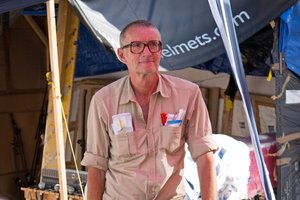
Thomas Hirschhorn
1957 - , Switzerland
Kratke činjenice
- Artistic Movement Or Style: Conceptual/Installation
- Artists Or Movements Influenced By This Artist:
- Beuys
- Warhol
- Artists Who Influenced This Artist:
- Beuys
- Warhol
- Date Of Birth: 1957-05-16
- Full Name: Thomas Hirschhorn
- Nationality: Swiss
- Notable Artworks:
- Spinoza Monument
- Deleuze Monument
- Bataille Monument
- Place Of Birth: Bern, Switzerland