

 Pregledaj u prostoru
 Pošalji
 Podeli
 Detalji o delu

 Преузми
 Slični predmeti
 Rendgenski snimak
 Slajdovi
 Statistika
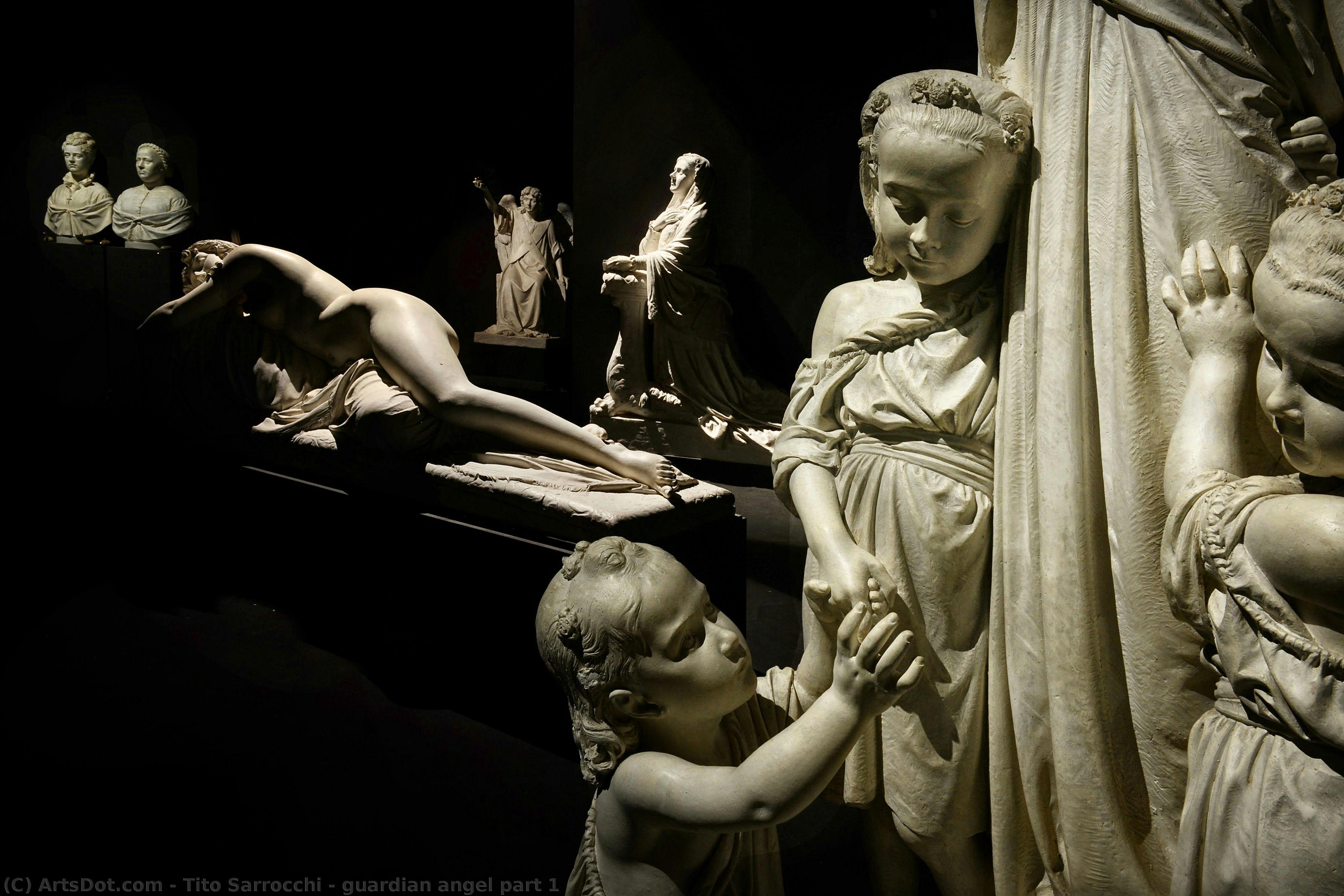
guardian angel part 1

 Pročitaj više
Kupite digitalnu sliku visoke rezolucije i poboljšanog kvaliteta, koja je znatno superiornija od onoga što vidite u online prikazu.
Svaka datoteka je pedantno pripremljena od strane naših stručnjaka koristeći napredne alate i profesionalnu ručnu retušu. Osiguravamo da svaka slika ima izuzetnu oštrinu, preciznu reprodukciju boja i fine detalje.
Konačna datoteka se dostavlja putem e-pošte u roku od 72 sata, optimizovana za neposrednu upotrebu u profesionalnim, izdavačkim i štamparskim okruženjima. To je isti kvalitet kojem veruju vrhunski studiji dizajna, izdavači i galerije.
Digitalna slika
Preuzmite datoteku visoke rezolucije za ličnu upotrebu, štampanje i kreativne projekte. ( Pređi na štampu Kupi ručno naslikanu sliku)
Uključeno uz svaku porudžbinu digitalne slike
Profesionalna digitalna isporuka, zagarantovana
Kada odaberete ArtsDot.com, ne dobijate samo sliku – vi primate profesionalno unapređeno digitalno umetničko delo, izrađeno sa najvećom preciznošću i uz garanciju zadovoljstva. Evo svega što automatski dolazi uz vašu porudžbinu:

Brza dostava putem e-pošte
Vaša digitalna slika visoke rezolucije biće vam poslata putem e-pošte u roku od 72 sata od poručivanja – spremna za trenutnu upotrebu.

Digitalna datoteka unapređena veštačkom inteligencijom
Vaše umetničko delo je profesionalno optimizovano korišćenjem naprednih AI alata i ručne obrade, čime se osiguravaju maksimalni detalji, oštrina i preciznost boja.

Besplatna ponovna isporuka doživotno
Slučajno ste obrisali ili izgubili svoju datoteku? Ne brinite – poslaćemo vam je ponovo u bilo kom trenutku, potpuno besplatno.

Bez troškova uvoza – zauvek
Uživajte u svojim umetničkim delima trenutno, bez carine, dažbina ili troškova dostave – digitalni download je uvek bez poreza.

Garancija vernosti boja
Uz pomoć profesionalnih alata i upravljanja bojama, osiguravamo da vaša digitalna slika što vernije odražava originalne boje.

Garancija zadovoljstva od 100 dana
Ako niste zadovoljni svojom digitalnom slikom, izvršićemo reviziju ili ćemo vam vratiti 100% novca u roku od 100 dana – bez ikakvih pitanja.

100% garancija povrata novca
Niste zadovoljni? Dobijte puni povraćaj novca u roku od 100 dana od prijema digitalne datoteke – bez suvišnih pitanja.

Popusti na velike porudžbine
Kupite 3 slike, uštedite 10% - Kupite 5 slika, uštedite 15% - Kupite 10+ slika, uštedite 20%. Odlično za kreativne projekte, galerije i agencije.
Srodna umetnička dela








Biografija umetnika
Early Life and Artistic Foundations
Tito Sarrocchi, born in Siena on January 5th, 1824, emerged from a lineage deeply rooted in the artisanal traditions of Tuscany. His initial exposure to art wasn’t through formal academies but within the pragmatic world of his father's workshop – a stone-cutter employed at the magnificent Duomo of Siena. This early apprenticeship instilled in him not merely technical skill, but an intimate understanding of materials and a reverence for the sculptural heritage that permeated the city. The very stones he handled whispered stories of past masters, laying the groundwork for his future endeavors. In 1841, driven by a burgeoning artistic ambition, Sarrocchi journeyed to Florence, seeking more structured training at the Accademia di Belle Arti. There, under the tutelage of Lorenzo Bartolini, he began to refine his innate talent and absorb the principles of Neoclassical sculpture that dominated the era. However, it was his subsequent collaboration with Giovanni Duprè that proved particularly formative, shaping his approach to both form and subject matter.A Period of Collaboration and Emerging Style
Sarrocchi’s time as Duprè's chief assistant provided invaluable experience, exposing him to a wider range of projects and techniques. This period wasn’t simply about learning; it was about developing a personal artistic voice within the context of established traditions. While influenced by the prevailing Neoclassical aesthetic – characterized by its emphasis on idealized beauty, anatomical precision, and classical themes – Sarrocchi began to subtly infuse his work with a more Romantic sensibility. His early independent sculptures, such as the Bacchante (1852), demonstrate this evolving style: a graceful figure rooted in classical form but imbued with a palpable sense of emotion and movement. This delicate balance between academic rigor and expressive freedom would become a hallmark of his oeuvre. The Bacchante, though not widely celebrated today, signaled Sarrocchi’s departure from strict imitation and towards a more personal interpretation of sculptural ideals.Restoration Work and Civic Contributions
Upon returning to Siena, Sarrocchi found himself increasingly involved in the ambitious restoration projects that were sweeping across Italy during the Risorgimento. His most significant undertaking was undoubtedly his decade-long collaboration with Giuseppe Partini on the reconstruction of Jacopo della Quercia’s Fonte Gaia, a pivotal work of Sienese Gothic sculpture. Inaugurated in 1869, this restoration wasn't merely about preserving a historical monument; it was an act of civic pride and cultural revival. Sarrocchi’s meticulous craftsmanship ensured the faithful reproduction of della Quercia’s original vision, while also showcasing his own technical prowess. Beyond Fonte Gaia, he contributed to the restoration of sculptures in Pisa by Giovanni Pisano, further solidifying his reputation as a skilled conservator and interpreter of past masters. These projects weren't simply commissions; they were opportunities to engage with the artistic legacy of Tuscany and contribute to its ongoing narrative. He also undertook significant work on the façades for the Basilica di Santa Croce, demonstrating versatility in both restoration and original design.Major Achievements and Lasting Legacy
While Sarrocchi’s name may not be as instantly recognizable as some of his contemporaries, his contributions to Italian sculpture were substantial. His ability to seamlessly blend technical skill with artistic sensitivity made him a sought-after sculptor and restorer. The Guardian Angel, one of his most celebrated works, exemplifies this talent – a figure radiating serenity and grace, embodying both Neoclassical ideals and a deeply felt spiritual quality. Beyond specific sculptures, Sarrocchi’s lasting legacy lies in his dedication to preserving Italy's artistic heritage. His restoration work ensured the survival of countless masterpieces, allowing future generations to appreciate the richness and complexity of Tuscan art. He died in 1900, leaving behind a body of work that reflects a deep commitment to both tradition and innovation. Though he worked within established stylistic frameworks, Sarrocchi infused his creations with a unique emotional depth and technical mastery, securing his place as an important figure in the landscape of 19th-century Italian sculpture.Influences and Historical Significance
Sarrocchi’s artistic development was shaped by a confluence of influences. The Neoclassical tradition, championed by sculptors like Bartolini, provided him with a foundation in anatomical precision and idealized form. However, his collaboration with Duprè introduced him to a more Romantic sensibility, emphasizing emotional expression and narrative power. Furthermore, his engagement with the works of earlier masters – della Quercia and Pisano – instilled in him a deep reverence for sculptural history and a commitment to preserving Italy’s artistic heritage. His work reflects the broader historical context of the Risorgimento, a period marked by national awakening and cultural revival. The restoration projects he undertook weren't simply about art; they were acts of civic pride and attempts to forge a unified Italian identity through shared cultural symbols.- Neoclassical Sculpture: Emphasis on idealized beauty and classical themes.
- Romanticism: Incorporation of emotional expression and narrative power.
- Italian Renaissance Art: Deep reverence for sculptural history and tradition.
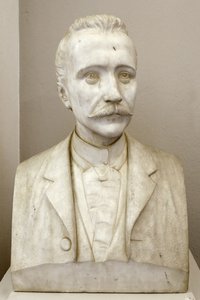
tito sarrocchi
1824 - 1900 , Italy
Kratke činjenice
- Artistic Movement Or Style: Neoclassical & Baroque
- Artists Who Influenced This Artist:
- Lorenzo Bartolini
- Giovanni Duprè
- Date Of Birth: January 5, 1824
- Date Of Death: 1900
- Full Name: Tito Sarrocchi
- Nationality: Italian
- Notable Artworks:
- Bacchante (1852)
- Guardian Angel
- Place Of Birth: Siena, Italy