

 Pregledaj u prostoru
 Pošalji
 Podeli
 Detalji o delu

 Преузми
 Slični predmeti
 Rendgenski snimak
 Slajdovi
 Statistika
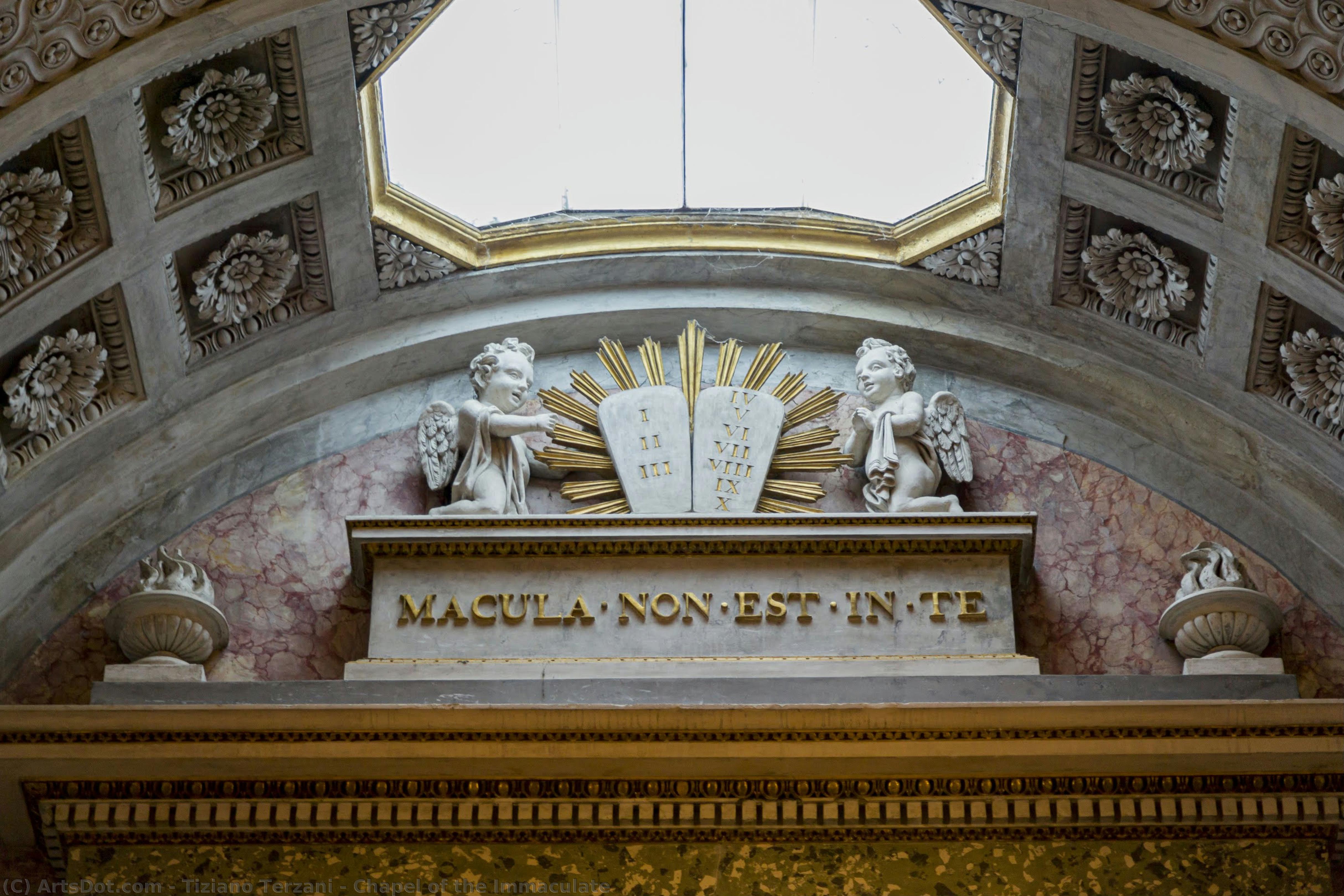
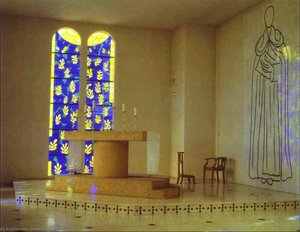
Chapel of the Immaculate


 Pročitaj više
Ručno rađena uljana reprodukcija
Ručno oslikano uljanim bojama na platnu u dimenzijama i okviru po vašem izboru, izrađeno po porudžbini od strane naših umetnika. ( Pređi na štampu Pređi na digitalnu sliku)




































Izaberite jednu od naših unapred definisanih veličina koje odgovaraju originalnim proporcijama umetničkog dela.

Можете унети сопствене димензије како бисте прилагодили дело одређеном оквиру или простору. Ако одабрана величина не одговара пропорцијама оригинала, слика ће бити исечена или проширена додатним елементима који се ручно насликавају. Дигитални prikaz ће вам бити послат на одобрење пре почетка производње.
Имајте на уму да преглед на екрану не одражава стварно исецање или проширење. Само приказ (mockup) ће тачно приказати коначну композицију.
Иако су доступне прилагођене величине, препоручујемо да одаберете димензију из дефинисане листе како бисте сачували оригиналне пропорције.
Nakon narudžbine, tim ArtsDot.com će klijentu putem e-pošte poslati uputstva i dostaviti prikaz predloženog rešenja
Isporuka širom sveta () za 3/4 nedelje umesto uobičajenih 5 nedelja. (10 септембар). Bez kompromisa po pitanju kvaliteta.

Besplatna ekspresna dostava širom sveta

Visokokvalitetno laneno platno

Kompletno osiguranje transporta

Garancija povraćaja carine i uvoznih dažbina

Garancija vernosti boja

Politika povraćaja u roku od 100 dana (isključivo u slučaju nedostataka)

Garancija povrata novca od 100%

Popust pri grupnoj kupovini
 Opcija sa staklom dostupna je samo za dimenzije manje od 110 cm

Chapel of the Immaculate
Tehnika reprodukcije
Dimenzije reprodukcije
-


Konačna cena
$ 263
Srodna umetnička dela
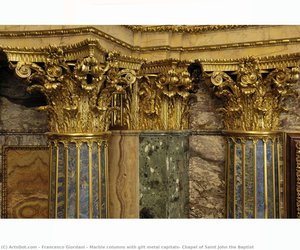
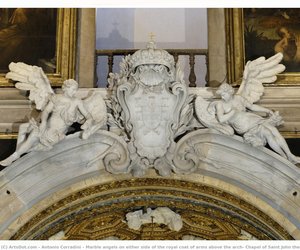
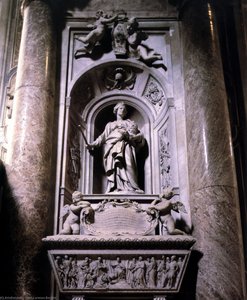
Biografija umetnika
A Life Immersed in Asia: The Journey of Tiziano Terzani
Tiziano Terzani, born in Florence on September 14, 1938, and passing away in Orsigna in 2004, was not merely a journalist; he was an explorer of worlds both physical and spiritual. His origins lay humbly within the working-class heart of Florence—his mother a hatmaker, his father a mechanic—yet his destiny led him far beyond the Renaissance city’s artistic embrace, towards the vast and complex landscapes of Asia. This early grounding instilled in him a profound empathy for the lives of ordinary people, a sensibility that would become the hallmark of his reporting. Terzani's initial academic pursuits in law at the University of Pisa were quickly abandoned as he recognized a deeper calling—a need to understand the world through direct experience rather than legal texts. A brief stint with Olivetti only solidified this conviction, propelling him towards journalism and, ultimately, Asia. His decision wasn’t simply a career shift; it was a radical reorientation of his life, a quest for meaning beyond the confines of Western materialism.From Saigon to Phnom Penh: Witnessing History Unfold
Terzani's arrival in Asia in 1965, initially on assignment for Olivetti, marked the beginning of an extraordinary journey. He quickly transitioned into journalism, becoming a correspondent for *Der Spiegel* and contributing to prominent Italian publications like *Il Giorno*, *Corriere della Sera*, and *La Repubblica*. However, it was his presence during pivotal moments in Southeast Asian history that truly defined his career. Terzani distinguished himself as one of the few Western reporters to bear witness to both the fall of Saigon in 1975 and the harrowing collapse of Phnom Penh under the Khmer Rouge regime. Unlike many of his contemporaries who prioritized swift reporting, Terzani chose immersion—he remained in Vietnam long after evacuation orders were issued, observing the revolution firsthand and forging connections with the people whose lives were being irrevocably altered. This commitment to understanding, rather than simply documenting, became a defining characteristic of his work. His experiences weren’t merely reported; they were *lived*, deeply felt, and conveyed with an emotional resonance rarely found in journalistic writing.The Philosophical Traveler: Seeking Meaning Beyond the Headlines
Terzani's reporting wasn’t solely focused on political upheaval. He possessed a rare intellectual curiosity that led him to explore the philosophical undercurrents of Asian cultures. While he remained an avowed non-believer, his travels were consistently guided by a search for spiritual understanding and a deep respect for the traditions he encountered. This quest is vividly illustrated in his books, which transcend conventional journalism to become profound meditations on the clash between Eastern and Western values. He spent extended periods living amongst diverse communities—in Beijing, Tokyo, Singapore, Bangkok, and New Delhi—learning languages, adopting local customs, and cultivating a unique perspective that allowed him to see beyond surface appearances. His adoption of a Chinese name, 鄧天諾 (Deng Tiannuo), meaning “heavenly promise,” while working in Hong Kong, exemplifies his desire for genuine integration and understanding. This period was abruptly curtailed by his expulsion from China in 1984 on charges of "counter-revolutionary activities," an event that further fueled his critical examination of political power and cultural suppression.Major Works and Lasting Legacy
Terzani’s literary output is extensive, but several works stand out as particularly influential. Pelle di leopardo (Leopard Hide), published in 1973, offered a visceral account of the final stages of the Vietnam War. Giai Phong!, recounting the fall of Saigon, cemented his reputation for courageous and empathetic reporting. However, it was perhaps A Soothsayer Told Me (1995) that captured the public imagination most fully. In this captivating memoir, Terzani recounts his decision to abstain from air travel for a year based on a soothsayer’s prediction of a plane crash—a journey undertaken by slow boats, trains, and highways across Southeast Asia. This unconventional approach not only provided a unique perspective on the region but also served as a powerful critique of Western speed and disconnection. His final book, detailing his battle with cancer, became a bestseller in Italy, demonstrating the profound connection he had forged with his readers. Terzani’s legacy extends beyond journalism; he inspired a generation to question conventional narratives, embrace slow travel, and seek deeper meaning in their own lives. He remains a symbol of courageous reporting, intellectual curiosity, and unwavering commitment to understanding the complexities of our world.A Unique Perspective: Journalism as Exploration
Tiziano Terzani’s significance lies not simply in *what* he reported but in *how* he reported it. He challenged the traditional role of the detached observer, immersing himself in the cultures he chronicled and prioritizing empathy over expediency. His work serves as a powerful reminder that true understanding requires more than just gathering facts; it demands genuine connection, cultural sensitivity, and a willingness to question one’s own assumptions. The Giorgio Cini Foundation's preservation of his library and archive underscores the enduring value of his insights, offering future generations access to a unique perspective on 20th-century Asia and the broader human condition. He wasn’t just reporting on the world; he was exploring it—and in doing so, he transformed journalism into an art form.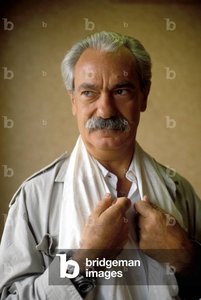
Tiziano Terzani
1938 - 2004 , Italy
Osnovne informacije
- Artistic Movement Or Style: Travel writing art
- Artists Or Movements Influenced By This Artist: ['']
- Artists Who Influenced This Artist: ['Oriana Fallaci']
- Date Of Birth: September 14, 1938
- Date Of Death: July 28, 2004
- Full Name: Tiziano Terzani
- Nationality: Italian
- Notable Artworks: ['Chapel of the Immaculate']
- Place Of Birth: Florence, Italy
Povezani članci

The Visceral Stage: Exploring Dramatic Narratives & Emotional Intensity in Baroque Art
Explore the dramatic world of Baroque art! Discover iconic masters like Caravaggio & Rembrandt, their techniques, and the movement's lasting impact. Expert insights for collectors & enthusiasts at ArtsDot.

Барокна драма: Уношење величине и емоција у савремене ентеријере
Откријте барокну драму и унесите величину у ваш ентеријер! ArtsDot нуди ручно насликане репродукције, персонализоване портрете и стручне консултације за љубитеље класичне уметности. Потражите савршено дело већ данас!

The Dramatic Flourish: Exploring the Baroque Movement's Enduring Legacy in Art History
Explore the dramatic world of Baroque art! Discover iconic artists like Caravaggio & Rubens, defining techniques, and its lasting impact on art history. Expert insights for collectors & enthusiasts at ArtsDot.

Theatricality & Triumph: Baroque Drama in Painting & Sculpture
Explore the dramatic world of Baroque art! Discover its history, defining characteristics, & lasting influence on painting & sculpture. Expert insights into Caravaggio, Zurbarán, and Bernini – plus high-quality reproductions at ArtsDot.

Barok Majstor dela: Top 10 Umjetničkih Remeka za Vaš Dom
Otkrijte 10 remek dela koja su definisala baroknu umetnost! Karavagio, Bernini i više – istražite priče iza ovih ikoničnih slika. Inspiracija za vaš dom? Pogledajte kolekciju na ArtsDot.com!