

 Pregledaj u prostoru
 Pošalji
 Podeli
 Detalji o delu

 Преузми
 Slični predmeti
 Rendgenski snimak
 Slajdovi
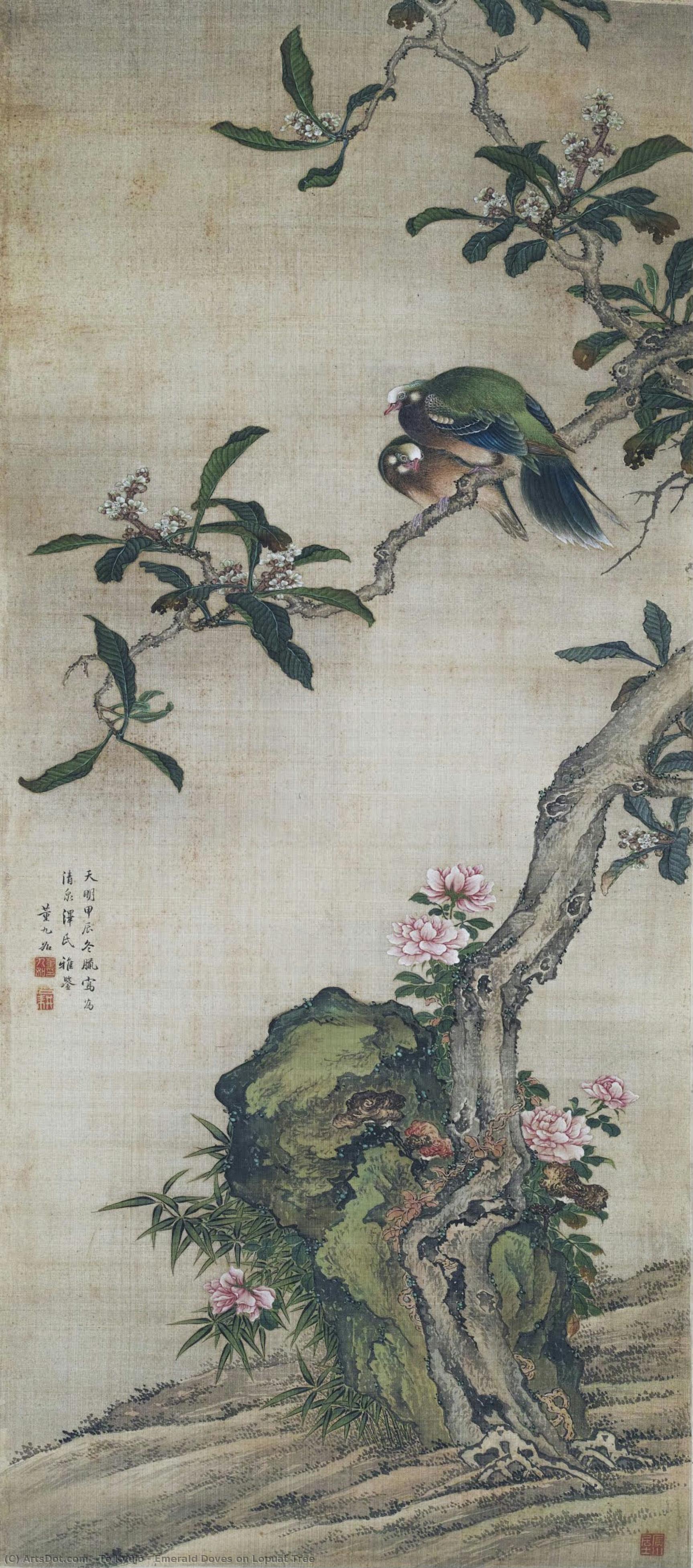
Emerald Doves on Lopuat Tree
 56.0 x 127.0 cm
 Kobe City Museum
 Pročitaj više
Giclee štampa / Umetnički otisak
Giclée štampa ili print na platnu muzejskog kvaliteta uz brzu proizvodnju i fleksibilne opcije završne obrade. ( Kupi ručno naslikanu sliku Kupi digitalnu sliku)




































Izaberite jednu od naših unapred definisanih veličina koje odgovaraju originalnim proporcijama umetničkog dela.

Možete uneti sopstvene dimenzije kako biste umetničko delo prilagodili specifičnom okviru ili prostoru. Ako odabrani format ne odgovara proporcijama originalne slike, mi ćemo ili iscrtati deo dela ili proširiti sliku pomoću ogledane ivice ili jednobojnog popunjavanja. Digitalni prikaz će vam biti poslat na odobrenje pre početka proizvodnje.
Imajte na umu da pregled na ekranu ne odražava stvarno iscrtavanje ili proširivanje. Samo će prikaz (mockup) precizno pokazati finalnu kompoziciju.
Iako su prilagođene dimenzije dostupne, preporučujemo da odaberete dimenziju sa unapred definisane liste kako biste očuvali originalne proporcije.
Dostava širom sveta () za 2 nedelje umesto uobičajenih 4/5 nedelja. (7 септембар)

Besplatna ekspresna dostava širom sveta

Visokokvalitetno laneno platno

Kompletno osiguranje transporta

Garancija povraćaja carine i uvoznih dažbina

Garancija vernosti boja

Politika povraćaja u roku od 100 dana (isključivo u slučaju nedostataka)

Garancija povrata novca od 100%

Popust pri grupnoj kupovini
 Opcija sa staklom dostupna je samo za dimenzije manje od 110 cm

Emerald Doves on Lopuat Tree
Giclee štampa / Umetnički otisak
Dimenzije reprodukcije
-


Konačna cena
$ 62
Srodna umetnička dela










Biografija umetnika
The Legacy of the Tosa Master
In the heart of Kyoto, during the transformative era of the late sixteenth century, a painter emerged whose brushwork would embody the very essence of imperial elegance. tō kyūjō (東久城), born in 1546, was not merely an artist but a vital link in one of Japan's most prestigious artistic lineages: the Tosa school. As the son of Tosa Mitsunobu, the legendary founder of this illustrious tradition, kyūjō was raised within the refined atmosphere of the imperial court's official painters. His life and work represent a golden age of Japanese aesthetics, bridging the gap between the classical traditions of the past and the burgeoning energy of the Azuchi-Momoyama period.
The artistry of tō kyūjō was defined by a profound sense of grace and a meticulous attention to the natural world. His style, deeply rooted in the heritage of his father, drew significant inspiration from the delicate sensibilities of Chinese painting, blending imported techniques with a uniquely Japanese poetic vision. He possessed an extraordinary ability to breathe life into the smallest details, particularly through his mastery of kacho-ga, or bird and flower paintings. In his hands, a single petal or the curve of a bird's wing became a meditation on beauty and impermanence, rendered with subtle coloring and brushwork so fine it seemed to vibrate with life.
A Lineage of Refinement and Skill
To understand the significance of tō kyūjō, one must look at his role within the structural continuity of the Tosa school. He served as a crucial bridge between generations, inheriting the mantle of the courtly style from his father and passing it on to his son, Tosa Mitsumoto, who would eventually lead the school. This continuity ensured that the refined, aristocratic aesthetic—characterized by its clarity, elegance, and narrative precision—remained the standard for imperial patronage during a time of great political upheaval in Japan.
Beyond his celebrated paintings, kyūjō was also a master of calligraphy, an art form that requires the same rhythmic control and spiritual focus as his painterly compositions. This multidisciplinary mastery allowed him to approach every stroke with a holistic understanding of balance and space. His works, such as the evocative Emerald Doves on Lopuat Tree, showcase this ability to capture a fleeting moment of natural serenity through a sophisticated use of color and form.
Historical Significance and Enduring Influence
The period in which tō kyūjō lived, the Azuchi-Momoyama period (1573–1603), was an era of immense cultural flowering and transition. While other schools were beginning to experiment with more bold and dramatic styles, kyūjō remained a steadfast guardian of the classical Tosa elegance. His ability to maintain such high standards of refinement amidst the shifting tides of Japanese history solidified his reputation as one of the greatest masters of his time.
Today, the impact of his work resonates far beyond the borders of ancient Kyoto. His paintings serve as vital historical documents of a lost era of courtly splendor, and his influence can be traced through the centuries of Japanese art history. Because of his dedication to the delicate beauty of the natural world, his masterpieces continue to be cherished in prestigious museums and private collections across the globe, offering modern viewers a window into the soul of classical Japan.
tō kyūjō
1546 - 1616 , Japan
Osnovne informacije
- Artistic Movement Or Style: Tosa school painting
- Date Of Birth: 1546
- Date Of Death: 1616
- Full Name: Tō Kyūjō
- Nationality: Japanese
- Notable Artworks: ['Emerald Doves on Lopuat Tree']
- Place Of Birth: Kyoto, Japan