


 Pregledaj u prostoru
 Pošalji
 Podeli
 Detalji o delu

 Преузми
 Slični predmeti
 Rendgenski snimak
 Slajdovi
 Statistika
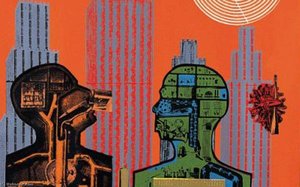
7th November 1936 Madrid
 114.0 x 82.0 cm
 Pablo Iglesias Foundation
 Pročitaj više
Giclee štampa / Umetnički otisak
Giclée štampa ili print na platnu muzejskog kvaliteta uz brzu proizvodnju i fleksibilne opcije završne obrade. ( Kupi ručno naslikanu sliku Pređi na digitalnu sliku)




































Izaberite jednu od naših unapred definisanih veličina koje odgovaraju originalnim proporcijama umetničkog dela.

Možete uneti sopstvene dimenzije kako biste umetničko delo prilagodili specifičnom okviru ili prostoru. Ako odabrani format ne odgovara proporcijama originalne slike, mi ćemo ili iscrtati deo dela ili proširiti sliku pomoću ogledane ivice ili jednobojnog popunjavanja. Digitalni prikaz će vam biti poslat na odobrenje pre početka proizvodnje.
Imajte na umu da pregled na ekranu ne odražava stvarno iscrtavanje ili proširivanje. Samo će prikaz (mockup) precizno pokazati finalnu kompoziciju.
Iako su prilagođene dimenzije dostupne, preporučujemo da odaberete dimenziju sa unapred definisane liste kako biste očuvali originalne proporcije.
Dostava širom sveta () za 2 nedelje umesto uobičajenih 4/5 nedelja. (9 септембар)

Besplatna ekspresna dostava širom sveta

Visokokvalitetno laneno platno

Kompletno osiguranje transporta

Garancija povraćaja carine i uvoznih dažbina

Garancija vernosti boja

Politika povraćaja u roku od 100 dana (isključivo u slučaju nedostataka)

Garancija povrata novca od 100%

Popust pri grupnoj kupovini
 Opcija sa staklom dostupna je samo za dimenzije manje od 110 cm

7th November 1936 Madrid
Giclee štampa / Umetnički otisak
Dimenzije reprodukcije
-


Konačna cena
$ 62
Srodna umetnička dela





Biografija umetnika
Yayoi Kusama: A Universe of Dots and Infinity
Born in Matsumoto, Japan, on March 22, 1929, Yayoi Kusama’s life has been a remarkable journey of artistic exploration intertwined with profound personal struggles. From her early childhood marked by unsettling hallucinations – fields of dots that seemed to invade her vision – to her eventual rise as one of the world's most celebrated contemporary artists, Kusama’s work is deeply rooted in her own psychological landscape. Her art isn’t merely a visual spectacle; it’s an intensely personal expression of obsession, anxiety, and ultimately, a quest for order within chaos.
Kusama’s artistic education was unconventional. She briefly attended the Kyoto City Specialist School of Arts in 1948-49, studying traditional Japanese painting techniques known as *nihonga*. However, she quickly abandoned this path, driven by a desire to break free from societal expectations and pursue her own unique vision. The pivotal moment arrived in 1957 when she moved to New York City, immersing herself in the vibrant, experimental art scene of the late 1950s and early 1960s. This period saw her experimenting with various mediums – painting, sculpture, performance – often pushing boundaries and challenging conventional notions of art.
Early works like her “Infinity Net” paintings—vast canvases covered in meticulously repeated dots—demonstrate a nascent exploration of infinity and the subconscious. These weren’t simply decorative patterns; they represented Kusama's attempts to grapple with her recurring hallucinations, transforming them into a visual language. The obsessive repetition created a mesmerizing effect, drawing viewers into a meditative state and hinting at the artist’s own internal struggles. This period also saw the emergence of her “pumpkins,” soft sculptures covered in polka dots, which would become a defining element of her artistic vocabulary.
The Rise to Global Recognition
Despite experiencing periods of relative obscurity during the 1970s – largely due to mental health challenges and a lack of commercial support – Kusama’s work began to gain renewed attention in the 1980s. This revival coincided with a broader shift in the art world, embracing conceptual art and challenging established hierarchies. Her distinctive style—characterized by vibrant colors, repetitive patterns, and immersive installations—resonated with a generation seeking alternative forms of expression.
A crucial turning point came in 1987 when Kusama’s “Infinity Mirrored Room” debuted at the Guggenheim Museum in New York. These enclosed spaces, filled with mirrors that create an illusion of infinite space, captivated audiences and cemented her status as a major contemporary artist. The experience was profoundly disorienting yet strangely comforting, reflecting the core themes of her work: the desire to overcome anxiety through creative expression and the exploration of the boundaries between self and environment.
Key Artistic Elements and Techniques
Kusama’s artistic language is instantly recognizable, built upon a few key elements. The most prominent is undoubtedly the polka dot – a symbol that has become synonymous with her work. Initially rooted in her childhood hallucinations, the polka dot represents both chaos and order, reflecting Kusama's own struggle to find balance within herself. She frequently employs repetition—not just of dots but also of shapes, colors, and patterns—to create immersive environments that demand prolonged engagement from the viewer.
Beyond the polka dot, Kusama’s work incorporates a wide range of techniques and materials. She works in painting, sculpture, installation art, performance, video art, fashion, poetry, and fiction. Her installations are particularly notable for their scale and sensory impact, often utilizing mirrors, lights, and sound to create truly immersive experiences. Her use of color is bold and unapologetic, frequently employing vibrant hues that evoke a sense of energy and excitement.
Legacy and Influence
Yayoi Kusama’s influence on contemporary art is undeniable. Her work has inspired countless artists across various disciplines, from visual arts to fashion and design. She is widely considered one of the most important living Japanese artists, and her popularity continues to grow globally. Her willingness to openly discuss her mental health struggles—framing them as a catalyst for creativity—has also helped to destigmatize discussions around mental illness and encouraged others to embrace their own unique perspectives.
Kusama’s legacy extends beyond the art world. Her work has been embraced by popular culture, appearing in films, television shows, and advertising campaigns. She continues to create new works at an astonishing pace, demonstrating a boundless energy and a deep commitment to her artistic vision. Her “Infinity Mirrored Rooms” remain incredibly popular, offering visitors a chance to step into a universe of dots and experience the world through Kusama’s intensely personal lens. As of 2013, Yayoi Kusama passed away at the age of 89, leaving behind an extraordinary body of work that continues to captivate and inspire audiences worldwide.
tomás olivar duro
1929 - 2013 , Spain
Osnovne informacije
- Artistic Movement Or Style:
- Minimalism
- Pop art
- Artists Or Movements Influenced By This Artist:
- Conceptual art
- Surrealism
- Artists Who Influenced This Artist:
- Andy Warhol
- Claes Oldenburg
- Date Of Birth: March 22, 1929
- Full Name: Yayoi Kusama
- Nationality: Japanese
- Notable Artworks:
- Infinity Mirrored Room
- Pumpkin
- Place Of Birth: Matsumoto, Japan