

 Pregledaj u prostoru
 Pošalji
 Podeli
 Detalji o delu

 Преузми
 Slični predmeti
 Rendgenski snimak
 Slajdovi
 Statistika
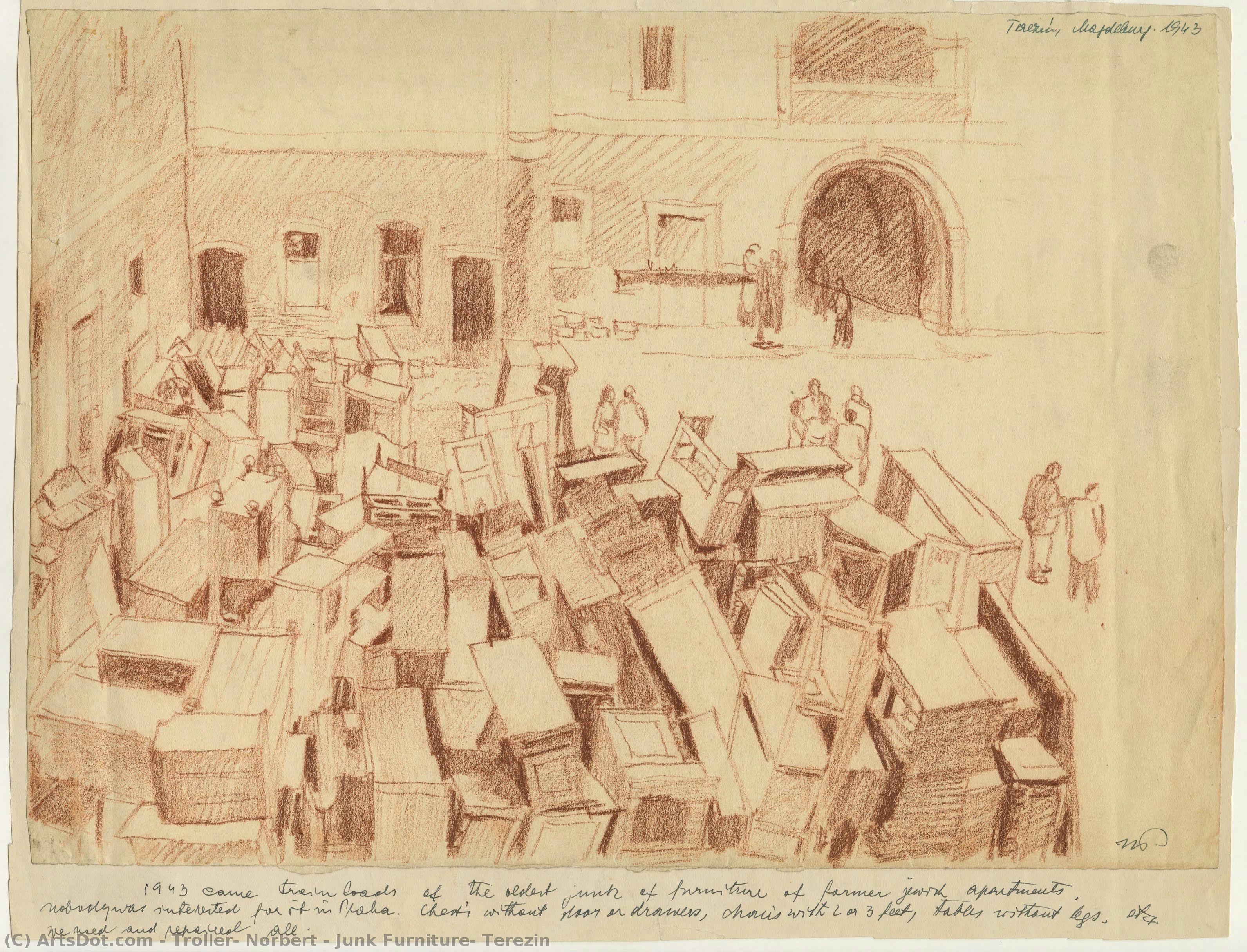
Junk Furniture, Terezin
 Drawing
- WallArt
- Contemporary Realism
 1943
1943- Modern
 38.0 x 28.0 cm
 Leo Baeck Institute
 Pročitaj više
Giclee štampa / Umetnički otisak
Giclée štampa ili print na platnu muzejskog kvaliteta uz brzu proizvodnju i fleksibilne opcije završne obrade. ( Kupi ručno naslikanu sliku Pređi na digitalnu sliku)




P118B $10

P118H $10

P118W $10

P438Z $10

P508JH $12

P508YH $12

P805H $10

P805Z $10

P919BZ $10

P919G $10

P919XJ $10

P959ZH $10

P968JZ $12

W106C $8

W218G $10

W218JH $8

W218Y $10

W307PJ $10

W316G $10

W316PJ $8

W316Y $10

W398PJ $8

W4111J $10

W500HY $15

W500JH $15

W692G $12

W849H $8

W940BG $15

W953PJ $8




Izaberite jednu od naših unapred definisanih veličina koje odgovaraju originalnim proporcijama umetničkog dela.

Možete uneti sopstvene dimenzije kako biste umetničko delo prilagodili specifičnom okviru ili prostoru. Ako odabrani format ne odgovara proporcijama originalne slike, mi ćemo ili iscrtati deo dela ili proširiti sliku pomoću ogledane ivice ili jednobojnog popunjavanja. Digitalni prikaz će vam biti poslat na odobrenje pre početka proizvodnje.
Imajte na umu da pregled na ekranu ne odražava stvarno iscrtavanje ili proširivanje. Samo će prikaz (mockup) precizno pokazati finalnu kompoziciju.
Iako su prilagođene dimenzije dostupne, preporučujemo da odaberete dimenziju sa unapred definisane liste kako biste očuvali originalne proporcije.
Dostava širom sveta () za 2 nedelje umesto uobičajenih 4/5 nedelja. (9 септембар)

Besplatna ekspresna dostava širom sveta

Visokokvalitetno laneno platno

Kompletno osiguranje transporta

Garancija povraćaja carine i uvoznih dažbina

Garancija vernosti boja

Politika povraćaja u roku od 100 dana (isključivo u slučaju nedostataka)

Garancija povrata novca od 100%

Popust pri grupnoj kupovini
 Opcija sa staklom dostupna je samo za dimenzije manje od 110 cm

Junk Furniture, Terezin
Giclee štampa / Umetnički otisak
Dimenzije reprodukcije
-


Konačna cena
$ 62
A Silent Witness to History
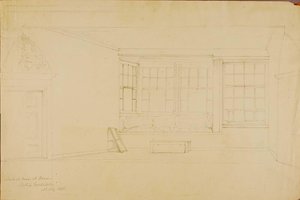
In the hauntingly quiet depths of Norbert Troller’s 1943 drawing, Junk Furniture, Terezin, we are invited into a space that transcends mere clutter to become a profound meditation on loss and survival. Created during one of the darkest chapters of the twentieth century, this work serves as a visceral window into the Theresienstadt concentration camp. The scene, rendered with a stark, monochromatic precision, depicts a courtyard or room overwhelmed by an accumulation of discarded objects—chairs, tables, and remnants of domestic life scattered in a state of disarray. Through his architectural eye, Troller does not merely draw furniture; he captures the fragmented remains of lives interrupted, where the debris of the past becomes the landscape of a claustrophobic present.
The composition is masterfully balanced between chaos and order. While the sheer volume of objects suggests a sense of overwhelming disorder, Troller’s training as an architect allows him to navigate the cluttered space with structural clarity. The way the chairs are positioned—some huddled near walls, others adrift in the center—creates a rhythmic, almost skeletal framework that guides the viewer's eye through the wreckage. The presence of small, human figures within this sea of wood and fabric adds a layer of poignant narrative; these individuals, caught in the act of organizing or moving the debris, remind us that even amidst the profound tragedy of the Holocaust, the human impulse to maintain some semblance of order and agency persists.
Technically, the work relies on the evocative power of light and shadow. The black and white medium strips away any potential for decorative distraction, forcing the viewer to confront the raw textures of the wood, the heavy shadows beneath the tables, and the stark outlines of the figures. This high-contrast approach lends a sculptural quality to the furniture, making each piece feel like a monument to what has been lost. For the collector or the interior designer, this piece offers more than just aesthetic value; it provides a powerful focal point for spaces that demand intellectual depth and emotional resonance. It is a work of immense gravity, perfect for a curated collection that seeks to honor the resilience of the human spirit through the lens of historical truth.
To possess a reproduction of Junk Furniture, Terezin is to hold a piece of a vital historical archive. It is an invitation to contemplate the intersection of architecture, memory, and survival. Whether placed in a gallery setting or a thoughtful residential study, Troller’s work acts as a silent, powerful storyteller, ensuring that the echoes of Theresienstadt are never truly silenced, but rather integrated into our ongoing dialogue with history.
Srodna umetnička dela
Biografija umetnika
early life and education
troller, norbert, a czech-american architect and artist, was born in brno, czech republic in 1896. he served as a soldier in world war i, taken prisoner by the italians but released within a year. after the war, he studied architecture at the brno technical university and later at the academy of fine arts in vienna.artistic expression in the face of adversity
in 1942, troller was deported to theresienstadt concentration camp, where he utilized his artistic skills to document life within the camp. his works, characterized by their poignant portrayal of daily life, serve as a testament to the human spirit's capacity for resilience.notable works and exhibitions
- troller's artwork has been featured in various exhibitions, including "terezin 1942-44: through the eyes of norbert troller" at the yeshiva university museum.
- his designs and sketches have also been showcased in the leo baeck institute's collection, highlighting his architectural expertise within the camp.
- some of his notable works can be found on ArtsDot, a platform dedicated to showcasing artistic masterpieces.
legacy and impact
through his art, troller has left an indelible mark on history, serving as a poignant reminder of the atrocities faced by those in concentration camps during world war ii. his legacy continues to inspire artists and scholars alike.further reading and resources
- troller, norbert | ArtsDot - explore more of troller's artwork on ArtsDot.
- gemäldegalerie alte meister, germany: a comprehensive guide to the old masters gallery - discover the world of european art with this comprehensive guide.
conclusion
norbert troller's life serves as a powerful reminder of the human spirit's capacity for resilience and creativity in the face of adversity. through his artwork, we are offered a poignant glimpse into the lives of those who suffered during world war ii, ensuring their stories are never forgotten.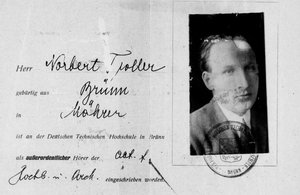
troller, norbert
1896 - 1984 , Czech Republic
Osnovne informacije
- Artistic Movement Or Style: Pre-Raphaelite Brotherhood
- Artists Or Movements Influenced By This Artist: ['Fernand Léger']
- Artists Who Influenced This Artist:
- William Holman Hunt
- John Ruskin
- Date Of Birth: June 8, 1829
- Date Of Death: August 13, 1896
- Full Name: John Everett Millais
- Nationality: English
- Notable Artworks:
- Ophelia
- Christ in the House of His Parents
- Autumn Leaves
- Place Of Birth: Southampton, England
Povezani članci
The Subtleties of White: Exploring Absence, Light & Symbolism in Art History
Explore the profound symbolism & history of white in art! From ancient purity to modern abstraction, discover how artists have used absence & light. Expert insights from ArtsDot.

White on Canvas: 10 Masterpieces & Timeless Elegance for Your Home Decor
Explore 10 iconic white paintings by Monet, Whistler & Rothko! Discover the stories behind these serene masterpieces and their impact on art history. Find museum-quality reproductions for your home decor at .

Chromatic Absence: Exploring the Aesthetic Power of Black & White Art
Explore the captivating world of monochrome art! Discover its rich history, influential artists like Malevich & Klein, and profound emotional impact. Expert insights for collectors & design enthusiasts.

Dark Masterpieces: 10 Iconic Paintings Dominated by Black Tones |
Explore 10 iconic paintings dominated by black tones, from Rembrandt’s chiaroscuro to Goya's dark expressions. Discover the stories behind these masterpieces & find museum-quality art reproductions for your home at .

Monochrome Visions: Exploring the Aesthetic & Historical Significance of Black & White Photography
Explore the rich history & artistic power of black and white photography. From early techniques to iconic masters like Ansel Adams, discover why monochrome continues to captivate art lovers today. Expert insights for collectors.