

 Pregledaj u prostoru
 Pošalji
 Podeli
 Detalji o delu

 Преузми
 Slični predmeti
 Rendgenski snimak
 Slajdovi
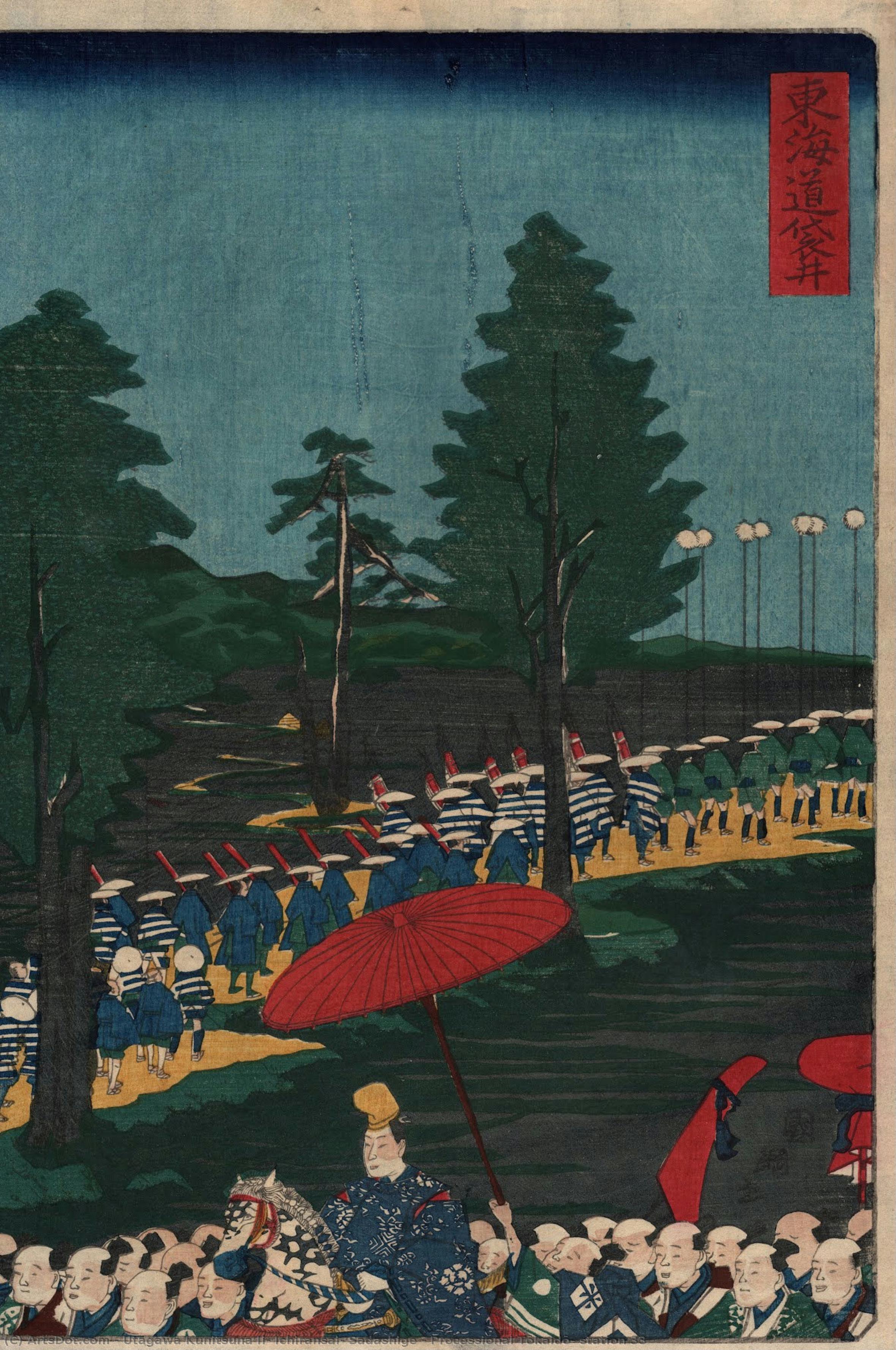
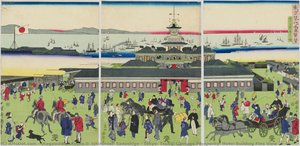
Processional Tōkaidō, station 33
 1863
1863 38.0 x 26.0 cm
 Bujalance Collection
 Pročitaj više
Ručno rađena uljana reprodukcija
Ručno oslikano uljanim bojama na platnu u dimenzijama i okviru po vašem izboru, izrađeno po porudžbini od strane naših umetnika. ( Kupi print Kupi digitalnu sliku)




































Izaberite jednu od naših unapred definisanih veličina koje odgovaraju originalnim proporcijama umetničkog dela.

Можете унети сопствене димензије како бисте прилагодили дело одређеном оквиру или простору. Ако одабрана величина не одговара пропорцијама оригинала, слика ће бити исечена или проширена додатним елементима који се ручно насликавају. Дигитални prikaz ће вам бити послат на одобрење пре почетка производње.
Имајте на уму да преглед на екрану не одражава стварно исецање или проширење. Само приказ (mockup) ће тачно приказати коначну композицију.
Иако су доступне прилагођене величине, препоручујемо да одаберете димензију из дефинисане листе како бисте сачували оригиналне пропорције.
Nakon narudžbine, tim ArtsDot.com će klijentu putem e-pošte poslati uputstva i dostaviti prikaz predloženog rešenja
Isporuka širom sveta () za 3/4 nedelje umesto uobičajenih 5 nedelja. (30 август). Bez kompromisa po pitanju kvaliteta.

Besplatna ekspresna dostava širom sveta

Visokokvalitetno laneno platno

Kompletno osiguranje transporta

Garancija povraćaja carine i uvoznih dažbina

Garancija vernosti boja

Politika povrata u roku od 60 dana (samo u slučaju nedostataka)

Garancija povrata novca od 100%

Popust pri grupnoj kupovini
 Opcija sa staklom dostupna je samo za dimenzije manje od 110 cm

Processional Tōkaidō, station 33
Tehnika reprodukcije
Dimenzije reprodukcije
-


Konačna cena
$ 263
Srodna umetnička dela







Biografija umetnika
The Elusive Brush: Unraveling the Life and Art of Utagawa Kunitsuna Ii
Utagawa Kunitsuna Ii, a name that echoes through the annals of late Edo period ukiyo-e, remains a figure shrouded in intriguing mystery. Also known as Ichiransai Sadashige, his life is documented with frustrating sparseness, making him a compelling subject for art historians and enthusiasts alike. Born sometime during the early to mid-19th century – precise dates remain elusive – Kunitsuna Ii flourished primarily between 1840 and 1870, a period of significant social and artistic transition in Japan. Unlike many of his contemporaries whose lives are richly detailed through diaries and apprenticeships records, Kunitsuna’s origins are largely unknown. This lack of biographical information contributes to the unique allure surrounding his work; each print feels like a fragment of a larger, untold story. He was active during the late Edo period and early Meiji era, witnessing firsthand the decline of the shogunate and the rapid modernization that followed.A Master of Bijin-ga: Portraits of Beauty in a Changing World
Kunitsuna Ii is most celebrated for his exquisite bijin-ga – portraits of beautiful women. His depictions are characterized by an exceptional sensitivity to detail, particularly in the rendering of fabrics and hairstyles, reflecting the prevailing fashions of the time. He wasn’t merely replicating appearances; he captured a sense of inner life, a subtle emotionality that distinguished his work from more formulaic portrayals. While many ukiyo-e artists focused on idealized beauty or theatrical roles, Kunitsuna often presented women in everyday settings, engaged in quiet activities like reading, playing musical instruments, or simply enjoying the scenery. This focus on relatable moments resonated with a burgeoning middle class eager for depictions of contemporary life. His prints frequently feature interior scenes, showcasing the refined tastes and domestic comforts of urban dwellers. The delicate balance between realism and idealization is a hallmark of his style, creating images that are both captivatingly beautiful and subtly evocative.Influences and Artistic Development
Pinpointing Kunitsuna’s artistic lineage proves challenging due to the limited documentation surrounding his early career. However, scholars believe he was heavily influenced by earlier masters of bijin-ga such as Kitagawa Utamaro and Keisai Eisen. He absorbed their techniques for portraying feminine grace and elegance but developed a distinctive style that set him apart. His work demonstrates a keen understanding of color theory, employing sophisticated palettes to create atmospheric effects and highlight the textures of fabrics and skin tones. He also appears to have been influenced by the emerging trends in Western art, particularly in his use of perspective and shading – though he never fully abandoned the traditional conventions of ukiyo-e. His prints from the later part of his career show a growing experimentation with composition and subject matter, suggesting a willingness to push boundaries within the established artistic framework.Major Achievements and Historical Significance
While Kunitsuna Ii may not have achieved the widespread fame of some of his contemporaries like Hokusai or Hiroshige, his contributions to ukiyo-e are significant. He produced a prolific body of work – hundreds of prints depicting a diverse range of subjects, primarily focused on women but also including landscapes and historical scenes.- His series focusing on the “Eight Views of Omi” demonstrate his skill in landscape composition.
- Prints illustrating contemporary life provide valuable insights into the social customs and fashions of the late Edo period.
- The exceptional quality of his color printing techniques ensured that his images retained their vibrancy and beauty over time.
Osnovne informacije
- Artistic Movement Or Style: Ukiyo-e
- Artists Or Movements Influenced By This Artist: ['']
- Artists Who Influenced This Artist: ['']
- Date Of Death: Living
- Full Name: Utagawa Kunitsuna Ii, Ichiransai Sadashige
- Nationality: Japanese
- Notable Artworks: ['None listed']

