

 Pregledaj u prostoru
 Pošalji
 Podeli
 Detalji o delu

 Преузми
 Slični predmeti
 Rendgenski snimak
 Slajdovi
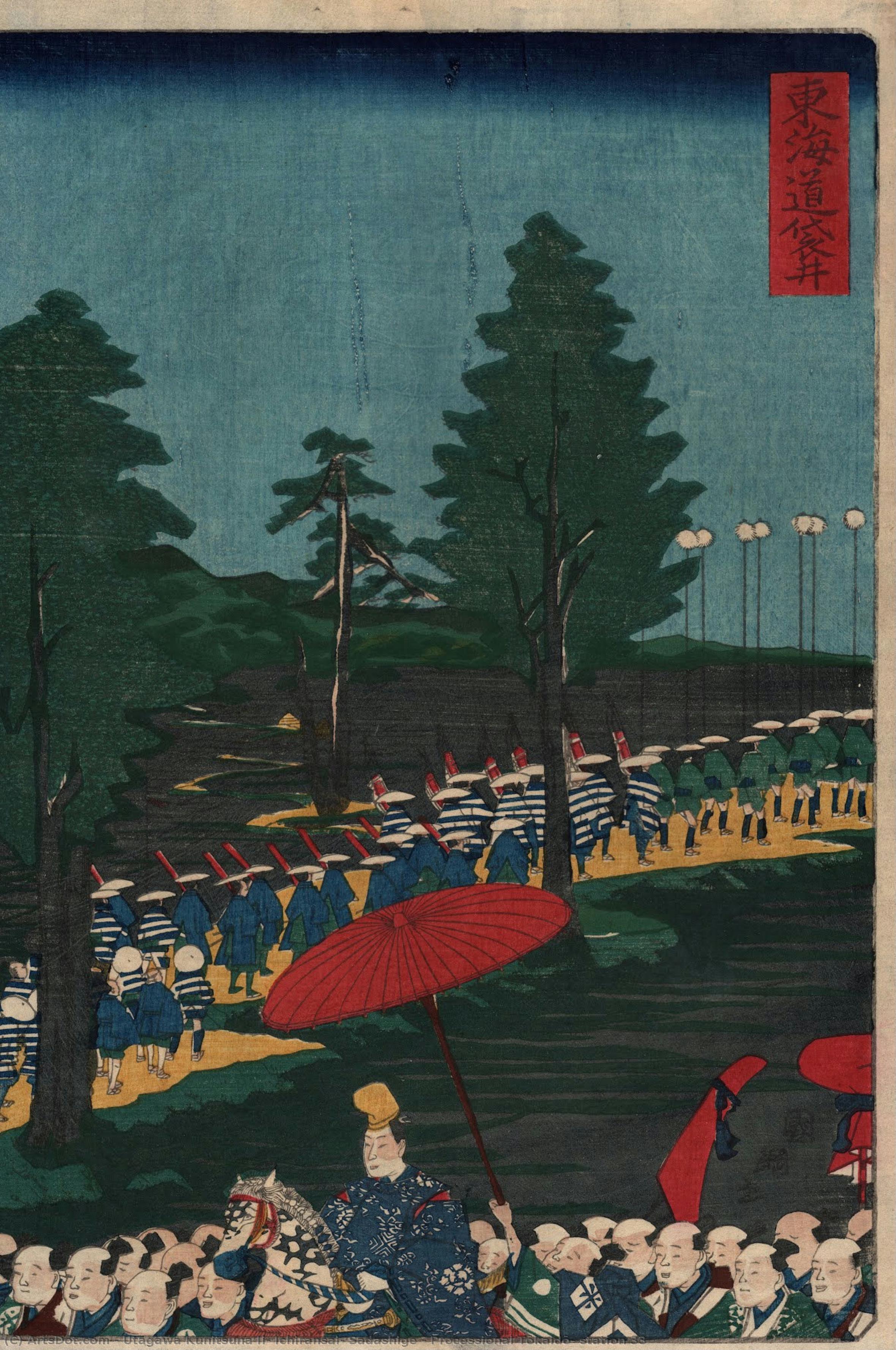
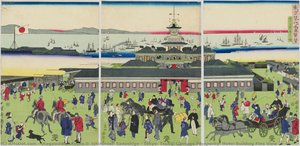
Processional Tōkaidō, station 33
 1863
1863 38.0 x 26.0 cm
 Bujalance Collection
 Pročitaj više
Giclee štampa / Umetnički otisak
Giclée štampa ili print na platnu muzejskog kvaliteta uz brzu proizvodnju i fleksibilne opcije završne obrade. ( Kupi ručno naslikanu sliku Kupi digitalnu sliku)




































Izaberite jednu od naših unapred definisanih veličina koje odgovaraju originalnim proporcijama umetničkog dela.

Možete uneti sopstvene dimenzije kako biste umetničko delo prilagodili specifičnom okviru ili prostoru. Ako odabrani format ne odgovara proporcijama originalne slike, mi ćemo ili iscrtati deo dela ili proširiti sliku pomoću ogledane ivice ili jednobojnog popunjavanja. Digitalni prikaz će vam biti poslat na odobrenje pre početka proizvodnje.
Imajte na umu da pregled na ekranu ne odražava stvarno iscrtavanje ili proširivanje. Samo će prikaz (mockup) precizno pokazati finalnu kompoziciju.
Iako su prilagođene dimenzije dostupne, preporučujemo da odaberete dimenziju sa unapred definisane liste kako biste očuvali originalne proporcije.
Dostava širom sveta () za 2 nedelje umesto uobičajenih 4/5 nedelja. (30 август)

Besplatna ekspresna dostava širom sveta

Visokokvalitetno laneno platno

Kompletno osiguranje transporta

Garancija povraćaja carine i uvoznih dažbina

Garancija vernosti boja

Politika povrata u roku od 60 dana (samo u slučaju nedostataka)

Garancija povrata novca od 100%

Popust pri grupnoj kupovini
 Opcija sa staklom dostupna je samo za dimenzije manje od 110 cm

Processional Tōkaidō, station 33
Giclee štampa / Umetnički otisak
Dimenzije reprodukcije
-


Konačna cena
$ 62
Srodna umetnička dela







Biografija umetnika
The Elusive Brush: Unraveling the Life and Art of Utagawa Kunitsuna Ii
Utagawa Kunitsuna Ii, a name that echoes through the annals of late Edo period ukiyo-e, remains a figure shrouded in intriguing mystery. Also known as Ichiransai Sadashige, his life is documented with frustrating sparseness, making him a compelling subject for art historians and enthusiasts alike. Born sometime during the early to mid-19th century – precise dates remain elusive – Kunitsuna Ii flourished primarily between 1840 and 1870, a period of significant social and artistic transition in Japan. Unlike many of his contemporaries whose lives are richly detailed through diaries and apprenticeships records, Kunitsuna’s origins are largely unknown. This lack of biographical information contributes to the unique allure surrounding his work; each print feels like a fragment of a larger, untold story. He was active during the late Edo period and early Meiji era, witnessing firsthand the decline of the shogunate and the rapid modernization that followed.A Master of Bijin-ga: Portraits of Beauty in a Changing World
Kunitsuna Ii is most celebrated for his exquisite bijin-ga – portraits of beautiful women. His depictions are characterized by an exceptional sensitivity to detail, particularly in the rendering of fabrics and hairstyles, reflecting the prevailing fashions of the time. He wasn’t merely replicating appearances; he captured a sense of inner life, a subtle emotionality that distinguished his work from more formulaic portrayals. While many ukiyo-e artists focused on idealized beauty or theatrical roles, Kunitsuna often presented women in everyday settings, engaged in quiet activities like reading, playing musical instruments, or simply enjoying the scenery. This focus on relatable moments resonated with a burgeoning middle class eager for depictions of contemporary life. His prints frequently feature interior scenes, showcasing the refined tastes and domestic comforts of urban dwellers. The delicate balance between realism and idealization is a hallmark of his style, creating images that are both captivatingly beautiful and subtly evocative.Influences and Artistic Development
Pinpointing Kunitsuna’s artistic lineage proves challenging due to the limited documentation surrounding his early career. However, scholars believe he was heavily influenced by earlier masters of bijin-ga such as Kitagawa Utamaro and Keisai Eisen. He absorbed their techniques for portraying feminine grace and elegance but developed a distinctive style that set him apart. His work demonstrates a keen understanding of color theory, employing sophisticated palettes to create atmospheric effects and highlight the textures of fabrics and skin tones. He also appears to have been influenced by the emerging trends in Western art, particularly in his use of perspective and shading – though he never fully abandoned the traditional conventions of ukiyo-e. His prints from the later part of his career show a growing experimentation with composition and subject matter, suggesting a willingness to push boundaries within the established artistic framework.Major Achievements and Historical Significance
While Kunitsuna Ii may not have achieved the widespread fame of some of his contemporaries like Hokusai or Hiroshige, his contributions to ukiyo-e are significant. He produced a prolific body of work – hundreds of prints depicting a diverse range of subjects, primarily focused on women but also including landscapes and historical scenes.- His series focusing on the “Eight Views of Omi” demonstrate his skill in landscape composition.
- Prints illustrating contemporary life provide valuable insights into the social customs and fashions of the late Edo period.
- The exceptional quality of his color printing techniques ensured that his images retained their vibrancy and beauty over time.
Osnovne informacije
- Artistic Movement Or Style: Ukiyo-e
- Artists Or Movements Influenced By This Artist: ['']
- Artists Who Influenced This Artist: ['']
- Date Of Death: Living
- Full Name: Utagawa Kunitsuna Ii, Ichiransai Sadashige
- Nationality: Japanese
- Notable Artworks: ['None listed']

