

 Pregledaj u prostoru
 Pošalji
 Podeli
 Detalji o delu

 Преузми
 Slični predmeti
 Rendgenski snimak
 Slajdovi
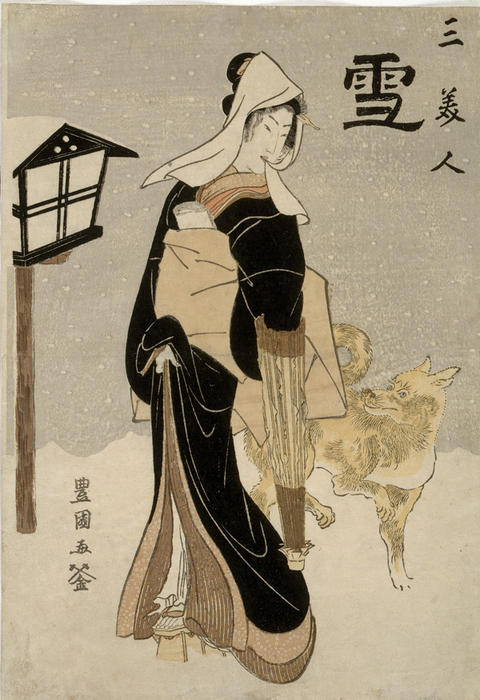
Three Beauties: Snow


 Pročitaj više
Giclee štampa / Umetnički otisak
Giclée štampa ili print na platnu muzejskog kvaliteta uz brzu proizvodnju i fleksibilne opcije završne obrade. ( Kupi ručno naslikanu sliku Kupi digitalnu sliku)




































Izaberite jednu od naših unapred definisanih veličina koje odgovaraju originalnim proporcijama umetničkog dela.

Možete uneti sopstvene dimenzije kako biste umetničko delo prilagodili specifičnom okviru ili prostoru. Ako odabrani format ne odgovara proporcijama originalne slike, mi ćemo ili iscrtati deo dela ili proširiti sliku pomoću ogledane ivice ili jednobojnog popunjavanja. Digitalni prikaz će vam biti poslat na odobrenje pre početka proizvodnje.
Imajte na umu da pregled na ekranu ne odražava stvarno iscrtavanje ili proširivanje. Samo će prikaz (mockup) precizno pokazati finalnu kompoziciju.
Iako su prilagođene dimenzije dostupne, preporučujemo da odaberete dimenziju sa unapred definisane liste kako biste očuvali originalne proporcije.
Dostava širom sveta () za 2 nedelje umesto uobičajenih 4/5 nedelja. (6 септембар)

Besplatna ekspresna dostava širom sveta

Visokokvalitetno laneno platno

Kompletno osiguranje transporta

Garancija povraćaja carine i uvoznih dažbina

Garancija vernosti boja

Politika povrata u roku od 100 dana (samo u slučaju nedostataka)

Garancija povrata novca od 100%

Popust pri grupnoj kupovini
 Opcija sa staklom dostupna je samo za dimenzije manje od 110 cm

Three Beauties: Snow
Giclee štampa / Umetnički otisak
Dimenzije reprodukcije
-


Konačna cena
$ 62
Srodna umetnička dela
Biografija umetnika
Utagawa Toyokuni: The Architect of Utagawa School’s Dominance
Utagawa Toyokuni (1769-1825) stands as a monumental figure in the history of Japanese art, specifically within the vibrant tapestry of ukiyo-e (“pictures of the floating world”). He wasn't merely an artist; he was arguably the catalyst for transforming the Utagawa school into the undisputed powerhouse it became throughout the nineteenth century—a legacy that continues to resonate today. Born in Edo (modern Tokyo), Toyokuni’s lineage traced back to Kurahashi Gorobei, a craftsman specializing in dollmaking and puppet artistry, including meticulously crafted replicas of kabuki actors. This early exposure to theatrical performance would profoundly shape his artistic vision. At around fourteen years old, he embarked on an apprenticeship with Utagawa Toyoharu, the first head of the esteemed Utagawa school, whose workshop was situated nearby. Among his fellow pupils was Toyohiro, whose protégé became Hiroshige, a landscape artist who established a distinct aesthetic that would influence generations to come. Recognizing Toyokuni’s exceptional talent, he adopted the name Utagawa Toyokuni—a customary practice wherein artists incorporated their master's surname—solidifying his position within the artistic hierarchy of the time. Contrary to popular perception as an instinctive genius, Toyokuni demonstrated a remarkable dedication to studying the works of his predecessors, particularly Chōbunsai Eishi and Hiroshige. Through tireless effort and meticulous observation, he synthesized their styles into a singular approach—a style characterized by unparalleled realism combined with artistic innovation. His fame primarily stemmed from his prolific output of kabuki actor prints, where he achieved unprecedented levels of detail and expressive dynamism. Unlike Sharaku, who exaggerated features to convey emotion, Toyokuni’s prints faithfully recreated the onstage experience, capturing actors in action rather than simply presenting portraits. This distinction cemented his reputation as a master storyteller within the theatrical realm. Beyond kabuki, Toyokuni explored diverse genres including warrior prints (musha-e), erotic art (shunga), and notably bijin-ga—portraits of women—each infused with subtle nuances of emotion and psychological insight. His actor prints mirrored Sharaku’s keen eye for capturing the essence of performance, yet Toyokuni's work transcended mere imitation; it conveyed a deeper understanding of human character and theatrical convention. Historians debate whether Sharaku was truly superior as an artist, arguing that Toyokuni possessed a more profound grasp of artistic technique and storytelling. Nevertheless, Toyokuni’s prints captivated audiences and solidified his place as one of Japan's most celebrated ukiyo-e artists.- Notable Achievements: Toyokuni’s enduring influence is evident in the stylistic conventions established by the Utagawa school, which continued to dominate Japanese art for decades after his death.
- Influences: He absorbed the techniques and sensibilities of Chōbunsai Eishi and Hiroshige, skillfully blending them into his own distinctive style.
- Signature Style: Toyokuni’s prints are renowned for their meticulous detail, expressive dynamism, and ability to recreate the atmosphere of kabuki performances.
The Kabuki Canon: Toyokuni's Mastery of Actor Portraits
Toyokuni’s contribution to ukiyo-e is inextricably linked to his unparalleled success in portraying kabuki actors. He elevated actor portraits—known as yakusha-e—to an art form, achieving levels of realism and psychological depth unmatched by his contemporaries. Unlike Sharaku's stylized depictions, Toyokuni meticulously captured the nuances of facial expressions and body posture, conveying not just likeness but also emotion and character. His prints became indispensable tools for theatregoers seeking to immerse themselves in the drama unfolding onstage—a testament to his artistic vision and technical prowess.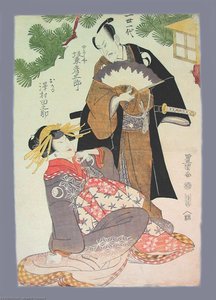
Utagawa Toyokuni
1769 - 1825
Osnovne informacije
- Artistic Movement Or Style: Ukiyo-e
- Artists Or Movements Influenced By This Artist: ['Sharaku']
- Artists Who Influenced This Artist:
- Utagawa Toyoharu
- Hiroshige
- Date Of Birth: 1769
- Date Of Death: 1825
- Full Name: Utagawa Toyokuni
- Nationality: Japanese
- Notable Artworks: ['Nakasen Road, Kumagaya Station']
- Place Of Birth: Tokyo, Japan