

 Pregledaj u prostoru
 Pošalji
 Podeli
 Detalji o delu

 Преузми
 Slični predmeti
 Rendgenski snimak
 Slajdovi
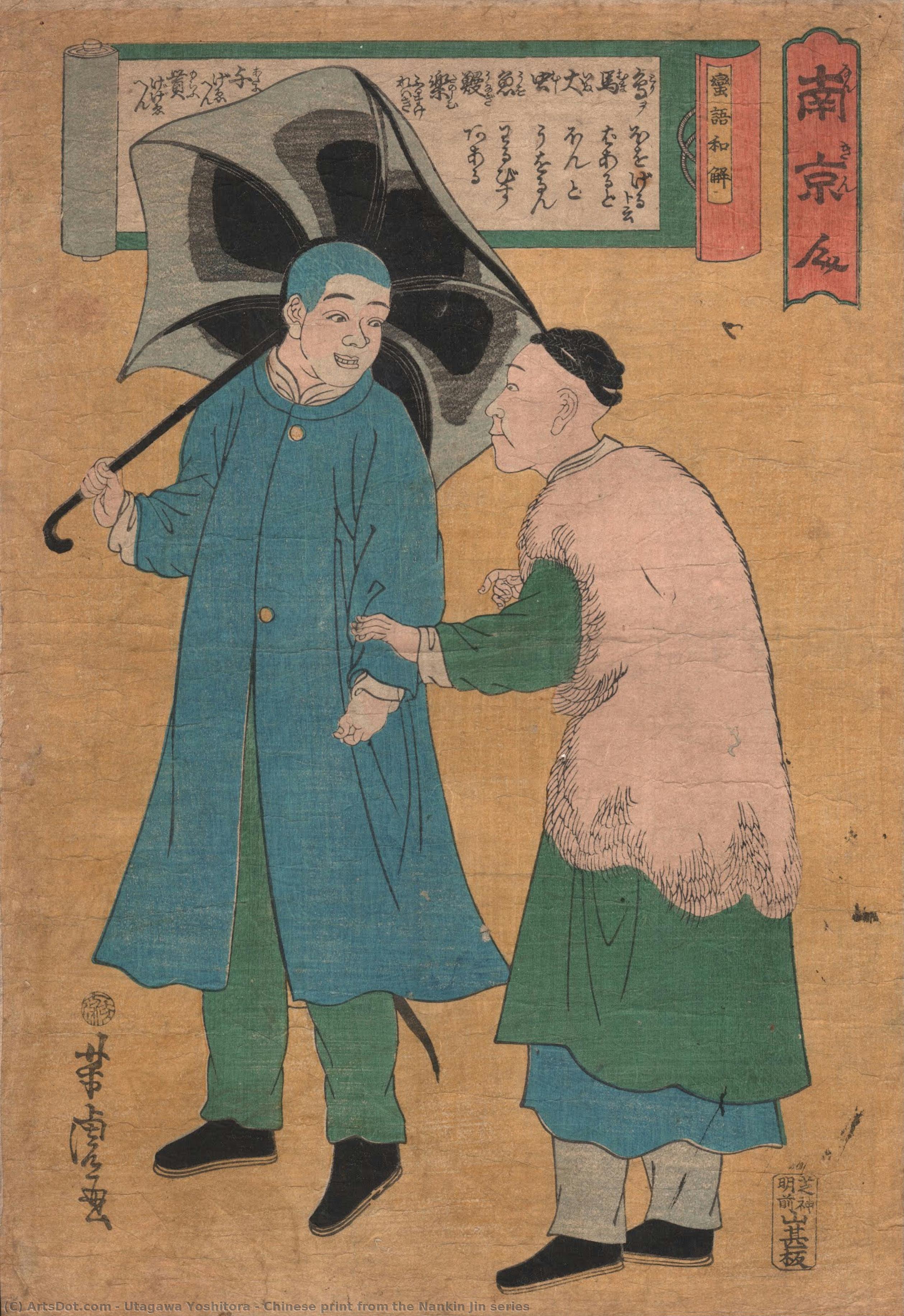
Chinese print from the Nankin Jin series
 Woodblock Print
- Ukiyo-e
 1863
1863- 19th Century
 36.0 x 26.0 cm
 Bujalance Collection
 Pročitaj više
Giclee štampa / Umetnički otisak
Giclée štampa ili print na platnu muzejskog kvaliteta uz brzu proizvodnju i fleksibilne opcije završne obrade. ( Kupi ručno naslikanu sliku Kupi digitalnu sliku)




P118B $10

P118H $10

P118W $10

P438Z $10

P508JH $12

P508YH $12

P805H $10

P805Z $10

P919BZ $10

P919G $10

P919XJ $10

P959ZH $10

P968JZ $12

W106C $8

W218G $10

W218JH $8

W218Y $10

W307PJ $10

W316G $10

W316PJ $8

W316Y $10

W398PJ $8

W4111J $10

W500HY $15

W500JH $15

W692G $12

W849H $8

W940BG $15

W953PJ $8




Izaberite jednu od naših unapred definisanih veličina koje odgovaraju originalnim proporcijama umetničkog dela.

Možete uneti sopstvene dimenzije kako biste umetničko delo prilagodili specifičnom okviru ili prostoru. Ako odabrani format ne odgovara proporcijama originalne slike, mi ćemo ili iscrtati deo dela ili proširiti sliku pomoću ogledane ivice ili jednobojnog popunjavanja. Digitalni prikaz će vam biti poslat na odobrenje pre početka proizvodnje.
Imajte na umu da pregled na ekranu ne odražava stvarno iscrtavanje ili proširivanje. Samo će prikaz (mockup) precizno pokazati finalnu kompoziciju.
Iako su prilagođene dimenzije dostupne, preporučujemo da odaberete dimenziju sa unapred definisane liste kako biste očuvali originalne proporcije.
Dostava širom sveta () za 2 nedelje umesto uobičajenih 4/5 nedelja. (28 август)

Besplatna ekspresna dostava širom sveta

Visokokvalitetno laneno platno

Kompletno osiguranje transporta

Garancija povraćaja carine i uvoznih dažbina

Garancija vernosti boja

Politika povrata u roku od 60 dana (samo u slučaju nedostataka)

Garancija povrata novca od 100%

Popust pri grupnoj kupovini
 Opcija sa staklom dostupna je samo za dimenzije manje od 110 cm

Chinese print from the Nankin Jin series
Giclee štampa / Umetnički otisak
Dimenzije reprodukcije
-


Konačna cena
$ 62
A Window into the Edo Era: The Charm of Utagawa Yoshitora
In the delicate dance of colors and lines that defines the ukiyo-e tradition, few works capture the quiet intimacy of a bygone era as tenderly as "Chinese print from the Nankin Jin series." Created in 1863 by the master Utagawa Yoshitora, this exquisite woodblock print serves as a poignant time capsule. At its heart, the composition presents a serene encounter between two figures dressed in traditional Chinese attire, their silhouettes framed against the architectural elegance of a period building. The man, draped in deep blues, holds an umbrella—a subtle gesture of protection and care—as he engages in conversation with a woman adorned in vibrant green. This simple, domestic moment is elevated by Yoshitor pattern's ability to transform everyday life into a poetic tableau, inviting the viewer to step through a portal into the mid-19th century.
The technical mastery of this piece lies in its rhythmic use of line and the sophisticated application of color characteristic of the Utagawa school. During this period, the Yokohama-e genre was flourishing, driven by an intense curiosity regarding the "other"—whether foreign traders or neighboring cultures like China. Yoshitora utilizes a balanced palette where the cool tones of the man's blue garments contrast harmoniously with the lush, verdant hues of the woman's dress. The precision of the woodblock printing technique allows for fine details in the fabric textures and the structural elements of the background, creating a sense of depth that draws the eye inward. For the collector, this print offers not just a visual delight, but a masterclass in the delicate equilibrium between graphic boldness and subtle nuance.
Historical Resonance and Aesthetic Elegance
To possess or display a reproduction of this work is to embrace a legacy of cultural intersection. The 1860s were a time of profound transformation in Japan, as the borders of the Edo period began to yield to the global influences of the Meiji era. Yoshitora, an artist known for his dynamic energy and ability to adapt to these shifting tides, captures here a moment of stillness amidst a world in motion. The Nankin Jin series itself reflects the era's fascination with the customs and aesthetics of neighboring regions, making this print a significant historical document of how identity and "the foreign" were perceived through the Japanese lens.
For interior designers and connoisseurs of fine art, this piece offers unparalleled versatility. Its soft yet commanding color palette makes it an ideal focal point for a curated gallery wall or a sophisticated study. The emotional impact of the work—one of tranquility, connection, and nostalgic beauty—can transform a modern living space into a sanctuary of culture and reflection. Whether integrated into a minimalist contemporary setting to provide a touch of historical warmth or paired with classical decor to enhance an atmosphere of grandeur, this reproduction of Yoshitora’s genius remains a timeless investment in aesthetic storytelling.
Srodna umetnička dela
![Neko No Shibai 猫の芝居 [cat Theatre] — Utagawa Kunimasa, Ukiyo-e](/media/artworks/images-thumb/94/a5/94a54e4879ac44853d6307509f6732d0.jpg)
Biografija umetnika
The Dynamic Brush of Utagawa Yoshitora: A Life Immersed in Action and Innovation
Utagawa Yoshitora, a name resonating within the vibrant world of *ukiyo-e*, stands as a compelling figure whose career bridged traditional Japanese artistry with an increasingly globalized aesthetic. Born into a lineage of printmakers – though precise dates remain elusive – Yoshitora flourished during the late Edo and early Meiji periods (roughly 1830s to 1880s), a time of immense social and artistic upheaval in Japan. He navigated this shifting landscape with remarkable adaptability, leaving behind a body of work characterized by dynamic compositions, bold color palettes, and an intriguing fusion of Japanese and Western influences. While often overshadowed by his more celebrated contemporaries like Kuniyoshi, Yoshitora’s contributions are increasingly recognized for their unique energy and historical significance. His artistic journey unfolded under several names – Ichimōsai Yoshitora, Kinchōrō Yoshitora, and Mosai Yoshitora – a practice not uncommon among *ukiyo-e* artists who adopted different art names throughout their careers to mark stylistic shifts or periods of production.A Canvas of Conflict: Samurai Battles and Historical Narratives
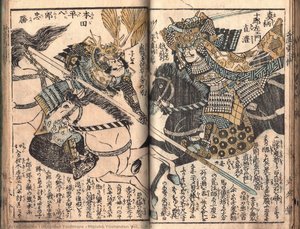
Yoshitora’s artistic reputation rests primarily on his depictions of samurai battles, warriors, and historical scenes. He possessed a keen eye for dramatic storytelling, translating epic conflicts onto woodblock prints with breathtaking detail. Unlike some artists who focused solely on idealized heroism, Yoshitora often imbued his battle scenes with a raw, visceral energy. His compositions are rarely static; instead, they explode with movement – clashing swords, rearing horses, and the determined expressions of combatants locked in fierce struggle. He wasn’t merely illustrating history; he was *recreating* it, capturing the chaos and intensity of warfare. This commitment to dynamic representation extended beyond individual battles, encompassing broader historical narratives and legendary tales of valor. His series depicting famous generals and their exploits became particularly popular, appealing to a public fascinated by both the glory and tragedy of Japan’s warrior past. The influence of earlier masters like Hokusai and Kuniyoshi is evident in his early works, but Yoshitora quickly developed a distinctive style marked by bolder outlines and more expressive use of color.Embracing the West: A Fusion of Styles
The arrival of Western culture in Japan during the late Edo period profoundly impacted *ukiyo-e* artists, and Yoshitora was among those most receptive to these new influences. He didn’t simply copy Western techniques; instead, he selectively integrated them into his existing artistic vocabulary. This is particularly noticeable in his use of perspective – a concept largely absent from traditional Japanese art – which he employed to create a greater sense of depth and realism in his compositions. Furthermore, Yoshitora experimented with shading and modeling techniques borrowed from European prints, adding volume and texture to his figures. His depictions of Western military uniforms and weaponry, often incorporated into scenes alongside traditional samurai armor, are testament to his curiosity and willingness to embrace the unfamiliar. This fusion of Eastern and Western elements wasn’t merely a stylistic quirk; it reflected Japan’s broader engagement with the world and its evolving identity during a period of rapid modernization.Beyond the Battlefield: Bijin-ga and Diverse Subject Matter
While best known for his warrior prints, Yoshitora's artistic range extended beyond the realm of conflict. He also produced *bijin-ga* – portraits of beautiful women – showcasing a delicate sensitivity and refined aesthetic sensibility. These works reveal a different facet of his talent, demonstrating his ability to capture not only action but also grace and elegance. His *bijin-ga* often depict courtesans or fashionable townswomen engaged in everyday activities, offering glimpses into the lives and customs of Edo society. Moreover, Yoshitora ventured into other subject areas, including landscapes, actors, and even Chinese print series, further highlighting his versatility as an artist. This diversity suggests a desire to appeal to a broad audience and explore different facets of Japanese culture.Legacy and Historical Significance
Utagawa Yoshitora’s legacy lies in his ability to synthesize tradition and innovation, creating *ukiyo-e* prints that are both visually striking and historically informative. He wasn't simply a follower of established conventions; he was an active participant in the evolution of Japanese art, pushing boundaries and experimenting with new techniques. His bold compositions, dynamic energy, and willingness to embrace Western influences set him apart from his contemporaries and paved the way for future generations of printmakers. While his work may not be as widely recognized as that of Hokusai or Kuniyoshi, Yoshitora’s contributions are increasingly appreciated by scholars and collectors alike. His prints offer a unique window into a pivotal period in Japanese history – a time of conflict, change, and cultural exchange – and serve as a testament to the enduring power of *ukiyo-e* art.- Key Themes: Samurai battles, historical narratives, warrior culture, fusion of Eastern and Western styles.
- Notable Series: Depictions of famous generals, legendary tales of valor, *bijin-ga* portraits.
- Influences: Hokusai, Kuniyoshi, European printmaking techniques.
Povezani članci

Katsushika Hokusai: 25 Remek-dela Japanskog Umetnika za Vaš Dom | ArtsDot
Uronite u svet Katsushike Hokusaija! Otkrijte 25 remek-dela japanskog umetnika, uključujući čuveni 'Veliki talas'. Ukiyo-e štampe, pejzaži i istorija iza svakog dela. Pronađite inspiraciju za dekor enterijera i kupite reprodukcije slika vrhunskog kvaliteta na ArtsDot.com.
Ukiyo-e: Exploring Japan's Floating World & Enduring Artistic Legacy
Explore the captivating world of Ukiyo-e – Japan's iconic woodblock prints! Discover masters like Hokusai & Hiroshige, learn about Edo period culture, and find expert art collecting guidance at ArtsDot.
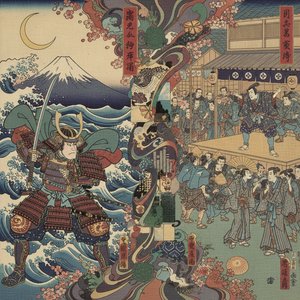
Utagawa Kuniyoshi: A Master of Japanese Ukiyo-e – Narrative Innovation & the Fusion of Tradition with Popular Culture
Explore the captivating world of Utagawa Kuniyoshi, a master of Japanese ukiyo-e woodblock prints. Discover his innovative warrior scenes, vibrant landscapes & lasting legacy in 19th-century art history.
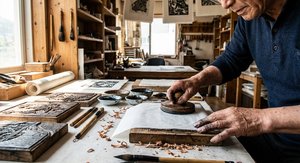
The Enduring Legacy of Woodblock Printmaking: Technique, History & Artistic Expression
Explore the rich history of woodblock printmaking – from ancient techniques to Ukiyo-e masterpieces. Discover expert insights on collecting, preserving & appreciating this enduring art form.
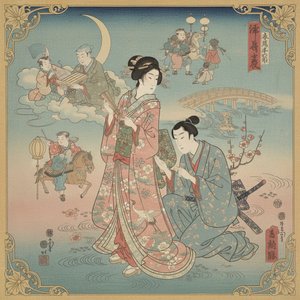
Suzuki Harunobu: Pioneering Ukiyo-e & the Refinement of Edo Period Printmaking
Discover the revolutionary world of Suzuki Harunobu, a pioneer of ukiyo-e printmaking. Explore his exquisite nishiki-e techniques, diverse subjects & lasting impact on Japanese art history. Learn more at ArtsDot.

