 Pregledaj u prostoru
 Pošalji
 Podeli
 Detalji o delu

 Преузми
 Slični predmeti
 Rendgenski snimak
 Slajdovi
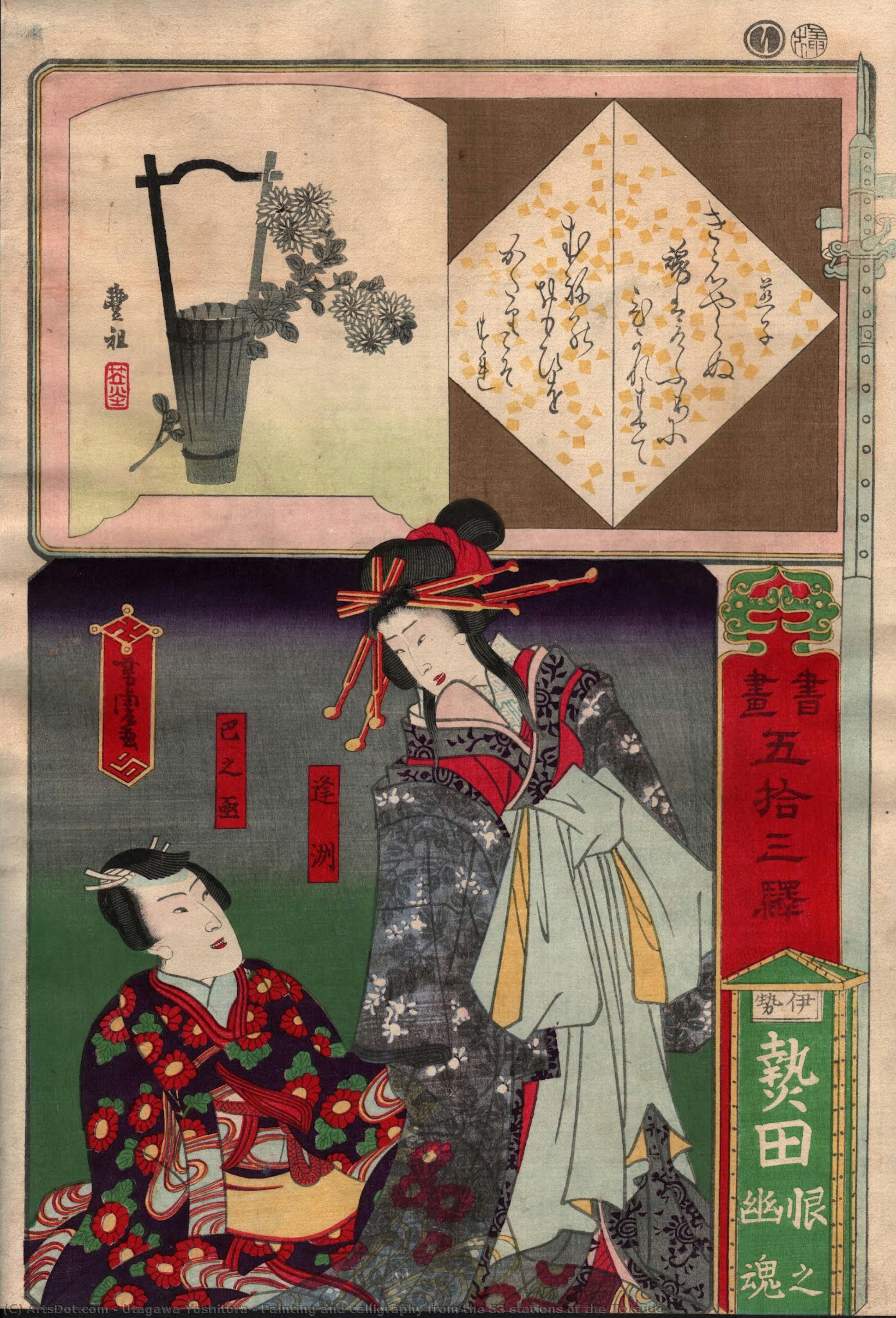
Painting and calligraphy from the 53 stations of the Tōkaidō
 Woodblock Print
- Ukiyo-e
 1872
1872- 19th Century
 38.0 x 26.0 cm
 Bujalance Collection
 Pročitaj više
Kupite digitalnu sliku visoke rezolucije i poboljšanog kvaliteta, koja je znatno superiornija od onoga što vidite u online prikazu.
Svaka datoteka je pedantno pripremljena od strane naših stručnjaka koristeći napredne alate i profesionalnu ručnu retušu. Osiguravamo da svaka slika ima izuzetnu oštrinu, preciznu reprodukciju boja i fine detalje.
Konačna datoteka se dostavlja putem e-pošte u roku od 72 sata, optimizovana za neposrednu upotrebu u profesionalnim, izdavačkim i štamparskim okruženjima. To je isti kvalitet kojem veruju vrhunski studiji dizajna, izdavači i galerije.
Digitalna slika
Preuzmite datoteku visoke rezolucije za ličnu upotrebu, štampanje i kreativne projekte. ( Kupi print Kupi ručno naslikanu sliku)
Uključeno uz svaku porudžbinu digitalne slike
Profesionalna digitalna isporuka, zagarantovana
Kada odaberete ArtsDot.com, ne dobijate samo sliku – vi primate profesionalno unapređeno digitalno umetničko delo, izrađeno sa najvećom preciznošću i uz garanciju zadovoljstva. Evo svega što automatski dolazi uz vašu porudžbinu:

Brza dostava putem e-pošte
Vaša digitalna slika visoke rezolucije biće vam poslata putem e-pošte u roku od 72 sata od poručivanja – spremna za trenutnu upotrebu.

Digitalna datoteka unapređena veštačkom inteligencijom
Vaše umetničko delo je profesionalno optimizovano korišćenjem naprednih AI alata i ručne obrade, čime se osiguravaju maksimalni detalji, oštrina i preciznost boja.

Besplatna ponovna isporuka doživotno
Slučajno ste obrisali ili izgubili svoju datoteku? Ne brinite – poslaćemo vam je ponovo u bilo kom trenutku, potpuno besplatno.

Bez troškova uvoza – zauvek
Uživajte u svojim umetničkim delima trenutno, bez carine, dažbina ili troškova dostave – digitalni download je uvek bez poreza.

Garancija vernosti boja
Uz pomoć profesionalnih alata i upravljanja bojama, osiguravamo da vaša digitalna slika što vernije odražava originalne boje.

Garancija zadovoljstva u roku od 60 dana
Ako niste zadovoljni svojom digitalnom slikom, revidirat ćemo je ili vratiti 100% novca u roku od 60 dana – bez ikakvih pitanja.

100% garancija povrata novca
Niste zadovoljni? Obezbedite pun povrat novca u roku od 60 dana od trenutka kada ste primili svoju digitalnu datoteku – bez suvišnih pitanja.

Popusti na velike porudžbine
Kupite 3 slike, uštedite 10% - Kupite 5 slika, uštedite 15% - Kupite 10+ slika, uštedite 20%. Odlično za kreativne projekte, galerije i agencije.
A Window into Meiji Japan: The Elegance of Atsuta Station
In the delicate dance of ink and color, Utagawa Yoshitora captures a fleeting moment from the transformative era of the late Edo and early Meiji periods. His work, Painting and calligraphy from the 53 stations of the Tōkaidō, specifically focusing on the Atsuta station in Ise province, serves as more than just a landscape; it is a poetic dialogue between tradition and the encroaching modern world. The composition presents a captivating duality, where the upper register features graceful calligraphic text paired with evocative imagery, while the lower section offers a secondary, intimate glimpse into the life of the station. This structural rhythm invites the viewer to linger, moving their eyes across the ōban tate-e format as if walking along the historic Tōkaidō road itself.
The scene unfolds with a profound sense of serenity and grace, depicting two women adorned in traditional Asian attire. One figure, poised with quiet dignity, holds a delicate vase, while her companion rests near her, perhaps holding a fan—elements that suggest a moment of respite during a long journey. The artistry of Yoshitora lies in his ability to imbue these figures with a lifelike presence, using soft lines and a balanced palette that evokes the gentle atmosphere of a spring afternoon. For the collector, this piece offers a window into a vanished way of life, where every fold of silk and every brushstroke of the landscape tells a story of cultural continuity.
The Intersection of Tradition and Modernity
What makes this particular series truly extraordinary is its subtle, almost subversive, inclusion of modernity within a classical framework. While the subject matter celebrates the timeless beauty of the Japanese landscape and its inhabitants, Yoshitora introduces an unexpected element: a telegraph pole that stretches vertically along the right edge of the print. This single, slender line acts as a visual metaphor for the rapid industrialization sweeping through Japan in 1872. It creates a fascinating tension between the ancient calligraphy and the new technology, reminding the observer that even amidst profound change, the essence of the journey remains constant.
For interior designers and lovers of fine art, this masterpiece offers an unparalleled opportunity to introduce a sense of historical depth and narrative complexity into a space. The print’s ability to harmonize the organic beauty of nature with the structured geometry of human progress makes it a versatile centerpiece. Whether placed in a contemporary gallery setting or a classic study, the work commands attention through its sophisticated composition and its evocative depiction of a world in transition. Owning a high-quality reproduction of this piece is not merely about decorating a wall; it is about preserving a fragment of history that continues to resonate with beauty, innovation, and soul.
Srodna umetnička dela
Biografija umetnika
The Dynamic Brush of Utagawa Yoshitora: A Life Immersed in Action and Innovation
Utagawa Yoshitora, a name resonating within the vibrant world of *ukiyo-e*, stands as a compelling figure whose career bridged traditional Japanese artistry with an increasingly globalized aesthetic. Born into a lineage of printmakers – though precise dates remain elusive – Yoshitora flourished during the late Edo and early Meiji periods (roughly 1830s to 1880s), a time of immense social and artistic upheaval in Japan. He navigated this shifting landscape with remarkable adaptability, leaving behind a body of work characterized by dynamic compositions, bold color palettes, and an intriguing fusion of Japanese and Western influences. While often overshadowed by his more celebrated contemporaries like Kuniyoshi, Yoshitora’s contributions are increasingly recognized for their unique energy and historical significance. His artistic journey unfolded under several names – Ichimōsai Yoshitora, Kinchōrō Yoshitora, and Mosai Yoshitora – a practice not uncommon among *ukiyo-e* artists who adopted different art names throughout their careers to mark stylistic shifts or periods of production.A Canvas of Conflict: Samurai Battles and Historical Narratives
Yoshitora’s artistic reputation rests primarily on his depictions of samurai battles, warriors, and historical scenes. He possessed a keen eye for dramatic storytelling, translating epic conflicts onto woodblock prints with breathtaking detail. Unlike some artists who focused solely on idealized heroism, Yoshitora often imbued his battle scenes with a raw, visceral energy. His compositions are rarely static; instead, they explode with movement – clashing swords, rearing horses, and the determined expressions of combatants locked in fierce struggle. He wasn’t merely illustrating history; he was *recreating* it, capturing the chaos and intensity of warfare. This commitment to dynamic representation extended beyond individual battles, encompassing broader historical narratives and legendary tales of valor. His series depicting famous generals and their exploits became particularly popular, appealing to a public fascinated by both the glory and tragedy of Japan’s warrior past. The influence of earlier masters like Hokusai and Kuniyoshi is evident in his early works, but Yoshitora quickly developed a distinctive style marked by bolder outlines and more expressive use of color.Embracing the West: A Fusion of Styles
The arrival of Western culture in Japan during the late Edo period profoundly impacted *ukiyo-e* artists, and Yoshitora was among those most receptive to these new influences. He didn’t simply copy Western techniques; instead, he selectively integrated them into his existing artistic vocabulary. This is particularly noticeable in his use of perspective – a concept largely absent from traditional Japanese art – which he employed to create a greater sense of depth and realism in his compositions. Furthermore, Yoshitora experimented with shading and modeling techniques borrowed from European prints, adding volume and texture to his figures. His depictions of Western military uniforms and weaponry, often incorporated into scenes alongside traditional samurai armor, are testament to his curiosity and willingness to embrace the unfamiliar. This fusion of Eastern and Western elements wasn’t merely a stylistic quirk; it reflected Japan’s broader engagement with the world and its evolving identity during a period of rapid modernization.Beyond the Battlefield: Bijin-ga and Diverse Subject Matter
While best known for his warrior prints, Yoshitora's artistic range extended beyond the realm of conflict. He also produced *bijin-ga* – portraits of beautiful women – showcasing a delicate sensitivity and refined aesthetic sensibility. These works reveal a different facet of his talent, demonstrating his ability to capture not only action but also grace and elegance. His *bijin-ga* often depict courtesans or fashionable townswomen engaged in everyday activities, offering glimpses into the lives and customs of Edo society. Moreover, Yoshitora ventured into other subject areas, including landscapes, actors, and even Chinese print series, further highlighting his versatility as an artist. This diversity suggests a desire to appeal to a broad audience and explore different facets of Japanese culture.Legacy and Historical Significance
Utagawa Yoshitora’s legacy lies in his ability to synthesize tradition and innovation, creating *ukiyo-e* prints that are both visually striking and historically informative. He wasn't simply a follower of established conventions; he was an active participant in the evolution of Japanese art, pushing boundaries and experimenting with new techniques. His bold compositions, dynamic energy, and willingness to embrace Western influences set him apart from his contemporaries and paved the way for future generations of printmakers. While his work may not be as widely recognized as that of Hokusai or Kuniyoshi, Yoshitora’s contributions are increasingly appreciated by scholars and collectors alike. His prints offer a unique window into a pivotal period in Japanese history – a time of conflict, change, and cultural exchange – and serve as a testament to the enduring power of *ukiyo-e* art.- Key Themes: Samurai battles, historical narratives, warrior culture, fusion of Eastern and Western styles.
- Notable Series: Depictions of famous generals, legendary tales of valor, *bijin-ga* portraits.
- Influences: Hokusai, Kuniyoshi, European printmaking techniques.