Meni
Pregledaj u prostoruPregledaj u prostoru AR pregledAR pregled Kupi ručno naslikanu sliku Kupi ručno naslikanu slikuPređi na digitalnu sliku Pređi na digitalnu sliku PošaljiPošalji
Detalji o deluDetalji o delu Dodaj u omiljene Dodaj u omiljene ПреузмиПреузми Slični predmetiSlični predmeti Rendgenski snimakRendgenski snimak SlajdoviSlajdovi StatistikaStatistika

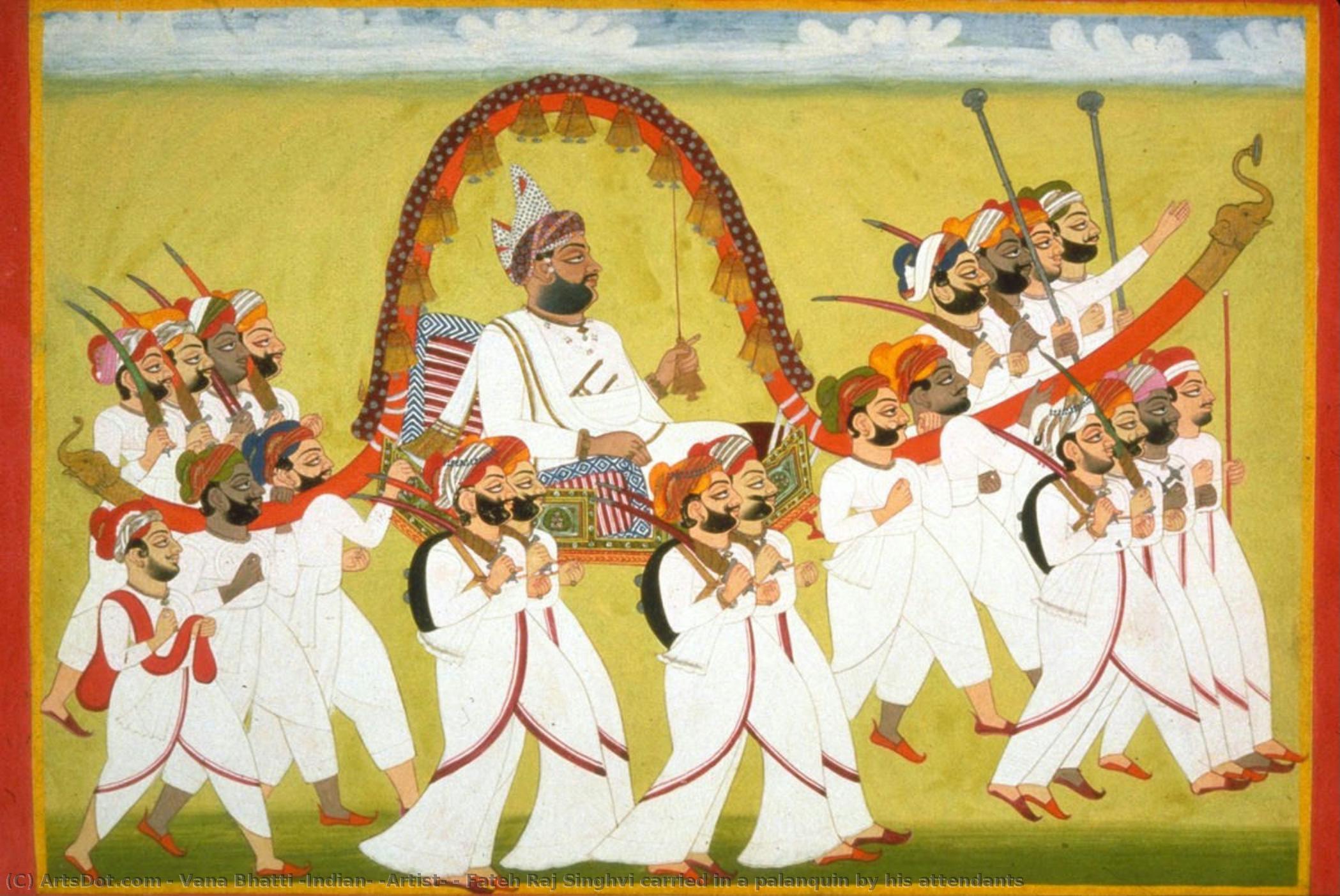
Fateh Raj Singhvi carried in a palanquin by his attendants

An Indian master of traditional portraiture known for capturing the grandeur of the Jodhpur court in works like Fateh Raj Singhvi carried in a palanquin by his attendants, inviting you to discover a lost era of royal splendor.

Giclee štampa / Umetnički otisak

Giclée štampa ili print na platnu muzejskog kvaliteta uz brzu proizvodnju i fleksibilne opcije završne obrade. (Kupi ručno naslikanu sliku Kupi ručno naslikanu slikuPređi na digitalnu sliku Pređi na digitalnu sliku)

Standardne dimenzije
po meri
CM
INCH

Izaberite jednu od naših unapred definisanih veličina koje odgovaraju originalnim proporcijama umetničkog dela.

širina
visina

Možete uneti sopstvene dimenzije kako biste umetničko delo prilagodili specifičnom okviru ili prostoru. Ako odabrani format ne odgovara proporcijama originalne slike, mi ćemo ili iscrtati deo dela ili proširiti sliku pomoću ogledane ivice ili jednobojnog popunjavanja. Digitalni prikaz će vam biti poslat na odobrenje pre početka proizvodnje.
Imajte na umu da pregled na ekranu ne odražava stvarno iscrtavanje ili proširivanje. Samo će prikaz (mockup) precizno pokazati finalnu kompoziciju.
Iako su prilagođene dimenzije dostupne, preporučujemo da odaberete dimenziju sa unapred definisane liste kako biste očuvali originalne proporcije.

Dostava širom sveta () za 2 nedelje umesto uobičajenih 4/5 nedelja. (9 септембар)

why_choose_icon
Besplatna ekspresna dostava širom sveta
why_choose_icon
Visokokvalitetno laneno platno
why_choose_icon
Kompletno osiguranje transporta
why_choose_icon
Garancija povraćaja carine i uvoznih dažbina
why_choose_icon
Garancija vernosti boja
why_choose_icon
Politika povraćaja u roku od 100 dana (isključivo u slučaju nedostataka)
why_choose_icon
Garancija povrata novca od 100%
why_choose_icon
Popust pri grupnoj kupovini

Ukupna cena

$ 62

reproduction

Fateh Raj Singhvi carried in a palanquin by his attendants

Giclee štampa / Umetnički otisak

Dimenzije reprodukcije

-

Konačna cena

$ 62

Before the Age of Profile Pictures: Indian Portraiture A portrait, typically an image of an individual showing a likeness, conveys information about who they are, or perhaps, how they want to be seen. Portraits combine aspects of the “real” and the observed with the idealized and the imaginary, to make for powerful messages about one’s identity and self-image. Before the twentieth century, portraits in India were mainly of kings, politicians, or important teachers—people whose skills, achievements, or contributions were considered worthy of memorializing. It was a high privilege to have one’s portrait made as it required resources to acquire the artistic talent and expensive materials. Numerous portraits of Indian rulers and noblemen survive from after the 1700s. They were included in dynastic or family histories, exchanged as personal and diplomatic gifts, and seen in public and private settings. Through an artist’s eye—and conveyed by clothing, accessories, and settings— portraits emphasized an individual’s character, abilities, status, and role in society. Today, with the easy access to smart phones and social media, portraits as selfies and profile pictures proliferate in ways not seen before. They have become democratized in many respects, as each person can independently control the message and circulate it widely and quickly without the mediation of an artist’s interpretation. Yet, like the paintings on view here, ideas about who we are and what we want others to see about us remain key features of the art of the selfie. , A high-ranking minister at the Jodhpur royal court, Fateh Raj Singhvi is seen here traveling with his impressive entourage. He is the unmistakable focus of the painting: his crowned and seated figure is the largest in size; it is positioned at the center of the image and framed by the palanquin canopy. He is well protected by his private army and his arrival is announced by standard-bearers. Such symbols and protocols are established conventions for Indian rulers. But here, a visual association is made between the power and privileges of royalty and Fateh Raj—who was a minister and not a king. An inscription on this painting’s reverse gives the name of Fateh Raj, and the rendering of his face, although stylized, suggests his distinctive features, giving the portrait a specificity.