

 Pregledaj u prostoru
 Pošalji
 Podeli
 Detalji o delu

 Преузми
 Slični predmeti
 Rendgenski snimak
 Slajdovi
 Statistika
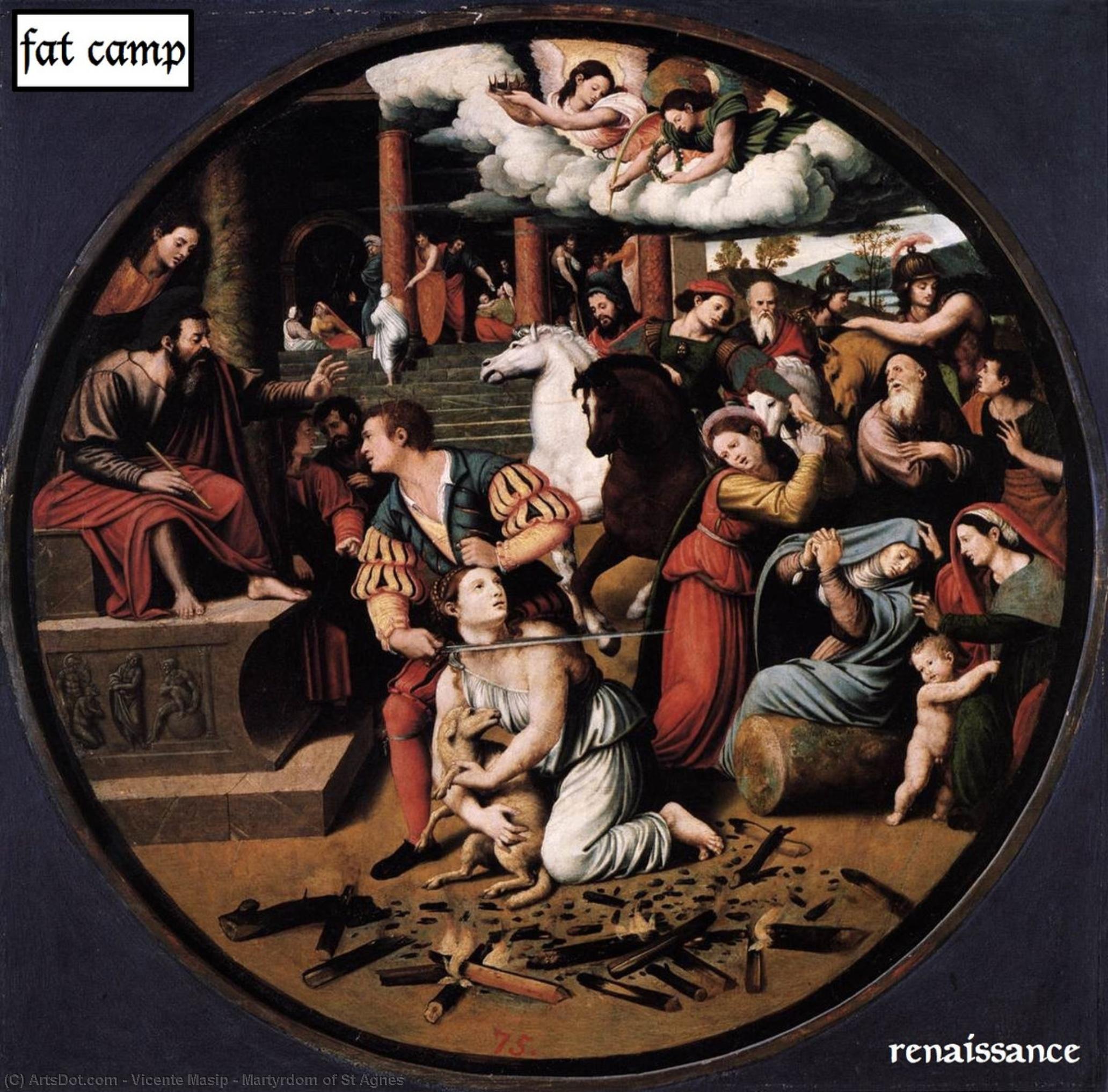
Martyrdom of St Agnes
 Oil
Oil- WallArt
- Renaissance School
 1540
1540- Renaissance
 58.0 x 58.0 cm
 Museo del Prado
 Pročitaj više
Kupite digitalnu sliku visoke rezolucije i poboljšanog kvaliteta, koja je znatno superiornija od onoga što vidite u online prikazu.
Svaka datoteka je pedantno pripremljena od strane naših stručnjaka koristeći napredne alate i profesionalnu ručnu retušu. Osiguravamo da svaka slika ima izuzetnu oštrinu, preciznu reprodukciju boja i fine detalje.
Konačna datoteka se dostavlja putem e-pošte u roku od 72 sata, optimizovana za neposrednu upotrebu u profesionalnim, izdavačkim i štamparskim okruženjima. To je isti kvalitet kojem veruju vrhunski studiji dizajna, izdavači i galerije.
Digitalna slika
Preuzmite datoteku visoke rezolucije za ličnu upotrebu, štampanje i kreativne projekte. ( Pređi na štampu Kupi ručno naslikanu sliku)
Uključeno uz svaku porudžbinu digitalne slike
Profesionalna digitalna isporuka, zagarantovana
Kada odaberete ArtsDot.com, ne dobijate samo sliku – vi primate profesionalno unapređeno digitalno umetničko delo, izrađeno sa najvećom preciznošću i uz garanciju zadovoljstva. Evo svega što automatski dolazi uz vašu porudžbinu:

Brza dostava putem e-pošte
Vaša digitalna slika visoke rezolucije biće vam poslata putem e-pošte u roku od 72 sata od poručivanja – spremna za trenutnu upotrebu.

Digitalna datoteka unapređena veštačkom inteligencijom
Vaše umetničko delo je profesionalno optimizovano korišćenjem naprednih AI alata i ručne obrade, čime se osiguravaju maksimalni detalji, oštrina i preciznost boja.

Besplatna ponovna isporuka doživotno
Slučajno ste obrisali ili izgubili svoju datoteku? Ne brinite – poslaćemo vam je ponovo u bilo kom trenutku, potpuno besplatno.

Bez troškova uvoza – zauvek
Uživajte u svojim umetničkim delima trenutno, bez carine, dažbina ili troškova dostave – digitalni download je uvek bez poreza.

Garancija vernosti boja
Uz pomoć profesionalnih alata i upravljanja bojama, osiguravamo da vaša digitalna slika što vernije odražava originalne boje.

Garancija zadovoljstva od 100 dana
Ako niste zadovoljni svojom digitalnom slikom, izvršićemo reviziju ili ćemo vam vratiti 100% novca u roku od 100 dana – bez ikakvih pitanja.

100% garancija povrata novca
Niste zadovoljni? Dobijte puni povraćaj novca u roku od 100 dana od prijema digitalne datoteke – bez suvišnih pitanja.

Popusti na velike porudžbine
Kupite 3 slike, uštedite 10% - Kupite 5 slika, uštedite 15% - Kupite 10+ slika, uštedite 20%. Odlično za kreativne projekte, galerije i agencije.
A Vision of Devotion: The Martyrdom of Saint Agnes
In the quiet corridors of the Museo del Prado, there exists a window into the profound spiritual intensity of the Spanish Renaissance. Vicente Masip’s Martyrdom of Saint Agnes is not merely a depiction of a historical execution; it is a breathtakingly visceral encounter with the limits of human endurance and the triumph of faith. Executed around 1540, this masterpiece captures the precise moment where earthly brutality meets divine resolve. As we gaze upon the scene, we are transported to a Roman era defined by tension, witnessing the young Agnes kneeling in humble vulnerability before a sea of onlookers—magistrates, dignitaries, and common citizens alike—all gathered to witness her ultimate sacrifice.
The composition is masterfully orchestrated to guide the viewer’s emotional journey. Masip utilizes a dynamic arrangement that balances the heavy presence of Roman authority with the delicate, resolute figure of the saint. The inclusion of two horses—one commanding the center and another poised to the right—lends a sense of monumental grandeur and movement to the scene, suggesting the unstoppable machinery of the state. Yet, amidst this grand spectacle, Masip invites us to notice the smallest details: a dog resting in the lower left corner, a silent sentinel symbolizing fidelity and vigilance, reminding us that even in the shadow of death, the virtues of loyalty remain ever-present.
The Mastery of the Valencian Renaissance
To understand the technical brilliance of this work, one must look to Masip’s deep roots in the Florentine Renaissance style. As a prominent figure of the Valencian School, Masip inherited the meticulous traditions of his mentors, Paolo de San Leocadio and Rodrigo de Osona. This lineage is evident in his command over Quattrocento principles, specifically his ability to render anatomical accuracy and a sophisticated sense of perspective that gives the scene a tangible, three-dimensional depth. His brushwork does not merely describe form; it breathes life into the textures of Roman silk, the heavy musculature of the horses, and the soft, tragic expression on Agnes’s face.
For the discerning collector or interior designer, this painting offers more than just aesthetic beauty; it provides a profound narrative anchor for any space. The interplay of light and shadow creates a dramatic atmosphere that can transform a room into a sanctuary of contemplation. Whether placed in a formal gallery setting or as a focal point in a sophisticated study, the Martyrdom of Saint Agnes serves as a testament to the enduring power of classical storytelling. It is a piece that invites long periods of study, rewarding the observer with new layers of symbolic meaning and technical marvel with every glance.
Srodna umetnička dela


Biografija umetnika
Vicente Masip (1475 – 1545): A Valencian Renaissance Master
Vicente Masip (Andilla, ca. 1475 – Valencia, 1545) stands as a pivotal figure in the Valencian School of painting during the Renaissance period, leaving an indelible mark on Spanish art history. His artistic lineage stretches back to his father, Juan Vicente Masip, and grandson, Vicente Masip Comes (also known as Vicent de Joanes), establishing a family tradition dedicated to capturing religious narratives with remarkable detail and emotional resonance. Born in Andilla, Alicante Province, Masip’s formative years were deeply impacted by the artistic currents emanating from Paolo de San Leocadio and Rodrigo de Osona – masters who championed the stylistic ideals of the Quattrocento—marking him as a true heir to Florentine Renaissance aesthetics.- Early Influences & Style: Masip’s initial artistic explorations mirrored those of his contemporaries, prioritizing meticulous observation and adherence to classical principles. The influence of Paolo de San Leocadio is particularly evident in his early works, characterized by a refined draftsmanship and an emphasis on atmospheric perspective—techniques that would become hallmarks of the Valencian School.
- Notable Commissions & Achievements: Masip gained renown for undertaking ambitious ecclesiastical commissions, notably the altarpiece of Porta-coeli housed within Valencia’s Museo de Bellas Artes, where he skillfully employed illusionistic painting to create a breathtaking panorama of biblical scenes. Similarly, his contribution to the Old High Altar of Segorbe Cathedral between 1529 and 1532 showcased his mastery of composition and color palettes—a project undertaken with the assistance of his son, Juan Vicente Masip, hinting at collaborative artistic endeavors.
The Virgin of the Remedy & St Agnes: Expressions of Valencian Spirituality
Among Masip’s most celebrated paintings are ‘The Virgin and Child,’ adorned with saints and angels—a poignant depiction reflecting the profound piety prevalent in Valencian society during his time. This masterpiece exemplifies Masip's ability to convey spiritual emotion through nuanced shading and expressive gestures, mirroring stylistic influences drawn from Raphael’s frescoes at the Tower of Belém. Furthermore, Masip’s portrayal of ‘The Martyrdom of St Agnes,’ commissioned for the chapel of St Thomas Aquinas in Valencia’s San Julián de Valencía convent, demonstrates his meticulous attention to detail—a characteristic trait that aligns with the broader artistic ethos of the Valencian School. The painting's composition subtly references Raphael’s frescoes at the Tower of Belém, highlighting Masip’s engagement with contemporary artistic trends.- Technique & Composition: Masip’s technique involved layering thin glazes over a preparatory underpainting—a method that ensured luminous colors and enhanced textural depth. His compositional choices prioritized clarity and balance, reflecting the humanist ideals of the Renaissance while simultaneously conveying religious symbolism with profound sensitivity.
Legacy & Recognition: A Family Tradition Continues
Despite being overshadowed by his son’s more emotive style—Juan Vicente Masip—who achieved greater renown for his expressive portraits and landscapes—experts debate the attribution of certain works to Masip senior, particularly those deemed to be executed collaboratively. Nevertheless, Vicente Masip's enduring legacy resides in establishing a family tradition dedicated to artistic excellence and furthering the Valencian School’s contribution to Renaissance art. His influence extended beyond his immediate progeny, shaping the artistic sensibilities of subsequent generations within Valencia—solidifying his place as one of Spain’s foremost painters of the era.Further Exploration
For a deeper understanding of Vicente Masip's oeuvre and its significance in Valencian Renaissance art history, consult resources such as MASIP, Vicente - Biography (https://www.wga.hu/bio_m/m/masip/biograph.html) and explore reproductions of his paintings at the Museo del Prado (https://www.museodelprado.es/).
Vicente Masip
1475 - 1545 , Spain
Kratke činjenice
- Artistic Movement Or Style: Renaissance
- Artists Or Movements Influenced By This Artist: ['Raphael']
- Artists Who Influenced This Artist:
- Paolo de San Leocadio
- Rodrigo de Osona
- Date Of Birth: ca. 1475
- Date Of Death: 1545
- Full Name: Vicente Masip
- Nationality: Spanish
- Notable Artworks:
- Martyrdom of St Agnes
- Virgin and Child, Saints and Angels
- The Visitation
- Place Of Birth: Andillá, Spain