

 Pregledaj u prostoru
 Pošalji
 Podeli
 Detalji o delu

 Преузми
 Slični predmeti
 Rendgenski snimak
 Slajdovi
 Statistika
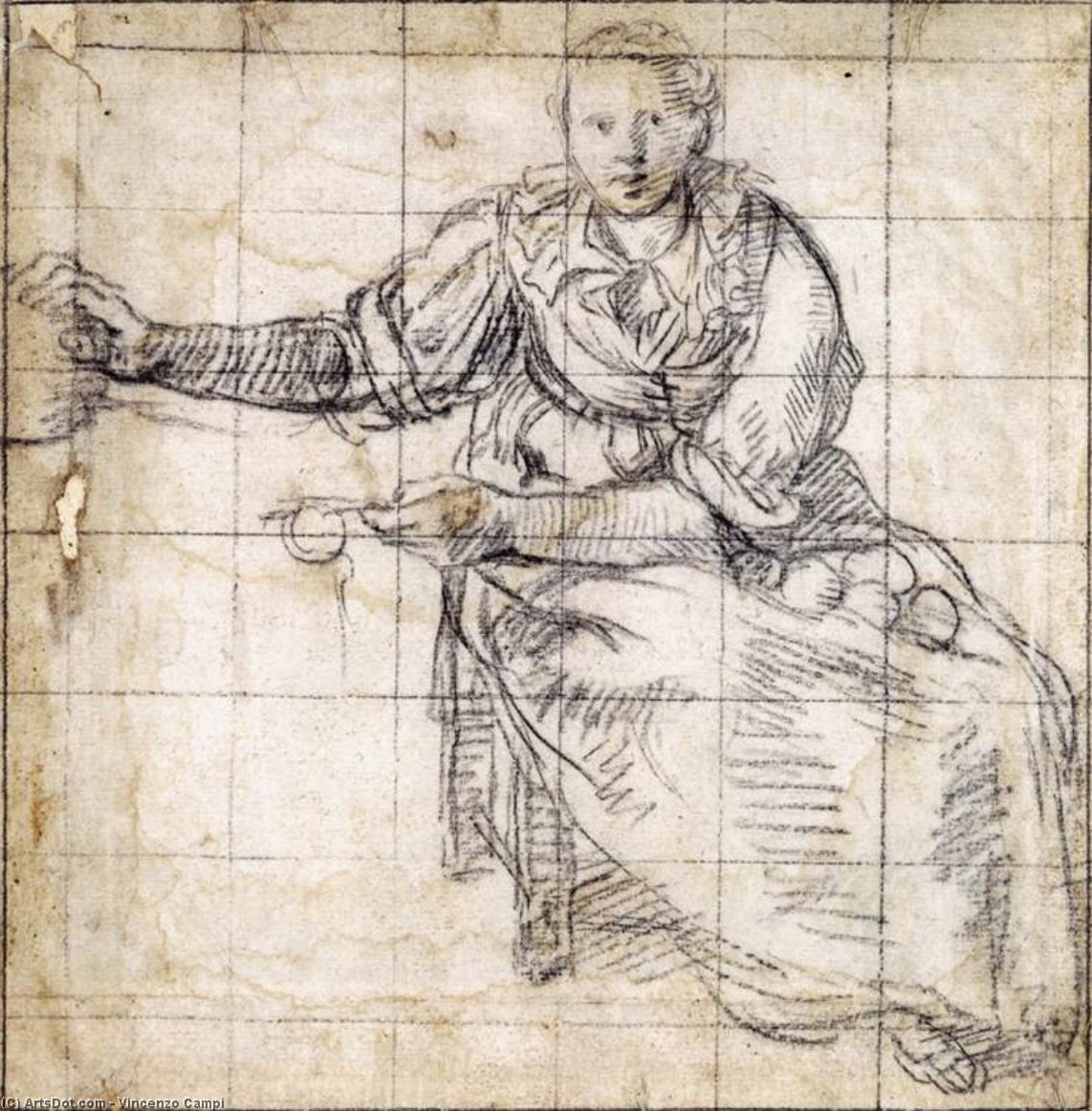
Study of a Woman
 Acrylic On Canvas
- WallArt
- Renaissance
 203.0 x 298.0 cm
 Staatliche Museen zu Berlin
 Pročitaj više
Ručno rađena uljana reprodukcija
Ručno oslikano uljanim bojama na platnu u dimenzijama i okviru po vašem izboru, izrađeno po porudžbini od strane naših umetnika. ( Pređi na štampu Pređi na digitalnu sliku)




P118B $10

P118H $10

P118W $10

P438Z $10

P508JH $12

P508YH $12

P805H $10

P805Z $10

P919BZ $10

P919G $10

P919XJ $10

P959ZH $10

P968JZ $12

W106C $8

W218G $10

W218JH $8

W218Y $10

W307PJ $10

W316G $10

W316PJ $8

W316Y $10

W398PJ $8

W4111J $10

W500HY $15

W500JH $15

W692G $12

W849H $8

W940BG $15

W953PJ $8




Izaberite jednu od naših unapred definisanih veličina koje odgovaraju originalnim proporcijama umetničkog dela.

Можете унети сопствене димензије како бисте прилагодили дело одређеном оквиру или простору. Ако одабрана величина не одговара пропорцијама оригинала, слика ће бити исечена или проширена додатним елементима који се ручно насликавају. Дигитални prikaz ће вам бити послат на одобрење пре почетка производње.
Имајте на уму да преглед на екрану не одражава стварно исецање или проширење. Само приказ (mockup) ће тачно приказати коначну композицију.
Иако су доступне прилагођене величине, препоручујемо да одаберете димензију из дефинисане листе како бисте сачували оригиналне пропорције.
Nakon narudžbine, tim ArtsDot.com će klijentu putem e-pošte poslati uputstva i dostaviti prikaz predloženog rešenja
Isporuka širom sveta () za 3/4 nedelje umesto uobičajenih 5 nedelja. (9 септембар). Bez kompromisa po pitanju kvaliteta.

Besplatna ekspresna dostava širom sveta

Visokokvalitetno laneno platno

Kompletno osiguranje transporta

Garancija povraćaja carine i uvoznih dažbina

Garancija vernosti boja

Politika povraćaja u roku od 100 dana (isključivo u slučaju nedostataka)

Garancija povrata novca od 100%

Popust pri grupnoj kupovini
 Opcija sa staklom dostupna je samo za dimenzije manje od 110 cm

Study of a Woman
Tehnika reprodukcije
Dimenzije reprodukcije
-


Konačna cena
$ 263
Study of a Woman by Vincenzo Campi
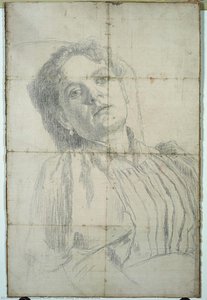
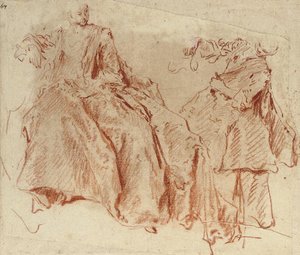
Vincenzo Campi’s “Study of a Woman” stands as a testament to the burgeoning Flemish realism infiltrating Northern Italy during the late Renaissance—a pivotal moment where stylistic boundaries blurred, yielding breathtaking artistic achievements. Born in Cremona around 1536, Campi inherited an illustrious lineage steeped in artistic heritage; his father, Galeazzo Campi, was himself a celebrated Renaissance painter, fostering within him and his brothers Giulio and Antonio an environment primed for creative exploration under the watchful eye of their elder sibling, Giulio Campi—a prominent architect and painter active in Cremona. Details concerning Campi’s formative years remain elusive, primarily documented through sparse records that illuminate his involvement with the workshop of his brother Giulio. The earliest verifiable evidence of Campi’s artistic endeavors centers around a portrait—now tragically lost—depicting a young woman bathed in soft light, capturing an exquisite blend of observation and idealized beauty. The artwork itself is executed in meticulous pencil on paper, employing a technique characterized by masterful draftsmanship and unwavering adherence to linear perspective – hallmarks of the Renaissance tradition yet subtly infused with influences from Flemish painting practices. A grid overlay dominates the composition, suggesting it was conceived as a preparatory study or an exercise in mastering drawing techniques; this deliberate structuring underscores Campi’s dedication to precision and his methodical approach to artistic creation. The subject matter—a seated figure—is rendered from a three-quarter view, facing slightly to the left, with hands positioned in a gesture of holding something – possibly a small sphere or orb – conveying an aura of quiet contemplation and symbolic significance. Campi’s masterful use of hatching and crosshatching builds up tonal values and texture with remarkable subtlety, creating a palpable sense of volume and depth that transcends mere representation. Beyond its technical brilliance, “Study of a Woman” resonates deeply with viewers on an emotional level—a reflection of the humanist ideals prevalent during the Renaissance period. The pose is formal and dignified, reminiscent of idealized depictions found in Florentine portraiture, embodying notions of nobility and grace. Campi’s careful attention to anatomical accuracy aligns seamlessly with the artistic ambitions of his era, demonstrating a profound understanding of human form and its expressive potential. The subdued palette—primarily consisting of muted browns and grays—contributes to an atmosphere of serenity and introspection, mirroring the contemplative spirit of Renaissance art. Furthermore, the subtle shading around the figure’s face conveys an understated emotional nuance, hinting at inner thoughts and feelings beyond what is immediately visible. The artwork's historical context illuminates Campi’s role as a conduit between Mannerism—characterized by stylized poses and elongated figures—and Flemish realism—renowned for its luminous color palettes and meticulous detail. This stylistic transition reflects broader cultural shifts occurring throughout Europe during the sixteenth century, signaling an embrace of naturalistic observation alongside artistic innovation. “Study of a Woman” exemplifies Campi’s ability to synthesize these disparate influences into a cohesive visual experience—a captivating artwork that continues to inspire admiration for its technical prowess and emotional resonance. Its enduring appeal speaks to the timeless beauty inherent in capturing human dignity and contemplation with unwavering precision.Srodna umetnička dela
Biografija umetnika
The Master of Naturalism: The Life and Legacy of Vincenzo Campi
In the vibrant artistic landscape of 16th-century Cremona, a period often defined by the sophisticated artifice of Mannerism, Vincenzo Campi emerged as a profound voice of clarity and truth. Born around 1536 into a family where the brush was a primary language, Campi was shaped by the rich creative atmosphere of his lineage. His father, Galeazzo, and his brothers, particularly the influential Giulio, provided a foundation of classical training, yet Vincenzo possessed an eye that looked beyond the stylized elegance of his contemporaries. While much of the era sought to distort reality for dramatic or decorative effect, Campi found beauty in the unadorned essence of the tangible world, setting the stage for a stylistic revolution in Northern Italy.
The early years of Campi’s career were deeply intertwined with the workshop traditions of his family. Working alongside his brother Giulio, he absorbed the technical rigors of Renaissance composition, yet he began to diverge from the prevailing trends of elongated forms and complex, artificial poses. His talent was first noted in significant historical moments, such as his involvement in portraits of the Habsburg royalty, which signaled his rising status within the Lombard courts. However, it was not through grand aristocratic portraiture that he would secure his immortality, but rather through a daring commitment to naturalism—a devotion to capturing the textures, light, and grit of everyday existence.
A Bridge Between Traditions: Flemish Influence and Genre Painting
What truly distinguishes Campi within the canon of Italian Renaissance art is his role as a stylistic bridge. He possessed the unique ability to marry the structural integrity of the Italian tradition with the meticulous, observational spirit of Flemish painting. This synthesis birthed a new way of seeing in Northern Italy, where the influence of Netherlandish masters—known for their obsessive attention to detail and the tactile quality of objects—began to permeate his canvases. Through this lens, the mundane became monumental.
Campi became a pioneer of genre painting, a movement that elevated scenes of common life to the status of high art. His works often feature:
- Market Scenes: Lively, bustling compositions filled with fishmongers, butchers, and peasants, where every scale on a fish or fold in a linen apron is rendered with startling precision.
- Still Lifes: Early explorations of the still life genre, focusing on the bounty of the earth, characterized by an almost scientific accuracy in depicting fruits, vegetables, and kitchen implements.
- Religious Narratives: Even within his sacred commissions, one can detect a grounded, humanistic touch that brings biblical figures into a relatable, earthly light.
This "descriptive mode," as it was later praised by historians like Filippo Baldinucci, allowed viewers to experience a sense of tactile reality. To look upon a Campi painting is to feel the weight of a basket, the coolness of a plucked fowl, and the warmth of sunlight filtering through a rustic marketplace.
Historical Significance and Artistic Evolution
The trajectory of Campi’s career was marked by both personal loss and creative expansion. The death of his brother Giulio in 1573 served as a pivotal moment, perhaps prompting Vincenzo to further solidify his own unique identity away from the shadow of the family workshop. As he matured, his ability to balance the decorative requirements of his patrons with his innate desire for realism grew more sophisticated. He did not merely copy nature; he interpreted it through a lens of profound dignity.
The historical significance of Vincenzo Campi lies in his defiance of the purely ornamental. By introducing the Flemish-inspired focus on texture and everyday subject matter into the Italian sphere, he paved the way for the much later triumphs of the Baroque era. He taught subsequent generations that there is as much divinity to be found in a basket of vegetables as there is in a celestial vision. His legacy remains etched in the transition from the artificiality of Mannerism to the visceral, breathing reality of the naturalistic movement, ensuring his place as one of the most vital innovators of the Cremonese school.
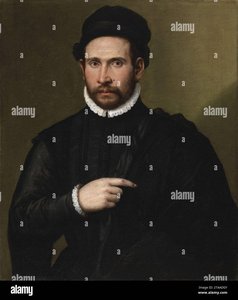
Vincenzo Campi
1536 - 1591 , Italy
Osnovne informacije
- Artistic Movement Or Style: Flemish Style / Lombard Naturalism
- Artists Or Movements Influenced By This Artist: ['Pordenone']
- Artists Who Influenced This Artist: ['Giulio Campi']
- Date Of Birth: ca. 1536
- Date Of Death: 1591
- Full Name: Vincenzo Campi
- Nationality: Italian
- Notable Artworks:
- Study for the ''Ricotta Eaters'''
- Christ Before the Crucifixion
- Fishmongers
- Place Of Birth: Cremona, Italy
Povezani članci
Frederick Bridgman: Anatomical Mastery & the Evolution of Figure Drawing Instruction
Explore the anatomical mastery of George B. Bridgman & his revolutionary figure drawing techniques. Discover how his methods transformed art instruction and continue to inspire artists today. Learn more at ArtsDot.

Dark Masterpieces: 10 Iconic Paintings Dominated by Black Tones |
Explore 10 iconic paintings dominated by black tones, from Rembrandt’s chiaroscuro to Goya's dark expressions. Discover the stories behind these masterpieces & find museum-quality art reproductions for your home at .
The Eloquent Line: Exploring the Artistic Significance of Sketches Across Movements and Media
Explore the profound artistic significance of sketches throughout history. From Renaissance masters to modern innovators like Van Gogh & Guston, discover how these foundational works reveal technique, emotion, and vision. Learn more at ArtsDot.
The Nuances of Graphite: Exploring Emotional Depth & Technical Mastery in Pencil Drawing
Explore the captivating world of graphite drawing! Discover its rich history, master essential techniques like chiaroscuro, and learn how artists evoke emotion through this timeless medium. Expert insights for art enthusiasts.
Leonardo da Vinci: 25 Remek-dela Genija za Vaš Dom | ArtsDot
Istražite 25 remek-dela Leonarda da Vince, od Mona Lize do Poslednje večere. Otkrijte priče iza slika renesanse i inspiraciju za dekoraciju enterijera. Kvalitetne reprodukcije na ArtsDot.com!