

 Pregledaj u prostoru
 Pošalji
 Podeli
 Detalji o delu

 Преузми
 Slični predmeti
 Rendgenski snimak
 Slajdovi
 Statistika
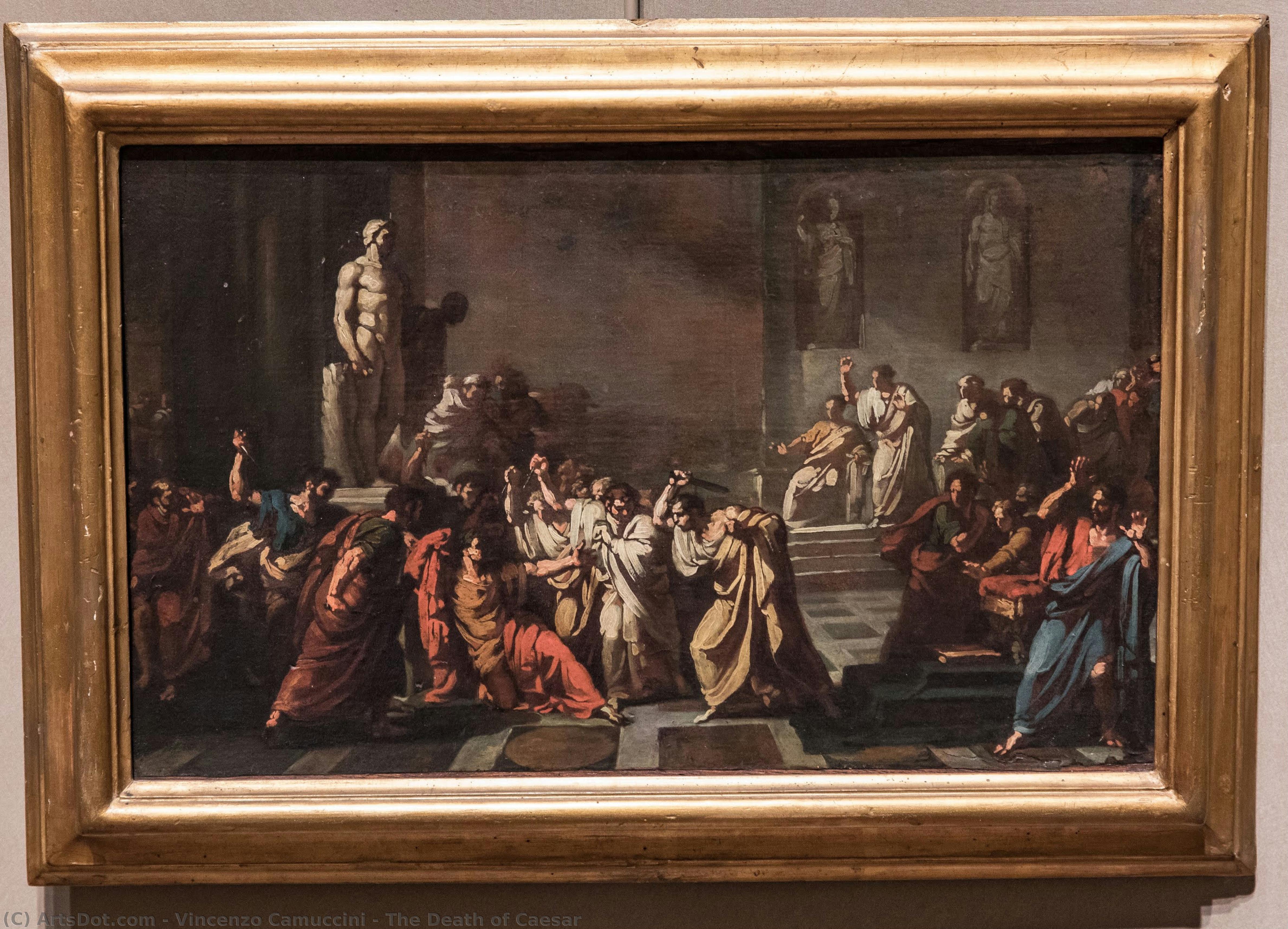
The Death of Caesar


 Pročitaj više
Ručno rađena uljana reprodukcija
Ručno oslikano uljanim bojama na platnu u dimenzijama i okviru po vašem izboru, izrađeno po porudžbini od strane naših umetnika. ( Pređi na štampu Pređi na digitalnu sliku)




P118B $10

P118H $10

P118W $10

P438Z $10

P508JH $12

P508YH $12

P805H $10

P805Z $10

P919BZ $10

P919G $10

P919XJ $10

P959ZH $10

P968JZ $12

W106C $8

W218G $10

W218JH $8

W218Y $10

W307PJ $10

W316G $10

W316PJ $8

W316Y $10

W398PJ $8

W4111J $10

W500HY $15

W500JH $15

W692G $12

W849H $8

W940BG $15

W953PJ $8




Izaberite jednu od naših unapred definisanih veličina koje odgovaraju originalnim proporcijama umetničkog dela.

Можете унети сопствене димензије како бисте прилагодили дело одређеном оквиру или простору. Ако одабрана величина не одговара пропорцијама оригинала, слика ће бити исечена или проширена додатним елементима који се ручно насликавају. Дигитални prikaz ће вам бити послат на одобрење пре почетка производње.
Имајте на уму да преглед на екрану не одражава стварно исецање или проширење. Само приказ (mockup) ће тачно приказати коначну композицију.
Иако су доступне прилагођене величине, препоручујемо да одаберете димензију из дефинисане листе како бисте сачували оригиналне пропорције.
Nakon narudžbine, tim ArtsDot.com će klijentu putem e-pošte poslati uputstva i dostaviti prikaz predloženog rešenja
Isporuka širom sveta () za 3/4 nedelje umesto uobičajenih 5 nedelja. (11 септембар). Bez kompromisa po pitanju kvaliteta.

Besplatna ekspresna dostava širom sveta

Visokokvalitetno laneno platno

Kompletno osiguranje transporta

Garancija povraćaja carine i uvoznih dažbina

Garancija vernosti boja

Politika povraćaja u roku od 100 dana (isključivo u slučaju nedostataka)

Garancija povrata novca od 100%

Popust pri grupnoj kupovini
 Opcija sa staklom dostupna je samo za dimenzije manje od 110 cm

The Death of Caesar
Tehnika reprodukcije
Dimenzije reprodukcije
-


Konačna cena
$ 263
A Tragedy in Neoclassical Grandeur
In the heart of the Roman Republic's most turbulent hour, Vincenzo Camuccini captures a moment of profound historical rupture. The Death of Caesar is not merely a depiction of an assassination; it is a choreographed ballet of betrayal and grief. As the blades of the conspirators strike, the canvas erupts into a scene of controlled chaos, where the weight of destiny hangs heavy in the air. The composition centers on the fallen leader, whose vulnerability is contrasted against the rigid, architectural backdrop of Rome, creating a tension that pulls the viewer directly into the center of the political storm. For the discerning collector, this piece offers more than just a historical snapshot; it provides a window into the very soul of an empire in transition.
The mastery of Camuccini lies in his ability to balance the theatricality of the event with the disciplined restraint characteristic of the Neoclassical movement. His brushwork, though swift and immediate, is far from haphazard. Instead, it follows a studied architectural system that lends a sense of permanence and solemnity to the fleeting violence of the moment. The figures are arranged with a sculptural precision, reminiscent of ancient friezes, where every gesture—a hand raised in horror, a bowed head in mourning—servates a specific narrative purpose. This meticulous technique ensures that even in the midst of a massacre, there is an underlying sense of order and dignity that elevates the scene from mere carnage to high tragedy.
Symbolism and the Echoes of Antiquity
Every element within this composition serves as a silent witness to the fall of greatness. The presence of statues and classical motifs acts as a symbolic bridge between the living actors and the eternal legacy of Rome. As Caesar falls, the very foundations of his world seem to tremble, a sentiment echoed in the dramatic interplay of light and shadow that sweeps across the mourning crowd. The contrast between the stark, bright highlights on the central figures and the deep, brooding shadows in the periphery creates an emotional chiaroscuro, mirroring the conflict between the light of Roman law and the darkness of political treachery.
For interior designers and art enthusiasts alike, this painting serves as a powerful focal point that commands attention through its sheer narrative depth. A high-quality reproduction of this masterpiece brings a sense of intellectual rigor and historical prestige to any space. It is an ideal selection for those looking to infuse a room with a sense of drama, sophistication, and the timeless allure of the classical past. To hang such a work is to invite a conversation about power, sacrifice, and the enduring cycle of history into one's home.
Srodna umetnička dela



Biografija umetnika
The Zenith of Neoclassicism in Rome
Vincenzo Camuccini, a master chronicler of classical grandeur and religious devotion, stands as one of the most significant figures in the artistic landscape of early 19th-century Rome. Born into an environment steeped in art—his initial tutelage came from his brother Pietro, a restorer, and the engraver Pietro Leone Bombelli—Camuccini’s early years were marked by diligent study. He spent much of his formative time immersed in the techniques of the old masters, absorbing centuries of artistic tradition. This rigorous foundation proved crucial, allowing him to later establish himself as the premier academic painter of his era within the vibrant, yet demanding, atmosphere of Roman art.
Embracing Greco-Roman Themes and Academic Rigor
As an original artist, Camuccini became a key proponent of the Neoclassical school that flourished in Rome, a movement deeply invested in the ideals and aesthetics derived from Greek and Roman antiquity. His early breakthrough as an independent painter arrived around 1798 with a monumental canvas depicting the Death of Caesar. This work immediately drew comparisons to the classicizing themes favored by Jacques-Louis David, though art historians suggest that both artists were rather emerging from a shared current: the powerful resurgence of interest in Greco-Roman narratives and styles. His commitment to these grand historical subjects defined much of his mature style.
Major Commissions and Artistic Flourishing
Camuccini’s reputation grew through increasingly important commissions that showcased both his skill and the prevailing tastes of the Church and aristocracy. A notable early undertaking was his work on an incredulity of St. Thomas, commissioned by the Vatican in 1800, which involved replicating a mosaic's grandeur. His talents were further displayed when he contributed to large-scale decorative cycles; for instance, alongside Gaspare Landi, he painted a presentation within the temple for the chapel of the Madonna of the Rosary in Piacenza in 1806. These collaborative and independent efforts cemented his status among Rome's leading artistic minds.
A Life of Travel and Enduring Influence
The call of art led Camuccini beyond the Eternal City’s walls. He was invited to Munich and, significantly, to Paris. In Paris, he found himself in the orbit of towering figures such as Napoleon, David, Perodet, and Gérard, absorbing the currents of contemporary European art. While his travels broadened his scope, his core strength remained rooted in history painting—the depiction of moments from classical or religious narratives. Whether through grand historical scenes or more intimate works like a betrothal of Psyche, Camuccini’s hand consistently conveyed a sense of noble drama and academic polish. His career stands as a testament to the enduring power of Neoclassicism, leaving behind a legacy that continues to inspire those who appreciate the meticulous detail and sweeping narratives found in his masterful reproductions.
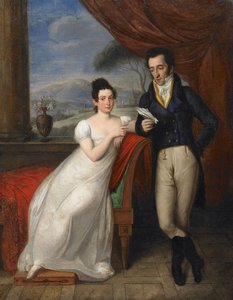
vincenzo camuccini
1771 - 1844
Osnovne informacije
- Artistic Movement Or Style: Neoclassicism
- Artists Who Influenced This Artist: ['Jacques-Louis David']
- Date Of Birth: 1771
- Date Of Death: 1844
- Full Name: Vincenzo Camuccini
- Nationality: Italian
- Notable Artworks:
- Death of Caesar
- Presentation in the Temple
- Place Of Birth: Rome, Italy
Povezani članci
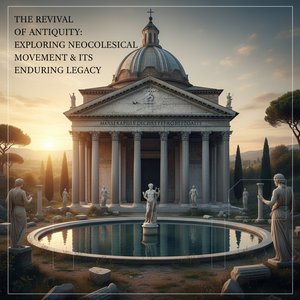
The Revival of Antiquity: Exploring the Neoclassical Movement & its Enduring Legacy
Explore the revival of classical art with our deep dive into Neoclassicism! Discover key artists like Jacques-Louis David, Enlightenment influences & lasting impact on art history. High-quality reproductions at ArtsDot.
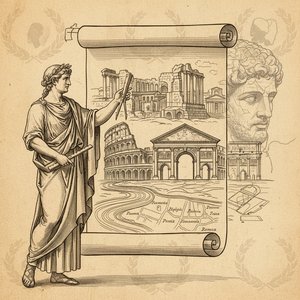
Bartolomeo Pinelli: Neoclassical Linearity & Roman Topography of Memory
Explore the captivating world of Bartolomeo Pinelli, a master Italian engraver renowned for his evocative Roman scenes & historical narratives. Discover his art and legacy with ArtsDot.

The Revival of Antiquity: Exploring Neoclassical Art's Ideals & Enduring Legacy
Explore the revival of classical ideals in Neoclassical art! Discover Jacques-Louis David & the movement's impact on painting, sculpture & architecture. Expert insights & high-quality reproductions at ArtsDot.
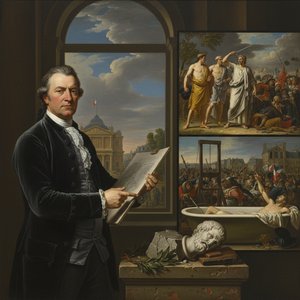
Jacques-Louis David: Neoclassical Ideals & Revolutionary Witness
Explore the life & art of Jacques-Louis David, leading Neoclassical painter of the French Revolution. Discover iconic works like 'The Death of Marat' and his lasting impact on art history. Expert analysis & high-quality reproductions at ArtsDot.
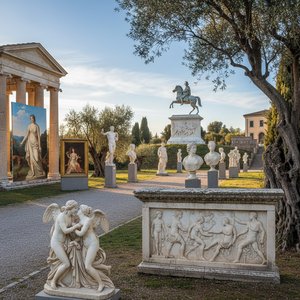
Najboljih 10 Neoklasičkih Remek-Dela: Umetnoska Istorija i Luksuzni Dekor
Otkrijte 10 remek dela neoklasicizma! Istražite David, Jacques-Louis David i druge genijalce. Umetnoska istorija i inspiracija za luksuzni enterijer. Kupite reprodukcije vrhunskog kvaliteta na ArtsDot.com!