 Pregledaj u prostoru
 Pošalji
 Podeli
 Detalji o delu

 Преузми
 Slični predmeti
 Rendgenski snimak
 Slajdovi
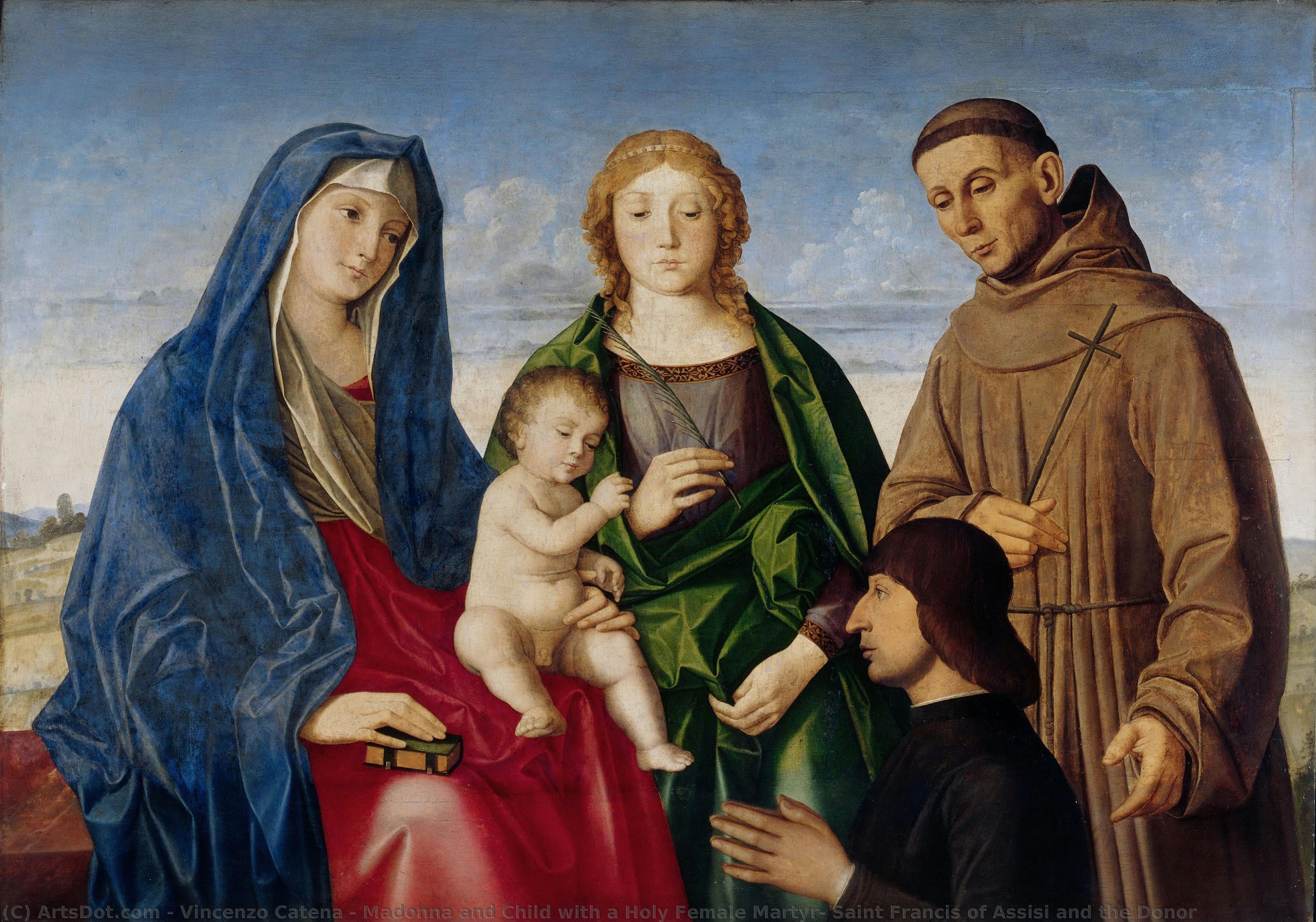
Madonna and Child with a Holy Female Martyr, Saint Francis of Assisi and the Donor
 Oil On Canvas
- WallArt
- Early Renaissance
 1510
1510 64.0 x 92.0 cm
 Музеј личних уметности Будимпешта
 Pročitaj više
Ručno rađena uljana reprodukcija
Ručno oslikano uljanim bojama na platnu u dimenzijama i okviru po vašem izboru, izrađeno po porudžbini od strane naših umetnika. ( Kupi print Kupi digitalnu sliku)




P118B $10

P118H $10

P118W $10

P438Z $10

P508JH $12

P508YH $12

P805H $10

P805Z $10

P919BZ $10

P919G $10

P919XJ $10

P959ZH $10

P968JZ $12

W106C $8

W218G $10

W218JH $8

W218Y $10

W307PJ $10

W316G $10

W316PJ $8

W316Y $10

W398PJ $8

W4111J $10

W500HY $15

W500JH $15

W692G $12

W849H $8

W940BG $15

W953PJ $8




Izaberite jednu od naših unapred definisanih veličina koje odgovaraju originalnim proporcijama umetničkog dela.

Можете унети сопствене димензије како бисте прилагодили дело одређеном оквиру или простору. Ако одабрана величина не одговара пропорцијама оригинала, слика ће бити исечена или проширена додатним елементима који се ручно насликавају. Дигитални prikaz ће вам бити послат на одобрење пре почетка производње.
Имајте на уму да преглед на екрану не одражава стварно исецање или проширење. Само приказ (mockup) ће тачно приказати коначну композицију.
Иако су доступне прилагођене величине, препоручујемо да одаберете димензију из дефинисане листе како бисте сачували оригиналне пропорције.
Nakon narudžbine, tim ArtsDot.com će klijentu putem e-pošte poslati uputstva i dostaviti prikaz predloženog rešenja
Isporuka širom sveta () za 3/4 nedelje umesto uobičajenih 5 nedelja. (30 август). Bez kompromisa po pitanju kvaliteta.

Besplatna ekspresna dostava širom sveta

Visokokvalitetno laneno platno

Kompletno osiguranje transporta

Garancija povraćaja carine i uvoznih dažbina

Garancija vernosti boja

Politika povrata u roku od 60 dana (samo u slučaju nedostataka)

Garancija povrata novca od 100%

Popust pri grupnoj kupovini
 Opcija sa staklom dostupna je samo za dimenzije manje od 110 cm

Madonna and Child with a Holy Female Martyr, Saint Francis of Assisi and the Donor
Tehnika reprodukcije
Dimenzije reprodukcije
-


Konačna cena
$ 338
A Vision of Faith: Vincenzo Catena’s Madonna and Child
Vincenzo Catena's "Madonna and Child with Saint Francis of Assisi, a Female Saint and a Donor," painted around 1510 in Venice, is more than just a devotional image; it’s a vibrant tableau of faith, familial devotion, and the burgeoning humanist spirit of the Italian Renaissance. This oil painting, now residing within the Museum of Fine Arts Budapest, offers a profound glimpse into the artistic sensibilities of a pivotal Venetian master – a figure often overshadowed by his more celebrated contemporaries but nonetheless possessing a unique voice and compelling narrative.
The scene unfolds with remarkable realism, typical of Catena’s style which draws heavily from Giovanni Bellini's serene approach while subtly incorporating elements of Titian’s masterful use of color and light. At the heart of the composition sits the Virgin Mary, seated gracefully, radiating a quiet dignity. Her gaze is tenderly directed towards her infant son, Jesus, nestled securely in her arms. Flanking them are two prominent figures: Saint Francis of Assisi, recognizable by his simple habit and humble demeanor, and an unidentified female saint, likely representing Saint Clare of Assisi, known for her dedication to charity and contemplation. A donor figure, dressed in rich robes, stands before the group, offering a gesture of piety – a testament to the importance of patronage within Venetian society.
The Language of Color and Form
Catena’s technical skill is immediately apparent in the meticulous rendering of textures and forms. The oil paint itself is applied with a remarkable layering technique, creating a sense of depth and luminosity that was revolutionary for its time. Notice the subtle variations in color – the warm reds and greens of Mary's robes contrast beautifully with the cooler blues and browns of the background landscape. The drapery flows realistically, catching the light and revealing intricate folds, while the faces are rendered with an astonishing level of detail, capturing not just physical likeness but also a sense of inner emotion. The use of chiaroscuro – the dramatic interplay of light and shadow – further enhances the painting’s emotional impact, drawing the viewer's eye to the central figures.
The composition itself is carefully balanced, employing principles of perspective to create a believable three-dimensional space. The landscape in the background, rendered with atmospheric depth, recedes into the distance, anchoring the scene and providing context for the intimate devotional tableau. Shapes are predominantly organic – human forms, drapery, and landscape elements – contributing to the painting’s overall sense of naturalism.
Symbolism and Spiritual Resonance
Beyond its technical brilliance, “Madonna and Child” is rich in symbolism. The depiction of Saint Francis receiving the stigmata—a pivotal moment in his life—underscores the theme of sacrifice and divine grace. The presence of a female saint alongside the male figures highlights the importance of women within the Franciscan order, reflecting the evolving role of women in religious life during the Renaissance. The donor figure symbolizes the support of the faithful, emphasizing the reciprocal relationship between the Church and its patrons.
The painting’s emotional impact is profound. It evokes a sense of serenity, reverence, and familial love—a timeless depiction of the Virgin Mary's devotion to her son. It speaks to the enduring power of faith, the importance of charity, and the beauty of human connection. The work resonates with viewers across centuries, offering a glimpse into the spiritual values that shaped Renaissance Italy.
A Legacy of Venetian Art
Vincenzo Catena’s “Madonna and Child” stands as a testament to his artistic skill and his place within the vibrant art scene of Venice. While perhaps less celebrated than some of his contemporaries, his work embodies the key characteristics of Venetian Renaissance painting – its realism, its rich color palette, and its ability to convey both technical mastery and profound spiritual meaning. Reproductions of this captivating artwork offer a chance to experience the beauty and emotional depth of Catena’s vision, bringing a touch of timeless faith and artistic elegance into any space.
Srodna umetnička dela
Biografija umetnika
Vincenzo Catena: A Venetian Renaissance Painter
Life and Background
- Born in Venice, Italy around 1470, Vincenzo Catena was a painter of the Venetian Renaissance.
- Little is known about his early life or formal training. Records are scarce regarding his upbringing and initial artistic development.
- He was also sometimes referred to as Vincenzo de Biagio.
- Catena passed away in 1531, leaving behind a modest but significant body of work.
Artistic Development and Influences
- Initially, Catena’s style closely resembled that of Giovanni Bellini, a leading Venetian painter known for his serene Madonnas and refined technique.
- The earliest documented mention of Catena is an inscription on the back of La Laura by Giorgione, where he’s described as Giorgione's *colego* (colleague).
- However, it wasn’t until after Giorgione’s death in 1510 that his innovative influence began to manifest itself in Catena’s paintings.
- He also shows some influences from Titian, another prominent figure of the Venetian School, particularly in his use of color and composition.
Major Works and Style
- Approximately a dozen paintings are confidently attributed to Catena based on signatures.
- The Martyrdom of St. Christina (1520), located in the church of Santa Maria Mater Domini in Venice, is his most securely dated work thanks to an inscription on its marble surround.
- Other notable works include The Adoration of the Shepherds, and several depictions of the Madonna and Child with Saints and Donors.
- Catena’s paintings often feature religious scenes and portraits, characterized by a blend of Bellini's precision and Giorgione’s atmospheric qualities.
- His style is marked by detailed realism, warm color palettes, and rich symbolism, typical of Venetian Renaissance art.
Historical Significance and Legacy
- While not as widely celebrated as some of his contemporaries like Titian or Giorgione, Catena played a role in the development of Venetian painting during a crucial period.
- His work demonstrates the transition between the High Renaissance and the emerging Mannerist styles.
- Wills left by Catena reveal he was a man of considerable wealth and had connections within Venetian humanist circles, suggesting his artistic success extended beyond purely aesthetic recognition.
- Today, Vincenzo Catena’s paintings are valued for their historical importance and offer insights into the artistic landscape of 16th-century Venice.
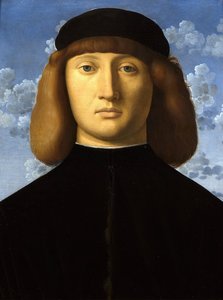
Vincenzo Catena
1470 - 1531 , Italy
Osnovne informacije
- Birth Date: 1470
- Birth Place: Venice, Italy
- Death Date: 1531
- Influenced By:
- Giovanni Bellini
- Giorgione
- Movement: Renaissance, Venetian School
- Name: Vincenzo Catena
- Nationality: Italian
- Notable Works:
- Santa Cristina Altarpiece
- The Adoration of the Shepherds
- Madonna and Child with a Holy Female Martyr, Saint Francis of Assisi and the Donor
Povezani članci
The Enduring Legacy of Oil Paint: Technique, History & Emotional Resonance in Western Art
Explore the rich history & techniques of oil painting! Discover Renaissance masters, scientific principles behind color, and emotional resonance in art. Learn about glazing, layering, and atmospheric perspective – a guide for enthusiasts & collectors.

The Enduring Legacy of Oil on Canvas: Technique, History & Aesthetic Impact
Explore the rich history & techniques of oil painting – from Renaissance masters to Impressionism. Discover pigments, layering methods, and why this timeless medium endures. Expert insights for artists & art enthusiasts.

Oil on Canvas: A Historical & Technical Exploration of a Timeless Artistic Medium
Explore the rich history & enduring techniques of oil painting on canvas. Discover the science behind its longevity, conservation practices, and contemporary relevance. Expert insights for art enthusiasts.

The Enduring Power of Painting: A Historical & Contemporary Exploration of Form and Emotion
Explore the rich history & enduring techniques of oil painting with ArtsDot. Discover masterpieces, learn about art collecting, and find authentic handmade reproductions crafted by skilled artists.

Trajnu Ostavština Uljanih Boja na Platnu: Tehnika, Istorija i Savremena Praksa
Istražite bogatu istoriju i savremene tehnike uljanog slikarstva. Saveti stručnjaka, analiza radova velikih majstora i vodiči za biranje kvalitetnih materijala. Otkrijte tajne očuvanja umetničkih dela!