

 Pregledaj u prostoru
 Pošalji
 Podeli
 Detalji o delu

 Преузми
 Slični predmeti
 Rendgenski snimak
 Slajdovi
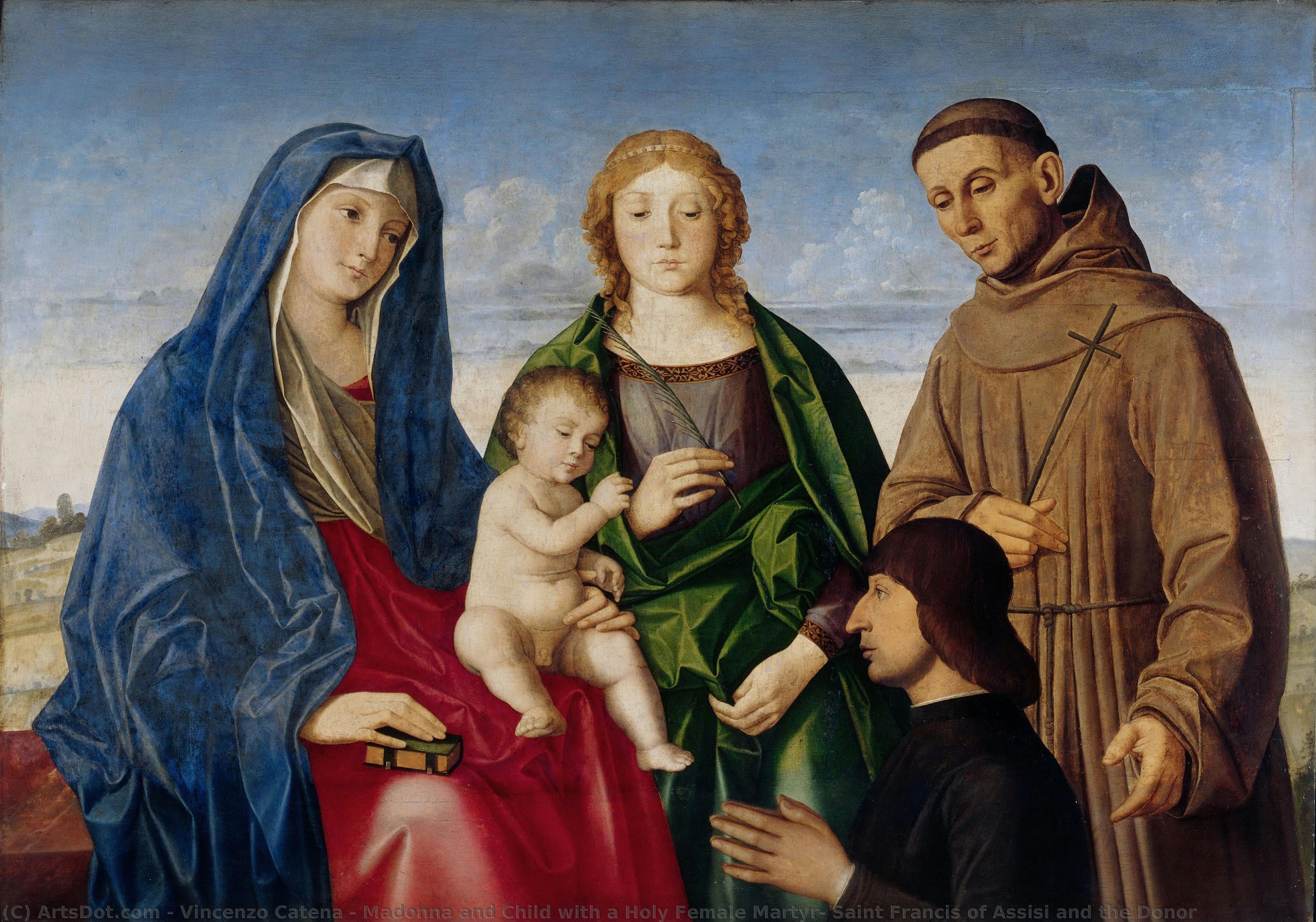
Madonna and Child with a Holy Female Martyr, Saint Francis of Assisi and the Donor
 Oil On Canvas
- WallArt
- Early Renaissance
 1510
1510 64.0 x 92.0 cm
 Музеј личних уметности Будимпешта
 Pročitaj više
Kupite digitalnu sliku visoke rezolucije i poboljšanog kvaliteta, koja je znatno superiornija od onoga što vidite u online prikazu.
Svaka datoteka je pedantno pripremljena od strane naših stručnjaka koristeći napredne alate i profesionalnu ručnu retušu. Osiguravamo da svaka slika ima izuzetnu oštrinu, preciznu reprodukciju boja i fine detalje.
Konačna datoteka se dostavlja putem e-pošte u roku od 72 sata, optimizovana za neposrednu upotrebu u profesionalnim, izdavačkim i štamparskim okruženjima. To je isti kvalitet kojem veruju vrhunski studiji dizajna, izdavači i galerije.
Digitalna slika
Preuzmite datoteku visoke rezolucije za ličnu upotrebu, štampanje i kreativne projekte. ( Kupi print Kupi ručno naslikanu sliku)
Uključeno uz svaku porudžbinu digitalne slike
Profesionalna digitalna isporuka, zagarantovana
Kada odaberete ArtsDot.com, ne dobijate samo sliku – vi primate profesionalno unapređeno digitalno umetničko delo, izrađeno sa najvećom preciznošću i uz garanciju zadovoljstva. Evo svega što automatski dolazi uz vašu porudžbinu:

Brza dostava putem e-pošte
Vaša digitalna slika visoke rezolucije biće vam poslata putem e-pošte u roku od 72 sata od poručivanja – spremna za trenutnu upotrebu.

Digitalna datoteka unapređena veštačkom inteligencijom
Vaše umetničko delo je profesionalno optimizovano korišćenjem naprednih AI alata i ručne obrade, čime se osiguravaju maksimalni detalji, oštrina i preciznost boja.

Besplatna ponovna isporuka doživotno
Slučajno ste obrisali ili izgubili svoju datoteku? Ne brinite – poslaćemo vam je ponovo u bilo kom trenutku, potpuno besplatno.

Bez troškova uvoza – zauvek
Uživajte u svojim umetničkim delima trenutno, bez carine, dažbina ili troškova dostave – digitalni download je uvek bez poreza.

Garancija vernosti boja
Uz pomoć profesionalnih alata i upravljanja bojama, osiguravamo da vaša digitalna slika što vernije odražava originalne boje.

Garancija zadovoljstva u roku od 60 dana
Ako niste zadovoljni svojom digitalnom slikom, revidirat ćemo je ili vratiti 100% novca u roku od 60 dana – bez ikakvih pitanja.

100% garancija povrata novca
Niste zadovoljni? Obezbedite pun povrat novca u roku od 60 dana od trenutka kada ste primili svoju digitalnu datoteku – bez suvišnih pitanja.

Popusti na velike porudžbine
Kupite 3 slike, uštedite 10% - Kupite 5 slika, uštedite 15% - Kupite 10+ slika, uštedite 20%. Odlično za kreativne projekte, galerije i agencije.
A Vision of Faith: Vincenzo Catena’s Madonna and Child
Vincenzo Catena's "Madonna and Child with Saint Francis of Assisi, a Female Saint and a Donor," painted around 1510 in Venice, is more than just a devotional image; it’s a vibrant tableau of faith, familial devotion, and the burgeoning humanist spirit of the Italian Renaissance. This oil painting, now residing within the Museum of Fine Arts Budapest, offers a profound glimpse into the artistic sensibilities of a pivotal Venetian master – a figure often overshadowed by his more celebrated contemporaries but nonetheless possessing a unique voice and compelling narrative.
The scene unfolds with remarkable realism, typical of Catena’s style which draws heavily from Giovanni Bellini's serene approach while subtly incorporating elements of Titian’s masterful use of color and light. At the heart of the composition sits the Virgin Mary, seated gracefully, radiating a quiet dignity. Her gaze is tenderly directed towards her infant son, Jesus, nestled securely in her arms. Flanking them are two prominent figures: Saint Francis of Assisi, recognizable by his simple habit and humble demeanor, and an unidentified female saint, likely representing Saint Clare of Assisi, known for her dedication to charity and contemplation. A donor figure, dressed in rich robes, stands before the group, offering a gesture of piety – a testament to the importance of patronage within Venetian society.
The Language of Color and Form
Catena’s technical skill is immediately apparent in the meticulous rendering of textures and forms. The oil paint itself is applied with a remarkable layering technique, creating a sense of depth and luminosity that was revolutionary for its time. Notice the subtle variations in color – the warm reds and greens of Mary's robes contrast beautifully with the cooler blues and browns of the background landscape. The drapery flows realistically, catching the light and revealing intricate folds, while the faces are rendered with an astonishing level of detail, capturing not just physical likeness but also a sense of inner emotion. The use of chiaroscuro – the dramatic interplay of light and shadow – further enhances the painting’s emotional impact, drawing the viewer's eye to the central figures.
The composition itself is carefully balanced, employing principles of perspective to create a believable three-dimensional space. The landscape in the background, rendered with atmospheric depth, recedes into the distance, anchoring the scene and providing context for the intimate devotional tableau. Shapes are predominantly organic – human forms, drapery, and landscape elements – contributing to the painting’s overall sense of naturalism.
Symbolism and Spiritual Resonance
Beyond its technical brilliance, “Madonna and Child” is rich in symbolism. The depiction of Saint Francis receiving the stigmata—a pivotal moment in his life—underscores the theme of sacrifice and divine grace. The presence of a female saint alongside the male figures highlights the importance of women within the Franciscan order, reflecting the evolving role of women in religious life during the Renaissance. The donor figure symbolizes the support of the faithful, emphasizing the reciprocal relationship between the Church and its patrons.
The painting’s emotional impact is profound. It evokes a sense of serenity, reverence, and familial love—a timeless depiction of the Virgin Mary's devotion to her son. It speaks to the enduring power of faith, the importance of charity, and the beauty of human connection. The work resonates with viewers across centuries, offering a glimpse into the spiritual values that shaped Renaissance Italy.
A Legacy of Venetian Art
Vincenzo Catena’s “Madonna and Child” stands as a testament to his artistic skill and his place within the vibrant art scene of Venice. While perhaps less celebrated than some of his contemporaries, his work embodies the key characteristics of Venetian Renaissance painting – its realism, its rich color palette, and its ability to convey both technical mastery and profound spiritual meaning. Reproductions of this captivating artwork offer a chance to experience the beauty and emotional depth of Catena’s vision, bringing a touch of timeless faith and artistic elegance into any space.
Srodna umetnička dela
Biografija umetnika
Vincenzo Catena: A Venetian Renaissance Painter
Life and Background
- Born in Venice, Italy around 1470, Vincenzo Catena was a painter of the Venetian Renaissance.
- Little is known about his early life or formal training. Records are scarce regarding his upbringing and initial artistic development.
- He was also sometimes referred to as Vincenzo de Biagio.
- Catena passed away in 1531, leaving behind a modest but significant body of work.
Artistic Development and Influences
- Initially, Catena’s style closely resembled that of Giovanni Bellini, a leading Venetian painter known for his serene Madonnas and refined technique.
- The earliest documented mention of Catena is an inscription on the back of La Laura by Giorgione, where he’s described as Giorgione's *colego* (colleague).
- However, it wasn’t until after Giorgione’s death in 1510 that his innovative influence began to manifest itself in Catena’s paintings.
- He also shows some influences from Titian, another prominent figure of the Venetian School, particularly in his use of color and composition.
Major Works and Style
- Approximately a dozen paintings are confidently attributed to Catena based on signatures.
- The Martyrdom of St. Christina (1520), located in the church of Santa Maria Mater Domini in Venice, is his most securely dated work thanks to an inscription on its marble surround.
- Other notable works include The Adoration of the Shepherds, and several depictions of the Madonna and Child with Saints and Donors.
- Catena’s paintings often feature religious scenes and portraits, characterized by a blend of Bellini's precision and Giorgione’s atmospheric qualities.
- His style is marked by detailed realism, warm color palettes, and rich symbolism, typical of Venetian Renaissance art.
Historical Significance and Legacy
- While not as widely celebrated as some of his contemporaries like Titian or Giorgione, Catena played a role in the development of Venetian painting during a crucial period.
- His work demonstrates the transition between the High Renaissance and the emerging Mannerist styles.
- Wills left by Catena reveal he was a man of considerable wealth and had connections within Venetian humanist circles, suggesting his artistic success extended beyond purely aesthetic recognition.
- Today, Vincenzo Catena’s paintings are valued for their historical importance and offer insights into the artistic landscape of 16th-century Venice.
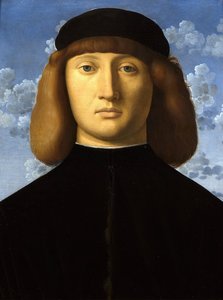
Vincenzo Catena
1470 - 1531 , Italy
Kratke činjenice
- Birth Date: 1470
- Birth Place: Venice, Italy
- Death Date: 1531
- Influenced By:
- Giovanni Bellini
- Giorgione
- Movement: Renaissance, Venetian School
- Name: Vincenzo Catena
- Nationality: Italian
- Notable Works:
- Santa Cristina Altarpiece
- The Adoration of the Shepherds
- Madonna and Child with a Holy Female Martyr, Saint Francis of Assisi and the Donor

