

 Pregledaj u prostoru
 Pošalji
 Podeli
 Detalji o delu

 Преузми
 Slični predmeti
 Rendgenski snimak
 Slajdovi
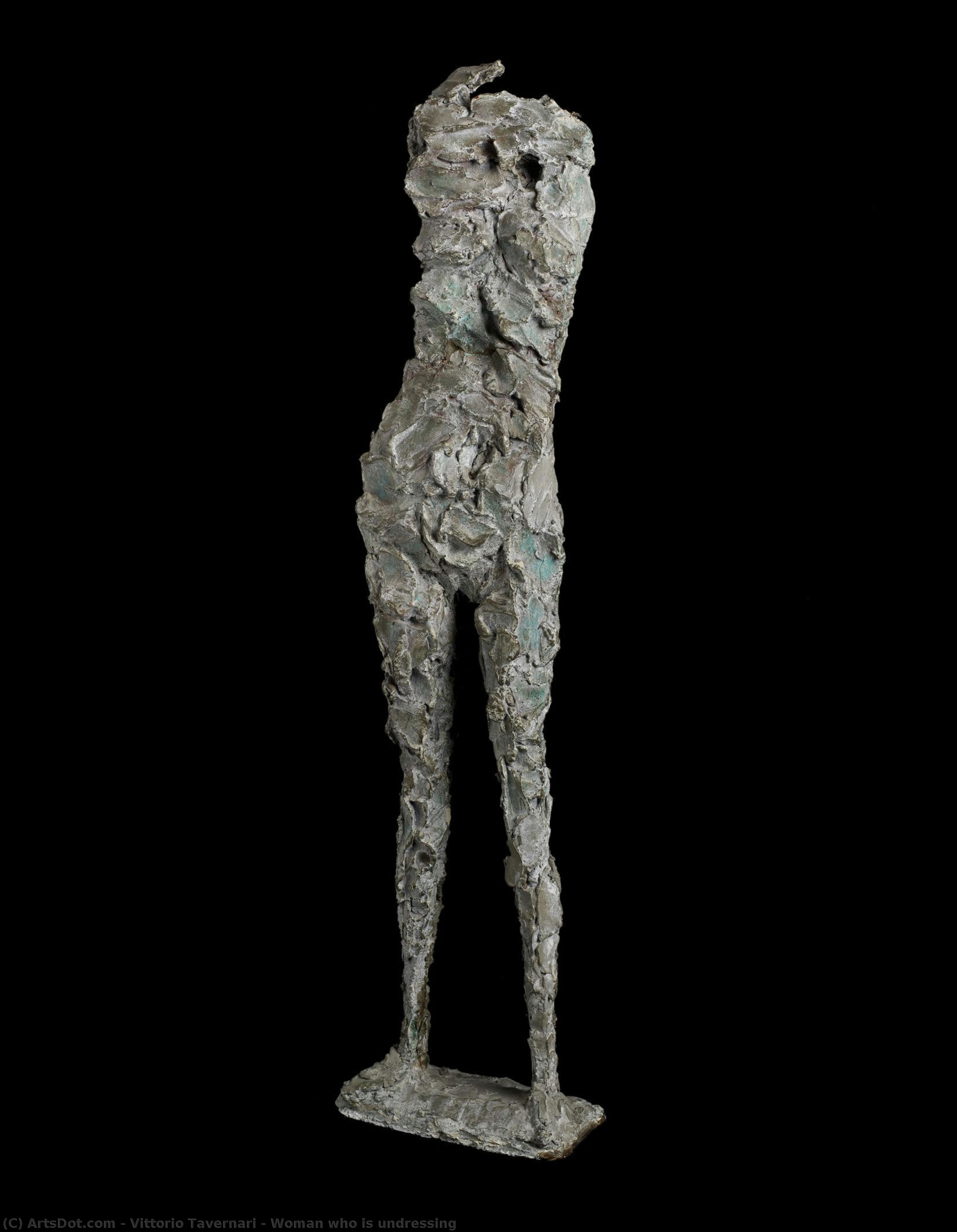
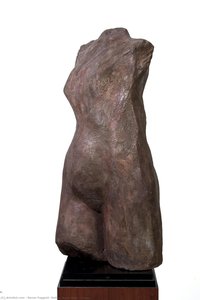
Woman who is undressing
 Contemporary Sculpture
 20.0 x 80.0 cm
 MAGA - Museo Arte Gallarate
 Pročitaj više
Kupite digitalnu sliku visoke rezolucije i poboljšanog kvaliteta, koja je znatno superiornija od onoga što vidite u online prikazu.
Svaka datoteka je pedantno pripremljena od strane naših stručnjaka koristeći napredne alate i profesionalnu ručnu retušu. Osiguravamo da svaka slika ima izuzetnu oštrinu, preciznu reprodukciju boja i fine detalje.
Konačna datoteka se dostavlja putem e-pošte u roku od 72 sata, optimizovana za neposrednu upotrebu u profesionalnim, izdavačkim i štamparskim okruženjima. To je isti kvalitet kojem veruju vrhunski studiji dizajna, izdavači i galerije.
Digitalna slika
Preuzmite datoteku visoke rezolucije za ličnu upotrebu, štampanje i kreativne projekte. ( Kupi print Kupi ručno naslikanu sliku)
Uključeno uz svaku porudžbinu digitalne slike
Profesionalna digitalna isporuka, zagarantovana
Kada odaberete ArtsDot.com, ne dobijate samo sliku – vi primate profesionalno unapređeno digitalno umetničko delo, izrađeno sa najvećom preciznošću i uz garanciju zadovoljstva. Evo svega što automatski dolazi uz vašu porudžbinu:

Brza dostava putem e-pošte
Vaša digitalna slika visoke rezolucije biće vam poslata putem e-pošte u roku od 72 sata od poručivanja – spremna za trenutnu upotrebu.

Digitalna datoteka unapređena veštačkom inteligencijom
Vaše umetničko delo je profesionalno optimizovano korišćenjem naprednih AI alata i ručne obrade, čime se osiguravaju maksimalni detalji, oštrina i preciznost boja.

Besplatna ponovna isporuka doživotno
Slučajno ste obrisali ili izgubili svoju datoteku? Ne brinite – poslaćemo vam je ponovo u bilo kom trenutku, potpuno besplatno.

Bez troškova uvoza – zauvek
Uživajte u svojim umetničkim delima trenutno, bez carine, dažbina ili troškova dostave – digitalni download je uvek bez poreza.

Garancija vernosti boja
Uz pomoć profesionalnih alata i upravljanja bojama, osiguravamo da vaša digitalna slika što vernije odražava originalne boje.

Garancija zadovoljstva u roku od 100 dana
Ako niste zadovoljni svojom digitalnom slikom, revidirat ćemo je ili vratiti 100% novca u roku od 100 dana – bez ikakvih pitanja.

100% garancija povrata novca
Niste zadovoljni? Obezbedite pun povrat novca u roku od 100 dana od trenutka kada ste primili svoju digitalnu datoteku – bez suvišnih pitanja.

Popusti na velike porudžbine
Kupite 3 slike, uštedite 10% - Kupite 5 slika, uštedite 15% - Kupite 10+ slika, uštedite 20%. Odlično za kreativne projekte, galerije i agencije.
Srodna umetnička dela

Biografija umetnika
A Sculptor of the Human Condition: The Life and Art of Vittorio Tavernari
Vittorio Tavernari, born in Milan in 1919, emerged as a significant voice within the Italian artistic landscape of the post-World War II era. His journey began with formal training at the Scuola del Marmo from 1935 to 1938, an institution dedicated to the art of sculpting—a foundation that would profoundly shape his aesthetic and technical approach. However, Tavernari’s work wasn't merely a continuation of traditional sculptural practices; it was a deliberate response to the trauma and upheaval of the war years, a search for meaning and authenticity in a world irrevocably altered. He became a central figure in the Realism movement, not as a simple imitation of life but as an exploration of its raw emotional core and contemporary realities.The Manifesto del Realismo and Early Artistic Development
Tavernari’s artistic identity solidified with his participation in the *Oltre Guernica. Il Manifesto del Realismo* (Beyond Guernica: The Realism Manifesto) published in 1946 by the journal *Argine Numero*. This pivotal moment saw ten artists, including Tavernari and Giovanni Testori, articulate a commitment to representing “the total reality of mankind, in a given place and time.” The manifesto wasn’t simply a stylistic declaration; it was an ethical stance—a rejection of escapism and a call for art that engaged directly with the present. This period saw Tavernari experimenting with various materials – wood, bronze, cement, and marble – each lending itself to different expressive possibilities. His early sculptures often focused on the human figure, particularly torsos, stripped down to their essential forms. These weren’t idealized representations but rather studies of vulnerability, resilience, and the weight of existence. The plaster sculpture from 1943, a precursor to later castings, exemplifies this nascent exploration of the female form in torsion, revealing a modeling process that predates his most recognized works.Exploring Form and Emotion: A Sculptural Language
The years following the manifesto were crucial for Tavernari’s stylistic evolution. His sculptures from 1944-1947 demonstrate a shift from detailed figuration towards simplification of forms, imbued with a primitive and archaic quality. Works like *Maternità* (Maternity, 1944) showcase essential strokes delineating volumes, conveying a sense of ancestral power and quiet strength. *Donna che si sveste* (Woman Undressing, 1945), a captivating black & white sculpture, exemplifies his ability to capture intimate moments with profound sensitivity. These sculptures weren’t merely representations of the human body; they were explorations of inner states—of longing, vulnerability, and the complexities of identity. Tavernari's commitment to realism wasn't about photographic accuracy but about conveying emotional truth through form and texture. He sought a language that transcended superficial appearances, delving into the psychological depths of his subjects.Recognition and Legacy: From Peggy Guggenheim to MOMA
Tavernari’s dedication to his artistic vision didn’t go unnoticed. His work was exhibited at prestigious institutions like the Peggy Guggenheim Collection in Venice, solidifying his position within the international art world. Further recognition came with exhibitions at the Museum of Modern Art (MOMA) in New York City, bringing his sculptures to a wider audience and establishing him as a leading figure in post-war Italian art. While biographical details remain somewhat scarce—compilation is ongoing according to askART—the impact of his work is undeniable. Tavernari’s sculptures continue to resonate with viewers today, offering a powerful testament to the enduring human spirit and the transformative power of art. His exploration of form, emotion, and the complexities of contemporary life ensures his place as a significant contributor to 20th-century sculpture.The Enduring Relevance of a Realist Vision
Vittorio Tavernari’s legacy extends beyond specific artworks or institutional accolades. He represents a generation of artists grappling with the aftermath of war, seeking new ways to express the realities of their time. His commitment to realism—not as a mere style but as an ethical imperative—remains profoundly relevant in a world often saturated with superficiality and abstraction. His sculptures are not simply objects to be admired; they are invitations to contemplate the human condition, to confront our own vulnerabilities, and to recognize the shared experiences that bind us together. The enduring power of Tavernari’s work lies in its ability to connect with viewers on a deeply emotional level, reminding us of the beauty, fragility, and resilience of the human spirit.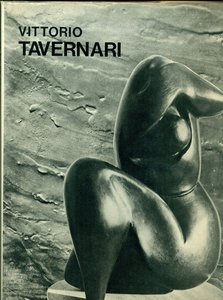
vittorio tavernari
1919 - , Italy
Kratke činjenice
- Artistic Movement Or Style: Realism
- Date Of Birth: 1919
- Full Name: Vittorio Tavernari
- Nationality: Italian
- Notable Artworks: ['Woman who is undressing']
- Place Of Birth: Milan, Italy