

 Pregledaj u prostoru
 Pošalji
 Podeli
 Detalji o delu

 Преузми
 Slični predmeti
 Rendgenski snimak
 Slajdovi
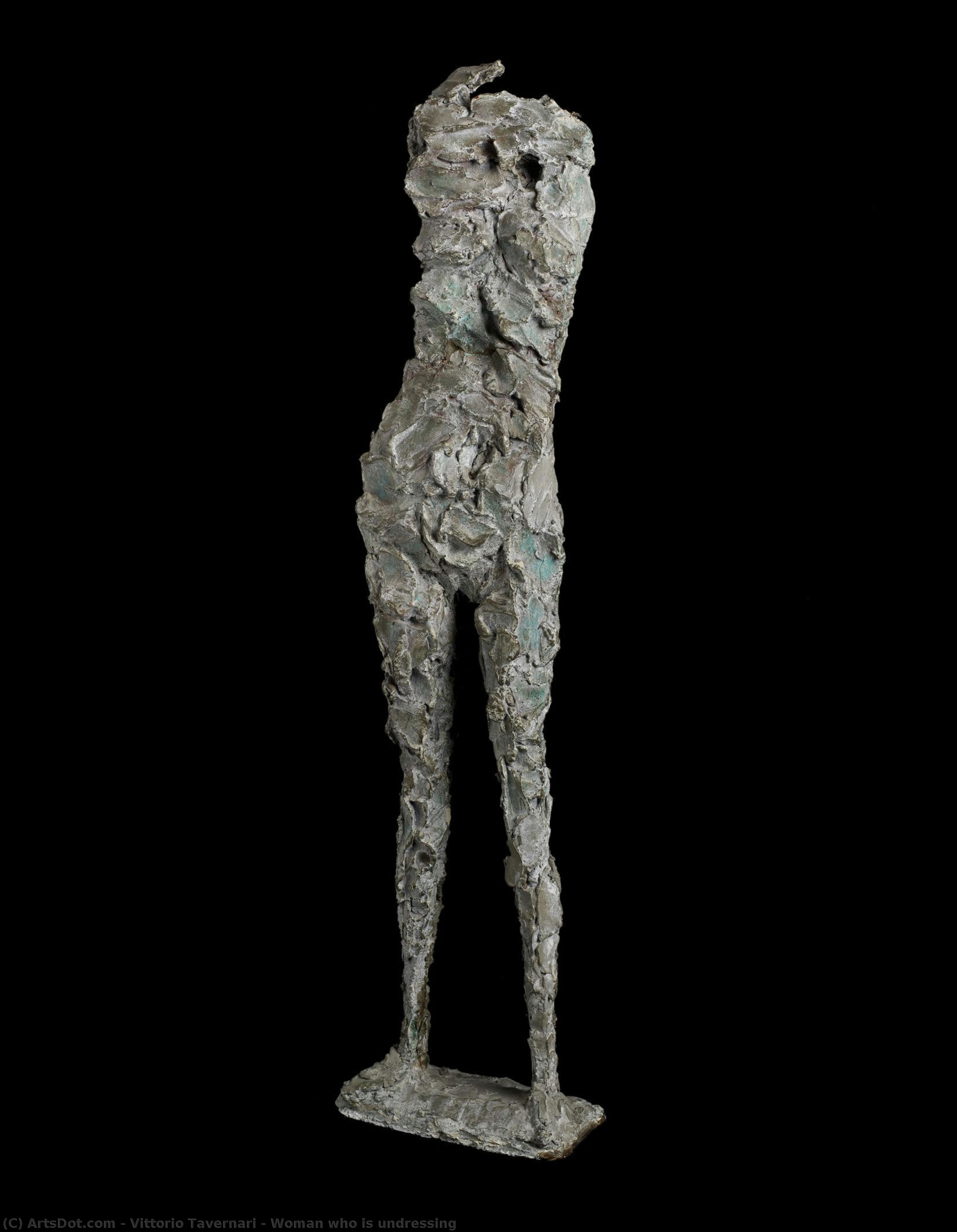
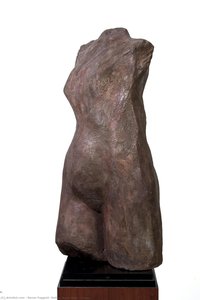
Woman who is undressing
 Contemporary Sculpture
 20.0 x 80.0 cm
 MAGA - Museo Arte Gallarate
 Pročitaj više
Giclee štampa / Umetnički otisak
Giclée štampa ili print na platnu muzejskog kvaliteta uz brzu proizvodnju i fleksibilne opcije završne obrade. ( Kupi ručno naslikanu sliku Kupi digitalnu sliku)




P118B $10

P118H $10

P118W $10

P438Z $10

P508JH $12

P508YH $12

P805H $10

P805Z $10

P919BZ $10

P919G $10

P919XJ $10

P959ZH $10

P968JZ $12

W106C $8

W218G $10

W218JH $8

W218Y $10

W307PJ $10

W316G $10

W316PJ $8

W316Y $10

W398PJ $8

W4111J $10

W500HY $15

W500JH $15

W692G $12

W849H $8

W940BG $15

W953PJ $8




Izaberite jednu od naših unapred definisanih veličina koje odgovaraju originalnim proporcijama umetničkog dela.

Možete uneti sopstvene dimenzije kako biste umetničko delo prilagodili specifičnom okviru ili prostoru. Ako odabrani format ne odgovara proporcijama originalne slike, mi ćemo ili iscrtati deo dela ili proširiti sliku pomoću ogledane ivice ili jednobojnog popunjavanja. Digitalni prikaz će vam biti poslat na odobrenje pre početka proizvodnje.
Imajte na umu da pregled na ekranu ne odražava stvarno iscrtavanje ili proširivanje. Samo će prikaz (mockup) precizno pokazati finalnu kompoziciju.
Iako su prilagođene dimenzije dostupne, preporučujemo da odaberete dimenziju sa unapred definisane liste kako biste očuvali originalne proporcije.
Dostava širom sveta () za 2 nedelje umesto uobičajenih 4/5 nedelja. (7 септембар)

Besplatna ekspresna dostava širom sveta

Visokokvalitetno laneno platno

Kompletno osiguranje transporta

Garancija povraćaja carine i uvoznih dažbina

Garancija vernosti boja

Politika povrata u roku od 100 dana (samo u slučaju nedostataka)

Garancija povrata novca od 100%

Popust pri grupnoj kupovini
 Opcija sa staklom dostupna je samo za dimenzije manje od 110 cm

Woman who is undressing
Giclee štampa / Umetnički otisak
Dimenzije reprodukcije
-


Konačna cena
$ 62
Srodna umetnička dela

Biografija umetnika
A Sculptor of the Human Condition: The Life and Art of Vittorio Tavernari
Vittorio Tavernari, born in Milan in 1919, emerged as a significant voice within the Italian artistic landscape of the post-World War II era. His journey began with formal training at the Scuola del Marmo from 1935 to 1938, an institution dedicated to the art of sculpting—a foundation that would profoundly shape his aesthetic and technical approach. However, Tavernari’s work wasn't merely a continuation of traditional sculptural practices; it was a deliberate response to the trauma and upheaval of the war years, a search for meaning and authenticity in a world irrevocably altered. He became a central figure in the Realism movement, not as a simple imitation of life but as an exploration of its raw emotional core and contemporary realities.The Manifesto del Realismo and Early Artistic Development
Tavernari’s artistic identity solidified with his participation in the *Oltre Guernica. Il Manifesto del Realismo* (Beyond Guernica: The Realism Manifesto) published in 1946 by the journal *Argine Numero*. This pivotal moment saw ten artists, including Tavernari and Giovanni Testori, articulate a commitment to representing “the total reality of mankind, in a given place and time.” The manifesto wasn’t simply a stylistic declaration; it was an ethical stance—a rejection of escapism and a call for art that engaged directly with the present. This period saw Tavernari experimenting with various materials – wood, bronze, cement, and marble – each lending itself to different expressive possibilities. His early sculptures often focused on the human figure, particularly torsos, stripped down to their essential forms. These weren’t idealized representations but rather studies of vulnerability, resilience, and the weight of existence. The plaster sculpture from 1943, a precursor to later castings, exemplifies this nascent exploration of the female form in torsion, revealing a modeling process that predates his most recognized works.Exploring Form and Emotion: A Sculptural Language
The years following the manifesto were crucial for Tavernari’s stylistic evolution. His sculptures from 1944-1947 demonstrate a shift from detailed figuration towards simplification of forms, imbued with a primitive and archaic quality. Works like *Maternità* (Maternity, 1944) showcase essential strokes delineating volumes, conveying a sense of ancestral power and quiet strength. *Donna che si sveste* (Woman Undressing, 1945), a captivating black & white sculpture, exemplifies his ability to capture intimate moments with profound sensitivity. These sculptures weren’t merely representations of the human body; they were explorations of inner states—of longing, vulnerability, and the complexities of identity. Tavernari's commitment to realism wasn't about photographic accuracy but about conveying emotional truth through form and texture. He sought a language that transcended superficial appearances, delving into the psychological depths of his subjects.Recognition and Legacy: From Peggy Guggenheim to MOMA
Tavernari’s dedication to his artistic vision didn’t go unnoticed. His work was exhibited at prestigious institutions like the Peggy Guggenheim Collection in Venice, solidifying his position within the international art world. Further recognition came with exhibitions at the Museum of Modern Art (MOMA) in New York City, bringing his sculptures to a wider audience and establishing him as a leading figure in post-war Italian art. While biographical details remain somewhat scarce—compilation is ongoing according to askART—the impact of his work is undeniable. Tavernari’s sculptures continue to resonate with viewers today, offering a powerful testament to the enduring human spirit and the transformative power of art. His exploration of form, emotion, and the complexities of contemporary life ensures his place as a significant contributor to 20th-century sculpture.The Enduring Relevance of a Realist Vision
Vittorio Tavernari’s legacy extends beyond specific artworks or institutional accolades. He represents a generation of artists grappling with the aftermath of war, seeking new ways to express the realities of their time. His commitment to realism—not as a mere style but as an ethical imperative—remains profoundly relevant in a world often saturated with superficiality and abstraction. His sculptures are not simply objects to be admired; they are invitations to contemplate the human condition, to confront our own vulnerabilities, and to recognize the shared experiences that bind us together. The enduring power of Tavernari’s work lies in its ability to connect with viewers on a deeply emotional level, reminding us of the beauty, fragility, and resilience of the human spirit.
vittorio tavernari
1919 - , Italy
Osnovne informacije
- Artistic Movement Or Style: Realism
- Date Of Birth: 1919
- Full Name: Vittorio Tavernari
- Nationality: Italian
- Notable Artworks: ['Woman who is undressing']
- Place Of Birth: Milan, Italy
Povezani članci

Bronze Sculptures That Defined Art History | ArtsDot
Journey through art history with our Top 10 bronze sculptures! Explore masterpieces by Rodin, Michelangelo & more. Discover stories behind iconic statues and find museum-quality reproductions for your home decor at ArtsDot.com.

Bronze Age to Modern Masters: 10 Sculptures That Redefined Art | ArtsDot
Journey through art history with 10 legendary bronze sculptures – from Michelangelo's David to Rodin’s Thinker. Explore the stories, techniques & timeless beauty of these masterpieces. Find museum-quality reproductions & elevate your home decor on ArtsDot.com.

The Enduring Form: Exploring Themes & Techniques in Sculpture Across Historical Periods
Explore the rich history of sculpture from ancient masterpieces to contemporary innovations. Discover key techniques, influential artists & investment potential for discerning art collectors.

The Enduring Form: Sculpture Across History, Technique & Emotional Resonance
Explore the rich history of sculpture with ArtsDot. Discover key techniques, influential artists & investment potential for discerning collectors. Expert insights into valuing and collecting timeless masterpieces.

Dark Masterpieces: 10 Iconic Paintings Dominated by Black Tones |
Explore 10 iconic paintings dominated by black tones, from Rembrandt’s chiaroscuro to Goya's dark expressions. Discover the stories behind these masterpieces & find museum-quality art reproductions for your home at .