

 Pregledaj u prostoru
 Pošalji
 Podeli
 Detalji o delu

 Преузми
 Slični predmeti
 Rendgenski snimak
 Slajdovi
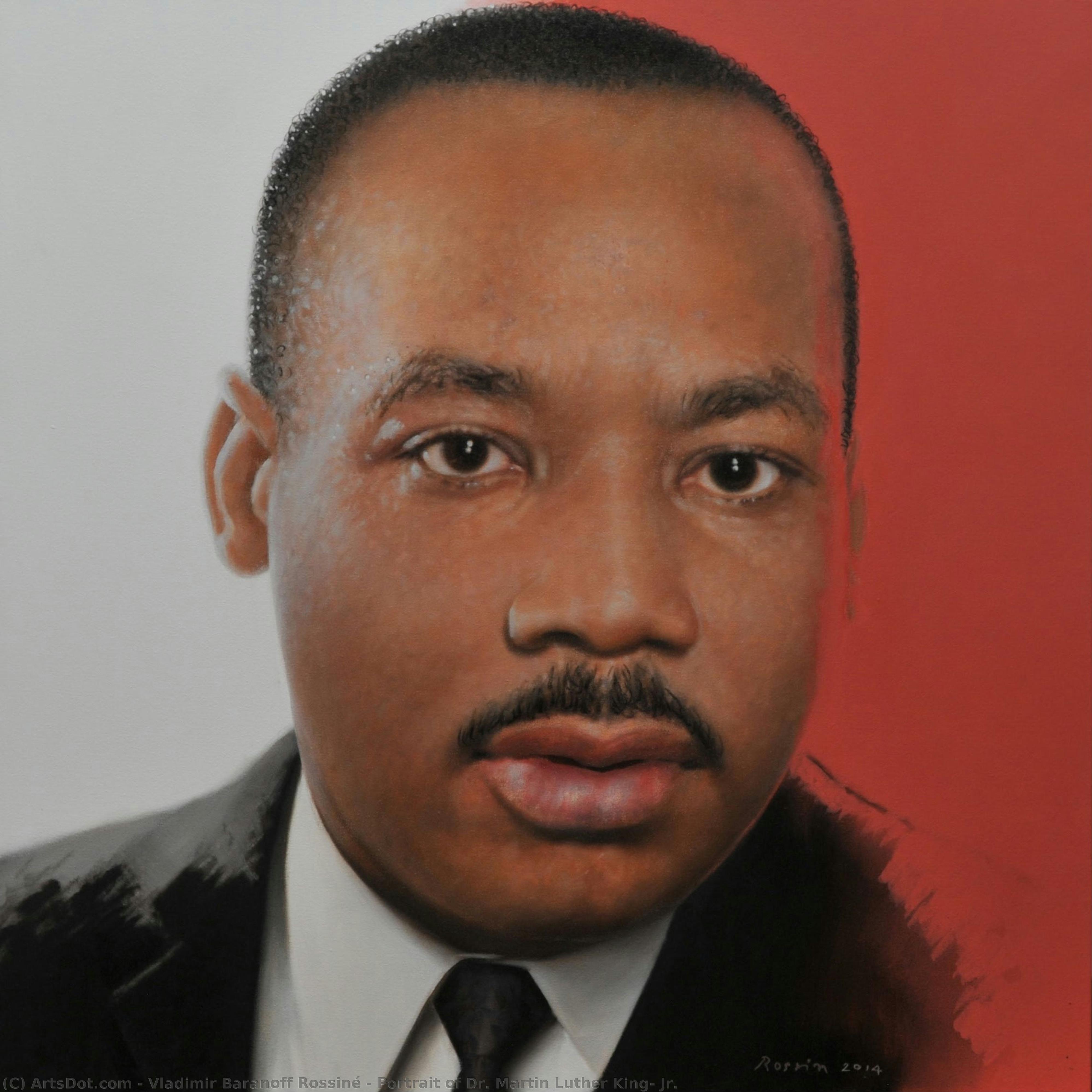
Portrait of Dr. Martin Luther King, Jr.
 Oil On Canvas
- WallArt
- Contemporary Realism
 2014
2014- Contemporary
 National Center for Civil and Human Rights
 Pročitaj više
Ručno rađena uljana reprodukcija
Ručno oslikano uljanim bojama na platnu u dimenzijama i okviru po vašem izboru, izrađeno po porudžbini od strane naših umetnika. ( Kupi print Kupi digitalnu sliku)




P118B $10

P118H $10

P118W $10

P438Z $10

P508JH $12

P508YH $12

P805H $10

P805Z $10

P919BZ $10

P919G $10

P919XJ $10

P959ZH $10

P968JZ $12

W106C $8

W218G $10

W218JH $8

W218Y $10

W307PJ $10

W316G $10

W316PJ $8

W316Y $10

W398PJ $8

W4111J $10

W500HY $15

W500JH $15

W692G $12

W849H $8

W940BG $15

W953PJ $8




Izaberite jednu od naših unapred definisanih veličina koje odgovaraju originalnim proporcijama umetničkog dela.

Можете унети сопствене димензије како бисте прилагодили дело одређеном оквиру или простору. Ако одабрана величина не одговара пропорцијама оригинала, слика ће бити исечена или проширена додатним елементима који се ручно насликавају. Дигитални prikaz ће вам бити послат на одобрење пре почетка производње.
Имајте на уму да преглед на екрану не одражава стварно исецање или проширење. Само приказ (mockup) ће тачно приказати коначну композицију.
Иако су доступне прилагођене величине, препоручујемо да одаберете димензију из дефинисане листе како бисте сачували оригиналне пропорције.
Nakon narudžbine, tim ArtsDot.com će klijentu putem e-pošte poslati uputstva i dostaviti prikaz predloženog rešenja
Isporuka širom sveta () za 3/4 nedelje umesto uobičajenih 5 nedelja. (5 септембар). Bez kompromisa po pitanju kvaliteta.

Besplatna ekspresna dostava širom sveta

Visokokvalitetno laneno platno

Kompletno osiguranje transporta

Garancija povraćaja carine i uvoznih dažbina

Garancija vernosti boja

Politika povrata u roku od 60 dana (samo u slučaju nedostataka)

Garancija povrata novca od 100%

Popust pri grupnoj kupovini
 Opcija sa staklom dostupna je samo za dimenzije manje od 110 cm

Portrait of Dr. Martin Luther King, Jr.
Tehnika reprodukcije
Dimenzije reprodukcije
-


Konačna cena
$ 263
Srodna umetnička dela

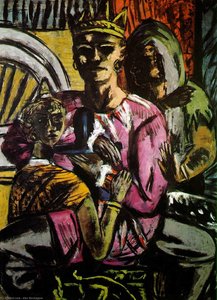
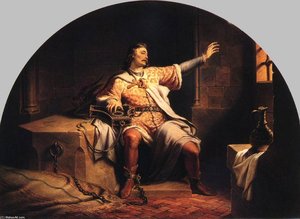
Biografija umetnika
The Early Years and the Seeds of Vision
Vincent van Gogh, born in Zundert, Netherlands, on March 30, 1853, was a figure whose life and art are inextricably linked to a profound struggle for self-expression and an intense connection with the natural world. His early years were marked by a quiet, introspective nature, a sensitivity that manifested in his artistic pursuits from a young age. Unlike many artists of his time who received formal training, Van Gogh largely taught himself, developing his skills through diligent observation and tireless practice. He initially worked as an art dealer in The Hague and London, experiences that exposed him to the commercial realities of the art world and fostered a deep appreciation for diverse artistic styles. However, these early professional endeavors did little to quell his yearning for a more meaningful existence, one rooted in genuine creative expression. His family’s modest circumstances and his own personal disappointments – including a failed romance with Sien Hoornik – contributed to a sense of isolation and a growing awareness of the human condition's inherent suffering. These formative experiences would profoundly shape his artistic vision, imbuing it with an emotional depth and raw honesty rarely seen in contemporary art. The influence of Dutch Masters like Rembrandt and Millet, particularly their use of light and shadow to convey mood and emotion, subtly informed his nascent style.- Early Influences: Rembrandt, Millet
- Initial Career: Art Dealer (Hague & London)
- Personal Struggles: Failed Romance, Isolation
The Rise of a Distinctive Style – From Darkness to Light
Van Gogh’s artistic journey truly began in earnest around 1880, coinciding with a period of intense personal and spiritual searching. He moved to Paris in 1886, immersing himself in the vibrant Impressionist and Post-Impressionist scene. This exposure proved transformative, introducing him to artists like Toulouse-Lautrec, Degas, and Gauguin – encounters that dramatically influenced his palette, brushwork, and approach to subject matter. He initially experimented with darker, more somber tones, reflecting his own emotional turmoil, as evidenced in works such as *The Potato Eaters* (1885), a poignant depiction of peasant life imbued with a sense of hardship and resilience. However, the influence of Impressionism’s emphasis on capturing fleeting moments of light and color gradually began to shift his perspective. His time in Paris marked a crucial turning point, leading him to adopt brighter colors and looser brushstrokes – techniques he would further refine during his subsequent stay in Arles, Southern France. This period saw the emergence of iconic works like *Self-Portrait with Bandaged Ear* (1889), a brutally honest depiction of his mental struggles following a severe psychotic episode.- Parisian Influence: Impressionism & Post-Impressionism
- Key Artists: Toulouse-Lautrec, Degas, Gauguin
- Early Works: *The Potato Eaters* (1885)
Arles and the Flowering of Genius – A Period of Intense Productivity
Following his departure from Paris in 1888, Van Gogh settled in Arles, a small Provençal town that would become the setting for some of his most celebrated works. Seeking to establish an artist’s colony alongside Paul Gauguin, he envisioned a community dedicated to artistic experimentation and collaboration. However, this idyllic dream quickly dissolved as tensions arose between the two artists, culminating in a violent altercation during which Van Gogh mutilated his own ear. Despite this traumatic event, he continued to paint with feverish intensity, producing an astonishing volume of work – over 860 paintings and drawings – in a remarkably short period. The landscapes of Arles—fields of sunflowers, wheat fields bathed in golden light, the Rhône River reflecting the sky—became recurring subjects, imbued with his deeply felt emotions. This period witnessed the creation of some of his most iconic masterpieces, including *Sunflowers* (1888), *Starry Night Over the Rhone* (1888), and *The Bedroom in Arles* (1888). His use of impasto—applying paint thickly to create a textured surface—became increasingly pronounced, adding a tactile dimension to his work.- Arles Residency: Seeking an Artist’s Colony
- Collaboration with Gauguin: Tensions and Conflict
- Key Works: *Sunflowers*, *Starry Night Over the Rhone*, *The Bedroom in Arles*
Legacy and Lasting Impact – A Revolutionary Vision
Vincent van Gogh’s tragically short life—he died on July 29, 1890—left behind a body of work that profoundly impacted the course of art history. Though largely unrecognized during his lifetime, his innovative use of color, brushwork, and emotional expression laid the groundwork for Expressionism and other modern artistic movements. His intensely personal style, characterized by raw honesty and vulnerability, resonated deeply with audiences long after his death. His letters to his brother Theo provide invaluable insights into his creative process and his struggles with mental illness, offering a poignant glimpse into the mind of a tormented genius. Today, Van Gogh’s paintings are among the most beloved and recognizable in the world, displayed in museums across the globe and reproduced endlessly. His legacy extends beyond the art world, serving as a symbol of artistic passion, perseverance, and the enduring power of human emotion. The influence of his bold colors, expressive brushstrokes, and deeply felt subject matter continues to inspire artists and captivate viewers alike, solidifying his place as one of the most important figures in Western art.- Posthumous Recognition: Growing Appreciation
- Influence on Art Movements: Expressionism
- Lasting Legacy: Symbol of Artistic Passion & Vulnerability
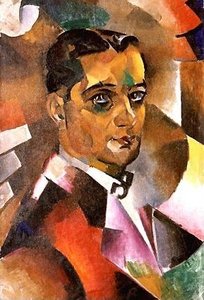
vladimir baranoff rossiné
1888 - 1944
Osnovne informacije
- Artistic Movement Or Style: Abstract painting, Color theory
- Artists Or Movements Influenced By This Artist:
- Color Field painting
- Bauhaus movement
- Artists Who Influenced This Artist:
- Paul Klee
- Wassily Kandinsky
- Date Of Birth: 1888
- Date Of Death: 1976
- Full Name: Josef Albers
- Nationality: German-American
- Notable Artworks:
- Homage to the Square
- Yellow Hexagons
- Place Of Birth: Bottrop, Germany
Povezani članci
Povratak freske: Zidne slike kao novi luksuzni izraz u savremenoj arhitekturi i dizajnu
Otkrijte luksuz zidnih slika i fresaka za savršen enterijer! Ekskluzivni dizajn, stručni umetnici & kvalitetna izrada. Inspiracija i rešenja za hotele i privatne prostore.
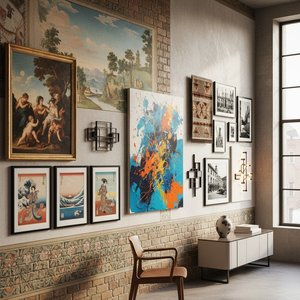
Transforming Spaces: A Comprehensive Exploration of Wall Decor Through Art History & Contemporary Practice
Explore the art of transforming spaces with our comprehensive guide to wall decor. From historical movements to contemporary trends, discover how to curate impactful interiors and commission bespoke artwork for a truly personalized aesthetic.
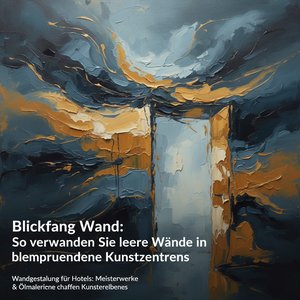
The Art of Emphasis: Scaling Artwork for Impactful Statement Walls
Elevate your interiors with impactful statement walls! Expert guide on scaling artwork for perfect proportions & design harmony. Custom solutions & free consultations at ArtsDot.
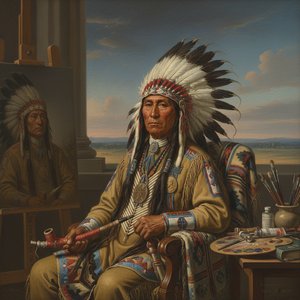
Charles Bird King: Capturing Native American Dignity Through Portraiture & Cultural Exchange
Explore the captivating portraits of Charles Bird King, renowned for his depictions of Native American leaders. Discover the historical context, artistic techniques, and collecting value of these significant 19th-century artworks.
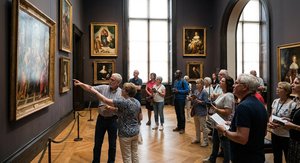
Remek-dela Alte Pinakotek: 25 slika koje definišu renesansu i barok (umetnost, dekoracija doma)
Otkrijte 25 remek-dela Alte Pinakotek u Minhenu! Istražite priče iza slika Leonarda, Rafaela i Rembrandta. Inspiracija za dekoraciju doma & reprodukcije vrhunskog kvaliteta na ArtsDot.com.

