

 Pregledaj u prostoru
 Pošalji
 Podeli
 Detalji o delu

 Преузми
 Slični predmeti
 Rendgenski snimak
 Slajdovi
 Statistika
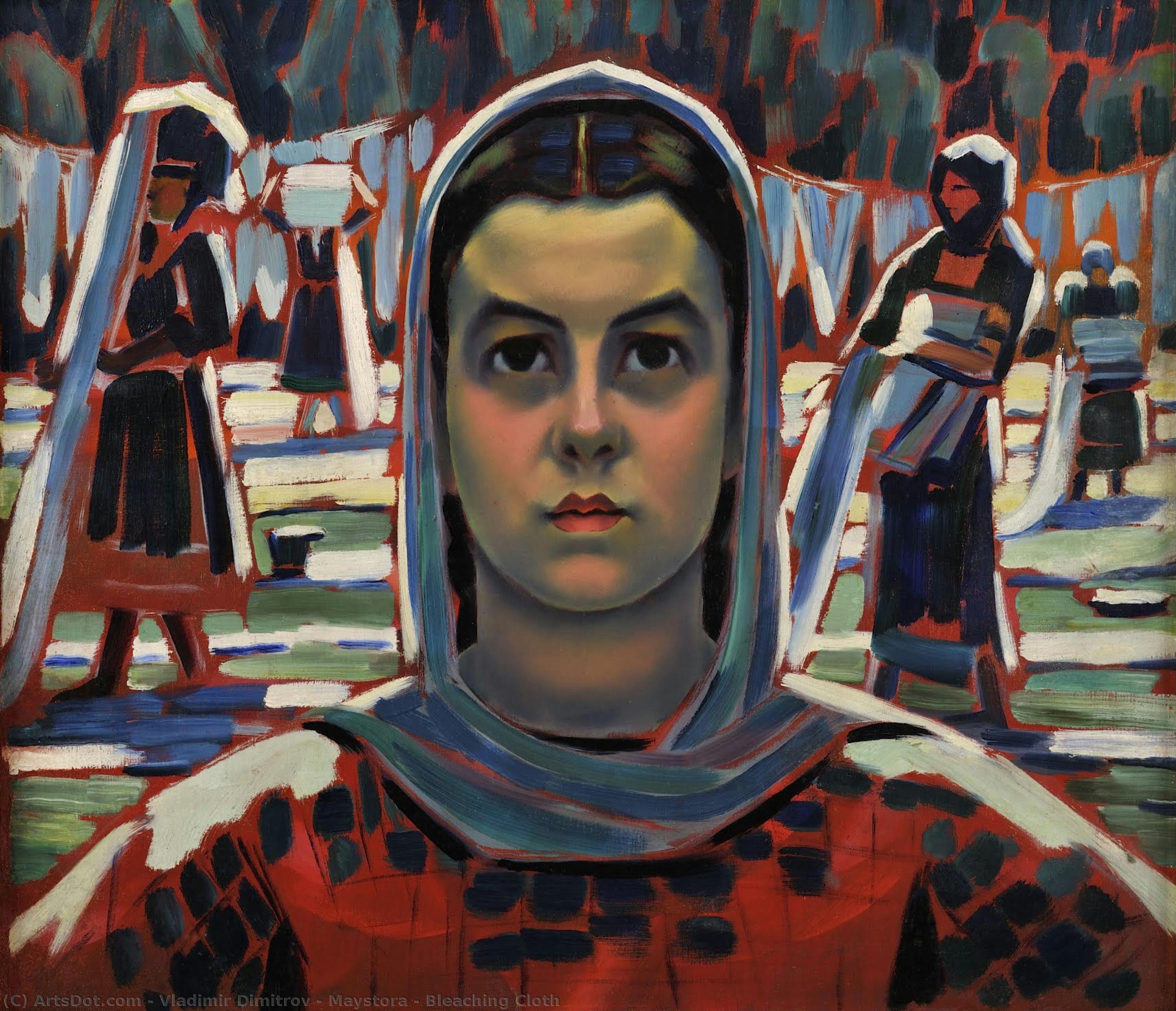
Bleaching Cloth
 Oil
Oil- WallArt
- Native art
 1930
1930- Modern
 63.0 x 73.0 cm
 National Gallery of Bulgaria
 Pročitaj više
Ručno rađena uljana reprodukcija
Ručno oslikano uljanim bojama na platnu u dimenzijama i okviru po vašem izboru, izrađeno po porudžbini od strane naših umetnika. ( Pređi na štampu Pređi na digitalnu sliku)




P118B $10

P118H $10

P118W $10

P438Z $10

P508JH $12

P508YH $12

P805H $10

P805Z $10

P919BZ $10

P919G $10

P919XJ $10

P959ZH $10

P968JZ $12

W106C $8

W218G $10

W218JH $8

W218Y $10

W307PJ $10

W316G $10

W316PJ $8

W316Y $10

W398PJ $8

W4111J $10

W500HY $15

W500JH $15

W692G $12

W849H $8

W940BG $15

W953PJ $8




Izaberite jednu od naših unapred definisanih veličina koje odgovaraju originalnim proporcijama umetničkog dela.

Можете унети сопствене димензије како бисте прилагодили дело одређеном оквиру или простору. Ако одабрана величина не одговара пропорцијама оригинала, слика ће бити исечена или проширена додатним елементима који се ручно насликавају. Дигитални prikaz ће вам бити послат на одобрење пре почетка производње.
Имајте на уму да преглед на екрану не одражава стварно исецање или проширење. Само приказ (mockup) ће тачно приказати коначну композицију.
Иако су доступне прилагођене величине, препоручујемо да одаберете димензију из дефинисане листе како бисте сачували оригиналне пропорције.
Nakon narudžbine, tim ArtsDot.com će klijentu putem e-pošte poslati uputstva i dostaviti prikaz predloženog rešenja
Isporuka širom sveta () za 3/4 nedelje umesto uobičajenih 5 nedelja. (9 септембар). Bez kompromisa po pitanju kvaliteta.

Besplatna ekspresna dostava širom sveta

Visokokvalitetno laneno platno

Kompletno osiguranje transporta

Garancija povraćaja carine i uvoznih dažbina

Garancija vernosti boja

Politika povraćaja u roku od 100 dana (isključivo u slučaju nedostataka)

Garancija povrata novca od 100%

Popust pri grupnoj kupovini
 Opcija sa staklom dostupna je samo za dimenzije manje od 110 cm

Bleaching Cloth
Tehnika reprodukcije
Dimenzije reprodukcije
-


Konačna cena
$ 263
A Vision of Bulgarian Soul: The Lyrical World of Vladimir Dimitrov
In the quiet, sun-drenched landscapes of early 20th-century Bulgaria, few artists captured the heartbeat of the nation as intimately as Vladimir Dimitrov, affectionately known as Maystora. His masterpiece, Bleaching Cloth, serves as a profound window into the "Native art" movement, where the boundaries between the human spirit and the earth itself begin to blur. Created in 1930, this painting is not merely a depiction of rural labor; it is a poetic meditation on community, tradition, and the rhythmic beauty of everyday existence. As a central figure of Bulgarian modernism, Dimitrov possessed an extraordinary ability to elevate the mundane into the monumental, using a palette that vibrates with life and a technique that feels both grounded and ethereal.
The composition centers on a striking portrait of a woman, her gaze meeting the viewer with a quiet, penetrating strength. Clad in a traditional headscarf, she stands as a sentinel of her culture, positioned before a gathering of figures that suggest a shared moment of communal purpose. The scene is rich with the textures of village life—the presence of benches, a simple bucket, and a discarded handbag all ground the painting in a tangible reality. Yet, there is a dreamlike quality to the arrangement; the way the figures are layered creates a sense of depth that pulls the observer into their shared world, making one feel less like a distant spectator and more like an invited guest to this timeless gathering.
Technique and the Radiance of Color
What distinguishes Bleaching Cloth is Dimitrov’s masterful use of color and form. Moving away from the rigid academic realism of his early training, the artist embraced a more decorative and lyrical approach. He employs intense, saturated hues that breathe warmth into the canvas, reflecting his deep connection to the Bulgarian landscape. The brushwork, while controlled, possesses a fluid vitality that emphasizes the organic shapes of the subjects. This stylistic choice allows the light to seem as though it is emanating from within the figures themselves, rather than merely falling upon them.
For the discerning collector or interior designer, this piece offers a sophisticated balance of bold visual impact and soothing emotional resonance. The painting’s ability to command attention through its vibrant tones makes it an ideal centerpiece for spaces that require a touch of cultural depth and warmth. Whether placed in a contemporary gallery setting or a classic study, a high-quality reproduction of this work brings with it the enduring legacy of "The Master," offering a sense of historical continuity and an appreciation for the profound beauty found in the simplest of human endeavors.
Srodna umetnička dela
Biografija umetnika
Edward Hopper: The Solitude of the American Landscape
Edward Hopper (1882-1967) remains one of America’s most enduring and enigmatic figures in art history. More than just a painter, he was a keen observer of modern life, capturing the quiet loneliness and subtle dramas unfolding within the increasingly urbanized landscapes of early 20th-century America. Born in Nyack, New York, to a comfortable middle-class family with Dutch ancestry, Hopper’s artistic journey began modestly but ultimately led him to international recognition and a place among the giants of American realism.
Hopper's early life was marked by a supportive environment that nurtured his nascent talent. He initially studied illustration at the Correspondence School of Illustrating in New York City before enrolling at the New York School of Art under the tutelage of William Merritt Chase and Robert Henri. These formative influences shaped his approach to art, encouraging him to move beyond mere representation and explore the emotional resonance of his subjects. Henri’s emphasis on depicting “everyday conditions” proved particularly influential, pushing Hopper to find narrative depth within commonplace scenes.
Hopper's artistic development was punctuated by several significant trips abroad – Paris in 1906-7, Paris again in 1909, and a brief visit to Spain the following year. These experiences exposed him to European art movements, notably Impressionism and Post-Impressionism, particularly the work of Edgar Degas and Édouard Manet. He was drawn to their compositional techniques and their ability to capture fleeting moments and urban life with remarkable clarity. However, Hopper resisted fully embracing the radical innovations of Cubism or Fauvism, instead distilling these influences into a uniquely American style characterized by stark realism, precise detail, and an evocative use of light and shadow.
The Palette of Isolation
Hopper’s signature style is instantly recognizable. He masterfully employed a limited palette—often dominated by muted blues, grays, and browns—to create a sense of stillness and introspection. His compositions frequently feature solitary figures within expansive spaces – diners at late hours, train stations deserted after dark, or apartments overlooking bustling city streets. These scenes are imbued with a profound sense of loneliness and isolation, reflecting the anxieties and uncertainties of modern life.
A key element of Hopper’s technique was his careful manipulation of light. He used it not merely to illuminate subjects but to shape mood and create dramatic contrasts between darkness and shadow. This chiaroscuro effect heightened the emotional impact of his paintings, drawing the viewer's eye to specific details and suggesting unspoken narratives.
His most famous work, *Nighthawks* (1942), exemplifies this approach perfectly. The painting depicts four figures in a brightly lit diner at night, surrounded by an empty urban landscape. The scene is both inviting and unsettling, conveying a sense of isolation and vulnerability. The lack of visible entry points to the diner further emphasizes the characters’ confinement and their detachment from the outside world.
Themes and Influences
Hopper's work consistently explored themes of loneliness, alienation, and the tension between tradition and progress. He was particularly interested in depicting the experiences of individuals navigating the complexities of modern American society – the quiet desperation of urban dwellers, the yearning for connection amidst vast distances, and the sense of displacement that often accompanies rapid social change.
Beyond his artistic influences, Hopper drew inspiration from literature, music, and photography. He was a devoted admirer of writers like Henry James and Dostoevsky, whose works explored themes of psychological complexity and existential angst. His paintings frequently evoke the atmosphere of novels and films, creating a cinematic quality that resonates with viewers.
Legacy and Recognition
Despite initial resistance from some critics, Hopper’s work gradually gained recognition throughout his career. He achieved widespread acclaim in the 1930s and 1940s, becoming one of America's most celebrated artists. His paintings are now housed in major museums around the world, including the Metropolitan Museum of Art, the Museum of Modern Art, and the National Gallery of Art.
Hopper’s influence on subsequent generations of American artists is undeniable. His exploration of urban landscapes, his masterful use of light and shadow, and his poignant portrayal of human emotion continue to resonate with viewers today. He remains a powerful symbol of American realism and a testament to the enduring appeal of quiet contemplation in an increasingly chaotic world.
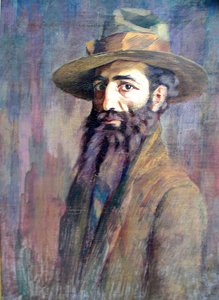
vladimir dimitrov - maystora
1882 - 1960 , Bulgaria
Osnovne informacije
- Artistic Movement Or Style: Realism, American Realism
- Artists Or Movements Influenced By This Artist:
- Umberto Boccioni
- George Bellows
- Artists Who Influenced This Artist:
- William Merritt Chase
- Robert Henri
- Date Of Birth: July 22, 1882
- Date Of Death: May 15, 1967
- Full Name: Edward Hopper
- Nationality: American
- Notable Artworks:
- Nighthawks
- Automat
- Office in a Small City
- Place Of Birth: Nyack, New York, USA
Povezani članci
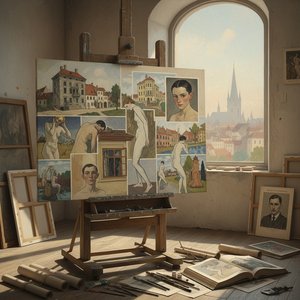
Egon Schiele: 25 Remek-dela Ekspresionizma za Vaš Dom | ArtsDot
Istražite 25 remek-dela Egona Schielea – ekspresionističkih portreta i slika koje odražavaju duboke emocije. Kupite reprodukcije vrhunskog kvaliteta za dekoraciju enterijera na ArtsDot.com! Otkrijte celu kolekciju online.

Jacopo Tintoretto: 25 Remek-dela Venecijanskog Majstora | Reprodukcije i Inspiracija za Dom
Uronite u svet Jacopa Tintoreta! Otkrijte 25 remek-dela venecijanskog renesansnog majstora. Istražite dramatične kompozicije, bogate boje i istoriju umetnosti na ArtsDot.com. Reprodukcije slika za luksuzni enterijer.

The Visceral Stage: Exploring Dramatic Narratives & Emotional Intensity in Baroque Art
Explore the dramatic world of Baroque art! Discover iconic masters like Caravaggio & Rembrandt, their techniques, and the movement's lasting impact. Expert insights for collectors & enthusiasts at ArtsDot.
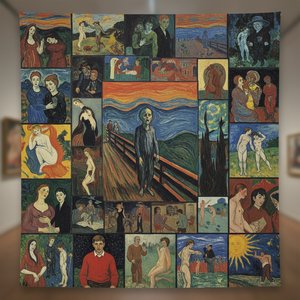
Edvard Munch: 25 Remek-dela Koje Otkrivaju Dubinu Čovekove Duše | ArtsDot
Istražite 25 remek-dela Edvarda Muncha i otkrijte dubinu ekspresionizma, tugu i anksioznost u njegovim ikončnim slikama. Kvalitetne reprodukcije za dekoraciju enterijera dostupne na ArtsDot.com. Pronađite inspiraciju i kupite umetnička dela online!
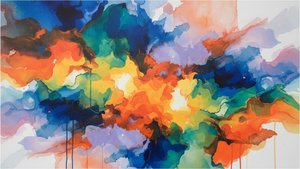
Paul Jenkins: Abstraction, Color Field Painting & the Pursuit of Lyrical Expression
Explore the captivating world of Paul Jenkins, a pioneer of abstract expressionism & color field painting. Discover his unique ‘Phenomena’ series and investment potential for art collectors. Expert insights at ArtsDot.