

 Pregledaj u prostoru
 Pošalji
 Podeli
 Detalji o delu

 Преузми
 Slični predmeti
 Rendgenski snimak
 Slajdovi
 Statistika
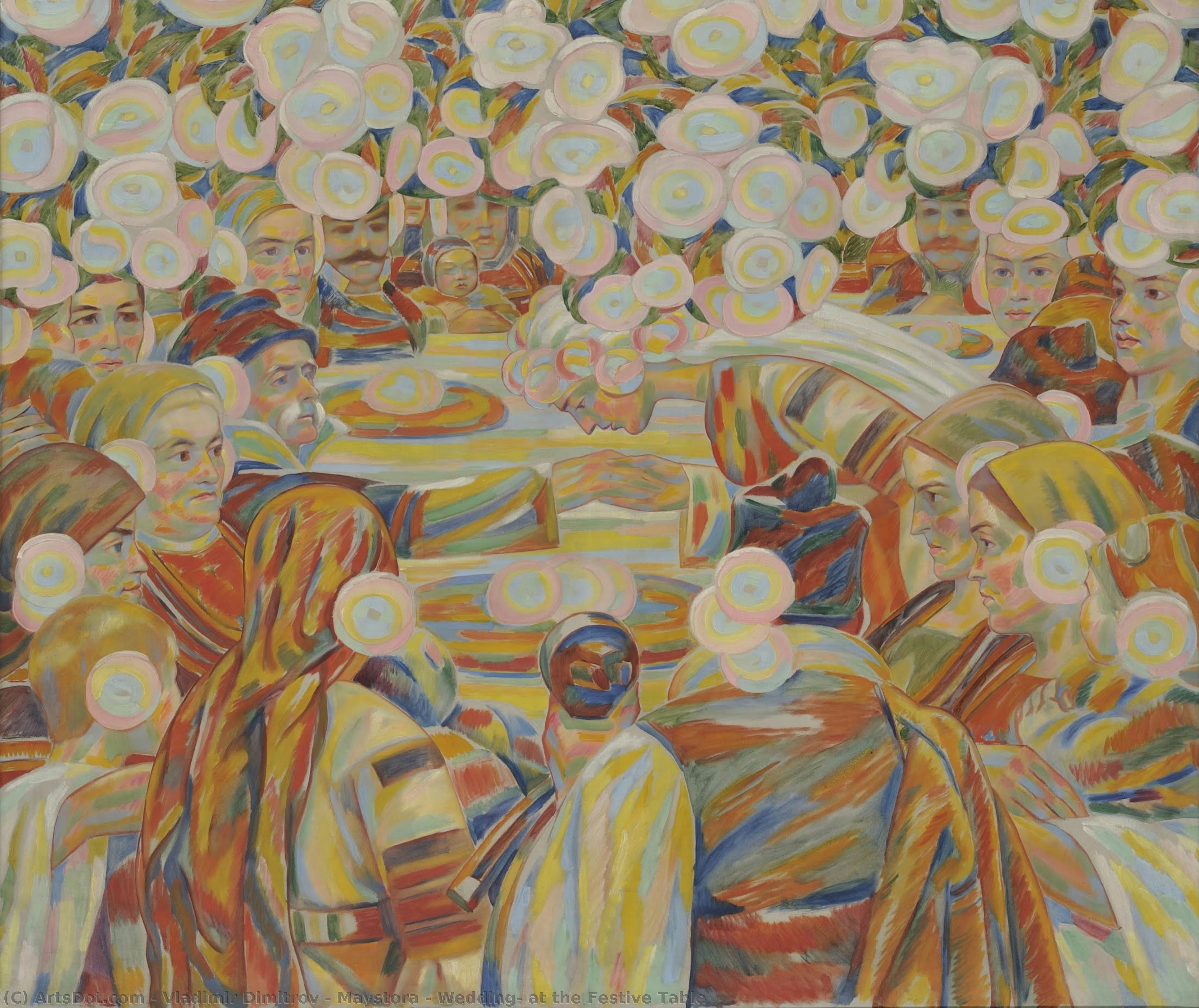
Wedding: at the Festive Table
 Oil On Canvas
- WallArt
- Contemporary Realism
 1935
1935- Modern
 130.0 x 150.0 cm
 National Gallery of Bulgaria
 Pročitaj više
Kupite digitalnu sliku visoke rezolucije i poboljšanog kvaliteta, koja je znatno superiornija od onoga što vidite u online prikazu.
Svaka datoteka je pedantno pripremljena od strane naših stručnjaka koristeći napredne alate i profesionalnu ručnu retušu. Osiguravamo da svaka slika ima izuzetnu oštrinu, preciznu reprodukciju boja i fine detalje.
Konačna datoteka se dostavlja putem e-pošte u roku od 72 sata, optimizovana za neposrednu upotrebu u profesionalnim, izdavačkim i štamparskim okruženjima. To je isti kvalitet kojem veruju vrhunski studiji dizajna, izdavači i galerije.
Digitalna slika
Preuzmite datoteku visoke rezolucije za ličnu upotrebu, štampanje i kreativne projekte. ( Pređi na štampu Kupi ručno naslikanu sliku)
Uključeno uz svaku porudžbinu digitalne slike
Profesionalna digitalna isporuka, zagarantovana
Kada odaberete ArtsDot.com, ne dobijate samo sliku – vi primate profesionalno unapređeno digitalno umetničko delo, izrađeno sa najvećom preciznošću i uz garanciju zadovoljstva. Evo svega što automatski dolazi uz vašu porudžbinu:

Brza dostava putem e-pošte
Vaša digitalna slika visoke rezolucije biće vam poslata putem e-pošte u roku od 72 sata od poručivanja – spremna za trenutnu upotrebu.

Digitalna datoteka unapređena veštačkom inteligencijom
Vaše umetničko delo je profesionalno optimizovano korišćenjem naprednih AI alata i ručne obrade, čime se osiguravaju maksimalni detalji, oštrina i preciznost boja.

Besplatna ponovna isporuka doživotno
Slučajno ste obrisali ili izgubili svoju datoteku? Ne brinite – poslaćemo vam je ponovo u bilo kom trenutku, potpuno besplatno.

Bez troškova uvoza – zauvek
Uživajte u svojim umetničkim delima trenutno, bez carine, dažbina ili troškova dostave – digitalni download je uvek bez poreza.

Garancija vernosti boja
Uz pomoć profesionalnih alata i upravljanja bojama, osiguravamo da vaša digitalna slika što vernije odražava originalne boje.

Garancija zadovoljstva od 100 dana
Ako niste zadovoljni svojom digitalnom slikom, izvršićemo reviziju ili ćemo vam vratiti 100% novca u roku od 100 dana – bez ikakvih pitanja.

100% garancija povrata novca
Niste zadovoljni? Dobijte puni povraćaj novca u roku od 100 dana od prijema digitalne datoteke – bez suvišnih pitanja.

Popusti na velike porudžbine
Kupite 3 slike, uštedite 10% - Kupite 5 slika, uštedite 15% - Kupite 10+ slika, uštedite 20%. Odlično za kreativne projekte, galerije i agencije.
A Symphony of Celebration: The Joy of Dimitrov-Maystora
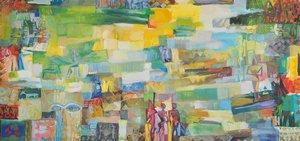
In the grand tapestry of 20th-century Bulgarian art, few works capture the communal heartbeat of human connection as vibrantly as Wedding: at the Festive Table. Painted in 1935 by the master Vladimir Dimitrov-Maystrol, this large-scale oil on canvas serves as a window into a moment of profound shared happiness. The scene unfolds around a bountiful dining table, where at least thirteen figures are gathered in a choreographed dance of celebration. It is not merely a depiction of a meal, but an evocative exploration of ritual, family, and the enduring strength of tradition. As guests lean toward one another, some seated in quiet contemplation and others standing in animated conversation, the viewer is drawn into the warmth of a community bound by love and the sanctity of a new union.
The composition is a masterclass in managing complexity within a crowded space. Dimitrov-Maystora utilizes a rich, layered approach to detail, where the abundance of the feast—the glinting wine glasses, the delicate cups, and the carefully placed bowls—acts as a secondary protagonist. These elements are not merely decorative; they symbolize the fertility, prosperity, and hospitality central to wedding traditions. The presence of a solitary vase on the table adds a touch of refined elegance, grounding the boisterous energy of the crowd with a sense of grace. For the collector or interior designer, this piece offers a magnificent focal point that brings a sense of life and "soul" to any room, acting as an anchor of warmth in modern living spaces.
Technique and the Lyrical Brush
The technical execution of this masterpiece reflects Dimitrov-Maystora’s unique position within the Bulgarian lyrical tradition. His brushwork is characterized by a certain rhythmic vitality that mirrors the movement of the wedding festivities themselves. The artist employs a palette that feels both grounded in the earth and elevated by light, using bold colors to define the formal attire of the guests while maintaining a soft, almost dreamlike atmosphere. This technique allows the painting to transcend mere realism; it becomes an impressionistic memory of a joyous event. The way light interacts with the various textures—the fabric of the clothing, the transparency of the glassware, and the organic shapes of the food—creates a sensory experience that invites the viewer to almost hear the laughter and clinking of glasses.
For those seeking to adorn a space with high-quality reproductions, this artwork offers an unparalleled opportunity to introduce a narrative of optimism. The scale of 130 x 150 cm allows for a commanding presence, making it an ideal choice for grand dining rooms or sophisticated galleries where the goal is to evoke conversation and emotional resonance. To possess a reproduction of such a work is to hold a piece of Bulgarian cultural heritage, a testament to the beauty found in the simple, profound act of coming together to celebrate life's most precious milestones.
Srodna umetnička dela

Biografija umetnika
Edward Hopper: The Solitude of the American Landscape
Edward Hopper (1882-1967) remains one of America’s most enduring and enigmatic figures in art history. More than just a painter, he was a keen observer of modern life, capturing the quiet loneliness and subtle dramas unfolding within the increasingly urbanized landscapes of early 20th-century America. Born in Nyack, New York, to a comfortable middle-class family with Dutch ancestry, Hopper’s artistic journey began modestly but ultimately led him to international recognition and a place among the giants of American realism.
Hopper's early life was marked by a supportive environment that nurtured his nascent talent. He initially studied illustration at the Correspondence School of Illustrating in New York City before enrolling at the New York School of Art under the tutelage of William Merritt Chase and Robert Henri. These formative influences shaped his approach to art, encouraging him to move beyond mere representation and explore the emotional resonance of his subjects. Henri’s emphasis on depicting “everyday conditions” proved particularly influential, pushing Hopper to find narrative depth within commonplace scenes.
Hopper's artistic development was punctuated by several significant trips abroad – Paris in 1906-7, Paris again in 1909, and a brief visit to Spain the following year. These experiences exposed him to European art movements, notably Impressionism and Post-Impressionism, particularly the work of Edgar Degas and Édouard Manet. He was drawn to their compositional techniques and their ability to capture fleeting moments and urban life with remarkable clarity. However, Hopper resisted fully embracing the radical innovations of Cubism or Fauvism, instead distilling these influences into a uniquely American style characterized by stark realism, precise detail, and an evocative use of light and shadow.
The Palette of Isolation
Hopper’s signature style is instantly recognizable. He masterfully employed a limited palette—often dominated by muted blues, grays, and browns—to create a sense of stillness and introspection. His compositions frequently feature solitary figures within expansive spaces – diners at late hours, train stations deserted after dark, or apartments overlooking bustling city streets. These scenes are imbued with a profound sense of loneliness and isolation, reflecting the anxieties and uncertainties of modern life.
A key element of Hopper’s technique was his careful manipulation of light. He used it not merely to illuminate subjects but to shape mood and create dramatic contrasts between darkness and shadow. This chiaroscuro effect heightened the emotional impact of his paintings, drawing the viewer's eye to specific details and suggesting unspoken narratives.
His most famous work, *Nighthawks* (1942), exemplifies this approach perfectly. The painting depicts four figures in a brightly lit diner at night, surrounded by an empty urban landscape. The scene is both inviting and unsettling, conveying a sense of isolation and vulnerability. The lack of visible entry points to the diner further emphasizes the characters’ confinement and their detachment from the outside world.
Themes and Influences
Hopper's work consistently explored themes of loneliness, alienation, and the tension between tradition and progress. He was particularly interested in depicting the experiences of individuals navigating the complexities of modern American society – the quiet desperation of urban dwellers, the yearning for connection amidst vast distances, and the sense of displacement that often accompanies rapid social change.
Beyond his artistic influences, Hopper drew inspiration from literature, music, and photography. He was a devoted admirer of writers like Henry James and Dostoevsky, whose works explored themes of psychological complexity and existential angst. His paintings frequently evoke the atmosphere of novels and films, creating a cinematic quality that resonates with viewers.
Legacy and Recognition
Despite initial resistance from some critics, Hopper’s work gradually gained recognition throughout his career. He achieved widespread acclaim in the 1930s and 1940s, becoming one of America's most celebrated artists. His paintings are now housed in major museums around the world, including the Metropolitan Museum of Art, the Museum of Modern Art, and the National Gallery of Art.
Hopper’s influence on subsequent generations of American artists is undeniable. His exploration of urban landscapes, his masterful use of light and shadow, and his poignant portrayal of human emotion continue to resonate with viewers today. He remains a powerful symbol of American realism and a testament to the enduring appeal of quiet contemplation in an increasingly chaotic world.
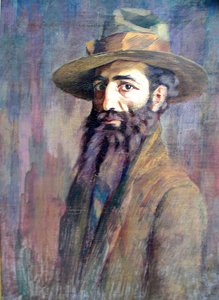
vladimir dimitrov - maystora
1882 - 1960 , Bulgaria
Kratke činjenice
- Artistic Movement Or Style: Realism, American Realism
- Artists Or Movements Influenced By This Artist:
- Umberto Boccioni
- George Bellows
- Artists Who Influenced This Artist:
- William Merritt Chase
- Robert Henri
- Date Of Birth: July 22, 1882
- Date Of Death: May 15, 1967
- Full Name: Edward Hopper
- Nationality: American
- Notable Artworks:
- Nighthawks
- Automat
- Office in a Small City
- Place Of Birth: Nyack, New York, USA