

 Pregledaj u prostoru
 Pošalji
 Podeli
 Detalji o delu

 Преузми
 Slični predmeti
 Rendgenski snimak
 Slajdovi
 Statistika
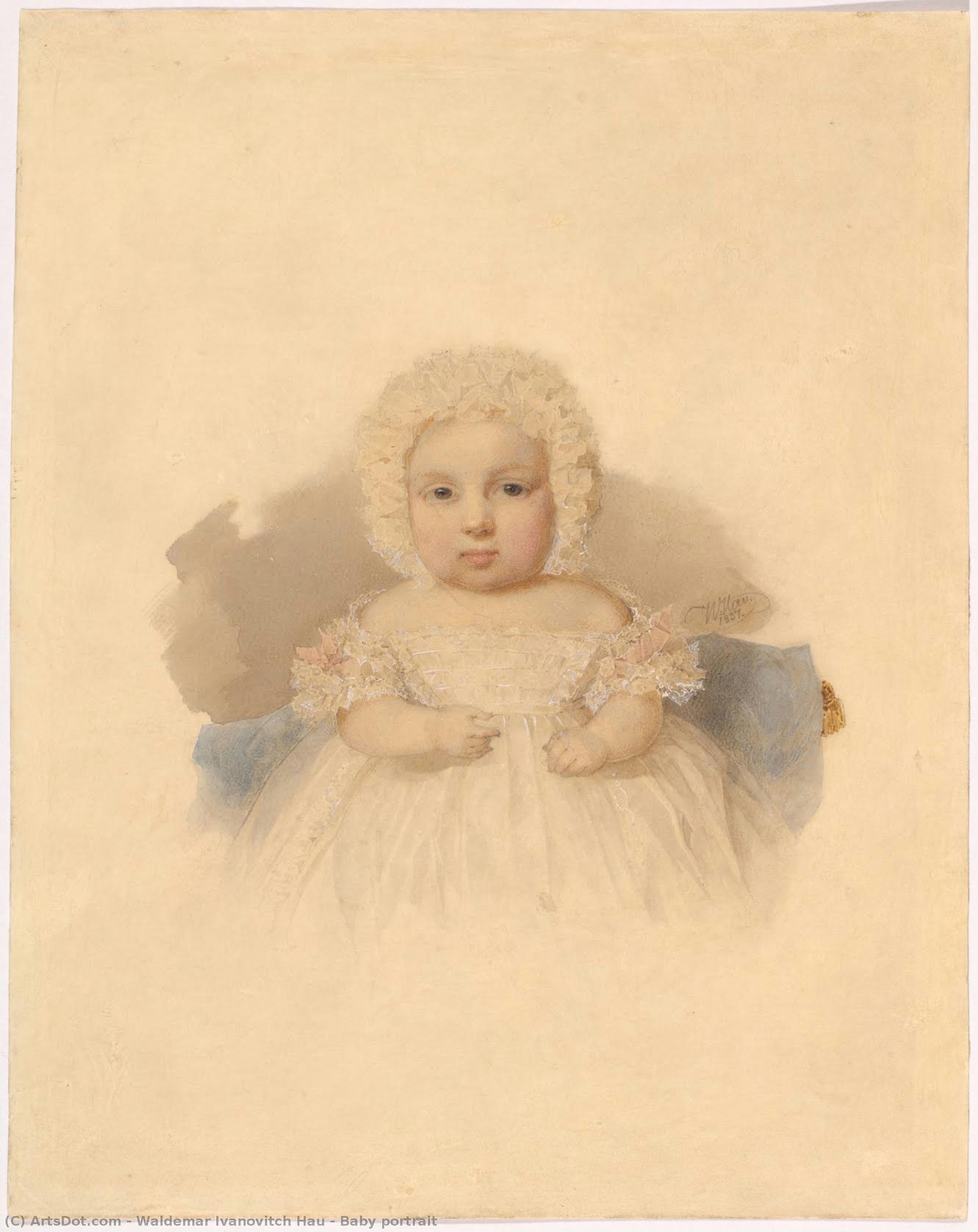
Baby portrait


 Pročitaj više
Ručno rađena uljana reprodukcija
Ručno oslikano uljanim bojama na platnu u dimenzijama i okviru po vašem izboru, izrađeno po porudžbini od strane naših umetnika. ( Pređi na štampu Pređi na digitalnu sliku)




































Izaberite jednu od naših unapred definisanih veličina koje odgovaraju originalnim proporcijama umetničkog dela.

Можете унети сопствене димензије како бисте прилагодили дело одређеном оквиру или простору. Ако одабрана величина не одговара пропорцијама оригинала, слика ће бити исечена или проширена додатним елементима који се ручно насликавају. Дигитални prikaz ће вам бити послат на одобрење пре почетка производње.
Имајте на уму да преглед на екрану не одражава стварно исецање или проширење. Само приказ (mockup) ће тачно приказати коначну композицију.
Иако су доступне прилагођене величине, препоручујемо да одаберете димензију из дефинисане листе како бисте сачували оригиналне пропорције.
Nakon narudžbine, tim ArtsDot.com će klijentu putem e-pošte poslati uputstva i dostaviti prikaz predloženog rešenja
Isporuka širom sveta () za 3/4 nedelje umesto uobičajenih 5 nedelja. (13 септембар). Bez kompromisa po pitanju kvaliteta.

Besplatna ekspresna dostava širom sveta

Visokokvalitetno laneno platno

Kompletno osiguranje transporta

Garancija povraćaja carine i uvoznih dažbina

Garancija vernosti boja

Politika povraćaja u roku od 100 dana (isključivo u slučaju nedostataka)

Garancija povrata novca od 100%

Popust pri grupnoj kupovini
 Opcija sa staklom dostupna je samo za dimenzije manje od 110 cm

Baby portrait
Tehnika reprodukcije
Dimenzije reprodukcije
-


Konačna cena
$ 263
Srodna umetnička dela




Biografija umetnika
John Frederick Kensett: The Luminist’s Pursuit of Light and Atmosphere
Born in Cheshire, Connecticut, in 1816, John Frederick Kensett's journey from engraving to becoming a pivotal figure in the Hudson River School is a compelling story of artistic evolution. Initially apprenticed to his father’s engraving firm, he quickly found himself drawn to the burgeoning field of landscape painting – a departure that required considerable determination and a willingness to embrace new techniques. His early years were marked by a series of moves, including stints in New York and Albany, as he navigated away from the constraints of printmaking and sought to establish his voice within the evolving American art scene. The death of his father in 1829 propelled him back to New Haven, but a falling out with his business partner led to another relocation, ultimately setting him on a path toward Europe – a crucial period of artistic exploration and development.
Kensett’s European sojourn, beginning in 1840, proved transformative. He initially connected with family forebears at Hampton Court Palace, immersing himself in the collections of the National Gallery and Dulwich College, institutions that profoundly influenced his understanding of light and composition. His time in Paris (1842-1843) was equally significant; he studied at the École Préparation des Beaux-Arts, absorbing the principles of academic painting while simultaneously engaging with a vibrant American artist community comprised of figures like Thomas Cole, Benjamin Champney, and Francis W. Edmonds. This exposure to diverse artistic approaches broadened his perspective and fueled his experimentation with capturing atmospheric effects – a hallmark of what would later be termed “luminism.” The death of his grandmother in 1843 prompted a return to England until 1845, after which he journeyed to Italy, dedicating the remainder of his career to exploring the landscapes of Europe and the Mediterranean.
Kensett’s Italian sojourn (1843-1847) proved to be the most fruitful period of his artistic life. He spent considerable time touring the towns surrounding Rome, sketching in southern Italy around Naples, and visiting Florence and Venice. His cultural circle expanded dramatically, including George Curtis and his brothers, who became influential friends and provided valuable connections within New York’s social and artistic circles. This immersion in Italian art and landscape profoundly shaped his style, leading him to masterfully capture the subtle nuances of light, color, and atmosphere – a technique that distinguished his work from more traditional historical or portrait paintings. He developed a distinctive approach to capturing the effects of sunlight on water and foliage, creating images imbued with a sense of tranquility and natural beauty.
The Luminist Style: Capturing Atmospheric Light
Kensett is widely recognized as the foremost practitioner of “luminism,” a style of landscape painting that emerged in America during the mid-19th century. This approach, heavily influenced by European artists like J.M.W. Turner and the Barbizon School painters, prioritized capturing the fleeting effects of light and atmosphere over detailed representation or dramatic narrative. Kensett’s brushwork was characterized by delicate textures and a focus on pure, exquisite states of light – a technique that earned him considerable acclaim. He meticulously observed how sunlight interacted with different surfaces, creating an illusion of depth and luminosity that drew viewers into the scene. His paintings often depict serene landscapes—forests, rivers, and coastal scenes— bathed in soft, diffused light, evoking a sense of peace and contemplation.
Unlike many of his Hudson River School contemporaries who favored grand vistas and heroic subjects, Kensett’s focus remained firmly on the natural world. He sought to capture not just the appearance of a landscape but also its essence—its mood, its atmosphere, and its inherent beauty. His paintings are often described as “impressionistic” before the Impressionist movement fully developed, reflecting his commitment to capturing immediate sensory experiences rather than adhering to strict academic conventions.
Key Works and Notable Paintings
Several of Kensett’s works stand out as particularly significant examples of his luminist style. *The Old Mill* (1848) is perhaps his most famous painting, a quintessential example of his ability to capture the subtle effects of light on water and foliage. Other notable paintings include *Twilight in the Adirondacks* (1867), which showcases his mastery of atmospheric perspective; *The Shore Scene at Gloucester* (1859), demonstrating his interest in coastal landscapes; and *Ram's Head, Riverbank* (1846), a striking portrait that combines naturalistic detail with an evocative sense of mood. These paintings represent the culmination of his artistic explorations and solidify his legacy as one of America’s most important landscape painters.
Historical Significance and Legacy
John Frederick Kensett's contribution to American art is undeniable. He played a crucial role in establishing luminism as a distinct style, influencing generations of artists who followed. His meticulous observation of nature, his innovative use of light and color, and his commitment to capturing the essence of the landscape helped to shape the course of American painting. While he initially faced challenges and skepticism within the art world, Kensett’s work gradually gained recognition for its beauty, subtlety, and emotional resonance. Today, his paintings are celebrated in museums and private collections around the world, serving as a testament to his artistic vision and enduring legacy.
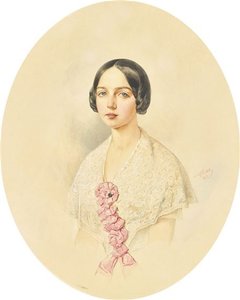
waldemar ivanovitch hau
1816 - 1895 , Estonia
Osnovne informacije
- Artistic Movement Or Style: Luminism
- Artists Or Movements Influenced By This Artist:
- Hudson River School
- Luminism
- Artists Who Influenced This Artist:
- Asher B. Durand
- Thomas Cole
- Benjamin Champney
- Date Of Birth: 1816
- Date Of Death: 1872
- Full Name: John Frederick Kensett
- Nationality: American
- Notable Artworks:
- The First Snowfall
- Twilight in the Adirondacks
- Sauks and Foxes
- The Oxbow
- Place Of Birth: Cheshire, Connecticut