

 Pregledaj u prostoru
 Pošalji
 Podeli
 Detalji o delu

 Преузми
 Slični predmeti
 Rendgenski snimak
 Slajdovi
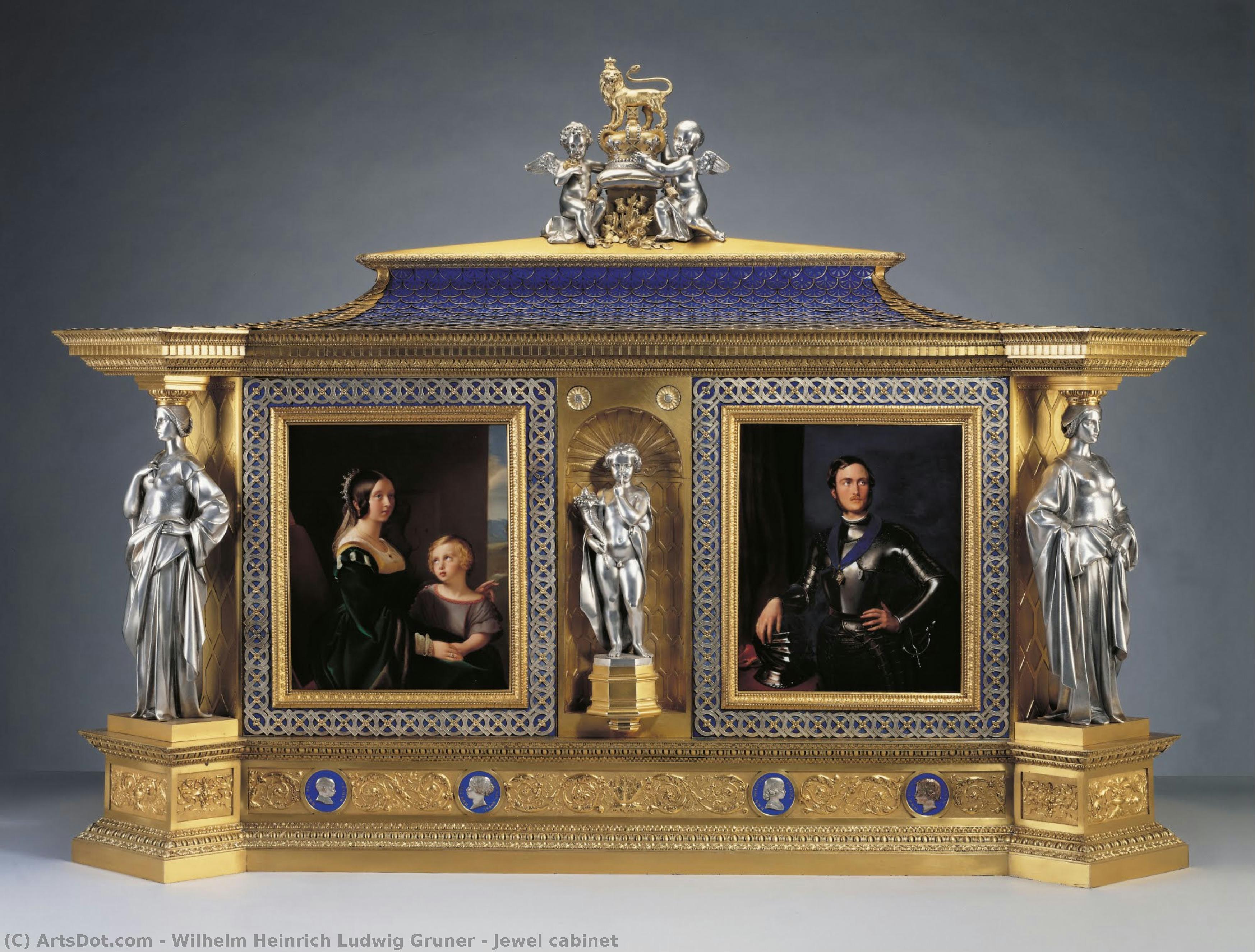
Jewel cabinet
 Acrylic On Canvas
- WallArt
- Romanticism
 1851
1851 97.0 x 81.0 cm
 Royal Collection
 Pročitaj više
Ručno rađena uljana reprodukcija
Ručno oslikano uljanim bojama na platnu u dimenzijama i okviru po vašem izboru, izrađeno po porudžbini od strane naših umetnika. ( Kupi print Kupi digitalnu sliku)




P118B $10

P118H $10

P118W $10

P438Z $10

P508JH $12

P508YH $12

P805H $10

P805Z $10

P919BZ $10

P919G $10

P919XJ $10

P959ZH $10

P968JZ $12

W106C $8

W218G $10

W218JH $8

W218Y $10

W307PJ $10

W316G $10

W316PJ $8

W316Y $10

W398PJ $8

W4111J $10

W500HY $15

W500JH $15

W692G $12

W849H $8

W940BG $15

W953PJ $8




Izaberite jednu od naših unapred definisanih veličina koje odgovaraju originalnim proporcijama umetničkog dela.

Можете унети сопствене димензије како бисте прилагодили дело одређеном оквиру или простору. Ако одабрана величина не одговара пропорцијама оригинала, слика ће бити исечена или проширена додатним елементима који се ручно насликавају. Дигитални prikaz ће вам бити послат на одобрење пре почетка производње.
Имајте на уму да преглед на екрану не одражава стварно исецање или проширење. Само приказ (mockup) ће тачно приказати коначну композицију.
Иако су доступне прилагођене величине, препоручујемо да одаберете димензију из дефинисане листе како бисте сачували оригиналне пропорције.
Nakon narudžbine, tim ArtsDot.com će klijentu putem e-pošte poslati uputstva i dostaviti prikaz predloženog rešenja
Isporuka širom sveta () za 3/4 nedelje umesto uobičajenih 5 nedelja. (22 август). Bez kompromisa po pitanju kvaliteta.

Besplatna ekspresna dostava širom sveta

Visokokvalitetno laneno platno

Kompletno osiguranje transporta

Garancija povraćaja carine i uvoznih dažbina

Garancija vernosti boja

Politika povrata u roku od 60 dana (samo u slučaju nedostataka)

Garancija povrata novca od 100%

Popust pri grupnoj kupovini
 Opcija sa staklom dostupna je samo za dimenzije manje od 110 cm

Jewel cabinet
Tehnika reprodukcije
Dimenzije reprodukcije
-


Konačna cena
$ 263
Opis umetničkog dela
The Gilded Echoes of Victoria's Court
Wilhelm Heinrich Ludwig Gruner’s “Jewel Cabinet,” a remarkably detailed porcelain painting from 1851, isn’t merely a depiction of an opulent cabinet; it’s a meticulously constructed window into the heart of Victorian England. Commissioned during Queen Victoria’s reign, this artwork transcends its material form to embody the era's fascination with both historical grandeur and burgeoning industrial wealth. The painting captures a moment of restrained luxury – a dynastic statement carefully curated to project an image of stability and power. The cabinet itself, rendered in exquisite detail, is not simply furniture; it’s a stage for miniature dramas, each door revealing a carefully staged tableau that speaks volumes about the values and aspirations of the Victorian elite.
A Symphony of Portraits and Narrative
Each of the four doors within the cabinet unfolds a distinct narrative, skillfully blending portraiture with symbolic imagery. The leftmost door presents a striking portrait of a woman in somber black, her gaze direct and commanding – a figure embodying Victorian propriety and restraint. Across from her, a second woman, clad in white, offers a contrasting image of grace and serenity, suggesting the duality within the Victorian ideal of femininity. The central door depicts a couple seated together, their interaction hinting at domestic harmony and familial bonds, while the final door showcases a solitary man, perhaps representing the pragmatic side of Victorian society, alongside a woman holding a bowl – a subtle nod to the nurturing role expected of women.
- The Black Portrait: Represents formality, duty, and the established order.
- The White Portrait: Symbolizes elegance, virtue, and domesticity.
- The Couple: Embodies the ideal of a stable family unit.
- The Man and Bowl: Suggests responsibility and care within the household.
The Hand of the Master: Technique and Historical Context
Wilhelm Heinrich Ludwig Gruner, a German artist deeply influenced by Raphael and the Italian Renaissance, was a master of engraving and painting. His meticulous attention to detail is evident in every brushstroke, from the intricate folds of the cabinet’s upholstery to the subtle nuances of expression on the figures' faces. Gruner’s work reflects the prevailing artistic trends of his time – a revival of classical forms combined with a heightened sense of realism. The painting itself demonstrates Gruner’s skill in capturing both individual likenesses and broader symbolic meanings. It is important to note that Gruner was not only an artist but also a significant figure within the Royal Collection, serving as its director and advisor, shaping the aesthetic sensibilities of Queen Victoria herself.
A Legacy of Regal Symbolism
“Jewel Cabinet” offers more than just a visual delight; it’s a potent symbol of Victorian power and prestige. The cabinet's opulent design reflects the era’s fascination with wealth, luxury, and the celebration of royal lineage. The carefully chosen portraits – each representing a specific virtue or role – reinforce the Queen’s image as a benevolent ruler presiding over a prosperous and stable nation. Furthermore, the painting’s creation coincided with a period of significant political upheaval in Europe, making it a powerful statement of Victorian confidence and resilience. Today, reproductions of this remarkable artwork continue to captivate viewers, offering a glimpse into the refined tastes and complex social dynamics of one of Britain's most iconic eras.
Srodna umetnička dela

Biografija umetnika
a life of artistic devotion
wilhelm heinrich ludwig gruner, a german artist, engraver, architect, and art historian, left an indelible mark on the world of art. born in dresden in 1801, gruner's life was a testament to his passion for the italian renaissance and raphael's works.early life and education
gruner initially aspired to become a decorative painter, commencing his studies in 1815 under max klinger. he later enrolled at the dresden academy under ephraim gottlieb krüger. patrons funded his move to the milan academy in 1825, where he studied under giuseppe longhi and pietro anderloni.artistic journey
- anton raphael mengs's portrait, which gruner engraved, marked a significant milestone in his career.
- his travels through southern france and spain in 1828, including a three-month study of the escorial, broadened his artistic horizons.
- from 1836 to 1843, gruner lived in rome, creating engravings inspired by marcantonio raimondi's techniques, and publishing sets of engravings after raphael's works.
notable works and associations
key highlights:- the exposition of moses, a work by nicolas poussin, influenced gruner's art.
- his life-size charcoal drawings after raphael's cartoons for the tapestries in the sistine chapel were rediscovered at the kupferstich-kabinett of the staatliche kunstsammlungen dresden.
- gruner's unique technique and analysis led to the conclusion that he executed these huge drawings.
legacy and later life
gruner served as director of the kupferstich-kabinett, dresden, receiving a professorship at the academy and becoming a member of the gallery commission. he died in dresden in 1882. relevant links: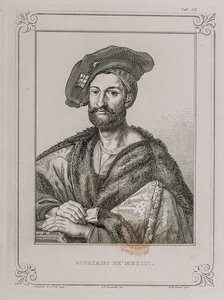
wilhelm heinrich ludwig gruner
1801 - 1882 , Germany
Osnovne informacije
- Artistic Movement Or Style: Hudson River School
- Artists Or Movements Influenced By This Artist: ['Hudson River School']
- Artists Who Influenced This Artist: ['Francis Wheatley']
- Date Of Birth: February 1, 1801
- Date Of Death: February 11, 1848
- Full Name: Thomas Cole
- Nationality: American
- Notable Artworks:
- The Titan's Goblet
- The Course of Empire
- The Oxbow
- The Voyage of Life
- Place Of Birth: Bolton-le-Moors, England
Povezani članci

Sir Francis Grant: Portraiture, Patronage & Victorian Society
Explore the life & work of Sir Francis Grant, a leading Victorian portraitist. Discover his aristocratic clientele, role at the Royal Academy, and enduring artistic legacy. Learn about art patronage in 19th-century Britain.
George Hayter: Portraiture, Power & Victorian Society's Canvas
Explore the life & work of George Hayter, Queen Victoria’s Principal Painter. Discover his iconic Victorian portraits, historical masterpieces, and lasting impact on British art history. Learn more at ArtsDot.
Thomas Phillips: Portraiture, Patronage & the Rise of Victorian Society Art
Explore the life & work of Thomas Phillips (1770-1845), a leading Victorian portrait painter renowned for his captivating portrayals of Britain's 'men of genius'. Discover his artistic journey, patronage, and lasting legacy.
The Enduring Legacy of Formal Portraiture: Power, Identity & Artistic Exploration
Explore the rich history of formal portraiture & its enduring power to capture identity and shape perception. Discover investment-worthy artworks, expert appraisals, and custom reproduction services at ArtsDot.
The Grandeur of Presence: Exploring Representations of Stately Bearing in Western Portraiture
Explore the art of stately bearing in Western portraiture with expert analysis of Renaissance & Baroque masterpieces. Discover symbolism, techniques, and the legacy of iconic portraits – a guide for discerning collectors.

