

 Pregledaj u prostoru
 Pošalji
 Podeli
 Detalji o delu

 Преузми
 Slični predmeti
 Rendgenski snimak
 Slajdovi
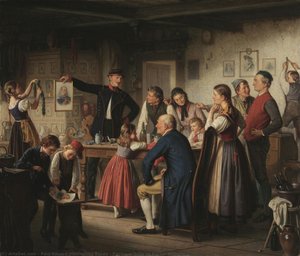
Jewel cabinet
 Acrylic On Canvas
- WallArt
- Romanticism
 1851
1851 97.0 x 81.0 cm
 Royal Collection
 Pročitaj više
Kupite digitalnu sliku visoke rezolucije i poboljšanog kvaliteta, koja je znatno superiornija od onoga što vidite u online prikazu.
Svaka datoteka je pedantno pripremljena od strane naših stručnjaka koristeći napredne alate i profesionalnu ručnu retušu. Osiguravamo da svaka slika ima izuzetnu oštrinu, preciznu reprodukciju boja i fine detalje.
Konačna datoteka se dostavlja putem e-pošte u roku od 72 sata, optimizovana za neposrednu upotrebu u profesionalnim, izdavačkim i štamparskim okruženjima. To je isti kvalitet kojem veruju vrhunski studiji dizajna, izdavači i galerije.
Digitalna slika
Preuzmite datoteku visoke rezolucije za ličnu upotrebu, štampanje i kreativne projekte. ( Kupi print Kupi ručno naslikanu sliku)
Uključeno uz svaku porudžbinu digitalne slike
Profesionalna digitalna isporuka, zagarantovana
Kada odaberete ArtsDot.com, ne dobijate samo sliku – vi primate profesionalno unapređeno digitalno umetničko delo, izrađeno sa najvećom preciznošću i uz garanciju zadovoljstva. Evo svega što automatski dolazi uz vašu porudžbinu:

Brza dostava putem e-pošte
Vaša digitalna slika visoke rezolucije biće vam poslata putem e-pošte u roku od 72 sata od poručivanja – spremna za trenutnu upotrebu.

Digitalna datoteka unapređena veštačkom inteligencijom
Vaše umetničko delo je profesionalno optimizovano korišćenjem naprednih AI alata i ručne obrade, čime se osiguravaju maksimalni detalji, oštrina i preciznost boja.

Besplatna ponovna isporuka doživotno
Slučajno ste obrisali ili izgubili svoju datoteku? Ne brinite – poslaćemo vam je ponovo u bilo kom trenutku, potpuno besplatno.

Bez troškova uvoza – zauvek
Uživajte u svojim umetničkim delima trenutno, bez carine, dažbina ili troškova dostave – digitalni download je uvek bez poreza.

Garancija vernosti boja
Uz pomoć profesionalnih alata i upravljanja bojama, osiguravamo da vaša digitalna slika što vernije odražava originalne boje.

Garancija zadovoljstva u roku od 60 dana
Ako niste zadovoljni svojom digitalnom slikom, revidirat ćemo je ili vratiti 100% novca u roku od 60 dana – bez ikakvih pitanja.

100% garancija povrata novca
Niste zadovoljni? Obezbedite pun povrat novca u roku od 60 dana od trenutka kada ste primili svoju digitalnu datoteku – bez suvišnih pitanja.

Popusti na velike porudžbine
Kupite 3 slike, uštedite 10% - Kupite 5 slika, uštedite 15% - Kupite 10+ slika, uštedite 20%. Odlično za kreativne projekte, galerije i agencije.
Opis kolekcionarskog dela
The Gilded Echoes of Victoria's Court
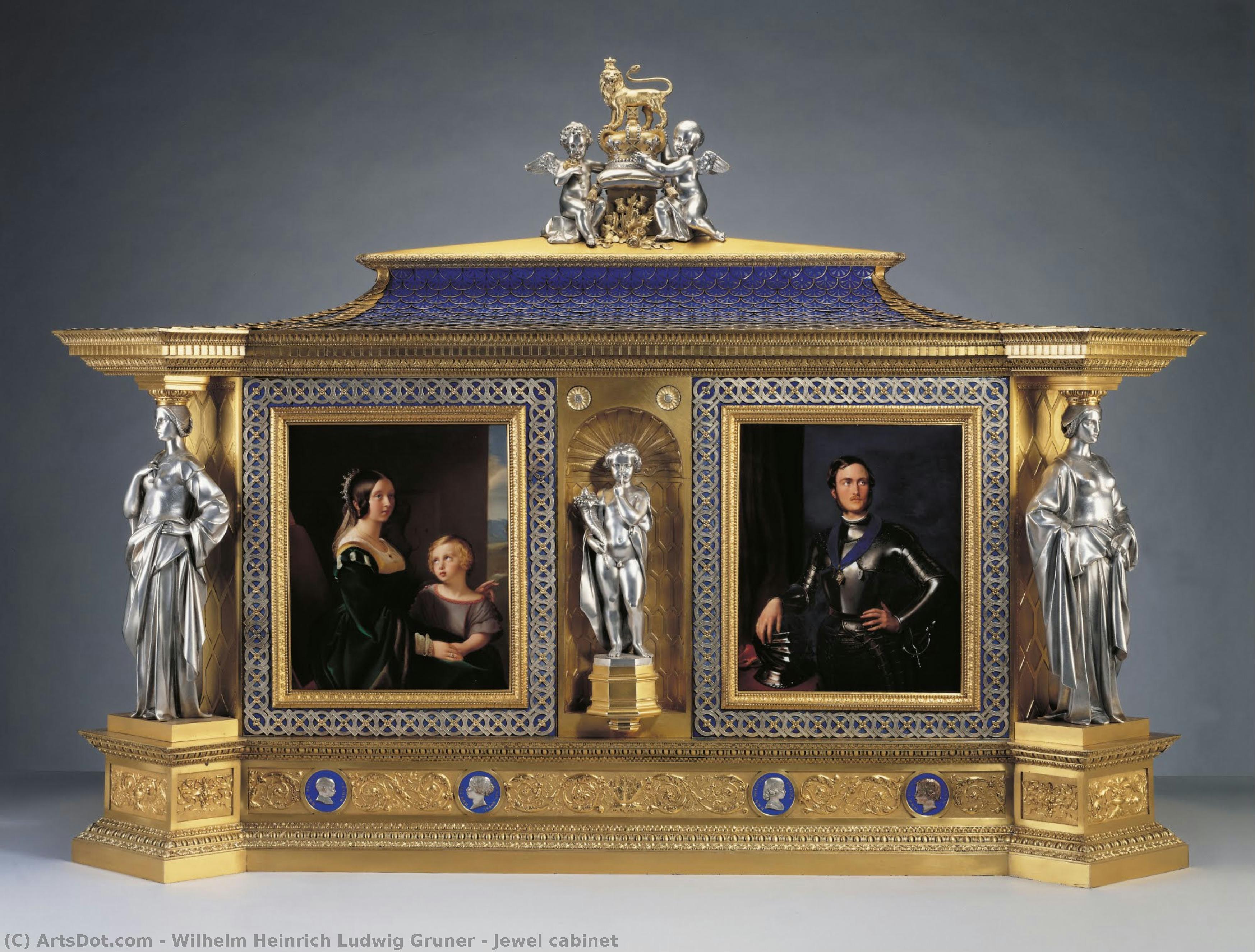
Wilhelm Heinrich Ludwig Gruner’s “Jewel Cabinet,” a remarkably detailed porcelain painting from 1851, isn’t merely a depiction of an opulent cabinet; it’s a meticulously constructed window into the heart of Victorian England. Commissioned during Queen Victoria’s reign, this artwork transcends its material form to embody the era's fascination with both historical grandeur and burgeoning industrial wealth. The painting captures a moment of restrained luxury – a dynastic statement carefully curated to project an image of stability and power. The cabinet itself, rendered in exquisite detail, is not simply furniture; it’s a stage for miniature dramas, each door revealing a carefully staged tableau that speaks volumes about the values and aspirations of the Victorian elite.
A Symphony of Portraits and Narrative
Each of the four doors within the cabinet unfolds a distinct narrative, skillfully blending portraiture with symbolic imagery. The leftmost door presents a striking portrait of a woman in somber black, her gaze direct and commanding – a figure embodying Victorian propriety and restraint. Across from her, a second woman, clad in white, offers a contrasting image of grace and serenity, suggesting the duality within the Victorian ideal of femininity. The central door depicts a couple seated together, their interaction hinting at domestic harmony and familial bonds, while the final door showcases a solitary man, perhaps representing the pragmatic side of Victorian society, alongside a woman holding a bowl – a subtle nod to the nurturing role expected of women.
- The Black Portrait: Represents formality, duty, and the established order.
- The White Portrait: Symbolizes elegance, virtue, and domesticity.
- The Couple: Embodies the ideal of a stable family unit.
- The Man and Bowl: Suggests responsibility and care within the household.
The Hand of the Master: Technique and Historical Context
Wilhelm Heinrich Ludwig Gruner, a German artist deeply influenced by Raphael and the Italian Renaissance, was a master of engraving and painting. His meticulous attention to detail is evident in every brushstroke, from the intricate folds of the cabinet’s upholstery to the subtle nuances of expression on the figures' faces. Gruner’s work reflects the prevailing artistic trends of his time – a revival of classical forms combined with a heightened sense of realism. The painting itself demonstrates Gruner’s skill in capturing both individual likenesses and broader symbolic meanings. It is important to note that Gruner was not only an artist but also a significant figure within the Royal Collection, serving as its director and advisor, shaping the aesthetic sensibilities of Queen Victoria herself.
A Legacy of Regal Symbolism
“Jewel Cabinet” offers more than just a visual delight; it’s a potent symbol of Victorian power and prestige. The cabinet's opulent design reflects the era’s fascination with wealth, luxury, and the celebration of royal lineage. The carefully chosen portraits – each representing a specific virtue or role – reinforce the Queen’s image as a benevolent ruler presiding over a prosperous and stable nation. Furthermore, the painting’s creation coincided with a period of significant political upheaval in Europe, making it a powerful statement of Victorian confidence and resilience. Today, reproductions of this remarkable artwork continue to captivate viewers, offering a glimpse into the refined tastes and complex social dynamics of one of Britain's most iconic eras.
Srodna umetnička dela


Biografija umetnika
a life of artistic devotion
wilhelm heinrich ludwig gruner, a german artist, engraver, architect, and art historian, left an indelible mark on the world of art. born in dresden in 1801, gruner's life was a testament to his passion for the italian renaissance and raphael's works.early life and education
gruner initially aspired to become a decorative painter, commencing his studies in 1815 under max klinger. he later enrolled at the dresden academy under ephraim gottlieb krüger. patrons funded his move to the milan academy in 1825, where he studied under giuseppe longhi and pietro anderloni.artistic journey
- anton raphael mengs's portrait, which gruner engraved, marked a significant milestone in his career.
- his travels through southern france and spain in 1828, including a three-month study of the escorial, broadened his artistic horizons.
- from 1836 to 1843, gruner lived in rome, creating engravings inspired by marcantonio raimondi's techniques, and publishing sets of engravings after raphael's works.
notable works and associations
key highlights:- the exposition of moses, a work by nicolas poussin, influenced gruner's art.
- his life-size charcoal drawings after raphael's cartoons for the tapestries in the sistine chapel were rediscovered at the kupferstich-kabinett of the staatliche kunstsammlungen dresden.
- gruner's unique technique and analysis led to the conclusion that he executed these huge drawings.
legacy and later life
gruner served as director of the kupferstich-kabinett, dresden, receiving a professorship at the academy and becoming a member of the gallery commission. he died in dresden in 1882. relevant links: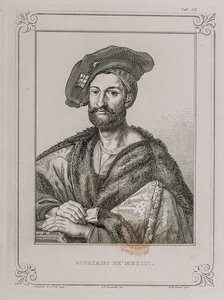
wilhelm heinrich ludwig gruner
1801 - 1882 , Germany
Kratke činjenice
- Artistic Movement Or Style: Hudson River School
- Artists Or Movements Influenced By This Artist: ['Hudson River School']
- Artists Who Influenced This Artist: ['Francis Wheatley']
- Date Of Birth: February 1, 1801
- Date Of Death: February 11, 1848
- Full Name: Thomas Cole
- Nationality: American
- Notable Artworks:
- The Titan's Goblet
- The Course of Empire
- The Oxbow
- The Voyage of Life
- Place Of Birth: Bolton-le-Moors, England

