

 Pregledaj u prostoru
 Pošalji
 Podeli
 Detalji o delu

 Преузми
 Slični predmeti
 Rendgenski snimak
 Slajdovi
 Statistika
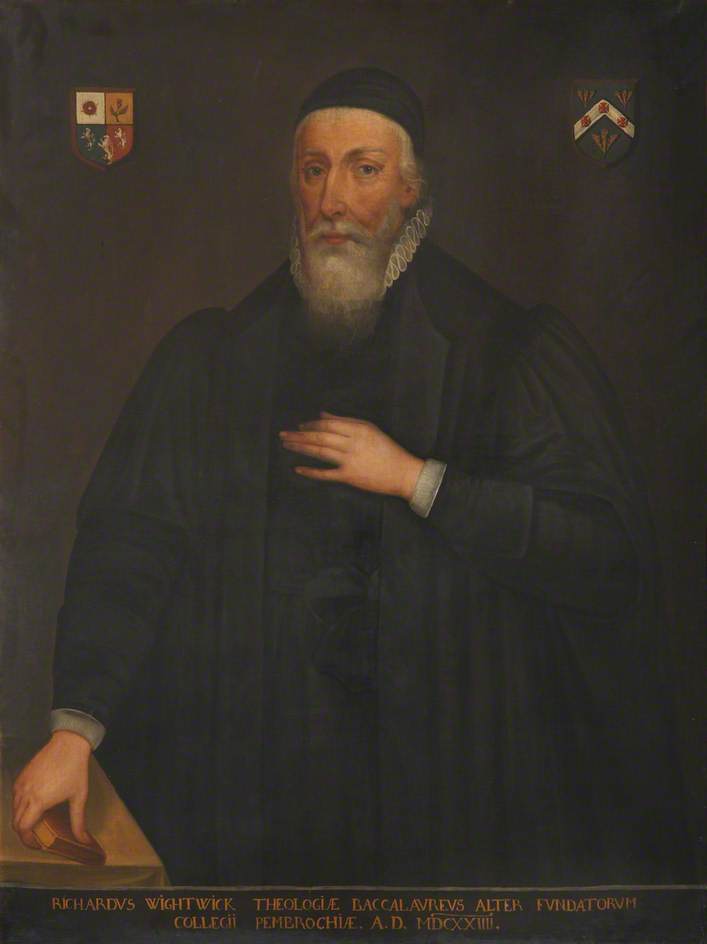
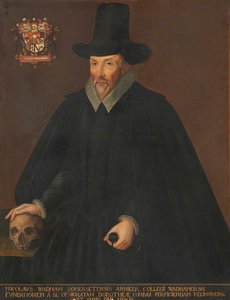
Richard Wightwick (1547 –1629)
 Baroque
 1670
1670 117.0 x 89.0 cm
 Bodleian Libraries
 Pročitaj više
Ručno rađena uljana reprodukcija
Ručno oslikano uljanim bojama na platnu u dimenzijama i okviru po vašem izboru, izrađeno po porudžbini od strane naših umetnika. ( Pređi na štampu Pređi na digitalnu sliku)




































Izaberite jednu od naših unapred definisanih veličina koje odgovaraju originalnim proporcijama umetničkog dela.

Можете унети сопствене димензије како бисте прилагодили дело одређеном оквиру или простору. Ако одабрана величина не одговара пропорцијама оригинала, слика ће бити исечена или проширена додатним елементима који се ручно насликавају. Дигитални prikaz ће вам бити послат на одобрење пре почетка производње.
Имајте на уму да преглед на екрану не одражава стварно исецање или проширење. Само приказ (mockup) ће тачно приказати коначну композицију.
Иако су доступне прилагођене величине, препоручујемо да одаберете димензију из дефинисане листе како бисте сачували оригиналне пропорције.
Nakon narudžbine, tim ArtsDot.com će klijentu putem e-pošte poslati uputstva i dostaviti prikaz predloženog rešenja
Isporuka širom sveta () za 3/4 nedelje umesto uobičajenih 5 nedelja. (11 септембар). Bez kompromisa po pitanju kvaliteta.

Besplatna ekspresna dostava širom sveta

Visokokvalitetno laneno platno

Kompletno osiguranje transporta

Garancija povraćaja carine i uvoznih dažbina

Garancija vernosti boja

Politika povraćaja u roku od 100 dana (isključivo u slučaju nedostataka)

Garancija povrata novca od 100%

Popust pri grupnoj kupovini
 Opcija sa staklom dostupna je samo za dimenzije manje od 110 cm

Richard Wightwick (1547 –1629)
Tehnika reprodukcije
Dimenzije reprodukcije
-


Konačna cena
$ 263
Srodna umetnička dela


Biografija umetnika
The Baroque Visionary: The Life and Legacy of Wilhelm Sonmans
In the grand, sweeping tapestry of European art history, certain names flicker with a particular, haunting brilliance, even if they remain tucked within the shadows of more famous contemporaries. Wilhelm Sonmans (1650–1708) is such a figure—a painter whose work serves as a profound window into the spiritual and dramatic essence of the Baroque era. Born in Cologne, Germany, Sonmans emerged from an age defined by movement, light, and intense emotionality. While much of his early life remains shrouded in the mists of time, his artistic journey is anchored by his formative apprenticeship under Johann Baptist Lingwerde, a distinguished painter in Düsseldorf. This period of rigorous training provided the foundation for a career defined by technical mastery and an uncanny ability to breathe life into both the human countenance and the natural landscape.
The stylistic DNA of Sonmans’ work is a sophisticated dialogue between the masters who preceded him. Through his lineage of training, he absorbed the dramatic chiaroscuro—the interplay of deep shadow and brilliant light—that defined the Dutch master Rembrandt, alongside the muscular dynamism and fluid energy characteristic of Rubens. This synthesis allowed Sonmans to develop a technique that was uniquely his own: a method of applying glazes to achieve luminous, skin-like surfaces and an atmospheric depth that seems to pull the viewer into the canvas. His brushwork, while precise enough to capture the intricate textures of ecclesiastical vestments, never lost the rhythmic vitality required to convey the spiritual fervor of the seventeenth century.
Mastery of Portraiture and the Sacred Landscape
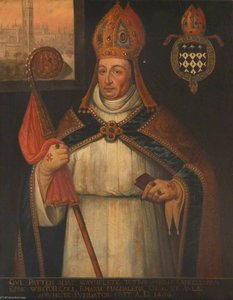
Sonmans found his greatest acclaim in the realms of portraiture and religious iconography, where he could utilize his command of symbolism to communicate power and piety. His portraits of the nobility and high-ranking clergy were more than mere likenesses; they were carefully constructed narratives of authority and grace. A preeminent example is his 1705 depiction of Bishop Welbore Ellis. In this work, Sonmans achieves a level of neoclassical realism that borders on the transcendent, using rich textures and symbolic elements to underscore the subject's ecclesiastical importance. The painting stands as a testament to his ability to marry the physical reality of a sitter with the metaphysical weight of their office.
Beyond the structured confines of the portrait studio, Sonmans possessed a deeply contemplative relationship with the natural world. His landscapes, particularly those capturing the serene and mist-laden valleys of the Rhine, reveal an artist seeking the divine within the earthly. These works are characterized by:
- Atmospheric Depth: A masterful use of light to create a sense of infinite distance and seasonal mood.
- Spiritual Quietude: Landscapes that function as sites of meditation rather than mere topographical records.
- Technical Precision: The delicate rendering of foliage, water, and sky through sophisticated glazing techniques.
A Lasting Influence on the Düsseldorf School
The historical significance of Wilhelm Sonmans extends far beyond the frames of his individual masterpieces. He was a pivotal figure in the cultural evolution of Düsseldorf, helping to transform the city into a vital hub for Baroque art production. By establishing a workshop that functioned as a crucible for talent, he ensured that the stylistic innovations of his apprenticeship—the blend of German precision and Flemish energy—would be disseminated to a new generation of artists. His legacy is not merely found in museums across Cologne, Düsseldorf, and Munich, but in the very fabric of the regional artistic identity he helped weave. Through his devotion to capturing the interplay of light, shadow, and soul, Sonmans remains an essential voice for those seeking to understand the profound spiritual landscape of the Baroque period.
wilhelm sonmans
1650 - 1708
Osnovne informacije
- Artistic Movement Or Style: Baroque
- Artists Or Movements Influenced By This Artist: ['Neoclassicism']
- Artists Who Influenced This Artist: ['Peter Paul Rubens']
- Date Of Death: 1708
- Full Name: Wilhelm Sonmans
- Nationality: German
- Notable Artworks: ['Portrait of Bishop Welbore Ellis']
- Place Of Birth: Cologne, Germany
Povezani članci

The Dramatic Flourish: Exploring the Baroque Movement's Enduring Legacy in Art History
Explore the dramatic world of Baroque art! Discover iconic artists like Caravaggio & Rubens, defining techniques, and its lasting impact on art history. Expert insights for collectors & enthusiasts at ArtsDot.

Barok Majstor dela: Top 10 Umjetničkih Remeka za Vaš Dom
Otkrijte 10 remek dela koja su definisala baroknu umetnost! Karavagio, Bernini i više – istražite priče iza ovih ikoničnih slika. Inspiracija za vaš dom? Pogledajte kolekciju na ArtsDot.com!
Decoding Baroque Grandeur: A Guide to the Drama and Emotion of 17th-Century Art
Explore the breathtaking drama of 17th-century Baroque art. Our expert guide decodes the use of chiaroscuro, emotional intensity, and historical grandeur to help you appreciate and curate timeless masterpieces for your collection.

Baroque Classicism: Reconciling Drama & Order in 17th-Century Art
Explore the captivating world of Baroque Classicism! Discover its history, key artists like Caravaggio & Rubens, and defining characteristics. Expert insights & high-quality reproductions at ArtsDot.

Барокна драма: Уношење величине и емоција у савремене ентеријере
Откријте барокну драму и унесите величину у ваш ентеријер! ArtsDot нуди ручно насликане репродукције, персонализоване портрете и стручне консултације за љубитеље класичне уметности. Потражите савршено дело већ данас!