

 Pregledaj u prostoru
 Pošalji
 Podeli
 Detalji o delu

 Преузми
 Slični predmeti
 Rendgenski snimak
 Slajdovi
 Statistika
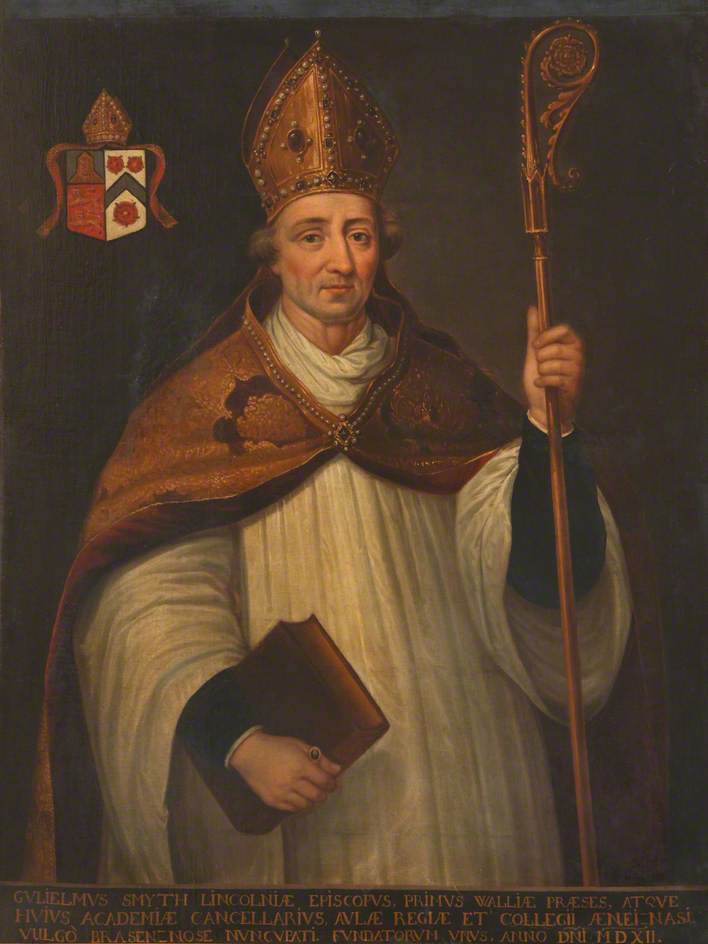
William Smith (1460–1514)
 1670
1670 120.0 x 90.0 cm
 Bodleian Libraries
 Pročitaj više
Kupite digitalnu sliku visoke rezolucije i poboljšanog kvaliteta, koja je znatno superiornija od onoga što vidite u online prikazu.
Svaka datoteka je pedantno pripremljena od strane naših stručnjaka koristeći napredne alate i profesionalnu ručnu retušu. Osiguravamo da svaka slika ima izuzetnu oštrinu, preciznu reprodukciju boja i fine detalje.
Konačna datoteka se dostavlja putem e-pošte u roku od 72 sata, optimizovana za neposrednu upotrebu u profesionalnim, izdavačkim i štamparskim okruženjima. To je isti kvalitet kojem veruju vrhunski studiji dizajna, izdavači i galerije.
Digitalna slika
Preuzmite datoteku visoke rezolucije za ličnu upotrebu, štampanje i kreativne projekte. ( Pređi na štampu Kupi ručno naslikanu sliku)
Uključeno uz svaku porudžbinu digitalne slike
Profesionalna digitalna isporuka, zagarantovana
Kada odaberete ArtsDot.com, ne dobijate samo sliku – vi primate profesionalno unapređeno digitalno umetničko delo, izrađeno sa najvećom preciznošću i uz garanciju zadovoljstva. Evo svega što automatski dolazi uz vašu porudžbinu:

Brza dostava putem e-pošte
Vaša digitalna slika visoke rezolucije biće vam poslata putem e-pošte u roku od 72 sata od poručivanja – spremna za trenutnu upotrebu.

Digitalna datoteka unapređena veštačkom inteligencijom
Vaše umetničko delo je profesionalno optimizovano korišćenjem naprednih AI alata i ručne obrade, čime se osiguravaju maksimalni detalji, oštrina i preciznost boja.

Besplatna ponovna isporuka doživotno
Slučajno ste obrisali ili izgubili svoju datoteku? Ne brinite – poslaćemo vam je ponovo u bilo kom trenutku, potpuno besplatno.

Bez troškova uvoza – zauvek
Uživajte u svojim umetničkim delima trenutno, bez carine, dažbina ili troškova dostave – digitalni download je uvek bez poreza.

Garancija vernosti boja
Uz pomoć profesionalnih alata i upravljanja bojama, osiguravamo da vaša digitalna slika što vernije odražava originalne boje.

Garancija zadovoljstva od 100 dana
Ako niste zadovoljni svojom digitalnom slikom, izvršićemo reviziju ili ćemo vam vratiti 100% novca u roku od 100 dana – bez ikakvih pitanja.

100% garancija povrata novca
Niste zadovoljni? Dobijte puni povraćaj novca u roku od 100 dana od prijema digitalne datoteke – bez suvišnih pitanja.

Popusti na velike porudžbine
Kupite 3 slike, uštedite 10% - Kupite 5 slika, uštedite 15% - Kupite 10+ slika, uštedite 20%. Odlično za kreativne projekte, galerije i agencije.
Artistic Significance
The William Smith (1460–1514) painting is not only a remarkable work of art but also a valuable historical document. It provides insight into the life and times of William Smith, a prominent figure in the 15th century. The painting's attention to detail, from the intricate folds of the subject's clothing to the subtle expression on his face, demonstrates Wilhelm Sonmans' exceptional skill as an artist. Key Features of the painting include:- The use of oil on canvas, which allows for rich, vibrant colors and a sense of depth and texture.
- The subject's attire, which suggests a high level of social status and religious authority.
- The shield with a red cross, which may symbolize the subject's affiliation with a particular order or organization.
Artist and Museum
Wilhelm Sonmans was a talented artist who created several notable works, including Richard Fox (1448 –1528) and Richard Fleming (d.1431). The Bodleian Libraries (Oxford, United Kingdom) is a renowned institution that houses an extensive collection of artworks and historical documents. For more information on the artist and his works, visit Wilhelm Sonmans on ArtsDot.com.To explore more artworks from the Bodleian Libraries, visit Discovering the Artworks of Wadham College, Oxford, United Kingdom on ArtsDot.com.
Srodna umetnička dela









Biografija umetnika
The Baroque Visionary: The Life and Legacy of Wilhelm Sonmans
In the grand, sweeping tapestry of European art history, certain names flicker with a particular, haunting brilliance, even if they remain tucked within the shadows of more famous contemporaries. Wilhelm Sonmans (1650–1708) is such a figure—a painter whose work serves as a profound window into the spiritual and dramatic essence of the Baroque era. Born in Cologne, Germany, Sonmans emerged from an age defined by movement, light, and intense emotionality. While much of his early life remains shrouded in the mists of time, his artistic journey is anchored by his formative apprenticeship under Johann Baptist Lingwerde, a distinguished painter in Düsseldorf. This period of rigorous training provided the foundation for a career defined by technical mastery and an uncanny ability to breathe life into both the human countenance and the natural landscape.
The stylistic DNA of Sonmans’ work is a sophisticated dialogue between the masters who preceded him. Through his lineage of training, he absorbed the dramatic chiaroscuro—the interplay of deep shadow and brilliant light—that defined the Dutch master Rembrandt, alongside the muscular dynamism and fluid energy characteristic of Rubens. This synthesis allowed Sonmans to develop a technique that was uniquely his own: a method of applying glazes to achieve luminous, skin-like surfaces and an atmospheric depth that seems to pull the viewer into the canvas. His brushwork, while precise enough to capture the intricate textures of ecclesiastical vestments, never lost the rhythmic vitality required to convey the spiritual fervor of the seventeenth century.
Mastery of Portraiture and the Sacred Landscape
Sonmans found his greatest acclaim in the realms of portraiture and religious iconography, where he could utilize his command of symbolism to communicate power and piety. His portraits of the nobility and high-ranking clergy were more than mere likenesses; they were carefully constructed narratives of authority and grace. A preeminent example is his 1705 depiction of Bishop Welbore Ellis. In this work, Sonmans achieves a level of neoclassical realism that borders on the transcendent, using rich textures and symbolic elements to underscore the subject's ecclesiastical importance. The painting stands as a testament to his ability to marry the physical reality of a sitter with the metaphysical weight of their office.
Beyond the structured confines of the portrait studio, Sonmans possessed a deeply contemplative relationship with the natural world. His landscapes, particularly those capturing the serene and mist-laden valleys of the Rhine, reveal an artist seeking the divine within the earthly. These works are characterized by:
- Atmospheric Depth: A masterful use of light to create a sense of infinite distance and seasonal mood.
- Spiritual Quietude: Landscapes that function as sites of meditation rather than mere topographical records.
- Technical Precision: The delicate rendering of foliage, water, and sky through sophisticated glazing techniques.
A Lasting Influence on the Düsseldorf School
The historical significance of Wilhelm Sonmans extends far beyond the frames of his individual masterpieces. He was a pivotal figure in the cultural evolution of Düsseldorf, helping to transform the city into a vital hub for Baroque art production. By establishing a workshop that functioned as a crucible for talent, he ensured that the stylistic innovations of his apprenticeship—the blend of German precision and Flemish energy—would be disseminated to a new generation of artists. His legacy is not merely found in museums across Cologne, Düsseldorf, and Munich, but in the very fabric of the regional artistic identity he helped weave. Through his devotion to capturing the interplay of light, shadow, and soul, Sonmans remains an essential voice for those seeking to understand the profound spiritual landscape of the Baroque period.
wilhelm sonmans
1650 - 1708
Kratke činjenice
- Artistic Movement Or Style: Baroque
- Artists Or Movements Influenced By This Artist: ['Neoclassicism']
- Artists Who Influenced This Artist: ['Peter Paul Rubens']
- Date Of Death: 1708
- Full Name: Wilhelm Sonmans
- Nationality: German
- Notable Artworks: ['Portrait of Bishop Welbore Ellis']
- Place Of Birth: Cologne, Germany