

 Pregledaj u prostoru
 Pošalji
 Podeli
 Detalji o delu

 Преузми
 Slični predmeti
 Rendgenski snimak
 Slajdovi
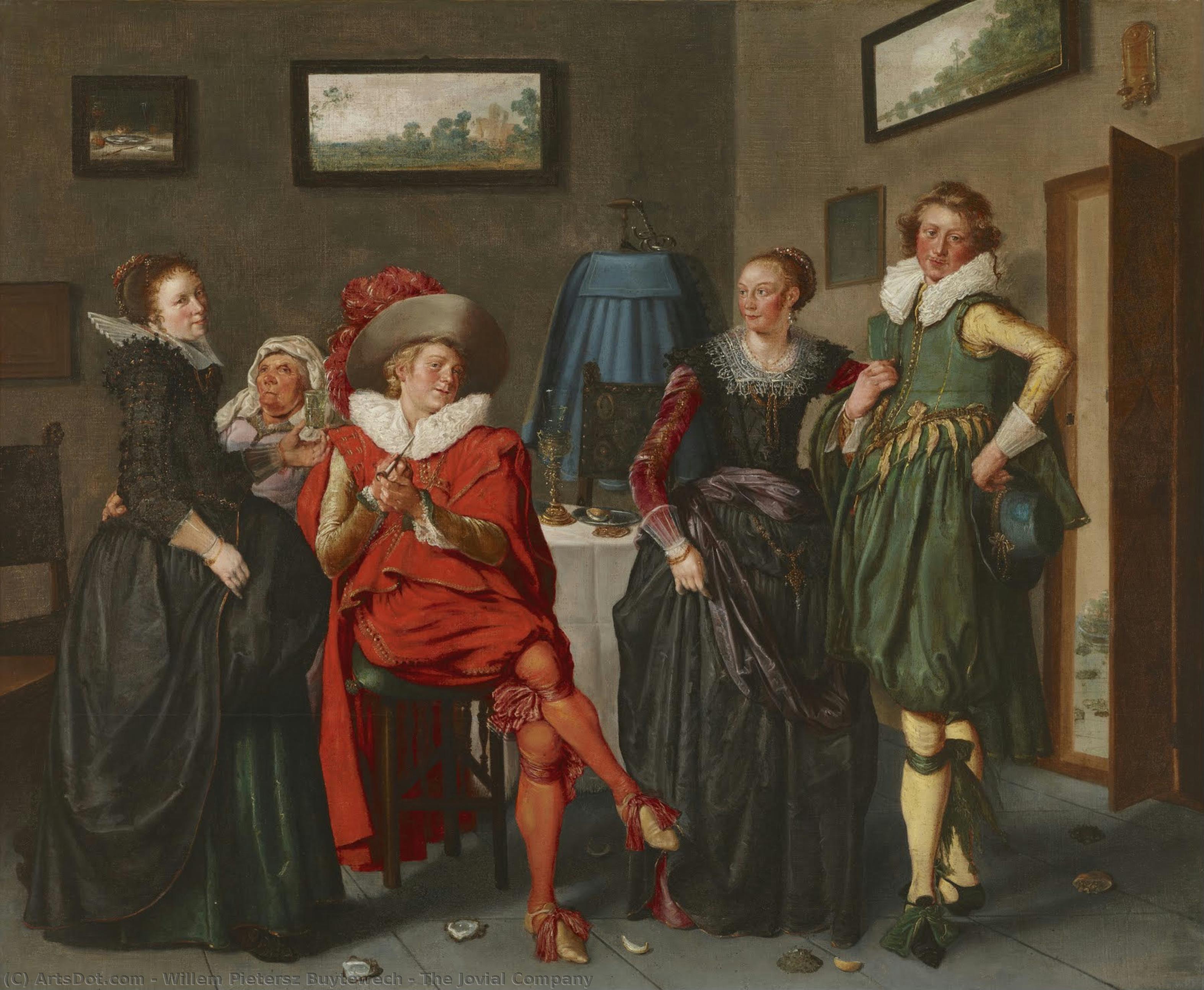
The Jovial Company
 Oil On Canvas
- WallArt
- Baroque
 1622
1622 81.0 x 100.0 cm
 The Frick Collection
 Pročitaj više
Kupite digitalnu sliku visoke rezolucije i poboljšanog kvaliteta, koja je znatno superiornija od onoga što vidite u online prikazu.
Svaka datoteka je pedantno pripremljena od strane naših stručnjaka koristeći napredne alate i profesionalnu ručnu retušu. Osiguravamo da svaka slika ima izuzetnu oštrinu, preciznu reprodukciju boja i fine detalje.
Konačna datoteka se dostavlja putem e-pošte u roku od 72 sata, optimizovana za neposrednu upotrebu u profesionalnim, izdavačkim i štamparskim okruženjima. To je isti kvalitet kojem veruju vrhunski studiji dizajna, izdavači i galerije.
Digitalna slika
Preuzmite datoteku visoke rezolucije za ličnu upotrebu, štampanje i kreativne projekte. ( Kupi print Kupi ručno naslikanu sliku)
Uključeno uz svaku porudžbinu digitalne slike
Profesionalna digitalna isporuka, zagarantovana
Kada odaberete ArtsDot.com, ne dobijate samo sliku – vi primate profesionalno unapređeno digitalno umetničko delo, izrađeno sa najvećom preciznošću i uz garanciju zadovoljstva. Evo svega što automatski dolazi uz vašu porudžbinu:

Brza dostava putem e-pošte
Vaša digitalna slika visoke rezolucije biće vam poslata putem e-pošte u roku od 72 sata od poručivanja – spremna za trenutnu upotrebu.

Digitalna datoteka unapređena veštačkom inteligencijom
Vaše umetničko delo je profesionalno optimizovano korišćenjem naprednih AI alata i ručne obrade, čime se osiguravaju maksimalni detalji, oštrina i preciznost boja.

Besplatna ponovna isporuka doživotno
Slučajno ste obrisali ili izgubili svoju datoteku? Ne brinite – poslaćemo vam je ponovo u bilo kom trenutku, potpuno besplatno.

Bez troškova uvoza – zauvek
Uživajte u svojim umetničkim delima trenutno, bez carine, dažbina ili troškova dostave – digitalni download je uvek bez poreza.

Garancija vernosti boja
Uz pomoć profesionalnih alata i upravljanja bojama, osiguravamo da vaša digitalna slika što vernije odražava originalne boje.

Garancija zadovoljstva u roku od 60 dana
Ako niste zadovoljni svojom digitalnom slikom, revidirat ćemo je ili vratiti 100% novca u roku od 60 dana – bez ikakvih pitanja.

100% garancija povrata novca
Niste zadovoljni? Obezbedite pun povrat novca u roku od 60 dana od trenutka kada ste primili svoju digitalnu datoteku – bez suvišnih pitanja.

Popusti na velike porudžbine
Kupite 3 slike, uštedite 10% - Kupite 5 slika, uštedite 15% - Kupite 10+ slika, uštedite 20%. Odlično za kreativne projekte, galerije i agencije.
A Moment of Opulence and Intrigue
Willem Pieterszoon Buytewech’s “The Jovial Company” isn't merely a painting; it’s a meticulously crafted tableau vivant, a frozen moment of exuberant social interaction that transports us directly into the heart of 17th-century Dutch society. Painted in 1622, during the height of the Dutch Republic’s prosperity and artistic flourishing, this oil on canvas offers an intimate glimpse into a world of wealth, leisure, and carefully orchestrated delight. The scene unfolds within a richly appointed interior – though its precise location remains elusive, it speaks to the burgeoning comfort and sophistication of the era – where five figures are gathered around a table laden with oysters, wine glasses, and a decorative vase. The composition is remarkably dense, almost claustrophobic in its intimacy, yet Buytewech masterfully avoids feeling chaotic; instead, he creates a palpable sense of contained energy and playful conversation.
Baroque Drama and the Art of Movement
Buytewech’s style firmly anchors this scene within the Baroque tradition, a movement characterized by dramatic lighting, dynamic compositions, and an emphasis on emotional intensity. Notice how the light, originating from a window to the left, casts deep shadows that sculpt the figures' forms and heighten the sense of theatricality. This chiaroscuro effect isn’t simply decorative; it directs our eye, highlighting key elements – the opulent table setting, the gestures of the figures – while leaving others shrouded in mystery. The brushwork itself is remarkably detailed and layered, a testament to Buytewech's skill in rendering fabrics, skin tones, and the textures of various objects. The slightly flattened perspective, a deliberate choice rather than strict adherence to linear rules, contributes to the painting’s overall sense of immediacy and drama, pulling us directly into this lively gathering.
Symbolism of Abundance and Social Grace
Beyond its immediate visual appeal, “The Jovial Company” is rich in symbolic meaning. The oysters, a recurring motif in Dutch Golden Age art, represent abundance, luxury, and even the wealth derived from maritime trade – a cornerstone of the Republic’s success. The overflowing wine glasses suggest conviviality and celebration, while the elaborate costumes worn by the figures speak to their social status and position within the hierarchy. The arrangement itself—the semi-circular formation around the table—suggests a carefully orchestrated scene, a performance designed to impress and entertain. It's not just a snapshot of a party; it’s a carefully constructed statement about wealth, power, and the rituals of social interaction.
A Fleeting Glimpse into a Golden Age
Willem Pieterszoon Buytewech’s tragically short life – he died around 1624 at just thirty-two or thirty-three – only adds to the poignant beauty of “The Jovial Company.” His work offers a rare and intimate window into the vibrant culture of the Dutch Republic, capturing a fleeting moment of joy and prosperity. The painting’s enduring appeal lies not only in its technical brilliance but also in its ability to evoke a sense of nostalgia for a bygone era – an era of daring exploration, artistic innovation, and unparalleled economic success. Reproductions of this captivating work offer a chance to bring a touch of that golden age into your own space, reminding us of the enduring power of art to transport us across time and culture.
Srodna umetnička dela


Biografija umetnika
A Fleeting Glimpse into Golden Age Merriment: The World of Willem Pieterszoon Buytewech
Willem Pieterszoon Buytewech, a name perhaps less instantly recognizable than some of his Dutch Golden Age contemporaries, nevertheless occupies a vital and charming niche in the history of 17th-century painting. Born in Rotterdam in 1592, his life was tragically brief – he passed away around 1624 at just thirty-two or thirty-three years old – yet within those few decades, he managed to establish himself as a distinctive voice specializing in scenes of lively social gatherings, earning him the affectionate nickname “gheestige Willem” (jolly or spirited William). His paintings offer us intimate glimpses into the burgeoning prosperity and convivial spirit of the Dutch Republic during its golden age.Formative Years and Artistic Awakening
Buytewech’s early life was rooted in the trades of his father, Pieter Jacobsz, who worked as both a cobbler and candlemaker. However, young Willem's path led him toward artistry. Around 1612, he journeyed to Haarlem, a thriving center for artistic innovation, where he became an apprentice and joined the esteemed Guild of St. Luke. This period proved pivotal in his development. He found himself amongst notable artists like Hercules Segers and Esaias van de Velde, but it was the influence of Frans Hals that would profoundly shape his style. Buytewech meticulously studied Hals’s work, absorbing his loose brushwork, dynamic compositions, and ability to capture the vitality of human expression. This admiration is evident in numerous surviving drawings where he practices replicating Hals' techniques, laying the foundation for his own unique artistic voice. After marrying Aeltje van Amerongen, a woman from a patrician family, in 1613, Buytewech returned to his native Rotterdam, establishing both a home and an artistic base.The Art of “Merry Companies” and Genre Painting
Buytewech quickly carved out a reputation as a specialist in what became known as "merry company" scenes – depictions of affluent individuals enjoying themselves in lively social settings. These weren’t simply portraits; they were snapshots of everyday life, brimming with detail and capturing the energy of Dutch society. While proficient in etching and landscape drawing, only eight paintings are definitively attributed to him today, all falling within this genre category. The Jovial Company (1622) stands as a prime example, showcasing a lavish gathering rendered with rich detail and dramatic lighting. Dignified Couples Courting offers a more intimate scene, capturing the playful interaction between elegantly dressed figures. These paintings aren’t merely decorative; they offer valuable insights into 17th-century Dutch customs, fashion, and social interactions. He blended elements of early Baroque style with a distinctly Dutch sensibility, prioritizing realistic portrayals over idealized forms.Legacy and Artistic Connections
Despite his short life, Buytewech’s influence extended beyond his own limited oeuvre. He took on pupils, including Hendrik Martenszoon Sorgh, who would go on to become a successful painter in his own right, ensuring the continuation of some of Buytewech's artistic principles. There is also speculation that Herman van Swanevelt may have benefited from his tutelage. His son, Willem Willemsz Buytewech, followed in his father’s footsteps, further cementing the family’s artistic legacy. Buytewech helped to popularize the “merry company” genre, paving the way for future artists to explore similar themes and contributing significantly to the rich tapestry of Dutch Golden Age painting. While not as widely celebrated as some of his contemporaries like Hals or Rembrandt, Willem Pieterszoon Buytewech remains a significant figure, appreciated for his lively compositions, skillful execution, and ability to capture the spirit of an era. His work serves as a vibrant window into the world of 17th-century Holland, reminding us of the joy, prosperity, and social customs that defined this remarkable period in history.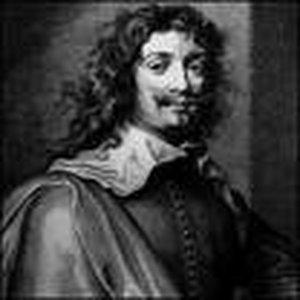
willem pietersz buytewech
1592 - 1624 , Netherlands
Kratke činjenice
- Artistic Movement Or Style: Baroque, Genre Painting
- Artists Or Movements Influenced By This Artist: ['Hendrik Sorgh']
- Artists Who Influenced This Artist: ['Frans Hals']
- Date Of Birth: 1592
- Date Of Death: 1624
- Full Name: Willem Pieterszoon Buytewech
- Nationality: Dutch
- Notable Artworks:
- The Jovial Company
- Dignified Couples Courting
- Banquet in the Open Air
- Place Of Birth: Rotterdam, Netherlands

