

 Pregledaj u prostoru
 Pošalji
 Podeli
 Detalji o delu

 Преузми
 Slični predmeti
 Rendgenski snimak
 Slajdovi
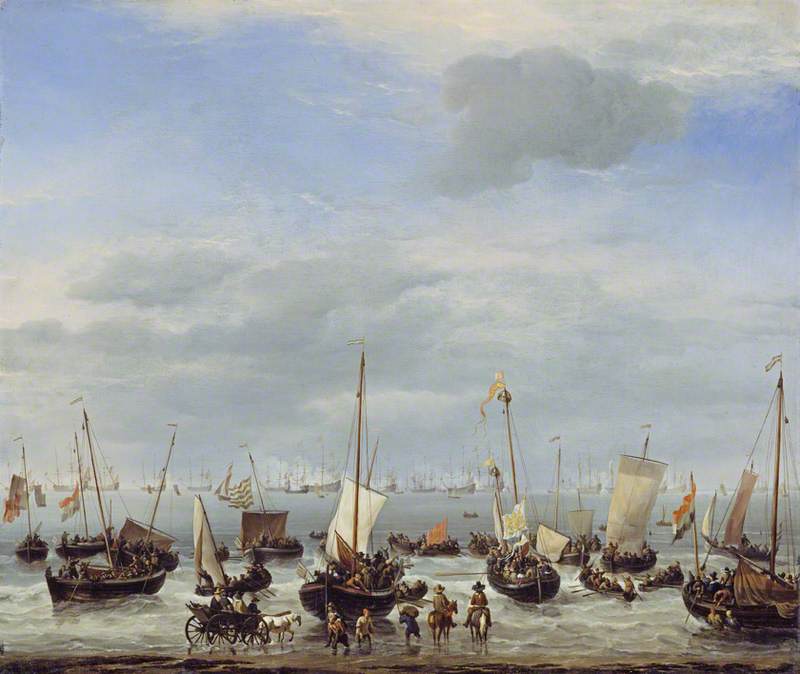
The Embarkation of Charles II at Scheveningen
 Oil On Canvas
- WallArt
 1661
1661 48.0 x 57.0 cm
 The Wallace Collection
 Pročitaj više
Ručno rađena uljana reprodukcija
Ručno oslikano uljanim bojama na platnu u dimenzijama i okviru po vašem izboru, izrađeno po porudžbini od strane naših umetnika. ( Kupi print Kupi digitalnu sliku)




P118B $10

P118H $10

P118W $10

P438Z $10

P508JH $12

P508YH $12

P805H $10

P805Z $10

P919BZ $10

P919G $10

P919XJ $10

P959ZH $10

P968JZ $12

W106C $8

W218G $10

W218JH $8

W218Y $10

W307PJ $10

W316G $10

W316PJ $8

W316Y $10

W398PJ $8

W4111J $10

W500HY $15

W500JH $15

W692G $12

W849H $8

W940BG $15

W953PJ $8




Izaberite jednu od naših unapred definisanih veličina koje odgovaraju originalnim proporcijama umetničkog dela.

Можете унети сопствене димензије како бисте прилагодили дело одређеном оквиру или простору. Ако одабрана величина не одговара пропорцијама оригинала, слика ће бити исечена или проширена додатним елементима који се ручно насликавају. Дигитални prikaz ће вам бити послат на одобрење пре почетка производње.
Имајте на уму да преглед на екрану не одражава стварно исецање или проширење. Само приказ (mockup) ће тачно приказати коначну композицију.
Иако су доступне прилагођене величине, препоручујемо да одаберете димензију из дефинисане листе како бисте сачували оригиналне пропорције.
Nakon narudžbine, tim ArtsDot.com će klijentu putem e-pošte poslati uputstva i dostaviti prikaz predloženog rešenja
Isporuka širom sveta () za 3/4 nedelje umesto uobičajenih 5 nedelja. (7 септембар). Bez kompromisa po pitanju kvaliteta.

Besplatna ekspresna dostava širom sveta

Visokokvalitetno laneno platno

Kompletno osiguranje transporta

Garancija povraćaja carine i uvoznih dažbina

Garancija vernosti boja

Politika povrata u roku od 100 dana (samo u slučaju nedostataka)

Garancija povrata novca od 100%

Popust pri grupnoj kupovini
 Opcija sa staklom dostupna je samo za dimenzije manje od 110 cm

The Embarkation of Charles II at Scheveningen
Tehnika reprodukcije
Dimenzije reprodukcije
-


Konačna cena
$ 363
The Embarkation of Charles II at Scheveningen – A Dutch Golden Age Masterpiece
Willem van de Velde the Elder’s “The Embarkation of Charles II at Scheveningen,” painted circa 1661, is more than just a maritime scene; it's a meticulously crafted window into a pivotal moment in English and Dutch history. This oil-on-canvas work, now residing within The Wallace Collection in London, captures the vibrant energy of a royal departure – Charles II’s journey to Scheveningen, Netherlands, marking a significant diplomatic maneuver amidst the turbulent political landscape of the 17th century. Van de Velde's skill lies not merely in depicting ships and figures, but in conveying an atmosphere of controlled chaos, formality, and subtle power.
The painting immediately draws the eye with its expansive composition. A horizontal arrangement dominates, mirroring the vastness of the North Sea and the coastline. The foreground is a carefully orchestrated tableau: elegantly dressed dignitaries, identifiable by their elaborate attire and ceremonial flags, mingle with sailors aboard numerous vessels – from stately galleons to smaller, more nimble boats. Horses, likely involved in transporting officials or providing a visual spectacle for the occasion, are strategically placed on land, adding to the scene’s sense of grandeur. The eye is then guided through the middle ground, teeming with activity as ships prepare to set sail, their masts and sails creating dynamic diagonals that inject movement into the otherwise static composition.
Van de Velde's mastery of technique is evident in every brushstroke. He employed a masterful use of linear perspective, subtly diminishing the size of distant ships to create an illusion of depth – a hallmark of Dutch Golden Age painting. The artist’s meticulous attention to detail is particularly striking in the rendering of the sails, which ripple and billow with remarkable realism, capturing both their texture and movement. The muted color palette—a symphony of blues, greys, browns, and beiges—evokes the atmospheric conditions of a cloudy day, lending an air of quiet observation rather than dramatic spectacle. The subtle use of red and orange in the flags provides vital focal points, highlighting the importance of this royal event.
A Window into Dutch-English Relations
“The Embarkation of Charles II at Scheveningen” is inextricably linked to the complex political relationship between England and the Netherlands during the mid-17th century. Following the English Civil War, Charles II sought refuge in Holland, skillfully navigating the precarious balance between loyalty to his father, King James II, and the burgeoning Protestant movement in England. This voyage to Scheveningen was a carefully orchestrated diplomatic mission, designed to secure support from Dutch merchants and officials. Van de Velde’s painting serves as a visual record of this pivotal moment, capturing not just the event itself but also the underlying tensions and strategic considerations that shaped Anglo-Dutch relations.
The inclusion of Charles II himself, though perhaps subtly rendered, is significant. The King's presence underscores the importance of the occasion and highlights his carefully cultivated image as a symbol of stability and legitimacy. Furthermore, the painting reflects the prevailing artistic trends of the Dutch Golden Age – a period characterized by an unparalleled commitment to realism, meticulous detail, and a fascination with maritime subjects. Van de Velde’s work stands alongside other celebrated Dutch marine paintings, such as those by Jan van de Cappelle and Pieter Claesz, demonstrating the Netherlands' position as a leading center for artistic innovation.
The Art of “Penschilderij” – A Unique Technique
Van de Velde the Elder was renowned for his pioneering technique known as "penschilderij" (pen painting). Unlike traditional oil painting methods, which rely on layering thin glazes to build up color and texture, penschilderij involved creating detailed, durable artworks using ink on panel or canvas. This innovative approach allowed Van de Velde to achieve an astonishing level of precision and detail, mimicking the appearance of elaborate drawings while maintaining the durability of a painted work. The fine lines and sharp edges visible in “The Embarkation of Charles II at Scheveningen” are testament to this unique technique.
This meticulous approach is particularly evident in the rendering of the ships’ rigging, sails, and figures – each element rendered with painstaking accuracy. The artist's use of a fine brush and carefully controlled ink allowed him to create incredibly detailed textures and patterns, capturing the subtle nuances of light and shadow. “Penschilderij” was not merely a technical innovation; it also reflected Van de Velde’s artistic philosophy – a commitment to realism and an appreciation for the beauty of detail.
Symbolism and Emotional Resonance
While “The Embarkation of Charles II at Scheveningen” is primarily a historical record, it also carries subtle symbolic weight. The orderly arrangement of figures and ships suggests a sense of control and authority – reflecting the King’s carefully managed diplomatic strategy. The cloudy sky and muted color palette evoke a feeling of quiet contemplation, suggesting that this event was not merely a political maneuver but also a moment of significant historical consequence.
Despite its formal composition, the painting possesses an undeniable emotional resonance. The bustling activity of the harbor, the presence of dignitaries and sailors, and the anticipation of departure all contribute to a sense of vibrant energy. “The Embarkation of Charles II at Scheveningen” is not simply a depiction of a historical event; it’s a powerful evocation of a specific time and place – a testament to the skill and artistry of Willem van de Velde the Elder.
Srodna umetnička dela

Biografija umetnika
Рани живот и каријера
Вилем ван де Велде Старији, прослављени холандски мајстор морског пејзажа из Златног века, рођен је у Лајдену, Холандија, око 1611. године. Његов отац, Вилем Вилемсзон ван де Велде, био је фламански капетан, што је вероватно имало значајан утицај на интересовање његовог сина за поморску уметност. Лајден, град прожет духом трговине и морских експедиција, пружио му је идеално окружење да развије своју страст и таленат. У почетку, Вилем се фокусирао на детаљно приказивање бродова у луци, али је брзо проширио свој репертоар како би обухватио динамичне сцене морских битака и олуја. Његов рани рад одликовала је прецизност и реализам, што га је брзо издвојило у кругу холандских сликара.Уметнички стил и техника
Ван де Велде се прославио као пионир технике пером (penschilderij), која је подразумевала стварање изузетно детаљних и издржљивих дела коришћењем мастила на плочи или платну. Овај иновативни приступ омогућио му је да постигне ефекат сложених цртежа, уз одржавање трајности слике. За разлику од традиционалних уљаних слика, његове композиције су често изгледале као прецизни нацрти, али са богатом текстуром и дубином. Користио је фине линије и нијансе сивих тонова да би дочарао светлу и тамну страну мора, облака и бродова. Његова способност да реално представи воду у покрету, као и сложене детаље бродских палуба и риголова, била је изузетна за његово време. Техника пером захтевала је велику вештину и стрпљење, али је Ван де Велде био мајстор у овладавању њом.Позната дела и сарадња
Међу најзначајнијима његовим делима спадају "Битка код Тексела" (1687), монументално платно које дочарава драматичне тренутке поморске битке, као и цртеж "Пожар краљевског Џејмса у бици код Солебеја". Ван де Велде је такође сарађивао са Чарлсом II од Енглеске, стварајући слике британских бродова и поморских борби. Ова сарадња била је веома важна за његову каријеру, јер му је омогућила приступ краљевским поруџбинама и повећање угледа. Чарлс II је био велики покровител уметности и ценио Ван де Велдеов таленат за реалистично приказивање морских сцена. Рад са енглеским двором допринео је ширењу његове славе и популарности како у Холандији тако и у Енглеској.Музеји и колекције које садрже радове Ван де Велдеа
Дела Вилема ван де Велдеа могу се пронаћи у престижним музејима и приватним колекцијама широм света. Музеј Мауритсхаус у Холандији, познат по својој збирци слика из Златног века, поседује неколико његових значајних радова. Колекција Кремер у Хагу је приватни музеј који се фокусира на слике 17. века из Холандије и Фландрије, а такође садржи дела Ван де Велдеа. Посетиоци могу пронаћи свеобухватан водич за његов рад и културни контекст у Музејској универзитетској библиотеци (Лајден, Холандија).- Погледајте радове Вилема ван де Велдеа Старијег на ArtsDot.com
- Истражите друге холандске уметнике Златног века, укључујући Рембранта ван Рајна, на страници уметника на ArtsDot.com
- Откријте збирку Мауритсхауса, која садржи радове Вилема ван де Велдеа Старијег, на страници музеја на ArtsDot.com
Наслеђе и утицај
Допринос Вилема ван де Велдеа Старијег холандском морском пејзажу је неоспоран. Његове иновативне технике, пажња на детаље и сарадња са угледним личностима учврстили су његово место у историји уметности. Утицао је на генерације сликара, посебно на његовог сина Вилема ван де Велдеа Млађег, који је такође постао познат морски сликар. Његов рад представља важан документ поморског живота и битака из Златног века Холандије, пружајући драгоцене увиде у историјски контекст тог времена. Музејска универзитетска библиотека (Лајден, Холандија) нуди даље увиде у културни контекст његовог рада и значај за разумевање холандског друштва 17. века.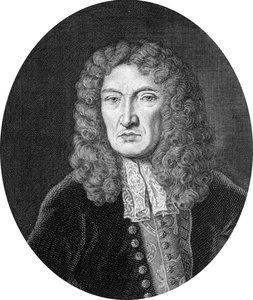
Вилем Ван Де Велде Старији
1611 - 1693 , Недерланди
Osnovne informacije
- Artistic Movement Or Style: Pen-slikarstvo, Morski pejzaž
- Artists Or Movements Influenced By This Artist: ['Willem van de Velde Mlađi']
- Artists Who Influenced This Artist: ['Njegov otac (Willem Willemsz)']
- Date Of Birth: Oko 1611, Leiden
- Date Of Death: 1693, London
- Full Name: Willem van de Velde Stariji
- Nationality: Holandska Zlatna Era
- Notable Artworks:
- Bitka kod Teksela
- Požar broda Džejms
- Place Of Birth (City And Country): Leiden, Holandija
Povezani članci

Zlatno doba Holandske umetnosti: Top 10 remek dela za vaš dom
Otkrijte remek dela Holandskog zlatnog doba! Uronite u svet Rembrandta, Vermeera i drugih majstora. 10 ikoničnih slika koje su definisale umetnost. Inspiracija za vaš dom i kolekciju - ekskluzivne reprodukcije na ArtsDot.com!
Charles Leickert: Capturing the Dutch Golden Age Light – A Comprehensive Study of Technique, Context, and Legacy
Explore the captivating winter landscapes of Charles Leickert, a master of Dutch Golden Age light & atmosphere. Discover his techniques, symbolism, and lasting legacy – a comprehensive study for art enthusiasts and collectors.
Abraham Hulk Senior: Pioneering Maritime Topography of the Dutch Golden Age
Explore the captivating seascapes of Abraham Hulk Senior, a leading Anglo-Dutch marine painter of the 19th century. Discover his signature style, family legacy & collectable artworks at ArtsDot.
Willem van de Velde the Elder: Master of Maritime Painting & Chronicler of the Dutch Golden Age
Discover the captivating maritime paintings of Willem van de Velde the Elder, a master chronicler of the Dutch Golden Age. Explore his unparalleled realism and lasting influence on naval art history.

Illuminating Innovation: Exploring the Dutch Golden Age of Painting
Explore the Dutch Golden Age of painting with ArtsDot. Discover Rembrandt, Vermeer & other Masters. Learn about key characteristics, iconic artworks, and lasting influence. Expert insights for collectors & enthusiasts.