

 Pregledaj u prostoru
 Pošalji
 Podeli
 Detalji o delu

 Преузми
 Slični predmeti
 Rendgenski snimak
 Slajdovi
Portrait of a Man
 Oil On Canvas
- WallArt
- Dutch Golden Age
 1636
1636- Early Modern
 85.0 x 69.0 cm
 Louvre
 Pročitaj više
Kupite digitalnu sliku visoke rezolucije i poboljšanog kvaliteta, koja je znatno superiornija od onoga što vidite u online prikazu.
Svaka datoteka je pedantno pripremljena od strane naših stručnjaka koristeći napredne alate i profesionalnu ručnu retušu. Osiguravamo da svaka slika ima izuzetnu oštrinu, preciznu reprodukciju boja i fine detalje.
Konačna datoteka se dostavlja putem e-pošte u roku od 72 sata, optimizovana za neposrednu upotrebu u profesionalnim, izdavačkim i štamparskim okruženjima. To je isti kvalitet kojem veruju vrhunski studiji dizajna, izdavači i galerije.
Digitalna slika
Preuzmite datoteku visoke rezolucije za ličnu upotrebu, štampanje i kreativne projekte. ( Kupi print Kupi ručno naslikanu sliku)
Uključeno uz svaku porudžbinu digitalne slike
Profesionalna digitalna isporuka, zagarantovana
Kada odaberete ArtsDot.com, ne dobijate samo sliku – vi primate profesionalno unapređeno digitalno umetničko delo, izrađeno sa najvećom preciznošću i uz garanciju zadovoljstva. Evo svega što automatski dolazi uz vašu porudžbinu:

Brza dostava putem e-pošte
Vaša digitalna slika visoke rezolucije biće vam poslata putem e-pošte u roku od 72 sata od poručivanja – spremna za trenutnu upotrebu.

Digitalna datoteka unapređena veštačkom inteligencijom
Vaše umetničko delo je profesionalno optimizovano korišćenjem naprednih AI alata i ručne obrade, čime se osiguravaju maksimalni detalji, oštrina i preciznost boja.

Besplatna ponovna isporuka doživotno
Slučajno ste obrisali ili izgubili svoju datoteku? Ne brinite – poslaćemo vam je ponovo u bilo kom trenutku, potpuno besplatno.

Bez troškova uvoza – zauvek
Uživajte u svojim umetničkim delima trenutno, bez carine, dažbina ili troškova dostave – digitalni download je uvek bez poreza.

Garancija vernosti boja
Uz pomoć profesionalnih alata i upravljanja bojama, osiguravamo da vaša digitalna slika što vernije odražava originalne boje.

Garancija zadovoljstva u roku od 60 dana
Ako niste zadovoljni svojom digitalnom slikom, revidirat ćemo je ili vratiti 100% novca u roku od 60 dana – bez ikakvih pitanja.

100% garancija povrata novca
Niste zadovoljni? Obezbedite pun povrat novca u roku od 60 dana od trenutka kada ste primili svoju digitalnu datoteku – bez suvišnih pitanja.

Popusti na velike porudžbine
Kupite 3 slike, uštedite 10% - Kupite 5 slika, uštedite 15% - Kupite 10+ slika, uštedite 20%. Odlično za kreativne projekte, galerije i agencije.
Opis kolekcionarskog dela
A Glimpse into Dutch Authority: The Portrait of a Man
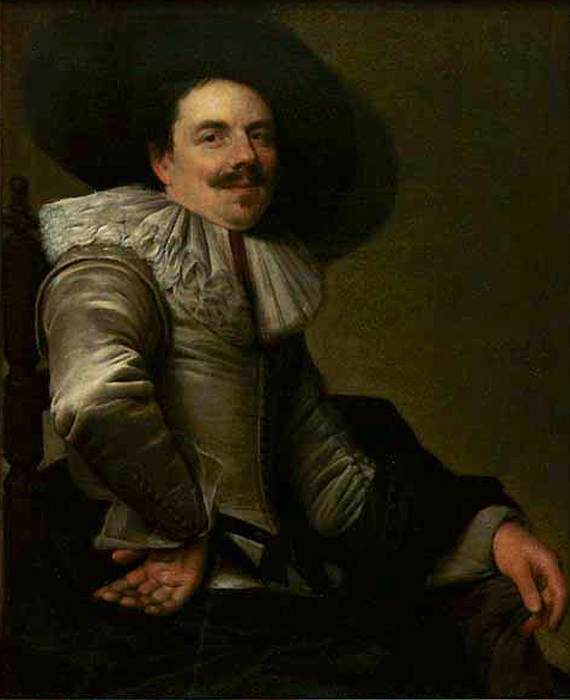
To stand before Willem van der Vliet’s Portrait of a Man is to step directly into the opulent, shadowed drawing rooms of the Dutch Golden Age. This 1636 masterpiece does more than merely record a likeness; it captures an entire persona—one steeped in authority, considerable wealth, and quiet self-assurance. The subject, presented in a commanding three-quarter view while seated in an ornate chair, exudes a palpable dignity that seems to emanate from the very folds of his dark attire. Van der Vliet masterfully centers the composition on this figure, ensuring that every element—from the severe line of the hat to the texture of the fur collar—serves to draw the viewer into an intimate yet formal encounter with its sitter.
Mastery in Shadow and Light: Technique and Texture
Technically, the painting is a breathtaking study in chiaroscuro. Van der Vliet employs dramatic lighting that carves the man out of the surrounding darkness, allowing the light to selectively illuminate key areas—the sheen on the leather jacket, the crisp white ruffle of the shirt, and the planes of the face. This high contrast is not merely decorative; it is structural. Observe how the artist defines form through shadow, giving weight and reality to the rich textures: the deep nap of the fur against the smooth gleam of polished leather. The brushwork, while detailed enough to suggest the weave of fabric, remains controlled and deliberate, characteristic of the period’s commitment to realistic depiction on canvas.
The Symbolism of Status in Delft
Within the context of 17th-century Dutch society, portraiture was a potent statement. The subject's elaborate clothing—the dark jacket, the fur trim, and the imposing hat—speaks volumes about his standing. These are not just garments; they are symbols of mercantile success and established status within Delft. While the background remains indistinct, serving only to push the figure forward, it forces our attention entirely onto the man’s bearing. His confident expression suggests a life lived with purpose and considerable means, inviting us to contemplate the social structures that allowed such opulence to be captured on canvas.
An Enduring Emotional Resonance
What lingers most powerfully after viewing this work is its emotional weight. It evokes a sense of contained power—a self-possession that feels both magnificent and slightly guarded. For collectors or those seeking art for an interior space, this piece offers more than decoration; it provides an anchor of historical gravitas. Reproducing the depth and drama of Portrait of a Man allows one to bring the sophisticated atmosphere of the Dutch Golden Age into a modern setting, adding an undeniable layer of cultured authority to any room.
Srodna umetnička dela



Biografija umetnika
The Master of Delft: The Life and Legacy of Willem van der Vliet
Willem van der Vliet was a painter whose brush captured the very essence of the Dutch Golden Age, an era defined by unparalleled cultural flourishing and artistic innovation. Born in the historic city of Delft around 1584, Van der Vliet lived and breathed the atmosphere of a Netherlands finding its voice on the global stage. His life, which concluded in his beloved birthplace in 1642, was deeply intertwined with the artistic traditions of his region. While history sometimes places him in the shadow of more famous contemporaries, his contributions to the genres of historical allegory and portraiture remain a testament to his technical mastery and his ability to weave complex narratives through paint. The foundations of Van der Vliet’s artistry were laid through a lineage of mentorship and familial connection. He served as a mentor to his nephew, Hendrick Cornelisz. van Vliet, an artist who would later become renowned for his architectural perspectives. This relationship suggests a workshop environment where the principles of spatial depth and structural accuracy were passed down with great care. Through this lineage, one can trace the influence of masters like Michiel Jansz van Mierevelt, whose expertise in portraiture likely informed the refined manner in which Willem approached the human face and the social standing of his subjects.A Symphony of Light and Perspective
To encounter a work by Van der Vliet is to experience a profound command over the illusion of space. He was a master of architectural perspective, utilizing linear techniques to construct environments that felt remarkably tangible. His ability to render buildings and landscapes with such precision allowed him to create more than just scenery; he built stages for moral and allegorical dramas. These compositions were never merely decorative; they were carefully staged scenes designed to transport the viewer into a world where grandeur and meaning coexisted. This sense of depth was further heightened by his sophisticated use of chiaroscuro. Van der Vliet possessed a rare ability to manipulate dramatic lighting, using sharp contrasts between light and shadow to carve figures out of the darkness. In his portraits, this technique served a dual purpose: it provided a structural weight to the subjects, giving them a palpable presence, and it highlighted the luxurious textures of the era—the soft sheen of leather, the crispness of a linen collar, or the heavy warmth of fur. This interplay of light and shadow did not just illuminate the canvas; it breathed life into the very fabric of his subjects' identities.The Soul of the Dutch Golden Age
Beyond the technical brilliance of his brushwork, Van der Vliet’s work serves as a vital historical window into the social fabric of seventeenth-century Delft. His portraits were potent instruments of status and self-assurance. When he painted a man seated in an ornate chair, draped in dark, expensive attire, he was recording much more than a likeness; he was documenting the mercantile success and the quiet authority of a rising class of Dutch citizens. Every fold of fabric and every carefully placed shadow spoke to the wealth and dignity of the era. The historical significance of Willem van der Vliet lies in his role as a bridge between the rigid traditions of the past and the expressive innovations of the Golden Age. His works, ranging from intimate portraits like Portrait of a Man to complex allegories, continue to captivate art historians by offering a glimpse into a period of immense transformation. Through his meticulous attention to detail and his mastery of light, Van der Vliet ensured that the spirit of Delft would endure, leaving behind a legacy of evocative beauty that remains as striking today as it was in the seventeenth century.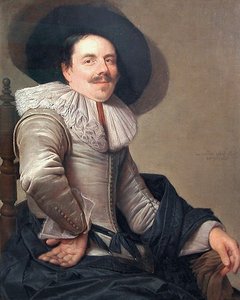
Willem van der Vliet
1584 - 1642 , Netherlands
Kratke činjenice
- Artistic Movement Or Style: Golden Age Art
- Artists Or Movements Influenced By This Artist: ['Hugo van der Goes']
- Artists Who Influenced This Artist: ['Michiel van Mierevelt']
- Date Of Birth: ca. 1584
- Date Of Death: 1642
- Full Name: Willem van der Vliet
- Nationality: Dutch
- Notable Artworks:
- Portrait of a Man
- An Allegory
- Portrait of an Unknown Boy
- Place Of Birth: Delft, Netherlands

