

 Pregledaj u prostoru
 Pošalji
 Podeli
 Detalji o delu

 Преузми
 Slični predmeti
 Rendgenski snimak
 Slajdovi
 Statistika
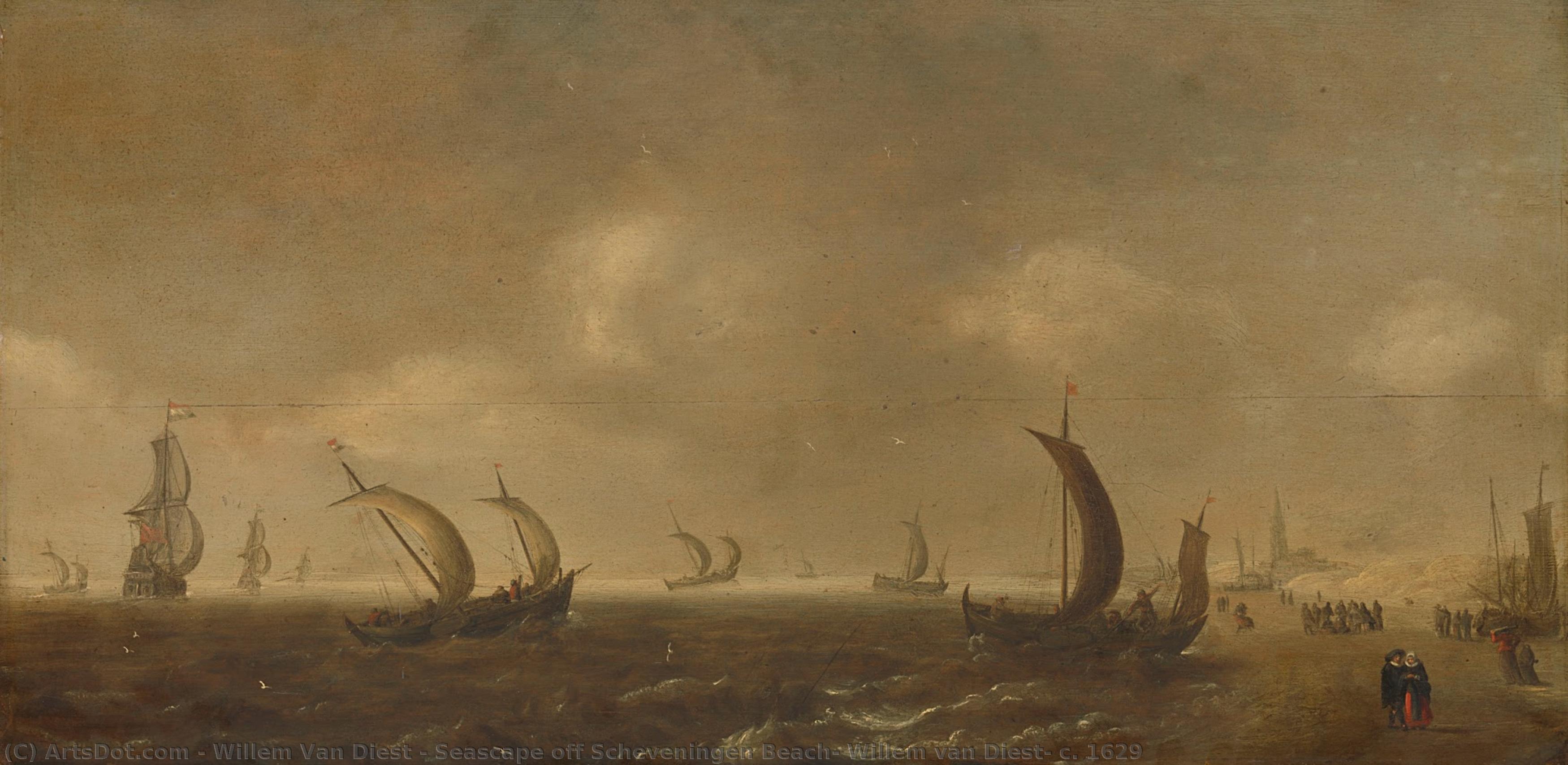
Seascape off Scheveningen Beach, Willem van Diest, c. 1629
 1629
1629 37.0 x 73.0 cm
 Pročitaj više
Kupite digitalnu sliku visoke rezolucije i poboljšanog kvaliteta, koja je znatno superiornija od onoga što vidite u online prikazu.
Svaka datoteka je pedantno pripremljena od strane naših stručnjaka koristeći napredne alate i profesionalnu ručnu retušu. Osiguravamo da svaka slika ima izuzetnu oštrinu, preciznu reprodukciju boja i fine detalje.
Konačna datoteka se dostavlja putem e-pošte u roku od 72 sata, optimizovana za neposrednu upotrebu u profesionalnim, izdavačkim i štamparskim okruženjima. To je isti kvalitet kojem veruju vrhunski studiji dizajna, izdavači i galerije.
Digitalna slika
Preuzmite datoteku visoke rezolucije za ličnu upotrebu, štampanje i kreativne projekte. ( Pređi na štampu Kupi ručno naslikanu sliku)
Uključeno uz svaku porudžbinu digitalne slike
Profesionalna digitalna isporuka, zagarantovana
Kada odaberete ArtsDot.com, ne dobijate samo sliku – vi primate profesionalno unapređeno digitalno umetničko delo, izrađeno sa najvećom preciznošću i uz garanciju zadovoljstva. Evo svega što automatski dolazi uz vašu porudžbinu:

Brza dostava putem e-pošte
Vaša digitalna slika visoke rezolucije biće vam poslata putem e-pošte u roku od 72 sata od poručivanja – spremna za trenutnu upotrebu.

Digitalna datoteka unapređena veštačkom inteligencijom
Vaše umetničko delo je profesionalno optimizovano korišćenjem naprednih AI alata i ručne obrade, čime se osiguravaju maksimalni detalji, oštrina i preciznost boja.

Besplatna ponovna isporuka doživotno
Slučajno ste obrisali ili izgubili svoju datoteku? Ne brinite – poslaćemo vam je ponovo u bilo kom trenutku, potpuno besplatno.

Bez troškova uvoza – zauvek
Uživajte u svojim umetničkim delima trenutno, bez carine, dažbina ili troškova dostave – digitalni download je uvek bez poreza.

Garancija vernosti boja
Uz pomoć profesionalnih alata i upravljanja bojama, osiguravamo da vaša digitalna slika što vernije odražava originalne boje.

Garancija zadovoljstva od 100 dana
Ako niste zadovoljni svojom digitalnom slikom, izvršićemo reviziju ili ćemo vam vratiti 100% novca u roku od 100 dana – bez ikakvih pitanja.

100% garancija povrata novca
Niste zadovoljni? Dobijte puni povraćaj novca u roku od 100 dana od prijema digitalne datoteke – bez suvišnih pitanja.

Popusti na velike porudžbine
Kupite 3 slike, uštedite 10% - Kupite 5 slika, uštedite 15% - Kupite 10+ slika, uštedite 20%. Odlično za kreativne projekte, galerije i agencije.
Srodna umetnička dela









Biografija umetnika
Willem Hermansz van Diest: Master of Dramatic Stormy Seascapes
Willem Hermansz van Diest (c.1600, the Hague – c.1678, the hague) stands as a pivotal figure in Dutch Golden Age art, renowned primarily for his breathtaking depictions of turbulent seas and tempestuous skies—a genre that cemented his reputation as one of the foremost seascape painters of his era. Born into a family steeped in artistic tradition, Van Diest’s formative years were marked by exposure to influential artists like Jan van Goyen and Simon de Vlieger, fostering an early appreciation for capturing the raw power of nature through meticulous observation and masterful technique. This dedication would ultimately define his artistic legacy.- Early Life & Training: Little is known definitively about Van Diest’s upbringing beyond familial connections to artists. However, evidence suggests he received a robust grounding in disegno—the Italian tradition of drawing—likely influencing his meticulous attention to detail and compositional balance. His formative years coincided with the burgeoning artistic fervor of Amsterdam during the Golden Age, providing him with an environment ripe for innovation and stylistic development.
- Style & Technique: Van Diest’s distinctive style is characterized by a dramatic chiaroscuro—the skillful manipulation of light and shadow—that imbues his canvases with palpable emotion. He eschewed idealized landscapes in favor of portraying realistic storms at sea, capturing the churning waves, billowing clouds, and flashes of lightning with astonishing accuracy. His brushstrokes are deliberate and expressive, conveying movement and dynamism while simultaneously emphasizing textural richness.
Notable Works & Artistic Influences
Van Diest’s oeuvre comprises numerous impressive seascapes that exemplify the stylistic conventions of his time. Among his most celebrated paintings is “Sea Battle,” a monumental composition showcasing a dramatic confrontation between a ship and a raging storm—a scene imbued with palpable tension and rendered with breathtaking realism. His meticulous attention to detail extends beyond mere visual representation; he meticulously depicted rigging, sails, and even spray patterns, demonstrating an unparalleled understanding of maritime conditions. Furthermore, Van Diest’s work bears the unmistakable imprint of Jan van Goyen, whose influence can be discerned in his compositional choices and use of atmospheric perspective.- “Ships off the Dutch Coast” – This artwork exemplifies Van Diest's masterful depiction of maritime storms. The artist skillfully captures the turbulent sea conditions and dramatic sky lighting, creating a visually arresting scene that reflects the grandeur of nature.
- “Seascape off Scheveningen Beach” – Considered one of Van Diest’s finest achievements, this painting showcases his exceptional ability to convey mood and atmosphere. The artist's use of color and brushwork contributes to the overall impression of a powerful storm at sea.
Legacy & Historical Significance
Willem Hermansz van Diest’s contribution to Dutch art history transcends mere stylistic innovation; he established himself as a champion of realism—a reaction against Mannerist tendencies that prioritized decorative elegance over truthful representation. His seascapes served not only as aesthetically pleasing artworks but also as powerful expressions of the human condition confronting the forces of nature. He was instrumental in establishing the confrerie pictura, furthering artistic collaboration and innovation within Amsterdam’s art community. Today, his paintings reside in prestigious institutions like The Walters Art Museum, ensuring that his dramatic visions continue to inspire admiration and scholarly study—a testament to his enduring influence on subsequent generations of artists.
Kratke činjenice
- Artistic Movement Or Style: golden age seascape painting
- Artists Or Movements Influenced By This Artist: ['simon de vlieger']
- Artists Who Influenced This Artist: ['jan van goyen']
- Date Of Birth: c.1600
- Date Of Death: c.1678
- Full Name: willem hermansz. van diest
- Nationality: dutch
- Notable Artworks:
- Sea Battle
- Ships off the Dutch Coast
- Seascape off Scheveningen Beach
- Place Of Birth: the hague, netherlands