

 Pregledaj u prostoru
 Pošalji
 Podeli
 Detalji o delu

 Преузми
 Slični predmeti
 Rendgenski snimak
 Slajdovi
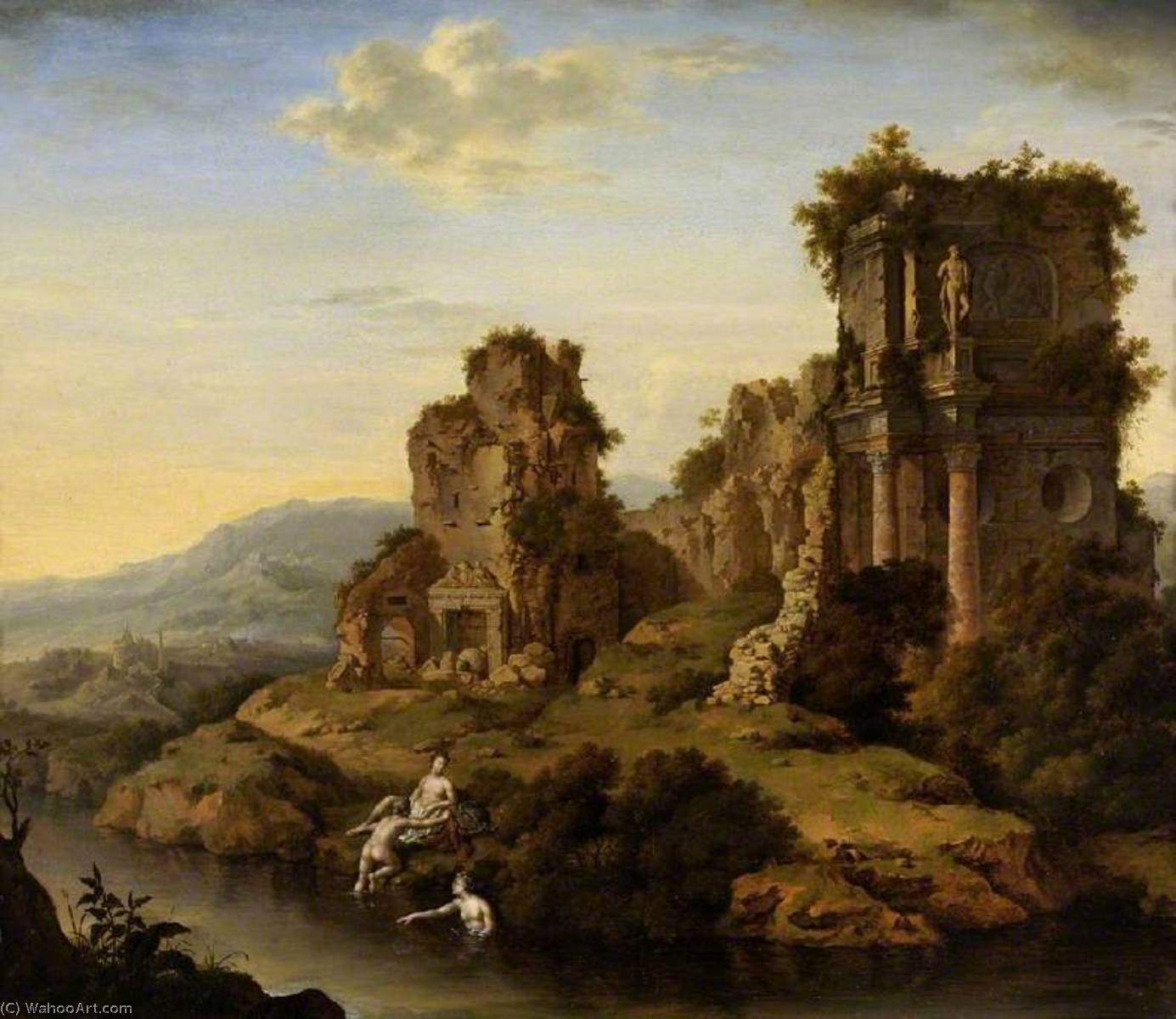
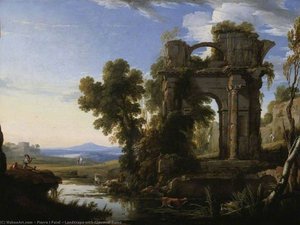
Landscape with Ruins, Nymphs Bathing
 Oil On Panel
- Dutch Golden Age
 1730
1730 30.0 x 36.0 cm
 Fitzwilliam College
 Pročitaj više
Ručno rađena uljana reprodukcija
Ručno oslikano uljanim bojama na platnu u dimenzijama i okviru po vašem izboru, izrađeno po porudžbini od strane naših umetnika. ( Kupi print Kupi digitalnu sliku)




P118B $10

P118H $10

P118W $10

P438Z $10

P508JH $12

P508YH $12

P805H $10

P805Z $10

P919BZ $10

P919G $10

P919XJ $10

P959ZH $10

P968JZ $12

W106C $8

W218G $10

W218JH $8

W218Y $10

W307PJ $10

W316G $10

W316PJ $8

W316Y $10

W398PJ $8

W4111J $10

W500HY $15

W500JH $15

W692G $12

W849H $8

W940BG $15

W953PJ $8




Izaberite jednu od naših unapred definisanih veličina koje odgovaraju originalnim proporcijama umetničkog dela.

Можете унети сопствене димензије како бисте прилагодили дело одређеном оквиру или простору. Ако одабрана величина не одговара пропорцијама оригинала, слика ће бити исечена или проширена додатним елементима који се ручно насликавају. Дигитални prikaz ће вам бити послат на одобрење пре почетка производње.
Имајте на уму да преглед на екрану не одражава стварно исецање или проширење. Само приказ (mockup) ће тачно приказати коначну композицију.
Иако су доступне прилагођене величине, препоручујемо да одаберете димензију из дефинисане листе како бисте сачували оригиналне пропорције.
Nakon narudžbine, tim ArtsDot.com će klijentu putem e-pošte poslati uputstva i dostaviti prikaz predloženog rešenja
Isporuka širom sveta () za 3/4 nedelje umesto uobičajenih 5 nedelja. (21 август). Bez kompromisa po pitanju kvaliteta.

Besplatna ekspresna dostava širom sveta

Visokokvalitetno laneno platno

Kompletno osiguranje transporta

Garancija povraćaja carine i uvoznih dažbina

Garancija vernosti boja

Politika povrata u roku od 60 dana (samo u slučaju nedostataka)

Garancija povrata novca od 100%

Popust pri grupnoj kupovini
 Opcija sa staklom dostupna je samo za dimenzije manje od 110 cm

Landscape with Ruins, Nymphs Bathing
Tehnika reprodukcije
Dimenzije reprodukcije
-


Konačna cena
$ 263
Opis umetničkog dela
A Dutch Master’s Serene Vision: Landscape with Ruins, Nymphs Bathing
Willem van Mieris's "Landscape with Ruins, Nymphs Bathing," painted circa 1730, is more than just a picturesque scene; it’s a carefully constructed meditation on beauty, melancholy, and the enduring power of nature. Executed in oil on panel, this work exemplifies the hallmarks of the Leiden *fijnschilders*, a group renowned for their refined sensibilities and meticulous attention to detail. Mieris, inheriting his father Frans van Mieris’s legacy, skillfully blended classical influences with a distinctly Dutch sensibility, creating an image that resonates with both grandeur and intimate feeling. The painting transports us to a tranquil realm where the remnants of antiquity—crumbling castle ruins—stand in silent contrast to the vibrant life of the nymphs bathing in a crystalline river. It's a scene imbued with a subtle sense of wistful beauty, inviting contemplation on time’s passage and the ephemeral nature of human endeavor.The Anatomy of Beauty: Technique and Composition
Mieris’s mastery lies not only in his subject matter but also in his technical execution. The artist employs a delicate *sfumato* technique—a subtle blurring of lines and colors—to create an atmosphere of hazy serenity. Notice how the distant mountains are rendered with soft, atmospheric washes, while the foreground details – the nymphs’ skin, the texture of the rocks, and the ripples in the water – are depicted with remarkable precision. The composition itself is carefully balanced, drawing the eye through a series of receding planes. The ruins, strategically placed in the background, provide a vertical anchor, guiding the viewer's gaze towards the central figures. The placement of the horse and dog adds a touch of earthly realism to this otherwise idealized landscape, grounding the scene while simultaneously hinting at the human presence within it. Mieris’s use of light is particularly noteworthy; it’s diffused and gentle, bathing the entire scene in a warm, golden glow that evokes a sense of timelessness.Echoes of Antiquity: Symbolism and Context
The inclusion of ancient ruins immediately connects this painting to classical antiquity—a period deeply admired by Dutch artists during the 18th century. Ruins served as potent symbols of both decline and renewal, representing the transience of earthly power and the enduring beauty of nature. The nymphs themselves, figures from Greek mythology, embody youth, innocence, and a connection to the natural world. Their bathing ritual is not merely a depiction of physical pleasure but also a symbolic act of purification and rejuvenation—a reminder that even in decay, life continues to flourish. The horse and dog, often associated with pastoral scenes, further reinforce this connection to nature and the rhythms of rural life. The painting can be interpreted as an allegory for the fleeting nature of human ambition against the backdrop of eternity.A Legacy of Elegance: Willem van Mieris’s Artistic World
Willem van Mieris (1662-1747) was a pivotal figure in the Leiden *fijnschilders* movement, building upon his father's established reputation and refining his own distinctive style. His oeuvre is characterized by its elegant detail, refined compositions, and subtle emotional depth. Unlike some of his contemporaries who favored grand historical or mythological subjects, Mieris often focused on intimate scenes of everyday life—portraits, genre paintings, and landscapes that captured the nuances of human experience. His work reflects a deep appreciation for beauty in all its forms, from the grandeur of nature to the subtle expressions of human emotion. “Landscape with Ruins, Nymphs Bathing” stands as a testament to Mieris’s artistic skill and his ability to imbue even the most seemingly simple scenes with profound meaning. It is a painting that continues to captivate viewers centuries after its creation, offering a glimpse into the world of 18th-century Dutch art and the enduring power of beauty.Srodna umetnička dela
Biografija umetnika
Viljem van Miris (1662–1747): Majstor elegantnog detalja
Viljem van Miris (1662–1747) predstavlja ključnu figuru pokreta Leiden fijnschilders, olikavajući sam vrhunac umetničkih ideala holandskog baroka. Rođen u Lejdenu 3. juna 1662. godine, poticao je iz loze duboko utopljene u umetničku tradiciju; njegov otac, Frans van Miris Stari (1635–1elog81), bio je slavni žanrovski slikar koji je stekao neupitnu reputaciju zahvaljujući sposobnosti da na platno prenese najsuptilnije nijanse gornjih slojeva društva. Ovo porodično nasleđe duboko je oblikovalo Viljemove formativne godine i u njemu usadilo nepokolebljivu posvećenost očuvanju oca prestižnog položaja vodećeg lejdensko fijnschildera—obaveza koja će definisati čitavu njegovu umetničku karijeru.- Rano obrazovanje i uticaji:
- Ne može se preuveličati duboki uticaj Fransa van Mirisa Starog na Viljemovu tehniku i estetski senzibilitet. Vođen očevim mentorstvom, Viljem je usavršavao svoje veštine pod pažljivim okom Gerita Doua (1613–1675), majstora kjaroskuroa i pedantnog posmatranja—stilskog pristupa koji će postati sinonim za lejdenske fijnschildere.
Lejdenska tradicija i vizija Pijtera Posta
Umetnička putanja Viljem van Mirisa bila je neraskidivo povezana sa širim intelektualnim strujama njegovog vremena. Uticaj Pijtera Posta (1659–1734), holandskog umetničkog teoretičara i humaniste, pokazao se posebno transformativnim. Post je zastupao ideju da žanrovski slikari treba da prevaziđu puku reprezentaciju—da, naime, uzdignu svoje teme kroz klasične ideale lepote i proporcije. Ovo uverenje podstaklo je Viljemu da pedantno analizira skulpturalna remek-dela antičkog doba, integrišući njihove kompozicione principe u svoje slike.Karijera definisana pokroviteljstvom i umetničkom inovacijom
Viljemov profesionalni život odvijao se u okruženju značajnog umetničkog pokroviteljstva—osigurao je porudžbine od istaknutih ličnosti poput gospođe Ortmans i Pijtera de la Korta van der Vorte, učvrstivši svoju reputaciju kao jednog od najtraženijih umetnika u Lejdenu. Posebno je značajno to što je 1693. godine služio kao dekan Esule Svetog Luke, demonstrirajući ne samo svoju umetničku virtuoznost, već i svoje duboko uključenost u intelektualni i društveni mozaik Lejdena.Stil i tehnika: Potraga za savršenstvom
Prepoznatljiv stil Viljem van Mirisa—karakterisan neprevaziđenom pažnjom posvećenom detalju i majstorskim vladanjem svetlom i senom—predstavljao je vrhunac umetničkih ambicija lejdenskih fijnschildera. Poput svog oca, Viljem je pedantno proučavao dela Gerita Doua, usvajajući njegovu tehniku i stilski pristup. On je vešto prikazivao teksture i površine sa izvanrednom preciznošću, hvatajući suptilne nijanse koje su svojim prisustvom oživljavale njegove motive. Štaviše, često je koristio klasične poze pozajmljene iz skulptura Fransisa van Bosuita—nameran gest usmeren na uzdizanje žanrovskog slikarstva na nivo monumentalne umetnosti.Nasleđe i istorijski značaj
Viljemovo delo obuhvata ogromnu kolekciju žanrovskih scena i portreta koji odražavaju ukuse i senzibilitete njegove ere. Njegove slike nude neprocenjiv uvid u holandsko društvo tokom perioda baroka—prikazujući raskošne enterijere, prefinjene kostime i psihološki oštre prikaze ljudskog karaktera. Viljemov trajni uticaj prevazilazi njegova umetnička dostignuća; on je, zajedno sa Jakobom Toorenvlietom i Karelom de Murom, osnovao Lejdensku akademiju crtanja, negujući novu generaciju umetnika posvećenih očuvanju lejdenske tradicije—nasleđa koje i danas snažno odjekuje u istoriji holandske umetnosti.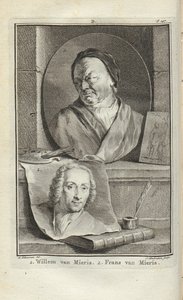
Vilem Van Miris
1662 - 1747 , Holandija
Osnovne informacije
- Artistic Movement Or Style: Fijnschilders
- Artists Or Movements Influenced By This Artist: ['Skulptura klasičnog antičkog doba']
- Artists Who Influenced This Artist:
- Gerard Dou
- Frans van Mieris stariji
- Date Of Birth: Lejden, Holandija (1662)
- Date Of Death: 1747
- Full Name: Willem van Mieris
- Nationality: Holandski
- Notable Artworks:
- Prodavačca živine
- Alegoija prolaznosti
- Place Of Birth: Lejden
Povezani članci
Cornelis van Poelenburch: Bridging Mannerism & the Dutch Baroque Landscape
Discover Cornelis van Poelenburch, a pivotal Dutch Baroque landscape painter bridging Mannerism & Italianate styles. Explore his life, key works, and lasting influence on 17th-century art with ArtsDot.

Dutch Baroque Masters: 10 Paintings That Shaped an Era | ArtsDot
Journey through the Golden Age with our guide to the Top 10 Dutch Baroque masterpieces! Explore iconic paintings by Rembrandt, Vermeer & Frans Hals. Find museum-quality art reproductions and elevate your home decor at ArtsDot.com.

Rembrandt van Rijn: 25 Majstorstava Svetla i Senke za Vaš Dom | ArtsDot
Uronite u svet Rembrandta van Rijna! Otkrijte 25 najlepših dela holandskog majstora – portrete, istorijske scene i biblijska platna. Kvalitetne reprodukcije slika za dekoraciju enterijera dostupne na ArtsDot.com.
Jan van Goyen: Master of Dutch Landscape & Atmospheric Perspective
Discover Jan van Goyen, the master of Dutch landscape painting. Explore his subtle technique, atmospheric realism & lasting influence on art history. Learn about this 17th-century pioneer at ArtsDot.
Jacob van Ruisdael: Master of Dutch Landscape & the Evocation of National Identity
Explore the life & work of Jacob van Ruisdael, the preeminent Dutch landscape painter. Discover his technical brilliance, symbolic depth, and lasting influence on art history. Learn about collecting Ruisdael's masterpieces.

