

 Pregledaj u prostoru
 Pošalji
 Podeli
 Detalji o delu

 Преузми
 Slični predmeti
 Rendgenski snimak
 Slajdovi
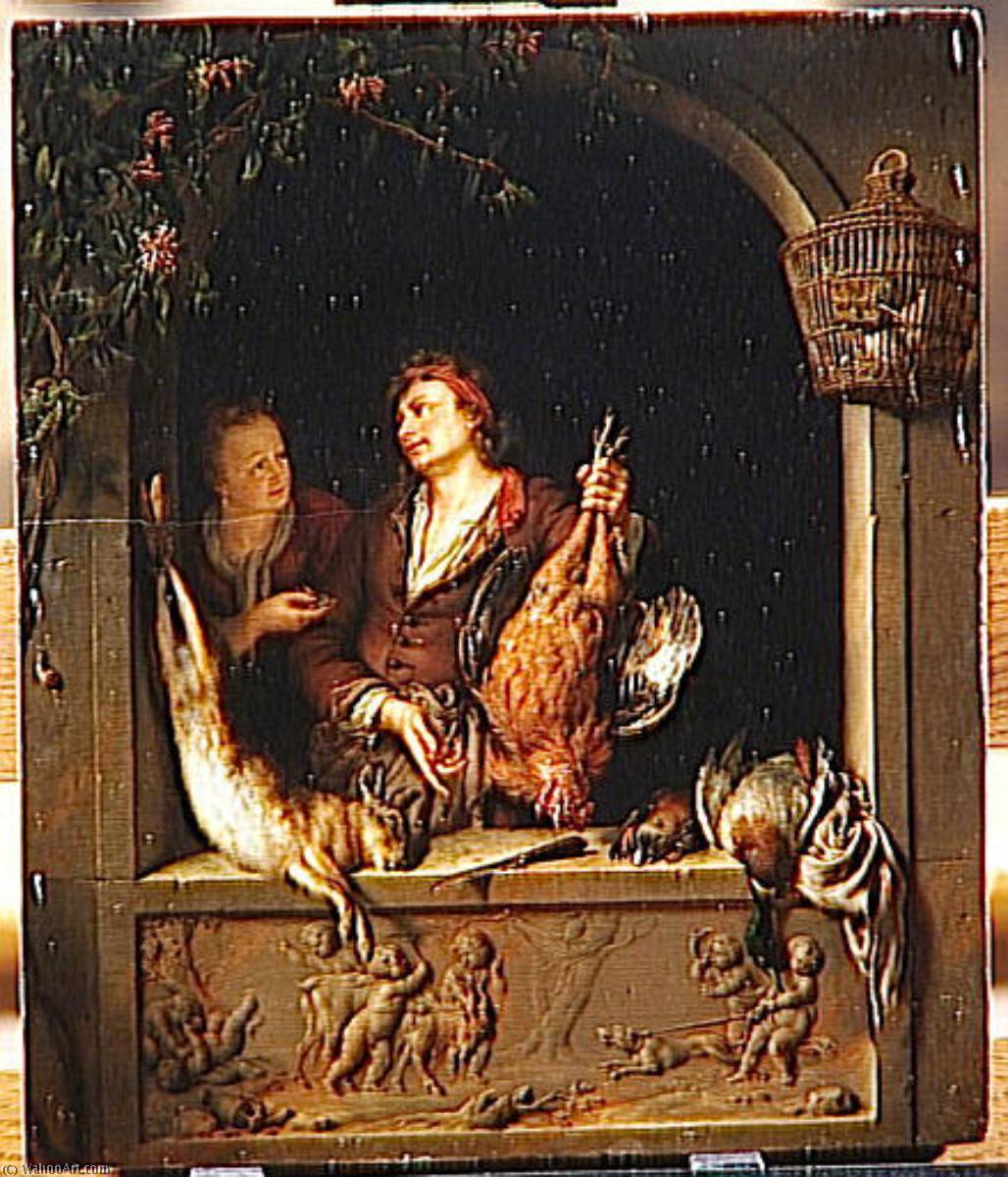
LE MARCHAND DE GIBIER


 Pročitaj više
Giclee štampa / Umetnički otisak
Giclée štampa ili print na platnu muzejskog kvaliteta uz brzu proizvodnju i fleksibilne opcije završne obrade. ( Kupi ručno naslikanu sliku Kupi digitalnu sliku)




P118B $10

P118H $10

P118W $10

P438Z $10

P508JH $12

P508YH $12

P805H $10

P805Z $10

P919BZ $10

P919G $10

P919XJ $10

P959ZH $10

P968JZ $12

W106C $8

W218G $10

W218JH $8

W218Y $10

W307PJ $10

W316G $10

W316PJ $8

W316Y $10

W398PJ $8

W4111J $10

W500HY $15

W500JH $15

W692G $12

W849H $8

W940BG $15

W953PJ $8




Izaberite jednu od naših unapred definisanih veličina koje odgovaraju originalnim proporcijama umetničkog dela.

Možete uneti sopstvene dimenzije kako biste umetničko delo prilagodili specifičnom okviru ili prostoru. Ako odabrani format ne odgovara proporcijama originalne slike, mi ćemo ili iscrtati deo dela ili proširiti sliku pomoću ogledane ivice ili jednobojnog popunjavanja. Digitalni prikaz će vam biti poslat na odobrenje pre početka proizvodnje.
Imajte na umu da pregled na ekranu ne odražava stvarno iscrtavanje ili proširivanje. Samo će prikaz (mockup) precizno pokazati finalnu kompoziciju.
Iako su prilagođene dimenzije dostupne, preporučujemo da odaberete dimenziju sa unapred definisane liste kako biste očuvali originalne proporcije.
Dostava širom sveta () za 2 nedelje umesto uobičajenih 4/5 nedelja. (7 септембар)

Besplatna ekspresna dostava širom sveta

Visokokvalitetno laneno platno

Kompletno osiguranje transporta

Garancija povraćaja carine i uvoznih dažbina

Garancija vernosti boja

Politika povraćaja u roku od 100 dana (isključivo u slučaju nedostataka)

Garancija povrata novca od 100%

Popust pri grupnoj kupovini
 Opcija sa staklom dostupna je samo za dimenzije manje od 110 cm

LE MARCHAND DE GIBIER
Giclee štampa / Umetnički otisak
Dimenzije reprodukcije
-


Konačna cena
$ 62
A Masterpiece of Meticulous Detail
In the quiet, luminous world of Willem van Mieris’s “Le Marchand de Gibier,” we are invited into an intimate corner of the Dutch Golden Age, where every brushstroke serves as a testament to the extraordinary skill of the Leiden fijnschilders. Painted during the early eighteenth century, this work is far more than a mere depiction of a game merchant; it is a breathtaking window into an era defined by prosperity, refinement, and an almost obsessive devotion to realism. As the eye wanders through the composition, one is immediately struck by the sense of profound stillness and the palpable textures that seem to leap from the canvas, inviting the viewer to linger within this exquisitely rendered niche.
The scene unfolds within a shallow, arched space, a compositional choice that creates an intense feeling of intimacy, as if we are peering through a portal into a private moment of commerce. At the heart of this drama are two figures: a merchant engaged in his trade and a companion observing the bounty of the hunt. The arrangement of the subject matter—the plucked chicken, the soft plumage of pheasants, and the sleek form of a hare—serves as a celebration of nature’s abundance. Through the masterful use of natural light, Van Mieris illuminates these elements with a gentle clarity, casting subtle shadows that lend weight and three-dimensionality to the organic forms, making the scene feel both grounded in reality and elevated by artistry.
The Alchemy of Light and Texture
To behold this painting is to witness the pinnacle of Dutch Baroque technique. Van Mieris employs the painstaking method of glazing, layering thin, translucent films of oil paint to achieve a luminous depth that is truly hypnotic. This technical prowess is most evident in the tactile variety presented to the viewer; one can almost feel the velvety softness of the bird feathers, the coarse grain of the stone carvings, and the heavy, woven texture of the figures' garments. The artist’s ability to manipulate light to highlight these contrasting surfaces creates a sensory experience that transcends the visual, making the artwork a triumph of material representation.
The color palette is a sophisticated symphony of warm, earthy tones. Deep browns, rich reds, burnished golds, and muted greens dominate the scene, creating an atmosphere of warmth and stability. These colors do more than just provide realism; they evoke the opulent interiors of the Dutch upper class, where such paintings were prized as symbols of status and cultural sophistication. The interplay between the darker, recessed areas of the niche and the brightly lit subjects creates a dramatic tension, a hallmark of the Baroque style that directs the viewer's gaze with unerring precision toward the central narrative.
A Legacy of Elegance for the Modern Collector
Beyond its technical brilliance, “Le Marchand de Gibier” carries a profound symbolic weight. In the context of the seventeenth and eighteenth centuries, the depiction of game and hunting motifs often served as metaphors for wealth, mastery over the natural world, and the bountiful rewards of a well-ordered society. For the contemporary collector or interior designer, this piece offers much more than historical interest; it provides a focal point of timeless elegance. Its rich textures and warm tones possess a unique ability to anchor a room, adding a layer of historical depth and quiet luxury to any sophisticated space.
Whether displayed in a sunlit gallery or as a centerpiece in a curated study, a high-quality reproduction of this masterpiece brings with it the spirit of the Leiden masters. It is an investment in atmosphere—a way to surround oneself with the enduring beauty of the Dutch Golden Age and the unparalleled craftsmanship of Willem van Mieris. This artwork remains a captivating dialogue between the past and the present, offering an eternal sense of wonder to all who pause to observe its intricate details.
Srodna umetnička dela

Biografija umetnika
Viljem van Miris (1662–1747): Majstor elegantnog detalja
Viljem van Miris (1662–1747) predstavlja ključnu figuru pokreta Leiden fijnschilders, olikavajući sam vrhunac umetničkih ideala holandskog baroka. Rođen u Lejdenu 3. juna 1662. godine, poticao je iz loze duboko utopljene u umetničku tradiciju; njegov otac, Frans van Miris Stari (1635–1elog81), bio je slavni žanrovski slikar koji je stekao neupitnu reputaciju zahvaljujući sposobnosti da na platno prenese najsuptilnije nijanse gornjih slojeva društva. Ovo porodično nasleđe duboko je oblikovalo Viljemove formativne godine i u njemu usadilo nepokolebljivu posvećenost očuvanju oca prestižnog položaja vodećeg lejdensko fijnschildera—obaveza koja će definisati čitavu njegovu umetničku karijeru.- Rano obrazovanje i uticaji:
- Ne može se preuveličati duboki uticaj Fransa van Mirisa Starog na Viljemovu tehniku i estetski senzibilitet. Vođen očevim mentorstvom, Viljem je usavršavao svoje veštine pod pažljivim okom Gerita Doua (1613–1675), majstora kjaroskuroa i pedantnog posmatranja—stilskog pristupa koji će postati sinonim za lejdenske fijnschildere.
Lejdenska tradicija i vizija Pijtera Posta
Umetnička putanja Viljem van Mirisa bila je neraskidivo povezana sa širim intelektualnim strujama njegovog vremena. Uticaj Pijtera Posta (1659–1734), holandskog umetničkog teoretičara i humaniste, pokazao se posebno transformativnim. Post je zastupao ideju da žanrovski slikari treba da prevaziđu puku reprezentaciju—da, naime, uzdignu svoje teme kroz klasične ideale lepote i proporcije. Ovo uverenje podstaklo je Viljemu da pedantno analizira skulpturalna remek-dela antičkog doba, integrišući njihove kompozicione principe u svoje slike.Karijera definisana pokroviteljstvom i umetničkom inovacijom
Viljemov profesionalni život odvijao se u okruženju značajnog umetničkog pokroviteljstva—osigurao je porudžbine od istaknutih ličnosti poput gospođe Ortmans i Pijtera de la Korta van der Vorte, učvrstivši svoju reputaciju kao jednog od najtraženijih umetnika u Lejdenu. Posebno je značajno to što je 1693. godine služio kao dekan Esule Svetog Luke, demonstrirajući ne samo svoju umetničku virtuoznost, već i svoje duboko uključenost u intelektualni i društveni mozaik Lejdena.Stil i tehnika: Potraga za savršenstvom
Prepoznatljiv stil Viljem van Mirisa—karakterisan neprevaziđenom pažnjom posvećenom detalju i majstorskim vladanjem svetlom i senom—predstavljao je vrhunac umetničkih ambicija lejdenskih fijnschildera. Poput svog oca, Viljem je pedantno proučavao dela Gerita Doua, usvajajući njegovu tehniku i stilski pristup. On je vešto prikazivao teksture i površine sa izvanrednom preciznošću, hvatajući suptilne nijanse koje su svojim prisustvom oživljavale njegove motive. Štaviše, često je koristio klasične poze pozajmljene iz skulptura Fransisa van Bosuita—nameran gest usmeren na uzdizanje žanrovskog slikarstva na nivo monumentalne umetnosti.Nasleđe i istorijski značaj
Viljemovo delo obuhvata ogromnu kolekciju žanrovskih scena i portreta koji odražavaju ukuse i senzibilitete njegove ere. Njegove slike nude neprocenjiv uvid u holandsko društvo tokom perioda baroka—prikazujući raskošne enterijere, prefinjene kostime i psihološki oštre prikaze ljudskog karaktera. Viljemov trajni uticaj prevazilazi njegova umetnička dostignuća; on je, zajedno sa Jakobom Toorenvlietom i Karelom de Murom, osnovao Lejdensku akademiju crtanja, negujući novu generaciju umetnika posvećenih očuvanju lejdenske tradicije—nasleđa koje i danas snažno odjekuje u istoriji holandske umetnosti.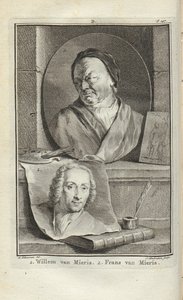
Vilem Van Miris
1662 - 1747 , Holandija
Osnovne informacije
- Artistic Movement Or Style: Fijnschilders
- Artists Or Movements Influenced By This Artist: ['Skulptura klasičnog antičkog doba']
- Artists Who Influenced This Artist:
- Gerard Dou
- Frans van Mieris stariji
- Date Of Birth: Lejden, Holandija (1662)
- Date Of Death: 1747
- Full Name: Willem van Mieris
- Nationality: Holandski
- Notable Artworks:
- Prodavačca živine
- Alegoija prolaznosti
- Place Of Birth: Lejden
Povezani članci

Rembrandt van Rijn: 25 Majstorstava Svetla i Senke za Vaš Dom | ArtsDot
Uronite u svet Rembrandta van Rijna! Otkrijte 25 najlepših dela holandskog majstora – portrete, istorijske scene i biblijska platna. Kvalitetne reprodukcije slika za dekoraciju enterijera dostupne na ArtsDot.com.

Dutch Baroque Masters: 10 Paintings That Shaped an Era | ArtsDot
Journey through the Golden Age with our guide to the Top 10 Dutch Baroque masterpieces! Explore iconic paintings by Rembrandt, Vermeer & Frans Hals. Find museum-quality art reproductions and elevate your home decor at ArtsDot.com.
Pixelated Prestige: Exploring Scarcity, Value, and Cultural Impact in Limited Edition Gaming Paintings
Explore the world of limited edition gaming paintings! Discover investment strategies, artist insights & preservation tips for collectors. Trusted expertise in rare video game art.

Golden Age Reflections: Dutch Baroque Painting & Cultural Innovation
Explore the Dutch Golden Age of painting! Discover key artists like Vermeer & ter Borch, their innovative techniques, and the rich cultural context behind these Baroque masterpieces. Learn about collecting & appreciating this iconic art period.
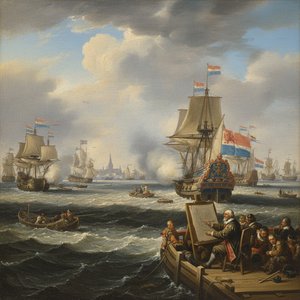
Willem van de Velde the Elder: Master of Maritime Painting & Chronicler of the Dutch Golden Age
Discover the captivating maritime paintings of Willem van de Velde the Elder, a master chronicler of the Dutch Golden Age. Explore his unparalleled realism and lasting influence on naval art history.