 Pregledaj u prostoru
 Pošalji
 Podeli
 Detalji o delu

 Преузми
 Slični predmeti
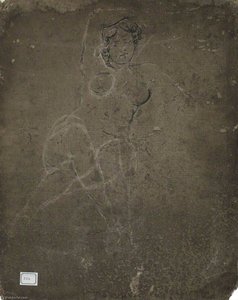
 Rendgenski snimak
 Slajdovi
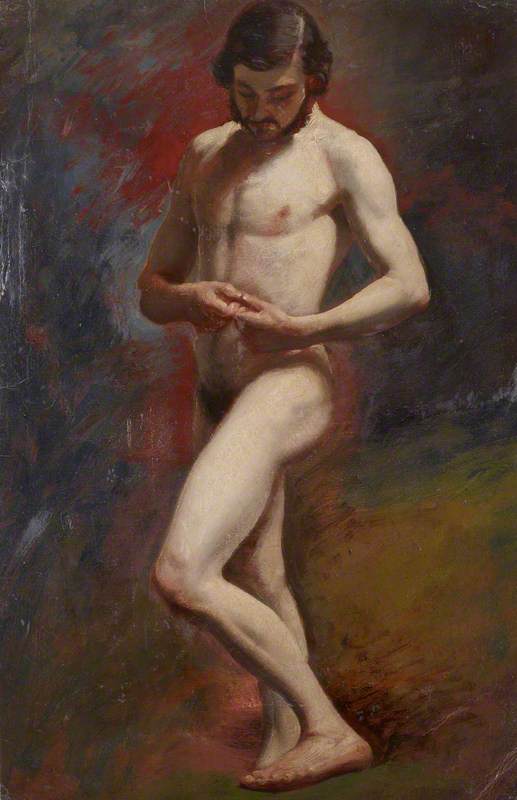
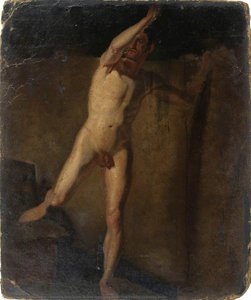
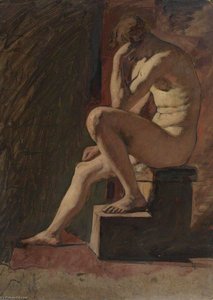
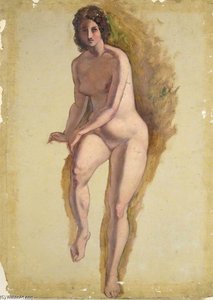
Academic Study of a Male Nude Standing
 Acrylic On Canvas
- WallArt
- Victorian Romanticism
 58.0 x 37.0 cm
 National Trust
 Pročitaj više
Ručno rađena uljana reprodukcija
Ručno oslikano uljanim bojama na platnu u dimenzijama i okviru po vašem izboru, izrađeno po porudžbini od strane naših umetnika. ( Kupi print Kupi digitalnu sliku)




P118B $10

P118H $10

P118W $10

P438Z $10

P508JH $12

P508YH $12

P805H $10

P805Z $10

P919BZ $10

P919G $10

P919XJ $10

P959ZH $10

P968JZ $12

W106C $8

W218G $10

W218JH $8

W218Y $10

W307PJ $10

W316G $10

W316PJ $8

W316Y $10

W398PJ $8

W4111J $10

W500HY $15

W500JH $15

W692G $12

W849H $8

W940BG $15

W953PJ $8




Izaberite jednu od naših unapred definisanih veličina koje odgovaraju originalnim proporcijama umetničkog dela.

Можете унети сопствене димензије како бисте прилагодили дело одређеном оквиру или простору. Ако одабрана величина не одговара пропорцијама оригинала, слика ће бити исечена или проширена додатним елементима који се ручно насликавају. Дигитални prikaz ће вам бити послат на одобрење пре почетка производње.
Имајте на уму да преглед на екрану не одражава стварно исецање или проширење. Само приказ (mockup) ће тачно приказати коначну композицију.
Иако су доступне прилагођене величине, препоручујемо да одаберете димензију из дефинисане листе како бисте сачували оригиналне пропорције.
Nakon narudžbine, tim ArtsDot.com će klijentu putem e-pošte poslati uputstva i dostaviti prikaz predloženog rešenja
Isporuka širom sveta () za 3/4 nedelje umesto uobičajenih 5 nedelja. (21 август). Bez kompromisa po pitanju kvaliteta.

Besplatna ekspresna dostava širom sveta

Visokokvalitetno laneno platno

Kompletno osiguranje transporta

Garancija povraćaja carine i uvoznih dažbina

Garancija vernosti boja

Politika povrata u roku od 60 dana (samo u slučaju nedostataka)

Garancija povrata novca od 100%

Popust pri grupnoj kupovini
 Opcija sa staklom dostupna je samo za dimenzije manje od 110 cm

Academic Study of a Male Nude Standing
Tehnika reprodukcije
Dimenzije reprodukcije
-


Konačna cena
$ 263
Opis umetničkog dela
A Study in Victorian Sensibility: Examining William Etty’s Academic Nude
William Etty, despite not commanding the same immediate fame as his Romantic contemporaries like Turner or Constable, stands as a cornerstone of British art history—specifically within the realm of the nude portrait. Born in York in 1787, into a family involved in baking, Etty's formative years instilled a disciplined practicality that would paradoxically fuel his artistic ambition. His apprenticeship at Hull Printing established a grounding in craftsmanship alongside an unwavering fascination with drawing, ultimately guiding him toward London and the Royal Academy Schools where he honed his skills under Thomas Lawrence’s mentorship. This confluence of influences shaped Etty into an artist profoundly attuned to both observation and emotion—a duality that characterizes much of his oeuvre.- Subject Matter: The painting depicts a male nude figure positioned against a stark red backdrop, emphasizing the vulnerability and physicality inherent in the human form.
- Style: Etty’s style aligns with Academic Painting, prioritizing anatomical accuracy and idealized beauty—a stylistic convention prevalent during Victorian England.
Technique & Material Considerations
Etty's meticulous approach to technique is evident in the detailed rendering of musculature and skin texture. He employed oil paints on canvas, utilizing glazing techniques to achieve subtle tonal variations and luminosity—a hallmark of Victorian artistic practice. The artist’s careful attention to detail speaks volumes about his commitment to capturing the essence of human anatomy with scientific precision while simultaneously conveying a sense of profound contemplation. Furthermore, the deliberate choice of red as a background color isn't merely decorative; it serves to heighten visual impact and symbolically represents passion and vitality—elements frequently explored in Victorian art.Historical Context & Artistic Significance
The painting emerged during a period marked by significant societal shifts concerning representations of the human nude. While Romantic artists championed expressive emotion and dramatic gesture, Etty’s work embraced a more restrained aesthetic rooted in classical ideals. This stylistic divergence reflects broader debates about artistic purpose—was art meant to inspire awe or to cultivate moral contemplation? Etty's insistence on anatomical correctness positioned him as a champion of scientific observation within the artistic community, challenging prevailing notions of beauty and prompting viewers to consider the complexities of human experience.Symbolism & Emotional Resonance
Beyond its technical merits, “Academic Study of a Male Nude Standing” resonates with deeper symbolic meanings. The pose itself—one foot raised—suggests both physical strength and intellectual curiosity—mirroring Etty’s own character and reflecting Victorian anxieties about masculinity and self-control. The gaze downward at the hand embodies introspection and an awareness of one's own physicality, inviting viewers to contemplate themes of vulnerability and contemplation. Ultimately, Etty’s masterpiece transcends mere visual representation; it encapsulates a nuanced understanding of human psychology and embodies the spirit of its time—a testament to his enduring artistic legacy.Srodna umetnička dela
Biografija umetnika
A Pioneer of the British Nude: The Life and Art of William Etty
William Etty, a name perhaps less instantly recognizable than his contemporaries like Turner or Constable, nevertheless occupies a pivotal position in 19th-century British art. Born in York on March 10, 1787, above his father’s bakery, Etty's journey from humble beginnings to Royal Academician was one marked by relentless dedication, artistic innovation, and no small measure of controversy. His early life offered little indication of the path he would forge. Apprenticed at age twelve to a printer in Hull, seven years were spent immersed in the practicalities of typography – a world far removed from the canvases that would eventually bear his signature. Yet, even amidst the mechanical demands of printmaking, Etty nurtured a burgeoning passion for drawing, an impulse that ultimately propelled him towards London and the hallowed halls of the Royal Academy Schools in 1807. There, under the tutelage of Thomas Lawrence, he honed his skills through diligent copying, laying the foundation for a career defined by masterful depictions of the human form.The Rise to Prominence: Nudes and Controversy
Etty’s breakthrough arrived in 1821 with Cleopatra's Arrival in Cilicia, a painting that immediately ignited both admiration and scandal. The work, teeming with nude figures, was exhibited to widespread acclaim, yet simultaneously earned him a reputation for indecency. This duality would become a defining characteristic of his career. He wasn’t merely depicting nudity; he was exploring the human form with an unprecedented realism and anatomical precision for a British artist of that era. His commitment to accurately rendering flesh tones, light, and shadow – influenced by his study of Venetian masters like Titian and Rubens during travels in Italy and France – set him apart. He continued to produce historical scenes populated with nudes, often drawn from classical mythology or literature, such as The Sirens and Ulysses. These works were commercially successful, allowing Etty to thrive despite the constant criticism leveled against his subject matter. In 1828, he was elected a Royal Academician, solidifying his position within the established art world, even as whispers of impropriety followed him. The sheer audacity of portraying the human body with such unflinching honesty challenged Victorian sensibilities and cemented Etty’s legacy as a provocateur who dared to confront societal norms.Beyond the Nude: Portraits and Still Life
While Etty is most celebrated for his nudes, his artistic range extended beyond this controversial domain. Recognizing the need to broaden his appeal – and perhaps secure a more stable income – he ventured into portraiture during the 1830s. Though not as groundbreaking as his figure paintings, these portraits demonstrate his technical skill and ability to capture character. Furthermore, Etty became one of the first English painters to seriously engage with still life, demonstrating an eye for detail and a sensitivity to texture that rivaled the Dutch masters he admired. This diversification reveals a pragmatic side to Etty’s artistic practice, a willingness to adapt to market demands while remaining true to his core aesthetic principles. He continued, however, to return to the nude form throughout his life, driven by an unwavering fascination with its beauty and expressive potential. His meticulous anatomical studies informed both his nudes and portraits alike, underscoring his dedication to mastering the art of representation.Influences and Artistic Style
Etty’s artistic vision was profoundly shaped by the masters of Venetian painting – Titian and Rubens – whom he encountered during his formative years in Italy and France. These artists championed dramatic lighting and expressive color palettes, techniques that Etty skillfully adopted into his own work. He meticulously dissected cadavers to achieve unparalleled anatomical accuracy, a practice considered unorthodox for its time but crucial to his artistic endeavors. Like many Romantic painters, Etty sought to convey emotion and psychological depth through his compositions, prioritizing atmosphere and gesture over mere visual representation. His canvases pulsate with energy, capturing fleeting moments of human experience with remarkable immediacy. The influence of Rembrandt’s chiaroscuro – the dramatic interplay between light and dark – is evident in numerous paintings, contributing to their haunting beauty and emotional resonance.Legacy and Rediscovery
William Etty died in York on November 13, 1849, leaving behind a substantial body of work that initially enjoyed considerable popularity. However, tastes shifted in the decades following his death, and his paintings fell into relative obscurity. By the late 19th century, his once-celebrated works were largely forgotten, dismissed as outdated or simply too shocking for Victorian sensibilities. A remarkable rediscovery began in the early 21st century. His inclusion in Tate Britain’s landmark Exposed: The Victorian Nude exhibition (2001–2002) sparked renewed interest in his art, prompting critical reevaluation and a reassessment of his place in British art history. The restoration of The Sirens and Ulysses in 2010 further cemented this revival, revealing the brilliance of his technique and the enduring power of his vision. Today, William Etty is recognized as a pioneering figure who challenged artistic conventions, celebrated the human form with unparalleled realism, and left an indelible mark on the landscape of British art. His works stand as testaments to his skill, dedication, and unwavering commitment to capturing the beauty and complexity of the human experience.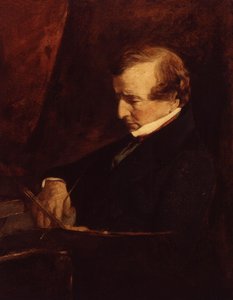
Vilijam Eti
1787 - 1849 , Велика Британија
Osnovne informacije
- Datum Rođenja: 10. mart 1787.
- Datum Smrti: 13. novembar 1849.
- Mesto Rođenja: York, Ujedinjeno Kraljevstvo
- Nacionalnost: Britanski
- Puno Ime: William Etty
- Umetnički Pokret: Romantizam
- Značajna Dela: ['Kleopatra”, “Sirene i Ulises”, "Ženski akt"],\n "Uticajni umetnici": ["Thomas Lawrence"]\n}']
Povezani članci
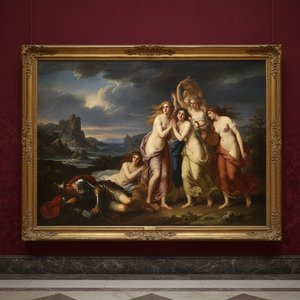
William Etty: Rediscovering Victorian Sensibility & the Sublime in Historical Painting
Explore the captivating world of William Etty, a pioneering Victorian artist famed for his dramatic historical paintings and groundbreaking nude figures. Discover his life, controversial reception, and enduring legacy with our expert analysis.
Crimson Threads of Narrative: Exploring Symbolism & Representation in Artworks Featuring the Red Dress
Explore the rich symbolism of the red dress in art history! From ancient power displays to iconic portraits like Cézanne’s 'Madame Cezanne', discover the cultural and artistic significance behind this captivating color. Expert analysis & insights.
The Enduring Allure of the Nude: A Historical & Artistic Exploration of the Human Form
Explore the captivating history of nude art! Discover iconic paintings & artists from classical to modern eras. Uncover symbolism, techniques & find museum-quality reproductions at ArtsDot.
Academic Realism's Finest: 10 Masterpieces for Art Lovers & Home Decor
Explore 10 defining Academic Realism masterpieces by Bouguereau, Gérôme & Cabanel. Discover the stories behind these iconic paintings and bring timeless art into your home with museum-quality reproductions from ArtsDot.com. Explore the full collection online!
William Powell Frith: Narratives of Victorian Society & the Rise of Realist Painting
Explore the life & works of William Powell Frith, the 'greatest British painter of social scenes.' Discover his iconic Victorian genre paintings and learn about his lasting impact on realist art. Hand-painted reproductions available.