

 Pregledaj u prostoru
 Pošalji
 Podeli
 Detalji o delu

 Преузми
 Slični predmeti
 Rendgenski snimak
 Slajdovi
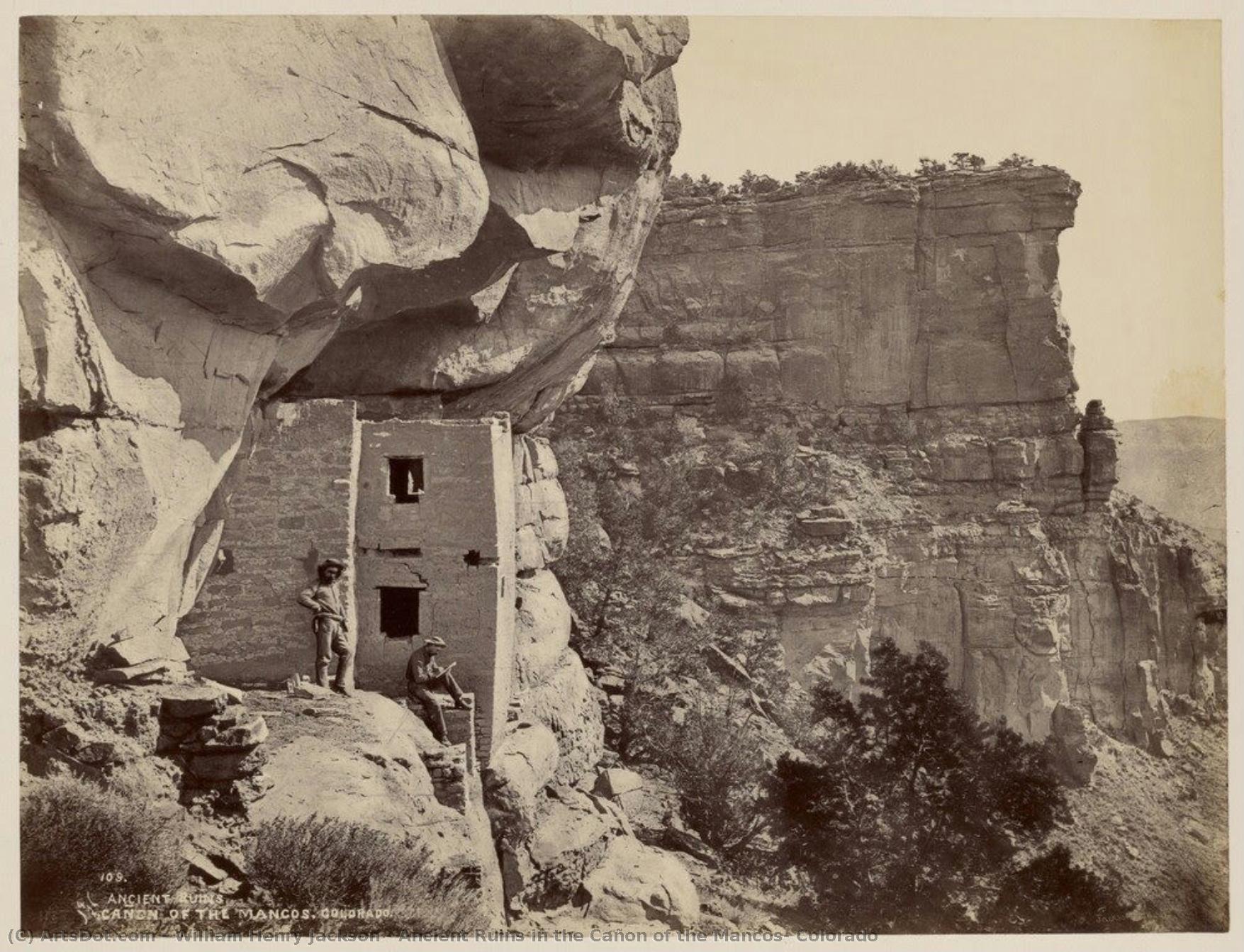
Ancient Ruins in the Cañon of the Mancos, Colorado
 Acrylic On Canvas
- WallArt
- American Luminist Landscape
 1874
1874 25.0 x 33.0 cm
 J. Paul Getty Museum
 Pročitaj više
Giclee štampa / Umetnički otisak
Giclée štampa ili print na platnu muzejskog kvaliteta uz brzu proizvodnju i fleksibilne opcije završne obrade. ( Kupi ručno naslikanu sliku Kupi digitalnu sliku)




P118B $10

P118H $10

P118W $10

P438Z $10

P508JH $12

P508YH $12

P805H $10

P805Z $10

P919BZ $10

P919G $10

P919XJ $10

P959ZH $10

P968JZ $12

W106C $8

W218G $10

W218JH $8

W218Y $10

W307PJ $10

W316G $10

W316PJ $8

W316Y $10

W398PJ $8

W4111J $10

W500HY $15

W500JH $15

W692G $12

W849H $8

W940BG $15

W953PJ $8




Izaberite jednu od naših unapred definisanih veličina koje odgovaraju originalnim proporcijama umetničkog dela.

Možete uneti sopstvene dimenzije kako biste umetničko delo prilagodili specifičnom okviru ili prostoru. Ako odabrani format ne odgovara proporcijama originalne slike, mi ćemo ili iscrtati deo dela ili proširiti sliku pomoću ogledane ivice ili jednobojnog popunjavanja. Digitalni prikaz će vam biti poslat na odobrenje pre početka proizvodnje.
Imajte na umu da pregled na ekranu ne odražava stvarno iscrtavanje ili proširivanje. Samo će prikaz (mockup) precizno pokazati finalnu kompoziciju.
Iako su prilagođene dimenzije dostupne, preporučujemo da odaberete dimenziju sa unapred definisane liste kako biste očuvali originalne proporcije.
Dostava širom sveta () za 2 nedelje umesto uobičajenih 4/5 nedelja. (31 август)

Besplatna ekspresna dostava širom sveta

Visokokvalitetno laneno platno

Kompletno osiguranje transporta

Garancija povraćaja carine i uvoznih dažbina

Garancija vernosti boja

Politika povrata u roku od 60 dana (samo u slučaju nedostataka)

Garancija povrata novca od 100%

Popust pri grupnoj kupovini
 Opcija sa staklom dostupna je samo za dimenzije manje od 110 cm

Ancient Ruins in the Cañon of the Mancos, Colorado
Giclee štampa / Umetnički otisak
Dimenzije reprodukcije
-


Konačna cena
$ 62
Ancient Ruins in the Cañon of the Mancos – A Window Into Colorado’s Past
The photograph “Ancient Ruins in the Cañon of the Mancos,” executed by William Henry Jackson in 1874, stands as a cornerstone of American landscape photography and a poignant testament to the burgeoning fascination with prehistoric cultures during the late Victorian era. Captured amidst the dramatic sandstone formations of Mesa Verde National Park, this albumen silver print transcends mere documentation; it’s an immersive experience into a bygone epoch, imbued with both scientific observation and artistic sensitivity. Jackson's meticulous approach—characteristic of his broader project documenting the American West for the Geological Survey—involved careful composition and painstaking printing techniques. He skillfully positioned himself to capture the grandeur of the canyon walls bathed in soft afternoon light, emphasizing textures and contours that convey a palpable sense of scale and timelessness. The resulting image reveals a small stone building perched atop a prominent rock outcrop, populated by figures observing the ruins – likely surveyors or explorers eager to record this remarkable site. The photograph’s monochrome palette—a hallmark of Luminist painting—amplifies its emotional resonance. Absence of color lends itself powerfully to conveying mood and atmosphere, highlighting the solemn beauty of the ancient landscape and inviting contemplation about the passage of time. The subtle tonal variations within the print capture nuances of light and shadow, creating depth and dimensionality that draw the viewer into the scene. Jackson’s masterful use of printing techniques—particularly dodging and burning—further enhances these effects, sculpting highlights and shadows to accentuate the textures of the stone building and canyon walls. Beyond its aesthetic qualities, “Ancient Ruins in the Cañon of the Mancos” holds significant historical importance. It represents one of the earliest visual records of Mesa Verde’s cliff dwellings – a UNESCO World Heritage Site—and played a crucial role in shaping public understanding of Native American history. Jackson's work coincided with a period of intense debate regarding the origins and cultural significance of Southwestern ruins, fueled by burgeoning archaeological discoveries. The photograph served as an invaluable tool for disseminating scientific knowledge alongside artistic impressions, contributing to the growing appreciation for the region’s prehistoric heritage. Furthermore, the image speaks to broader themes of exploration, discovery, and humanity's relationship with the natural world. It embodies the spirit of adventure that defined the American West during the late 19th century—a quest to chart uncharted territories and unravel mysteries hidden within the landscape. The presence of human figures amidst the ruins underscores our inherent desire to connect with past civilizations and contemplate our place in the grand sweep of geological time. “Ancient Ruins in the Cañon of the Mancos” remains a captivating visual narrative, inviting viewers to immerse themselves in the beauty and complexity of Colorado’s ancient history.Srodna umetnička dela

![[ibsamboul. Spéos De Phré] — John Beasley Greene, Romanticism](/media/artworks/images-thumb/4f/d0/4fd07465fdfae392a7dc1f60ce3242d5.jpg)
Biografija umetnika
early life and career
william henry jackson, an american photographer, civil war veteran, painter, and explorer, was born on april 4, 1843, in keeseville, new york. he was the first of seven children to george hallock jackson and harriet maria allen. jackson's early life was marked by his service in the american civil war for nine months, including the battle of gettysburg.artistic journey
after the war, jackson became a skilled artist, capturing the essence of american pre-civil war visual arts. in 1866, he traveled west to great salt lake as a bullwhacker on the oregon trail. he settled in omaha in 1867 and entered the photography business. in 1869, he joined the union pacific to document scenery along railroad routes for promotional purposes.notable contributions
* the tower of babel, garden of the gods (amon carter museum of american art, fort worth, united states), a photograph showcasing his skill in capturing the american west. * ute tepee. los pinos agency (amon carter museum of american art, fort worth, united states), another notable photograph that highlights his work with native american communities. * ancient ruins in the cañon of the mancos, colorado (j. paul getty museum, los angeles, united states), a print that demonstrates his ability to capture the beauty of the american landscape.museums and collections
jackson's work can be found in various museums across the united states, including:- amon carter museum of american art (fort worth, texas)
- j. paul getty museum (los angeles, california)
legacy and impact
jackson's work not only captured the essence of the american west but also contributed to the development of photography as an art form. his photographs continue to be celebrated for their historical significance and aesthetic value.- explore more of william henry jackson's work on ArtsDot
- discover the mona lisa (la gioconda), a masterpiece by leonardo da vinci
- learn about the african-american history and its significance in american culture.
conclusion
william henry jackson's life was a testament to his perseverance and passion for art. through his photographs, he captured the spirit of the american west, leaving an indelible mark on the world of photography and art.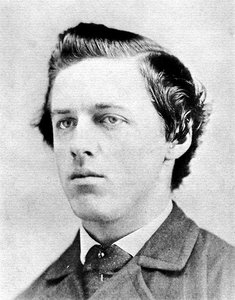
William Henry Jackson
1843 - 1942 , United States of America
Osnovne informacije
- Artistic Movement Or Style: Romantic Landscape Painting
- Artists Or Movements Influenced By This Artist: ['Hudson River School']
- Artists Who Influenced This Artist: ['George Hallock Jackson']
- Date Of Birth: April 4, 1843
- Date Of Death: 1942
- Full Name: William Henry Jackson
- Nationality: American
- Notable Artworks:
- Tower of Babel
- UTE Tepee
- Place Of Birth: Keswick, United States
Povezani članci

Henri Matisse: 25 Remek-dela koji definišu boju i modernu umetnost | ArtsDot
Uronite u svet Henri Matissea! Istražite 25 remek-dela Fauvizma i moderne umetnosti. Otkrijte priče iza slika, tehnike i inspiraciju slavnog francuskog slikara. Reprodukcije vrhunskog kvaliteta dostupne na ArtsDot.com.
Frederick William Jackson: Capturing the American West Through Luminist Vision & Narrative Detail
Explore the captivating works of Frederick William Jackson, a pioneer of Western realism & Luminist painting. Discover his atmospheric landscapes, depictions of Native American life, and lasting legacy. Learn more at ArtsDot.
William Henry Hunt: Luminosity & Detail in Early 19th-Century Watercolour Painting
Explore the captivating watercolour paintings of William Henry Hunt (1790-1864). Discover his mastery of naturalistic detail, luminous technique & influence on 19th-century art. Learn about collecting Hunt's work and its enduring value.
William Henry Pyne: A Topographical Vision of Early 19th-Century England – Art, Society & Watercolour's Rise
Explore the captivating world of William Henry Pyne (1769-1843), a key figure in early 19th-century English art. Discover his stunning watercolours, architectural studies & contribution to the rise of watercolour painting. Learn about this fascinating artist's life and legacy.
William Henry Hope: Illuminating American Genre Painting Through Luminosity & Narrative
Explore the captivating landscapes & genre scenes of William Henry Hope, a pivotal Canadian artist. Discover his mastery of light, realism, and narrative in this insightful guide. Learn about collecting his work & its place in art history.

