

 Pošalji
 Podeli
 Detalji o delu

 Преузми
 Slični predmeti
 Slajdovi
 Statistika
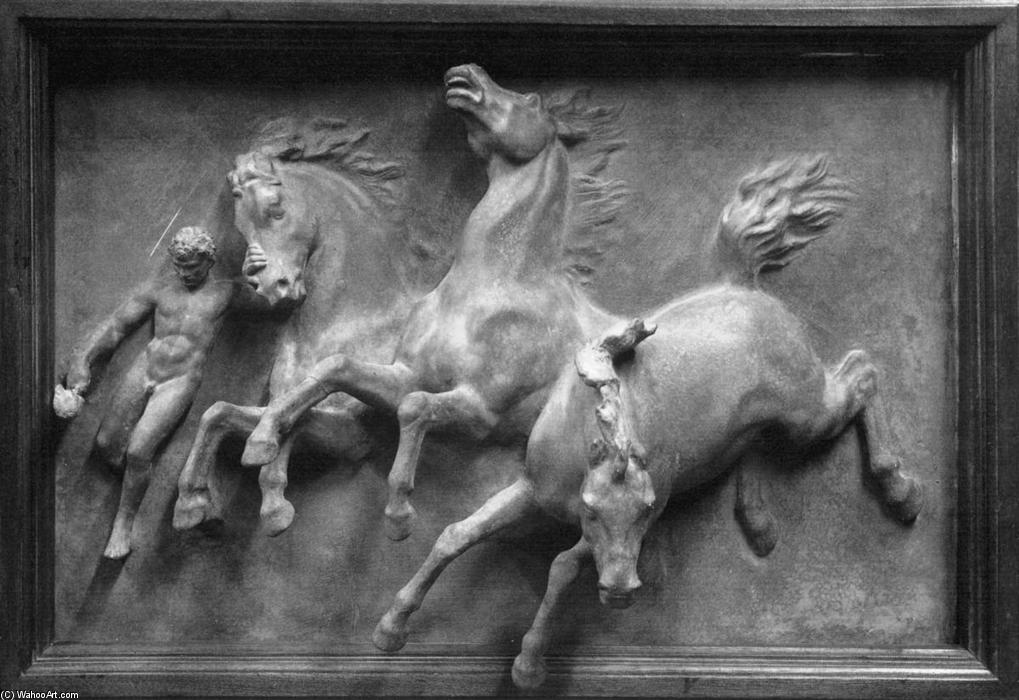
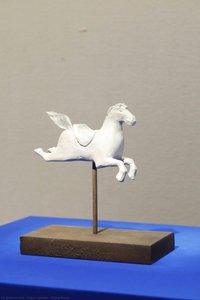
The Horses of Anahita or The Flight of Night
 Plaster
- Sculpture
- Neoclassicism/Romanticism
 1848
1848- 19th Century
 47.0 x 72.0 cm
 Metropolitan Museum of Art
 Pročitaj više
Ručno rađena uljana reprodukcija
Ručno oslikano uljanim bojama na platnu u dimenzijama i okviru po vašem izboru, izrađeno po porudžbini od strane naših umetnika. ( Pređi na štampu Pređi na digitalnu sliku)




































Izaberite jednu od naših unapred definisanih veličina koje odgovaraju originalnim proporcijama umetničkog dela.

Можете унети сопствене димензије како бисте прилагодили дело одређеном оквиру или простору. Ако одабрана величина не одговара пропорцијама оригинала, слика ће бити исечена или проширена додатним елементима који се ручно насликавају. Дигитални prikaz ће вам бити послат на одобрење пре почетка производње.
Имајте на уму да преглед на екрану не одражава стварно исецање или проширење. Само приказ (mockup) ће тачно приказати коначну композицију.
Иако су доступне прилагођене величине, препоручујемо да одаберете димензију из дефинисане листе како бисте сачували оригиналне пропорције.
Nakon narudžbine, tim ArtsDot.com će klijentu putem e-pošte poslati uputstva i dostaviti prikaz predloženog rešenja
Isporuka širom sveta () za 3/4 nedelje umesto uobičajenih 5 nedelja. (8 септембар). Bez kompromisa po pitanju kvaliteta.

Besplatna ekspresna dostava širom sveta

Visokokvalitetno laneno platno

Kompletno osiguranje transporta

Garancija povraćaja carine i uvoznih dažbina

Garancija vernosti boja

Politika povraćaja u roku od 100 dana (isključivo u slučaju nedostataka)

Garancija povrata novca od 100%

Popust pri grupnoj kupovini
 Opcija sa staklom dostupna je samo za dimenzije manje od 110 cm

The Horses of Anahita or The Flight of Night
Tehnika reprodukcije
Dimenzije reprodukcije
-


Konačna cena
$ 263
A Dance of Power and Night: William Morris Hunt’s “The Horses of Anahita”
William Morris Hunt's "The Horses of Anahita or The Flight of Night," painted in 1848, isn’t merely a depiction of galloping horses; it’s a visceral embodiment of primal energy and the interplay between darkness and light. This remarkable plaster relief sculpture, now meticulously reproduced, transports us to a realm where mythic forces collide with raw, untamed power. Hunt, a pivotal figure in establishing American Barbizon painting—a movement deeply influenced by the French masters—crafted this work as an exploration of the Persian goddess Anahita, associated with both the moon and the night, and her dominion over the encroaching darkness. The sculpture’s dynamism immediately commands attention; three magnificent horses surge forward, their musculature taut, manes streaming, and tails whipping through the air – a whirlwind of movement frozen in time.
The piece's aesthetic is firmly rooted in Neoclassicism, yet infused with a Romantic sensibility. Hunt’s meticulous study of classical sculpture, particularly the works of Michelangelo, is evident in the idealized forms of the horses and their powerful stances. However, he departs from strict adherence to idealization, imbuing them with an almost frenzied energy—a characteristic that distinguishes his work from purely academic representations. The muted color palette – primarily shades of gray and white – contributes significantly to this effect, creating a sense of timelessness and emphasizing the sculptural form itself. The subtle variations in texture, achieved through careful carving, mimic the roughness of the material while simultaneously highlighting its polished surfaces, adding depth and visual interest.
Decoding Symbolism: Horses, Myth, and the Divine Feminine
Beyond their immediate visual impact, “The Horses of Anahita” is rich in symbolic meaning. The horses themselves are potent symbols – representing speed, strength, freedom, and even wildness. Their association with Anahita, a goddess revered for her fertility and connection to water, adds another layer of complexity. In Persian mythology, Anahita embodies both the nurturing aspects of motherhood and the darker forces of the night. Hunt’s sculpture captures this duality perfectly: the horses are simultaneously powerful and vulnerable, suggesting a struggle between opposing forces. The inclusion of a human figure on the left side, holding aloft a torch, further reinforces this narrative—a guardian attempting to hold back the encroaching darkness, or perhaps, to guide the horses towards a brighter future.
The choice of depicting three horses is also significant. Triads are frequently used in mythology and symbolism to represent completeness, balance, and harmony. Here, they could symbolize the three phases of the moon, or perhaps the three aspects of Anahita’s divine nature. The dynamic composition—the diagonal thrust of the horses—creates a sense of urgency and movement, as if the scene is unfolding before our eyes. The sculpture invites contemplation on themes of power, destiny, and the eternal struggle between light and darkness.
Craftsmanship and Technique: A Masterclass in Relief Sculpture
“The Horses of Anahita” showcases Hunt’s exceptional skill as a sculptor. The relief carving technique—where the design is raised from a flat background surface—is executed with remarkable precision and detail. Each muscle, each vein, each strand of hair is meticulously rendered, creating an illusion of three-dimensionality that is both captivating and convincing. The use of plaster, a material favored by Hunt for its versatility and ability to capture subtle textures, allows for a nuanced range of tones and shading. The artist skillfully manipulates light and shadow to enhance the sense of depth and volume, drawing the viewer’s eye into the heart of the composition.
The sculpture's scale—47 x 72 cm—is perfectly proportioned, allowing it to command attention without overwhelming its surroundings. The smooth, polished surface contrasts beautifully with the rough texture of the plaster, creating a tactile and visually stimulating experience. It’s a testament to Hunt’s mastery that this relatively small work possesses such a monumental presence.
A Timeless Legacy: Reproduction and Artistic Inspiration
Today, “The Horses of Anahita” continues to resonate with viewers across generations. William Morris Hunt's influence on American art is undeniable, and his pioneering spirit paved the way for future generations of artists. Reproductions of this iconic sculpture offer a remarkable opportunity to experience its beauty and power firsthand, bringing its evocative imagery into homes and galleries worldwide. Whether you’re an art enthusiast, a collector seeking a statement piece, or simply someone drawn to the allure of mythology and masterful craftsmanship, “The Horses of Anahita” remains a timeless treasure—a celebration of artistic skill, symbolic depth, and the enduring power of the human imagination.
Srodna umetnička dela

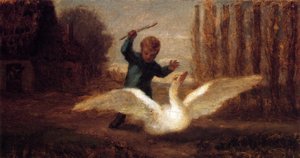
Biografija umetnika
Pionir američkog barbizon de stilom
Viljam Moris Hant, rođen u Bretelboru u Vermontu 1824. godine, predstavlja ključnu figuru u razvoju američke umetnosti tokom 19. veka. On nije bio samo slikar; bio je zagovornik, edukator i katalizator koji je na američkom tlu zastupao principe Barbizon škole. Hantovo poreklo odražavalo je kako utvrđene društvene korene – njegov otac je poticao od osnivača Vermonta, dok je njegova majka pripadala bogatoj porodici iz Kentuka – tako i bujaju umetničku senzibilitet koji će na kraju redefinisati pejzaž američkog slikarstva. Njegov rani život obeležen je privilegijama, ali i početnim potiskivanjem kreativnih nagona, što je ispravljeno kada je njegova odlučna majka, Džejn Livit Hant, prkosila konvencijama i preselila porodicu u Evropu u potrazi za odgovarajućim umetničkim obrazovanjem za svoju decu. Ovaj hrabri potez postavio je temelje za Hantov duboki susret sa evropskim majstorima i na kraju oblikovao njegov prepoznatljiv stil.Formativne godine u Francuskoj: Milje i Barbizon krug
Hantovo formalno obrazovanje počelo je kod Tomasa Kuture u Parizu, gde je stekao temelje klasičnih tehnika. Ipak, upravo je susret na Pariskom salonu 1851. godine neopovratno izmenio njegov umetnički put. Miljeovo delo Semač duboko je odjeknulo u Hantu, izazvavši snažnu promenu u njegovim estetskim osećanjima. Napustio je kruta ograničenja akademskog slikarstva i upustio se u dvogodišnji period direktnog proučavanja sa Miljeom u Barbizonu. Ova uranjanje u srce Barbizon škole pokazalo se transformativnim. Naglasak na slikanju na otvorenom – radu direktno iz prirode – i posvećenost prikazivanju ruralnog života sa iskrenošću i realizmom postali su kamenovi Hantove umetničkog filozofije. On nije samo upijao Miljeov tehnički pristup, već i njegovo duboko poštovanje prema dostojanstvu rada i lepoti koja je inherentna svakodnevnom postojanju. Istoričar Dejvid Makolok primetio je da je ovo francusko obezbeđivanje značajno unapredilo Hantov razvoj, dok je S.G.W. Bendžamin prepoznao njegovu ulogu u usmeravanju mlađih američkih umetnika ka Parizu i Minhenu, podstičući novu odvažnost u tehnici i stilu.Povratak u Ameriku: Portret i pejzaž
Nakon povratka u Sjedinjene Države 1855. godine, nakon venčanja sa Luiz Dumaresk Perkins, Hant se etablirao kao istaknuti umetnik u Bostonu. Iako je postigao značajan uspeh kao portretista – beležeći likove značajnih ličnosti poput Vilijama M. Evertsa, Čarlsa Francisa Adamsa i senatora Čarlsa Samnera – slikanje pejzaža ostalo je centralno za njegov umetnički identitet. Njegovi pejzaži su odražavali uticaj Barbizon škole: slobodniji potezi četkicom, realistični prikazi ruralnih scena i oštra senzibilitet prema atmosferskim efektima. On nije jednostavno reprodukovao prirodu; nastojao je da uhvati njenu suštinu, njeno raspoloženje i njene prolazne trenutke lepote. Značajna dela iz ovog perioda uključuju Kasno dete, Devojka na fontani, Dečak sa ručnim orguljama, Pogled na reku Sent Džons (1874), Žena sa kravom (1874) i Nijagra (1878). Međutim, tragedija je pogodila umetnika 1872. godine kada je Veliki požar u Bostonu uništio mnoge njegove slike, zajedno sa vrednom kolekcijom francuske umetnosti, uključujući i njegov dragoceni primerak Miljeovog dela Semač.Kasne godine, nasleđe i umetnička filozofija
Uprkos ovom razornom gubitku, Hant je nastavio da slika, prihvatajući narudžbine za murale u Državnom kapitolu u Albani, u Njujorku. Ovi alegorijski prizori su, nažalost, brzo propadali zbog loše instalacije, što je doprinelo periodu dubokog razočaranja i depresije. Ovo iskustvo je naglasilo njegovu posvećenost umetničkom integritetu i važnost odgovarajućih materijala i izvedbe. Godine 1878. objavio je Razgovori o umetnosti, zbirku eseja koja je artikulisala njegovu umetničku filozofiju i dobila široku priznatost. Hantovo nasleđe prevazilazi njegove sopstvene slike. Bio je posvećen učitelj koji je podsticao mlađe umetnike da prihvate realizam i slikanje na otvorenom, ostavljajući neizbrisiv trag u razvoju američke umetnosti. Zastupao je preokret od akademskih konvencija ka direktnijem i iskrenijem susretu sa prirodom, negujući jedinstven američki umetnički glas. Njegov uticaj se može videti u radu bezbrojnih umetnika koji su došli posle njega, učvršćujući njegov položaj vodeće figure u američkom barbizon pokretu i pravog pionira modernog slikarstva. On ostaje važna karika između evropskih tradicija i bujajućeg umetničkog identiteta Amerike 19. veka.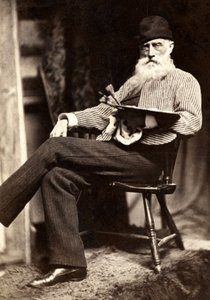
Viljam Moris Hant
1824 - 1879 , Sjedinjene Američke Države
Osnovne informacije
- Artistic Movement Or Style: Barbizon škola
- Artists Or Movements Influenced By This Artist: ['Američki Barbizon slikari']
- Artists Who Influenced This Artist:
- Jean-François Millet
- Thomas Couture
- Date Of Birth: 1824
- Date Of Death: 1879
- Full Name: William Morris Hunt
- Nationality: Američka
- Notable Artworks:
- The Belated Kid
- Girl at the Fountain
- Hurdy-Gurdy Boy
- Pogled na reku St. Johns
- Žena sa kravom
- Niagara Falls
- Place Of Birth: Brattleboro, SAD
Povezani članci
The Noble Steed on Canvas: A Historical & Artistic Exploration of Horse Painting Across Cultures
Explore the rich history of horse painting! Discover masterpieces from Stubbs to Munnings & learn about symbolism, techniques & artists. Find museum-quality reproductions at ArtsDot.
William Henry Hunt: Luminosity & Detail in Early 19th-Century Watercolour Painting
Explore the captivating watercolour paintings of William Henry Hunt (1790-1864). Discover his mastery of naturalistic detail, luminous technique & influence on 19th-century art. Learn about collecting Hunt's work and its enduring value.
The Noble Steed: A Historical and Artistic Exploration of Horses in Fine Art
Explore the rich history of horses in fine art! From ancient depictions to Renaissance masterpieces & beyond, discover iconic artworks and artists. Learn about symbolism, techniques, and find museum-quality reproductions at ArtsDot.
The Equine Muse: A Historical & Artistic Exploration of Horses in Painting
Explore the captivating history of horses in painting! Discover Renaissance masterpieces, Baroque grandeur & expert insights for collecting equestrian art. Learn about symbolism, techniques & lasting value with ArtsDot.
The Pursuit of Power & Prestige: Hunting Scenes in Western Art
Explore the rich history of hunting scenes in Western art, from royal pursuits to powerful allegories. Discover masterpieces & expert insights for discerning collectors. ArtsDot offers museum-quality reproductions.