

 Pregledaj u prostoru
 Pošalji
 Podeli
 Detalji o delu

 Преузми
 Slični predmeti
 Rendgenski snimak
 Slajdovi
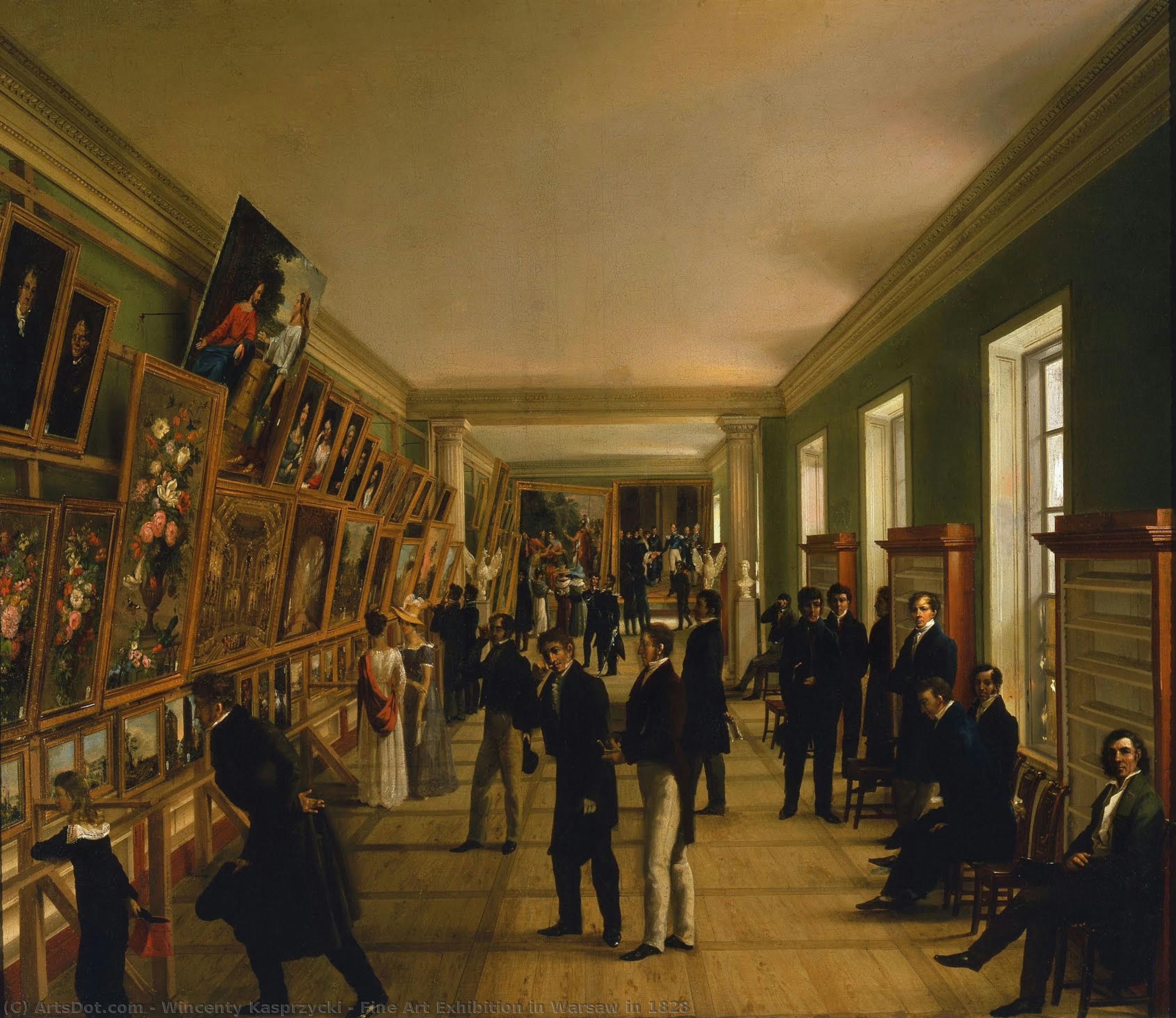
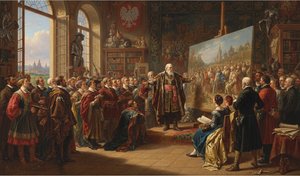
Fine Art Exhibition in Warsaw in 1828
 Oil
Oil- WallArt
- Warsaw Classicism
 19th Century
 111.0 x 94.0 cm
 Narodni muzej u Varšavi
 Pročitaj više
Ručno rađena uljana reprodukcija
Ručno oslikano uljanim bojama na platnu u dimenzijama i okviru po vašem izboru, izrađeno po porudžbini od strane naših umetnika. ( Kupi print Kupi digitalnu sliku)




































Izaberite jednu od naših unapred definisanih veličina koje odgovaraju originalnim proporcijama umetničkog dela.

Можете унети сопствене димензије како бисте прилагодили дело одређеном оквиру или простору. Ако одабрана величина не одговара пропорцијама оригинала, слика ће бити исечена или проширена додатним елементима који се ручно насликавају. Дигитални prikaz ће вам бити послат на одобрење пре почетка производње.
Имајте на уму да преглед на екрану не одражава стварно исецање или проширење. Само приказ (mockup) ће тачно приказати коначну композицију.
Иако су доступне прилагођене величине, препоручујемо да одаберете димензију из дефинисане листе како бисте сачували оригиналне пропорције.
Nakon narudžbine, tim ArtsDot.com će klijentu putem e-pošte poslati uputstva i dostaviti prikaz predloženog rešenja
Isporuka širom sveta () za 3/4 nedelje umesto uobičajenih 5 nedelja. (25 август). Bez kompromisa po pitanju kvaliteta.

Besplatna ekspresna dostava širom sveta

Visokokvalitetno laneno platno

Kompletno osiguranje transporta

Garancija povraćaja carine i uvoznih dažbina

Garancija vernosti boja

Politika povrata u roku od 60 dana (samo u slučaju nedostataka)

Garancija povrata novca od 100%

Popust pri grupnoj kupovini
 Opcija sa staklom dostupna je samo za dimenzije manje od 110 cm

Fine Art Exhibition in Warsaw in 1828
Tehnika reprodukcije
Dimenzije reprodukcije
-


Konačna cena
$ 263
Opis umetničkog dela
A Window into Warsaw’s Golden Age
Step into the vibrant, intellectual atmosphere of nineteenth-century Poland through Wincenty Kasprzycki’s masterful Fine Art Exhibition in Warsaw in 1828. This extraordinary painting serves as much more than a mere depiction of a gallery; it is a living, breathing historical document that captures a pivotal moment in the cultural evolution of Warsaw. As we gaze upon this scene, we are transported to the mineralogy department of the University of Warsaw, where the air was thick with the shared passion of artists, scholars, and connoisseurs. Kasprzycki does not simply paint an exhibition; he preserves the very soul of a burgeoning art scene, documenting the precise arrangement of works that once graced these walls.
The composition is a sophisticated tapestry of light, shadow, and social interaction. The artist utilizes a meticulous approach to detail, guiding the viewer’s eye through three distinct tiers of paintings arranged on wooden frameworks. From the delicate floral compositions by Henryka Beyer in the middle row to the grand, monumental canvases tucked into the depths of the hall, every brushstroke contributes to a sense of depth and discovery. There is a profound sense of nostalgia embedded in the work, particularly when one realizes that some of the depicted masterpieces—such as Antoni Brodowski’s Tsar Alexander I Establishing the University of Warsaw—are now lost to time, making Kasprzycki’s canvas a precious, singular survivor of a vanished aesthetic era.
The Art of Observation and Social Elegance
Beyond the canvases on the walls, Kasprzycki breathes life into the room through his skillful use of staffage—the small human figures that populate the scene. This painting is a masterclass in social portraiture, subtly weaving the faces of the era's most influential figures into the fabric of the event. On the right-hand side, near the soft light filtering through the windows, we encounter a gathering of luminaries. We see the artist himself, seated in quiet contemplation, alongside the esteemed Antoni Brodowski and the exhibition’s organizer, Antoni Blank. The presence of figures like Aleksander Kokular, captured mid-gesture with a snuff box, adds an intimate, anecdotal layer to the work, transforming a formal exhibition into a warm, human encounter.
For the collector or interior designer, this piece offers an unparalleled sense of prestige and intellectual depth. The technique reflects the refined Warsaw Classicism of the period, characterized by balanced proportions and a clear, descriptive clarity that makes every element feel tangible. The interplay between the structured rows of art and the spontaneous movements of the visitors creates a dynamic tension that keeps the viewer engaged for hours. It is a work that invites conversation, serving as a magnificent centerpiece for any collection dedicated to European history or the fine art of the nineteenth century.
A Timeless Addition to Sophisticated Interiors
Integrating a high-quality reproduction of this masterpiece into a contemporary space provides an immediate sense of historical gravity and cultural richness. The painting’s palette, while grounded in the earthy tones of wooden frames and classical oil pigments, is enlivened by the natural light of the depicted hall, making it versatile enough to complement both traditional period rooms and modern, minimalist galleries. It acts as a "window" within a room, offering a view into a lost world of academic rigor and artistic celebration.
Owning or displaying this work is an act of preserving memory. It is an invitation to reflect on the continuity of art history and the enduring human desire to gather, observe, and find beauty in the shared experience of looking. Whether you are drawn to its complex historical narrative, its intricate social details, or its role as a foundational piece of Polish art history, Kasprzycki’s 1828 exhibition remains an evocative triumph of observational painting.
Srodna umetnička dela
Biografija umetnika
early life and education
wincenty kasprzycki, a renowned polish painter and lithographer, was born in warsaw, poland in 1802. he pursued his artistic education in warsaw and vilnius, where he developed a keen interest in landscape paintings and vedute.artistic style and notable works
kasprzycki's artistic style is characterized by the use of staffages, as seen in his notable works such as portraits of the puchałów. in addition to his portrait paintings, he also created interior scenes of buildings, including the fine arts exhibition in warsaw in 1828. his lithographic skills were primarily employed for capturing portraits.museum collections and legacy
kasprzycki's works are currently housed at the museum of king john iii's palace in warsaw, as well as in poznań and lwów. his great grandson, wincenty kasprzycki (1906-1965), was a sculptor.artistic contributions and relevance
- contribution to polish art: kasprzycki's work significantly contributed to the development of polish art, particularly in the realm of landscape painting.
- influence on subsequent generations: his artistic legacy extends beyond his own time, influencing subsequent generations of artists.
viewing kasprzycki's art at ArtsDot
to explore more of kasprzycki's works and learn about other notable polish artists, visit wincenty kasprzycki's page on ArtsDot. for a comprehensive overview of polish art, check out the greatest artists at ArtsDot.related artists and museums
- maurycy minkowski, a polish painter known for his genre scenes, can be found on his page at ArtsDot.
- discover the museum of king john iii's palace in warsaw's collection and other notable museums on ArtsDot's museum guide.
wincenty kasprzycki
1802 - 1849 , Poland
Osnovne informacije
- Artistic Movement Or Style: Romanticism, Animal Painting
- Artists Or Movements Influenced By This Artist:
- George Romney
- Victorian Painting
- Artists Who Influenced This Artist:
- Carle Vanloo
- Edward Dayes
- Date Of Birth: 7 March 1802
- Date Of Death: 1 October 1873
- Full Name: Edwin Henry Landseer
- Nationality: English
- Notable Artworks:
- The Old Shepherd's Chief Mourner
- Dignity and Impudence
- The Monarch of the Glen
- Place Of Birth: London, England
Povezani članci
Harmonizacija Kontrasta: Integracija Apstraktne Umetnosti u Klasične Enterijere za Vječnu Modernost
Откријте тајне хармонизовања класичних ентеријера и апстрактне уметности! Ексклузивни савети професионалних дизајнера за луксузан, безвременски стил. Инспиришите се и трансформишите ваш дом!
Neo-Classicism's Greatest Hits: 10 Masterpieces for Your Home |
Journey through Neo-Classicism's finest! Explore 10 iconic masterpieces by David, Ingres & Canova. Discover art history, techniques & timeless beauty – perfect for inspiring your home decor. Find museum-quality reproductions at
25 Remek-dela Nacionalne Galerije Londona: Umetnička Inspiracija za Vaš Dom
Otkrijte 25 remek-dela Nacionalne galerije Londona! Istražite priče Van Goga, Moneta i drugih velikana. Inspiracija za dekoraciju enterijera & luksuzne reprodukcije slika dostupne na ArtsDot.com.
19th Century Masterpieces: 10 Paintings That Defined an Era | ArtsDot
Journey through 19th century art with ArtsDot! Explore 10 iconic paintings – from Monet & Renoir to Courbet – and discover the stories behind Romanticism, Realism & Impressionism. Find museum-quality reproductions for your home decor. Explore the full collection online!
Jan Matejko: Historical Narrative & National Identity in 19th-Century Polish Painting
Explore the powerful historical paintings of Jan Matejko, Poland's national artist. Discover his iconic works & learn how he shaped Polish identity in the 19th century. High-quality reproductions available.

