


 Pregledaj u prostoru
 Pošalji
 Podeli
 Detalji o delu

 Преузми
 Slični predmeti
 Rendgenski snimak
 Slajdovi
Birth of the Virgin
 Gothic
 1475
1475- Renaissance
 270.0 x 73.0 cm
 Museu Nacional d'Art de Catalunya
 Pročitaj više
Kupite digitalnu sliku visoke rezolucije i poboljšanog kvaliteta, koja je znatno superiornija od onoga što vidite u online prikazu.
Svaka datoteka je pedantno pripremljena od strane naših stručnjaka koristeći napredne alate i profesionalnu ručnu retušu. Osiguravamo da svaka slika ima izuzetnu oštrinu, preciznu reprodukciju boja i fine detalje.
Konačna datoteka se dostavlja putem e-pošte u roku od 72 sata, optimizovana za neposrednu upotrebu u profesionalnim, izdavačkim i štamparskim okruženjima. To je isti kvalitet kojem veruju vrhunski studiji dizajna, izdavači i galerije.
Digitalna slika
Preuzmite datoteku visoke rezolucije za ličnu upotrebu, štampanje i kreativne projekte. ( Kupi print Kupi ručno naslikanu sliku)
Uključeno uz svaku porudžbinu digitalne slike
Profesionalna digitalna isporuka, zagarantovana
Kada odaberete ArtsDot.com, ne dobijate samo sliku – vi primate profesionalno unapređeno digitalno umetničko delo, izrađeno sa najvećom preciznošću i uz garanciju zadovoljstva. Evo svega što automatski dolazi uz vašu porudžbinu:

Brza dostava putem e-pošte
Vaša digitalna slika visoke rezolucije biće vam poslata putem e-pošte u roku od 72 sata od poručivanja – spremna za trenutnu upotrebu.

Digitalna datoteka unapređena veštačkom inteligencijom
Vaše umetničko delo je profesionalno optimizovano korišćenjem naprednih AI alata i ručne obrade, čime se osiguravaju maksimalni detalji, oštrina i preciznost boja.

Besplatna ponovna isporuka doživotno
Slučajno ste obrisali ili izgubili svoju datoteku? Ne brinite – poslaćemo vam je ponovo u bilo kom trenutku, potpuno besplatno.

Bez troškova uvoza – zauvek
Uživajte u svojim umetničkim delima trenutno, bez carine, dažbina ili troškova dostave – digitalni download je uvek bez poreza.

Garancija vernosti boja
Uz pomoć profesionalnih alata i upravljanja bojama, osiguravamo da vaša digitalna slika što vernije odražava originalne boje.

Garancija zadovoljstva u roku od 60 dana
Ako niste zadovoljni svojom digitalnom slikom, revidirat ćemo je ili vratiti 100% novca u roku od 60 dana – bez ikakvih pitanja.

100% garancija povrata novca
Niste zadovoljni? Obezbedite pun povrat novca u roku od 60 dana od trenutka kada ste primili svoju digitalnu datoteku – bez suvišnih pitanja.

Popusti na velike porudžbine
Kupite 3 slike, uštedite 10% - Kupite 5 slika, uštedite 15% - Kupite 10+ slika, uštedite 20%. Odlično za kreativne projekte, galerije i agencije.
A Sacred Moment Captured in Gothic Splendor
In the quiet, luminous atmosphere of the 15th century, certain moments were captured not merely as historical records, but as profound spiritual experiences. The Birth of the Virgin, a masterpiece emerging from the Workshop of Pedro García de Benavarre, invites us into such a moment. This expansive work, measuring an impressive 270 x 73 cm, serves as a window into the intimate sanctity of a divine arrival. The scene unfolds with a tender grace, depicting the birth of the Virgin Mary surrounded by a community of women whose devotion is palpable in every brushstroke. As they gather around the bed, their movements are rhythmic and nurturing, creating a sense of warmth that transcends the centuries.
The composition draws the eye through a narrative of care and companionship. We see figures engaged in the delicate tasks of postnatal life—tending to the newborn, preparing linens, and sharing quiet glances of reverence. This is not a scene of isolated miracle, but one of shared humanity and communal joy. The presence of additional figures on the periphery adds depth to the storytelling, suggesting that this sacred event ripples outward, touching every soul present. For the discerning collector or interior designer, this piece offers more than just visual beauty; it provides a focal point of profound peace and historical weight.
The Mastery of the Spanish Gothic Tradition
To understand the technical brilliance of this work, one must look to the rich heritage of the Spanish Gothic style. The workshop of Benavarre was deeply rooted in the artistic traditions of Aragon and Catalonia, a region known for its meticulous attention to detail and its ability to blend religious fervor with exquisite craftsmanship. The technique employed here reflects the late medieval mastery of light and texture. Even in a reproduction, the interplay of soft shadows and luminous highlights evokes the flickering candlelight of a 15th-century chapel.
The artist utilizes a palette that emphasizes warmth and stability, grounding the celestial event in a tangible, earthly reality. The way the fabric drapes around the figures and the careful rendering of the domestic setting demonstrate a sophisticated command over form. This piece is particularly suited for grand spaces where its elongated format can act as a continuous narrative, guiding the viewer's gaze across the tapestry of human and divine interaction. It is an ideal selection for those looking to infuse a room with the dignity of the Old Masters, offering a sense of timelessness that complements both classical and contemporary decor.
Symbolism and Emotional Resonance
Beyond its aesthetic allure, the Birth of the Virgin is rich with symbolic layers. The gathering of women serves as an allegory for the continuity of life and the nurturing strength of the community. Every gesture—a hand resting on a shoulder, the careful tending to the infant—is a testament to the virtues of compassion and vigilance. The painting captures the transition from the earthly to the divine, marking the beginning of a lineage that would change the course of history.
For those seeking to decorate with intention, this artwork offers an emotional anchor. It evokes feelings of nostalgia, safety, and reverence. Whether placed in a formal library, a grand dining hall, or a serene living space, the painting acts as a silent storyteller. Owning a high-quality reproduction of such a significant work allows one to surround themselves with the echoes of the Gothic era, bringing a piece of the profound spiritual legacy of Spain into the modern home.
Srodna umetnička dela
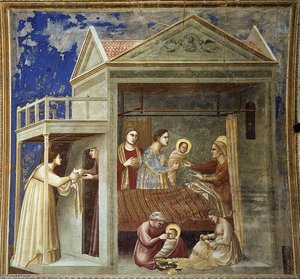
![Scrovegni - [07] - The Birth Of The Virgin — Đijoto Di Bondone, Proto-renaissance](/media/artworks/images-thumb/8d/eb/8deb86c8ab66cea89f1895637c8f5d6b.jpg)
Biografija umetnika
A Master of Gothic Splendor: Pedro García de Benavarre
Pedro García de Benavarre, a name resonating through the annals of Spanish Gothic painting, remains an enigmatic figure whose artistry flourished in the mid-15th century. While precise biographical details are scarce, enough documentation exists to trace his movements and appreciate the profound impact he had on the artistic landscape of Aragon and Catalonia. Born sometime before 1445, likely within the Kingdom of Aragon, Benavarre’s career unfolded against a backdrop of shifting political alliances and burgeoning religious fervor. He first appears in historical records in Zaragoza around 1445, working in collaboration with Blasco Grañén, who is believed to have been his teacher. This early period saw their joint involvement in the altarpiece of Villarroya de Campo, offering a glimpse into Benavarre’s formative years and the foundational techniques he absorbed.From Collaboration to Independent Vision
By 1452, Benavarre had established himself independently in his namesake town, Benabarre, undertaking commissions that allowed him to refine his unique style. A pivotal moment arrived in 1455 when he relocated to Barcelona, accepting a significant contract from the widow and son of Bernat Martorell, one of Catalonia’s most celebrated painters. The terms stipulated the completion of unfinished works left by Martorell and the acceptance of future commissions for five years. This association with Martorell's workshop was crucial; it exposed Benavarre to a different artistic tradition—one characterized by greater elegance, refined detail, and a more sophisticated use of color. However, the extent to which he fully integrated Martorell’s style remains debated, as Benavarre quickly developed a distinctive voice that blended Gothic traditions with emerging Renaissance influences. His work during this period includes the altarpieces of St. Clare of Assisi and St. Catherine of Alexandria for Barcelona Cathedral, showcasing his growing mastery of narrative composition and expressive figuration.A Period of Wandering and Mature Style
The years following 1460 witnessed a period of considerable movement for Benavarre. He returned to Benabarre, where he continued to receive commissions from surrounding areas until approximately 1469. This phase is marked by an increasing confidence in his artistic vision and the creation of some of his most celebrated works. The Virgin Enthroned with Four Angels, now housed in the National Museum Art de Catalunya (often referred to as the *Virgen de Bellcaire*), exemplifies this maturity. Signed with a rare handwritten inscription, it reveals a delicate balance between the stylized forms of Gothic art and a nascent naturalism. The composition is characterized by its serene beauty, graceful figures, and rich color palette. Further commissions in Lleida during the 1470s, including work on altarpieces for Dominican monasteries, demonstrate his continued demand and versatility.Legacy and Historical Significance
In 1481, Benavarre settled in Barbastro, where he remained until at least 1485, continuing to fulfill commissions for local churches. His final documented work involved painting an altarpiece for the church of San Francisco, a testament to his enduring career. Pedro García de Benavarre’s significance lies not only in the beauty and technical skill of his paintings but also in his role as a transitional figure bridging the Gothic and Renaissance periods in Spanish art. He skillfully synthesized the decorative elegance of International Gothic with emerging Italianate influences, creating a style that was both deeply rooted in tradition and open to innovation. His influence can be seen in the works of subsequent Aragonese painters, who adopted his refined techniques and expressive figuration. While he may not have achieved the widespread fame of some of his contemporaries, Benavarre’s contributions remain vital for understanding the evolution of Spanish painting during a period of profound artistic change. His altarpieces, scattered throughout Catalonia and Aragon, continue to captivate viewers with their serene beauty, intricate detail, and enduring spiritual power. His work is a testament to the skill and artistry of a master who helped shape the visual landscape of 15th-century Spain.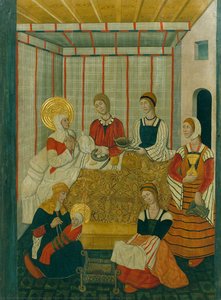
Kratke činjenice
- Artistic Movement Or Style: Gothic painting
- Artists Who Influenced This Artist: ['Blasco Grañén']
- Date Of Death: Living
- Full Name: Pedro García de Benavarre
- Nationality: Spanish-Flemish
- Notable Artworks:
- Birth of the Virgin
- Virgen de Bellcaire

