

 Pregledaj u prostoru
 Pošalji
 Podeli
 Detalji o delu

 Преузми
 Slični predmeti
 Rendgenski snimak
 Slajdovi
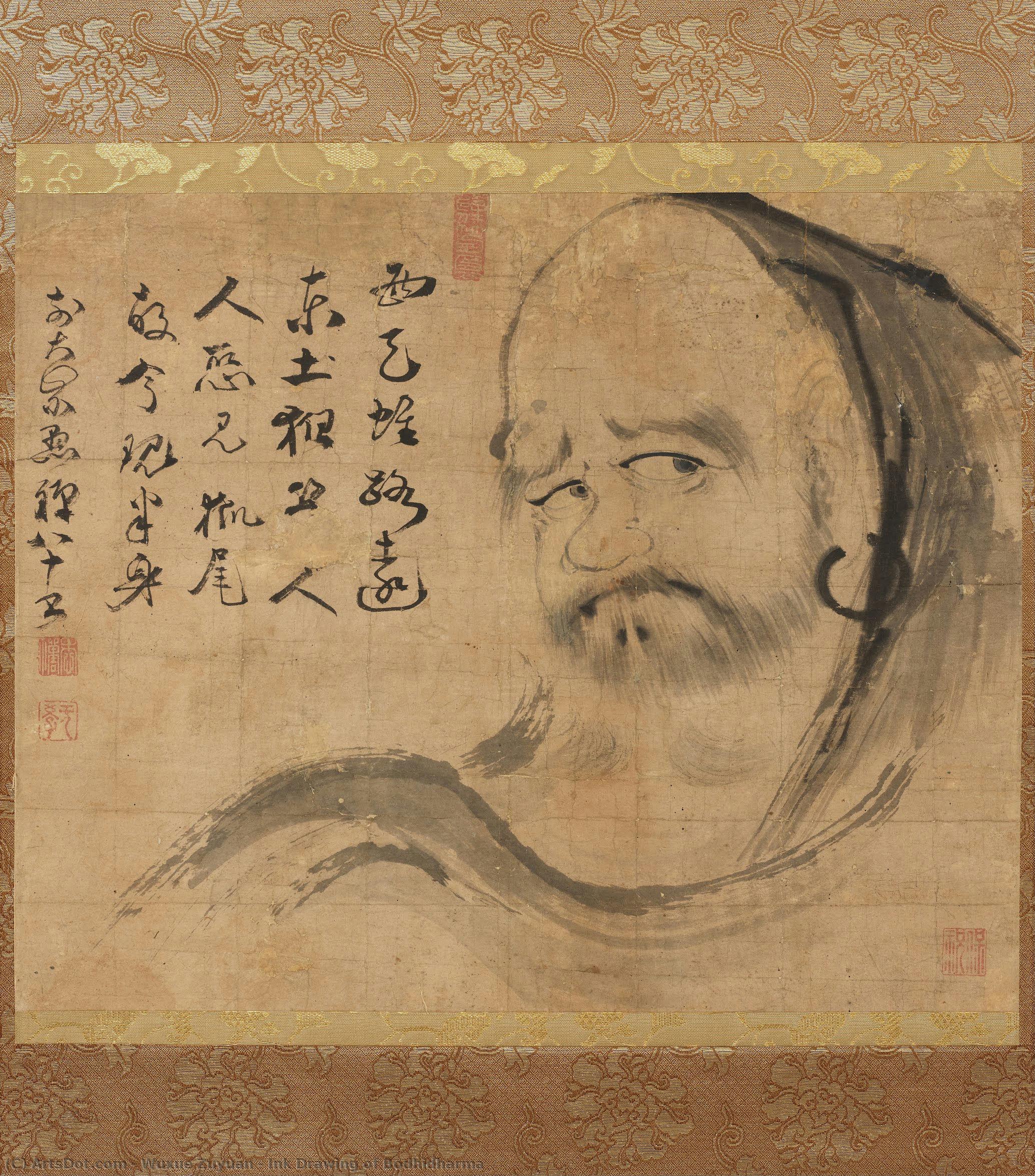
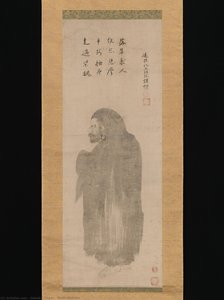
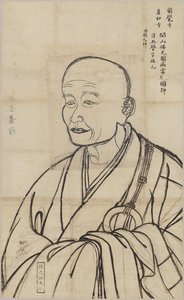
Ink Drawing of Bodhidharma


 Pročitaj više
Kupite digitalnu sliku visoke rezolucije i poboljšanog kvaliteta, koja je znatno superiornija od onoga što vidite u online prikazu.
Svaka datoteka je pedantno pripremljena od strane naših stručnjaka koristeći napredne alate i profesionalnu ručnu retušu. Osiguravamo da svaka slika ima izuzetnu oštrinu, preciznu reprodukciju boja i fine detalje.
Konačna datoteka se dostavlja putem e-pošte u roku od 72 sata, optimizovana za neposrednu upotrebu u profesionalnim, izdavačkim i štamparskim okruženjima. To je isti kvalitet kojem veruju vrhunski studiji dizajna, izdavači i galerije.
Digitalna slika
Preuzmite datoteku visoke rezolucije za ličnu upotrebu, štampanje i kreativne projekte. ( Kupi print Kupi ručno naslikanu sliku)
Uključeno uz svaku porudžbinu digitalne slike
Profesionalna digitalna isporuka, zagarantovana
Kada odaberete ArtsDot.com, ne dobijate samo sliku – vi primate profesionalno unapređeno digitalno umetničko delo, izrađeno sa najvećom preciznošću i uz garanciju zadovoljstva. Evo svega što automatski dolazi uz vašu porudžbinu:

Brza dostava putem e-pošte
Vaša digitalna slika visoke rezolucije biće vam poslata putem e-pošte u roku od 72 sata od poručivanja – spremna za trenutnu upotrebu.

Digitalna datoteka unapređena veštačkom inteligencijom
Vaše umetničko delo je profesionalno optimizovano korišćenjem naprednih AI alata i ručne obrade, čime se osiguravaju maksimalni detalji, oštrina i preciznost boja.

Besplatna ponovna isporuka doživotno
Slučajno ste obrisali ili izgubili svoju datoteku? Ne brinite – poslaćemo vam je ponovo u bilo kom trenutku, potpuno besplatno.

Bez troškova uvoza – zauvek
Uživajte u svojim umetničkim delima trenutno, bez carine, dažbina ili troškova dostave – digitalni download je uvek bez poreza.

Garancija vernosti boja
Uz pomoć profesionalnih alata i upravljanja bojama, osiguravamo da vaša digitalna slika što vernije odražava originalne boje.

Garancija zadovoljstva u roku od 60 dana
Ako niste zadovoljni svojom digitalnom slikom, revidirat ćemo je ili vratiti 100% novca u roku od 60 dana – bez ikakvih pitanja.

100% garancija povrata novca
Niste zadovoljni? Obezbedite pun povrat novca u roku od 60 dana od trenutka kada ste primili svoju digitalnu datoteku – bez suvišnih pitanja.

Popusti na velike porudžbine
Kupite 3 slike, uštedite 10% - Kupite 5 slika, uštedite 15% - Kupite 10+ slika, uštedite 20%. Odlično za kreativne projekte, galerije i agencije.
Opis kolekcionarskog dela
The Silent Presence of Zen: An Encounter with Bodhidharma
In the quietude of an ink-brushed landscape, there exists a moment where time seems to suspend itself, captured forever in the strokes of wuxue zuyuan. The Ink Drawing of Bodhidramha is not merely a portrait; it is a window into the profound stillness of the Zen Buddhist tradition. As we gaze upon the face of the legendary founder of Chan Buddhism, we are drawn into a meditative dialogue with a figure who embodies the very essence of spiritual awakening. The subject, characterized by his rugged beard and a gaze that drifts toward an unseen horizon, invites the viewer to step away from the chaos of the modern world and enter a space of deep contemplation.
The artistry of this 1817 masterpiece relies on the masterful economy of line and the evocative power of monochrome. Through the delicate application of ink, the artist breathes life into the textures of the subject's features, creating a sense of weight and wisdom that transcends the paper itself. The background, adorned with subtle Chinese characters, serves as more than mere decoration; it provides a rhythmic, calligraphic context that anchors the figure within a rich lineage of scholarly and spiritual tradition. This interplay between the physical form and the written word creates a layered narrative, suggesting that the truths of Bodhidharma are both lived through experience and recorded through sacred script.
A Legacy of Spirit and Ink
To understand this work is to understand the soul of the artist, wuxue zuyuan. Living during the 13th century, wuxue zuyuan was a pivotal figure whose life as a Zen monk deeply informed his aesthetic sensibilities. His technique reflects the Taoist and Buddhist influences that permeated the era, where the "emptiness" of the paper is just as vital as the ink applied to it. This piece stands as a testament to a period when art was an extension of spiritual practice—a way to manifest the intangible essence of enlightenment through the tangible medium of brush and soot.
For the discerning collector or interior designer, this reproduction offers more than just visual beauty; it offers an atmosphere. The monochromatic palette and the historical gravity of the subject make it a sophisticated centerpiece for spaces dedicated to tranquility, such as a study, a library, or a minimalist sanctuary. It possesses a unique ability to ground a room, providing a focal point that encourages slow looking and quiet reflection. Owning such a piece is an invitation to surround oneself with the enduring legacy of Zen wisdom, bringing a sense of historical depth and emotional serenity into the contemporary home.
Srodna umetnička dela


Biografija umetnika
Berthe Morisot: A Delicate Dance of Light and Impression
Born in Bourges, France, in 1841, Berthe Morisot’s life was one of quiet determination within the constraints of a rapidly changing artistic landscape. Her father, Edmé Tiburce Morisot, a respected prefect and amateur architect, instilled in her an appreciation for beauty and observation – foundational elements that would profoundly shape her approach to painting. Despite societal expectations that largely confined women to domestic roles, Berthe’s family encouraged her artistic pursuits, providing access to art education and fostering a supportive environment for her burgeoning talent. This early encouragement proved crucial as she navigated the challenges of being a female artist in a male-dominated world.
Morisot's formal training began at the École des Beaux-Arts in Paris, though she found the traditional curriculum restrictive. She primarily studied under Joseph Guichard and Achille-Francois Oudinot, absorbing the techniques of academic painting while simultaneously seeking to develop her own distinct voice. It was through these early studies that she encountered the burgeoning Impressionist movement – a group of artists challenging established conventions and prioritizing capturing fleeting moments of light and atmosphere. Her initial exhibitions at the Salon de Paris, beginning in 1864, marked her tentative entry into the art world, though her works were often relegated to secondary positions.
A pivotal moment arrived in 1874 with the first Impressionist exhibition, organized by Monet. Morisot’s decision to participate alongside artists like Renoir, Degas, and Pissarro signaled a decisive break from academic tradition. She became part of a small but influential circle of women painters – alongside Mary Cassatt and Julie Manet – who shared a commitment to portraying modern life with a focus on intimate scenes and subjective experiences. Unlike some of her male colleagues, Morisot rarely tackled grand historical or mythological subjects; instead, she excelled at capturing the everyday moments of domesticity: children playing, family gatherings, women engaged in quiet pursuits—scenes brimming with tenderness and subtle emotion.
Morisot’s technique was characterized by a delicate brushwork, a luminous palette, and an acute sensitivity to light. She favored small-scale canvases, often painting en plein air (outdoors) to directly observe the effects of natural light on her subjects. Her compositions are typically asymmetrical and open, creating a sense of movement and spontaneity. She employed broken color—applying thin layers of paint that blend optically when viewed from a distance—to achieve a shimmering effect reminiscent of sunlight filtering through foliage or reflected in water. Influences can be traced to the Barbizon School’s emphasis on landscape painting and the Japanese prints that were gaining popularity among Impressionist artists, both of which contributed to her interest in capturing fleeting moments and atmospheric effects.
Despite facing persistent challenges as a female artist—including limited recognition and financial struggles—Morisot remained dedicated to her craft. She continued to exhibit at the Impressionist exhibitions until 1886, producing over 300 paintings throughout her career. Her work gradually gained wider appreciation during her lifetime, though it wasn’t until after her death in 1895 that she was fully recognized as one of the most significant figures of the Impressionist movement. Today, Morisot's paintings are celebrated for their exquisite beauty, emotional depth, and insightful portrayal of modern life—testaments to a woman who bravely pursued her artistic vision against considerable odds.
Key Works & Recurring Themes
- The Cradle (1872): A quintessential example of Morisot’s skill in capturing the intimacy of domestic life, this painting depicts a mother gently rocking her sleeping child. The soft light and delicate brushwork evoke a sense of serenity and tenderness.
- Reading a Letter (1876): This intimate portrait captures a moment of quiet contemplation as a young woman is absorbed in reading a letter, highlighting Morisot’s ability to convey subtle emotions through gesture and expression.
- Summer's Day (1879): A vibrant depiction of children playing in a garden, showcasing Morisot’s masterful use of color and light to capture the joy and spontaneity of childhood.
- At the Piano (1876): Another intimate scene featuring a young woman at a piano, demonstrating Morisot's talent for portraying domestic interiors with remarkable sensitivity.
The Influence of Family and Friendship
Morisot’s artistic development was profoundly shaped by her close relationships. Her marriage to Eugène Manet, the brother of Édouard Manet, provided a supportive and intellectually stimulating environment. Eugène encouraged her artistic pursuits and served as a fellow Impressionist, sharing her passion for capturing modern life. The Manets' salon became a hub for artistic exchange, bringing Morisot into contact with other prominent artists like Monet, Renoir, and Degas.
Her friendship with Mary Cassatt was particularly significant. The two women shared a common interest in depicting female subjects and often engaged in mutual critique and support. They frequently painted each other’s portraits and exchanged ideas about their artistic approaches. The influence of these relationships is evident in Morisot's work, which reflects the shared values and aesthetic sensibilities of her circle of friends.
Legacy & Historical Significance
Despite facing significant obstacles as a female artist in a male-dominated field, Berthe Morisot’s legacy endures. Her paintings are now recognized for their exquisite beauty, emotional depth, and insightful portrayal of modern life. She is considered one of the most important figures of the Impressionist movement, alongside her male counterparts. Morisot's work challenges traditional notions of femininity in art, demonstrating that women could be equally skilled and innovative artists. Her dedication to capturing intimate moments and subjective experiences paved the way for future generations of female painters.
Today, Morisot’s paintings are exhibited in major museums around the world, including the Musée d'Orsay in Paris and the Metropolitan Museum of Art in New York. Her work continues to inspire artists and viewers alike, reminding us of the power of art to capture beauty, emotion, and the complexities of human experience.
wuxue zuyuan
1226 - 1286

